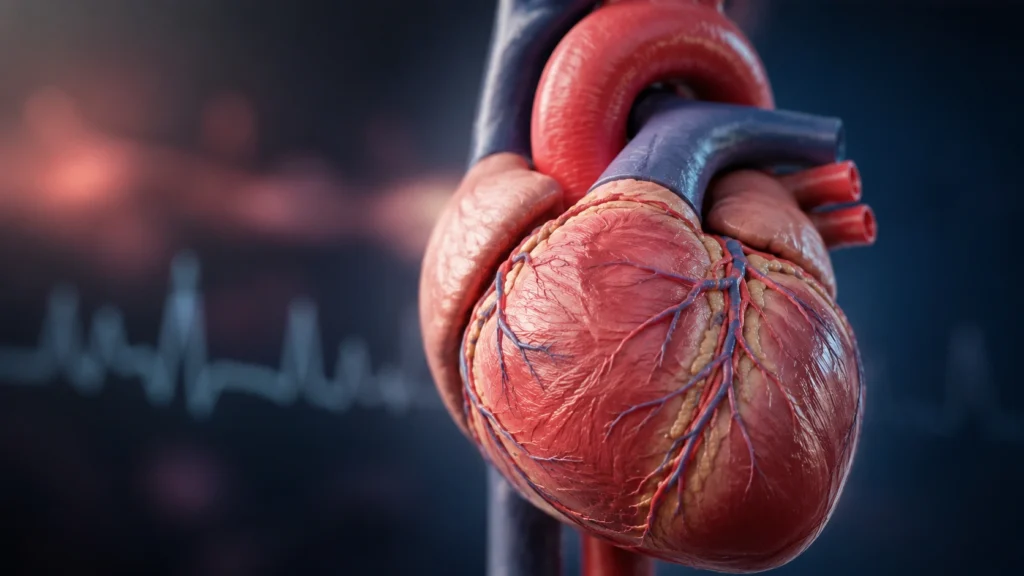
Your heart is a muscle. And like any muscle in the body, it can weaken, thicken, stiffen, or stop working the way it should.
Cardiomyopathy is a disease of the heart muscle itself. It is not a single condition. It is a group of disorders that affect how the heart pumps, fills, and functions, often silently, often for years, before symptoms become noticeable.
What makes this particularly important is this: many people live with it without knowing. Fatigue, breathlessness, and a racing heartbeat are easy to dismiss as stress or aging. But in many cases, these are the early warnings of a heart that is working harder than it should, and slowly losing ground.
The encouraging reality is that this is manageable. With the right diagnosis, the right treatment plan, and expert cardiac care, most patients can live active, full lives. The key is understanding what is happening inside the heart, and acting early.
What is cardiomyopathy?
Cardiomyopathy refers to diseases that affect the myocardium, the muscular wall of the heart. These diseases alter the structure, size, or function of the heart muscle, making it harder for the heart to pump blood effectively to the rest of the body.
Unlike heart disease caused by blocked arteries or valve problems, originates in the muscle tissue itself.
Over time, the heart compensates by:
- Enlarging (dilating) to push more blood out.
- Thickening its walls to pump harder.
- Stiffening and losing its ability to relax and fill with blood.
Each of these changes leads to a different type of cardiomyopathy, and each requires a different treatment approach.
Without treatment, this can progress to heart failure, dangerous heart rhythm disturbances (arrhythmias), or sudden cardiac arrest. With the right care, however, many patients manage the condition effectively for decades.
What are the different types of cardiomyopathy?
Understanding the type is the first and most critical step in treatment planning. There are four primary types:
- Dilated Cardiomyopathy (DCM) is the most common form. The heart stretches and becomes too weak to pump efficiently, leading to a reduced ejection fraction, meaning the heart pushes out less blood with each beat than it should.
- Hypertrophic Cardiomyopathy (HCM) is the most common cause of sudden cardiac death in young people and athletes. The muscle thickening makes the heart work harder, and in some patients, narrows the pathway through which blood exits.
- Restrictive Cardiomyopathy (RCM) is the least common but often the most severe. The heart loses its flexibility, making it difficult to fill with blood between beats.
- Arrhythmogenic Cardiomyopathy (ARVC) primarily affects the right side of the heart and significantly increases the risk of life-threatening arrhythmias, particularly during physical exertion.
There is also a condition called Peripartum Cardiomyopathy, which develops in the last month of pregnancy or within five months of delivery. It is an important and often under-recognized form that affects new mothers and requires immediate attention.
What are the causes and risk factors of cardiomyopathy?
This does not have a single cause. It develops through a combination of genetic predisposition, lifestyle factors, underlying illnesses, and sometimes unknown reasons.
In a significant number of cases, particularly dilated, the exact cause cannot be identified. This is called idiopathic cardiomyopathy, and it is more common than many patients expect.
Genetic and Hereditary Causes:
- Family history.
- Inherited gene mutations affecting heart muscle proteins.
- Certain muscular dystrophies.
Acquired or Triggered Causes:
- Viral infections (myocarditis) that damage heart muscle.
- Long-term, uncontrolled high blood pressure.
- Coronary artery disease and previous heart attacks.
- Excessive alcohol consumption over many years.
- Chemotherapy drugs and certain medications.
- Thyroid disorders (both overactive and underactive).
- Autoimmune diseases such as lupus.
- Nutritional deficiencies (particularly thiamine and selenium).
- Pregnancy (peripartum cardiomyopathy).
Risk Factors That Increase Vulnerability:
- Family history or sudden cardiac death.
- History of heart disease or heart attacks.
- Diabetes, obesity, or metabolic syndrome.
- Long-term unmanaged hypertension.
- Chronic kidney disease.
- Heavy and prolonged alcohol use.
What are the common symptoms of cardiomyopathy?
One of the most challenging aspects is that early stages are often symptom-free. Many patients discover the condition during a routine check-up or when investigating an unrelated health concern.
As the disease progresses, the following symptoms typically emerge:
Breathing and Activity-Related Symptoms:
- Shortness of breath during physical activity, and eventually, even at rest.
- Difficulty lying flat without breathlessness (orthopnea).
- Waking from sleep short of breath (paroxysmal nocturnal dyspnea).
- Rapid fatigue during routine activities.
Heart Rhythm Symptoms:
- Palpitations, a fluttering, racing, or pounding heartbeat.
- Irregular heartbeat (arrhythmia).
- Episodes of dizziness or lightheadedness.
- Fainting or near-fainting (syncope), a serious warning sign.
Fluid Retention Symptoms:
- Swelling in the legs, ankles, and feet (edema).
- Abdominal bloating or discomfort.
- Unexplained weight gain over a short period.
Other Symptoms:
- Persistent chest discomfort or pressure.
- Chronic cough or wheeze (fluid in the lungs).
- Extreme weakness or inability to tolerate exercise.
In children: May present as poor feeding, failure to thrive, excessive sweating during feeding, or rapid breathing. If you or someone you know is experiencing a combination of these symptoms, especially breathlessness, swelling, and palpitations together, a cardiac evaluation is essential.
How is cardiomyopathy diagnosed?
Diagnosing usually involves a combination of tests to understand how well the heart is functioning.
- Medical History & Physical Exam – Reviews symptoms, family history, and overall heart health.
- ECG (Electrocardiogram) – Checks the heart’s electrical activity and rhythm.
- Echocardiogram (Echo) – Uses ultrasound to assess heart structure and pumping function.
- Chest X-ray – Shows heart size and signs of fluid buildup in the lungs.
- Blood Tests – Detect heart damage and identify underlying health conditions.
- Cardiac MRI – Provides detailed images of the heart muscle and any abnormalities.
- Holter Monitoring – Records heart rhythm continuously over 24–48 hours.
- Coronary Angiography – Examines blood flow in the heart’s arteries.
- Genetic Testing – Identifies inherited forms.
- Heart Muscle Biopsy – Used in select cases to confirm specific heart conditions.
What are the treatment options for cardiomyopathy?
Treatment is personalized. The type, its severity, the patient’s overall health, and the presence of complications all determine the treatment plan. The goal is to improve heart function, relieve symptoms, prevent complications, and enhance quality of life.
1. Medications
- ACE Inhibitors / ARBs – Help the heart pump more efficiently and reduce strain.
- Beta-Blockers – Slow the heart rate and improve heart function.
- Diuretics – Remove excess fluid and reduce swelling.
- Aldosterone Antagonists – Help control fluid buildup and protect the heart.
- SGLT2 Inhibitors – Improve heart failure outcomes and reduce hospital visits.
- Antiarrhythmic Medicines – Help maintain a normal heart rhythm.
- Blood Thinners – Lower the risk of blood clots and stroke.
- Mavacamten – A targeted treatment for certain patients with hypertrophic cardiomyopathy (HCM).
2. Implantable Cardiac Devices
- ICD (Implantable Cardioverter-Defibrillator) – Prevents sudden cardiac arrest by correcting dangerous heart rhythms.
- CRT (Cardiac Resynchronization Therapy) – Helps the heart chambers beat in better coordination.
- Pacemaker – Maintains a steady heartbeat when the heart beats too slowly.
3. Surgical Treatments
- Septal Myectomy – Removes thickened heart muscle to improve blood flow in HCM.
- Alcohol Septal Ablation – Reduces heart muscle thickening without open surgery.
- CABG (Bypass Surgery) – Improves blood flow to the heart when arteries are blocked.
- Valve Repair or Replacement – Corrects damaged heart valves and improves heart function.
4. Advanced Heart Failure Treatments
- LVAD (Left Ventricular Assist Device) – A mechanical pump that helps a weak heart circulate blood.
- Heart Transplant – Replaces a severely damaged heart when other treatments are no longer effective.
5. Lifestyle & Rehabilitation
- Heart-Healthy Diet – Supports overall heart function and recovery.
- Fluid Monitoring – Helps prevent fluid overload in heart failure.
- Avoid Alcohol – Essential for preventing further heart damage.
- Regular Exercise – Improves stamina and heart health under medical guidance.
- Sleep Apnea Treatment – Supports better heart function and sleep quality.
- Emotional Support – Helps manage the mental and emotional impact of heart disease.
Benefits of treating cardiomyopathy early
Early and consistent treatment delivers measurable outcomes:
- Improved ejection fraction: Many patients with DCM see significant recovery in heart function with optimal medical therapy.
- Reduced hospitalization: Proper medication management dramatically reduces emergency admissions.
- Lower risk of sudden cardiac death: ICDs save lives when the risk is identified early.
- Better exercise tolerance and quality of life: Cardiac rehab and optimized medications allow patients to return to normal activities.
- Slower disease progression: Neurohormonal blockade (ACE inhibitors, beta-blockers) slows the damage cycle.
- Family protection: Genetic testing and family screening identifies at-risk relatives before symptoms develop.
Can cardiomyopathy be managed without surgery?
Yes, for the majority of patients, surgery is not required.
Most patients with dilated cardiomyopathy and many with hypertrophic cardiomyopathy are managed effectively with medications, lifestyle changes, and when necessary, device therapy.
Surgery or catheter-based procedures are reserved for:
- Obstructive HCM that does not respond to medication.
- Severe valve dysfunction secondary to cardiomyopathy.
- End-stage disease requiring LVAD or transplant.
The most important message: early diagnosis and adherence to medical therapy can significantly delay or prevent the need for invasive intervention.
When to see a doctor for cardiomyopathy?
Do not wait for symptoms to become severe. Seek a cardiac evaluation promptly if you experience:
- Unexplained breathlessness, especially on mild exertion.
- Swelling in the feet, legs, or abdomen without a clear reason.
- Palpitations that come on suddenly or last more than a few seconds.
- Fainting or near-fainting episodes.
- Chest discomfort during activity.
- A family member diagnosed with cardiomyopathy or who died suddenly of cardiac causes at a young age.
Screening is especially recommended for:
- First-degree relatives of someone diagnosed with cardiomyopathy.
- Young competitive athletes (to rule out HCM before sports participation).
- Patients with conditions known to affect the heart (autoimmune diseases, amyloidosis, muscular dystrophies).
What happens if cardiomyopathy is left untreated?
Cardiomyopathy is a progressive condition. Without treatment, it typically worsens over time.
The single most important fact: cardiomyopathy is manageable when caught and treated early. Delayed treatment consistently leads to worse outcomes.
The consequences of untreated cardiomyopathy include:
- Progressive heart failure: Increasing breathlessness, fluid overload, and inability to perform daily activities.
- Dangerous arrhythmias: Ventricular tachycardia or ventricular fibrillation, which can cause sudden cardiac arrest.
- Stroke: Dilated hearts are prone to forming blood clots, which can travel to the brain.
- End-stage heart failure: Requiring LVAD support or transplantation.
- Sudden cardiac death: Particularly in HCM and ARVC, the risk of sudden death is real, especially during physical exertion.
Why choose Rama Hospital for cardiomyopathy treatment?
At Rama Hospital, this is treated with the same level of precision, expertise, and personalized care you would expect from any leading cardiac centre globally.
- Dedicated team of heart specialists working together for complete care.
- Advanced heart imaging for accurate diagnosis and treatment planning.
- Expert care for pacemakers, ICDs, and other cardiac devices.
- Experienced cardiac surgeons for complex heart procedures and surgeries.
- Genetic counselling for families with inherited heart conditions.
- Personalized cardiac rehabilitation to support recovery and heart health.
- Clear and honest communication to help patients understand their condition.
- Ongoing follow-up and long-term support at every stage of care.
Frequently Asked Questions (FAQs)
Q: Is cardiomyopathy a death sentence?
No. The vast majority of patients, when diagnosed and treated appropriately, live active and fulfilling lives. Many patients with dilated cardiomyopathy experience significant improvement in heart function with modern medical therapy.
Q: Is cardiomyopathy hereditary?
It can be. Hypertrophic cardiomyopathy and arrhythmogenic cardiomyopathy are strongly genetic. Dilated has a familial component in approximately 30–40% of cases. Genetic testing and family screening are an important part of management.
Q: Can cardiomyopathy be cured?
Some forms, particularly alcohol-related or peripartum cardiomyopathy, can see substantial or even complete recovery when the underlying trigger is addressed. Others are managed long-term rather than cured. The goal of treatment is to optimize function, prevent complications, and maintain quality of life.
Q: Can someone with cardiomyopathy exercise?
Many patients benefit significantly from structured cardiac rehabilitation and supervised exercise. However, competitive or high-intensity sports, particularly in HCM, may be restricted. Your cardiologist will guide you based on your specific condition.
Q: What is ejection fraction and why does it matter?
Ejection fraction (EF) is the percentage of blood the heart pumps out with each beat. A normal EF is 55–70%. In dilated cardiomyopathy, EF is often reduced. Treatment aims to preserve or improve ejection fraction, as it strongly predicts long-term outcomes.
Q: How often should someone with cardiomyopathy be monitored?
Most patients require echocardiograms every 6–12 months, along with regular blood tests and clinical review. Device patients require additional follow-up for device checks. Your cardiologist will define a monitoring schedule specific to your case.
Q: Does cardiomyopathy affect children?
Yes. Cardiomyopathy can affect children of all ages, including infants. Symptoms in young children can be subtle. If a parent has cardiomyopathy or there is a family history, paediatric cardiac screening is advisable.
Conclusion
Cardiomyopathy is one of the most complex and consequential heart conditions, but it is also one of the most treatable, especially when identified early.
The heart muscle can weaken, thicken, or stiffen. But with the right diagnosis, a personalized treatment plan, and consistent expert care, the vast majority of patients can maintain a good quality of life, reduce their risk of serious complications, and in many cases, improve their heart function meaningfully.
The most dangerous thing anyone with cardiomyopathy can do is ignore the warning signs or delay evaluation.
At Rama Hospital, our cardiology team is committed to providing every patient with the clarity, expertise, and compassionate care needed to navigate this condition, from first diagnosis through long-term management. Whether you are newly diagnosed, managing an existing condition, or concerned about family history, we are here to help you take the right next step.