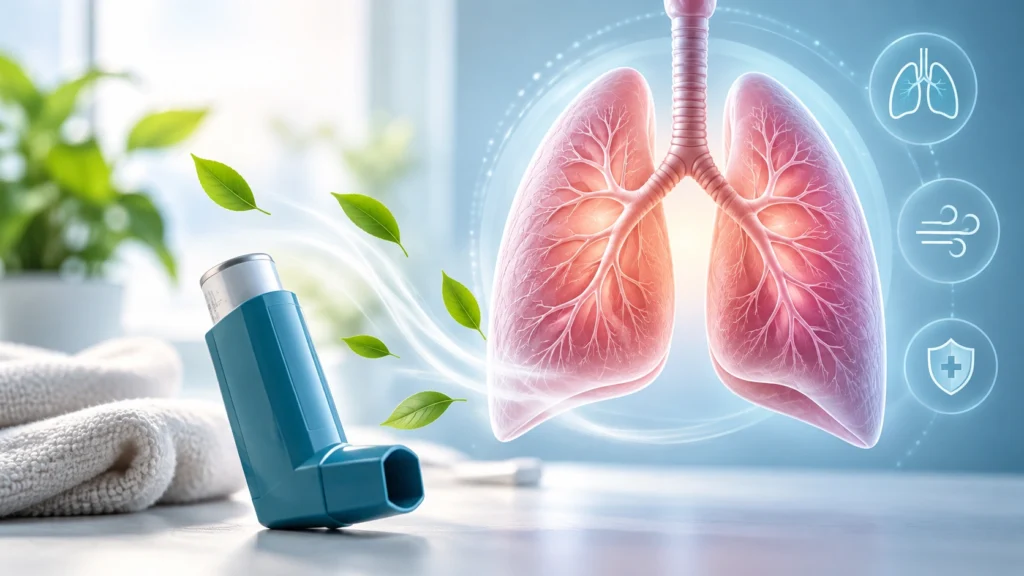
Asthma is a common long-term condition that affects the airways in the lungs. It causes repeated episodes of breathing difficulty, chest tightness, wheezing, and coughing. For some people, symptoms are mild and occur only occasionally. For others, asthma can be severe, frequent, and life-threatening if not managed properly.
The key feature of asthma is that the airways become inflamed and overly sensitive. When exposed to certain triggers such as dust, smoke, pollution, cold air, infections, or exercise, the airways narrow, produce extra mucus, and make breathing difficult. This is why people with asthma may feel fine at times and then suddenly struggle to breathe during a flare-up.
Asthma can start in childhood or develop later in life. It often runs in families and is more common in people with allergies, eczema, or a history of respiratory infections. With proper treatment, most people with asthma can live normal, active lives. Without treatment, asthma can lead to frequent hospital visits, poor sleep, reduced activity, and in severe cases, respiratory failure.
What is Asthma?
Asthma is a chronic inflammatory disease of the airways in the lungs. The airways are the tubes that carry air in and out of the lungs. In people with asthma, these airways are constantly inflamed and more sensitive than normal.
When a person with asthma is exposed to a trigger, several things happen in the airways.
- The muscles around the airways tighten, making the tubes narrower.
- The lining of the airways swells due to inflammation.
- Extra mucus is produced, which can block the airways further.
These changes make it harder for air to move in and out of the lungs. This leads to symptoms such as wheezing, coughing, chest tightness, and shortness of breath. Between attacks, many people with asthma feel completely normal, especially if their condition is well controlled.
Asthma is not the same as other lung diseases such as chronic bronchitis or emphysema. It often starts early in life, can vary in severity, and is usually reversible with treatment. However, if poorly controlled over many years, it can lead to permanent changes in the airways.
Types of Asthma
Asthma can be classified in different ways based on age of onset, triggers, severity, and pattern of symptoms.
Based on age of onset
- Childhood asthma, which often starts before the age of five and may be linked to allergies and viral infections.
- Adult-onset asthma, which begins in adulthood and may be more persistent or severe.
- Occupational asthma, which is triggered by substances in the workplace such as dust, chemicals, or fumes.
Based on triggers
- Allergic asthma, triggered by allergens such as dust mites, pollen, pet dander, or mold.
- Non-allergic asthma, triggered by smoke, pollution, cold air, strong smells, or infections.
- Exercise-induced asthma, where symptoms occur during or after physical activity.
- Cough-variant asthma, where the main symptom is a chronic dry cough rather than classic wheezing.
Based on severity
- Mild intermittent asthma, with symptoms occurring less than twice a week.
- Mild persistent asthma, with symptoms more than twice a week but not daily.
- Moderate persistent asthma, with daily symptoms and night-time awakenings.
- Severe persistent asthma, with frequent symptoms, limited activity, and frequent night-time symptoms.
Causes of Asthma
The exact cause of asthma is not fully understood. It is believed to result from a combination of genetic and environmental factors.
Common causes and contributing factors
- Family history of asthma, allergies, or eczema.
- Early-life respiratory infections that affect lung development.
- Exposure to allergens such as dust mites, pollen, mold, or pet dander.
- Exposure to tobacco smoke, especially during pregnancy and childhood.
- Air pollution and indoor smoke from cooking fuels.
- Occupational exposure to dust, chemicals, or fumes.
- Obesity, which can worsen asthma control.
- Stress and strong emotions that can trigger symptoms in some people.
Why some people develop asthma: People with asthma often have an overactive immune response in the airways. Their bodies react strongly to substances that would not bother others. This leads to chronic inflammation and increased sensitivity. Over time, repeated exposure to triggers can make the airways even more reactive.
Common Asthma Triggers
Triggers are substances or situations that can set off asthma symptoms or an asthma attack. Identifying and avoiding triggers is a key part of management.
Common triggers include:
- Dust mites in bedding, carpets, and soft furniture.
- Pollen from trees, grasses, and weeds.
- Mold and dampness in the home.
- Pet dander from cats, dogs, or other animals.
- Tobacco smoke and second-hand smoke.
- Air pollution, vehicle exhaust, and industrial fumes.
- Strong smells such as perfumes, cleaning products, or incense.
- Cold air or sudden changes in weather.
- Respiratory infections such as cold, flu, or sinus infection.
- Exercise, especially in cold or dry air.
- Stress, anxiety, or strong emotions.
- Certain medicines such as aspirin or painkillers in sensitive individuals.
- Food additives or preservatives in some people.
Why triggers matter: Different people have different triggers. One person may react mainly to dust, while another may react to smoke or exercise. Keeping a symptom diary can help identify personal triggers and plan avoidance strategies.
Symptoms of Asthma
Asthma symptoms can vary from person to person and from day to day. Some people have mild symptoms, while others have severe and frequent attacks.
Common symptoms include:
- Wheezing, which is a whistling sound when breathing out.
- Shortness of breath or feeling unable to get enough air.
- Chest tightness or pressure.
- Coughing, especially at night or early morning.
- Difficulty breathing during exercise or activity.
- Frequent colds that settle in the chest.
- Waking up at night due to coughing or breathlessness.
- Feeling tired or weak due to poor sleep and low oxygen.
Signs of worsening asthma
- Needing the reliever inhaler more often.
- Symptoms occurring more frequently.
- Night-time coughing or breathlessness.
- Reduced ability to exercise or do daily activities.
- Peak flow readings dropping below normal.
Emergency warning signs
- Severe shortness of breath even at rest.
- Inability to speak in full sentences.
- Lips or fingernails turning blue or gray.
- No improvement after using a reliever inhaler.
- Extreme tiredness or confusion.
- Rapid breathing with chest pulling in between ribs.
Asthma in Children
Asthma is one of the most common chronic conditions in children. It often starts before the age of five and may improve as the child grows older.
Common signs in children
- Frequent coughing, especially at night.
- Wheezing during colds or after exercise.
- Shortness of breath during play.
- Avoiding sports or physical activity.
- Tiredness or poor concentration at school.
- Chest tightness or complaints of chest pain.
Why asthma can be serious in children: Children have smaller airways, so even mild swelling can cause significant breathing difficulty. Severe attacks can develop quickly and require urgent care. Parents should watch for fast breathing, difficulty feeding, bluish lips, or extreme tiredness.
Management in children
- Avoid known triggers such as smoke, dust, and strong smells.
- Use inhalers with proper technique and devices suitable for age.
- Follow a written asthma action plan from the doctor.
- Ensure regular school attendance with proper support.
- Keep vaccinations up to date to prevent infections.
Asthma in Adults
Adult-onset asthma can be more persistent and may be linked to workplace exposures, hormonal changes, or other health conditions.
Common features in adults
- Symptoms may be mistaken for bronchitis or smoking-related cough.
- Night-time coughing and breathlessness are common.
- Symptoms may worsen with exercise, stress, or infections.
- Coexisting conditions such as allergies, sinusitis, or acid reflux may worsen asthma.
Higher-risk groups in adults
- Smokers or former smokers.
- People with occupational exposure to dust or chemicals.
- Women, especially during hormonal changes.
- People with obesity or sleep apnea.
- Those with chronic sinus or nasal problems.
How is Asthma Diagnosed?
Diagnosis is based on symptoms, medical history, physical examination, and lung function tests. Since many conditions can cause similar symptoms, proper testing is important.
Diagnostic steps
- Detailed history of symptoms and triggers.
- Family history of asthma or allergies.
- Examination of the nose, throat, chest, and lungs.
- Listening for wheezing or reduced air flow.
- Assessment of symptom pattern and severity.
Common tests that may be done
- Spirometry, which measures how much air a person can breathe out and how fast.
- Peak flow measurement to monitor airway function at home.
- Bronchodilator reversibility test to see if lung function improves with medicine.
- Allergy testing to identify specific triggers.
- Chest X-ray to rule out other lung conditions.
- Blood tests to check for infection or eosinophils in some cases.
- FeNO test to measure airway inflammation in selected patients.
Why diagnosis matters: Asthma can look like other conditions such as chronic bronchitis, vocal cord dysfunction, heart problems, or anxiety. Accurate diagnosis ensures the patient gets the right treatment rather than only symptom relief.
Treatment for Asthma
There is no permanent cure for asthma, but it can be controlled very well with the right treatment. The goals are to reduce symptoms, prevent attacks, maintain normal activity, and protect lung function over time.
1. Reliever inhalers
Reliever inhalers are used for quick relief during symptoms or an asthma attack.
- They work by relaxing the muscles around the airways.
- They provide fast relief from wheezing, coughing, and breathlessness.
- They should be carried at all times by people with asthma.
- Overuse of reliever inhalers is a sign that asthma is not well controlled.
2. Controller inhalers
Controller inhalers are used daily to prevent symptoms and reduce inflammation.
- They contain steroids that reduce swelling in the airways.
- They help prevent attacks and reduce the need for reliever inhalers.
- They must be used regularly even when feeling well.
- Proper inhaler technique is essential for effectiveness.
3. Combination inhalers
Some patients need both a steroid and a long-acting bronchodilator in one inhaler.
- These are used for moderate to severe asthma.
- They help control symptoms and prevent attacks.
- They are taken daily as prescribed by the doctor.
4. Oral medicines
Some patients may need tablets in addition to inhalers.
- Leukotriene modifiers can help reduce inflammation and allergic response.
- Oral steroids may be used short-term during severe attacks.
- Biologic injections are available for severe asthma that does not respond to other treatment.
- All medicines should be taken under medical supervision.
5. Asthma action plan
Every patient should have a written plan from their doctor.
- It explains daily medicines and how to use them.
- It describes what to do when symptoms worsen.
- It gives clear instructions for emergency situations.
- It helps patients and families respond quickly and correctly.
6. Emergency treatment
Severe asthma attacks require urgent medical care.
- Oxygen therapy may be needed.
- Nebulized bronchodilators may be given.
- Steroids may be given by injection or tablet.
- Hospital admission may be required for monitoring and support.
Inhaler Use and Technique
Using inhalers correctly is one of the most important parts of asthma management. Many patients do not get full benefit because of poor technique.
Key points for inhaler use
- Shake the inhaler if required before use.
- Breathe out fully before placing the inhaler in the mouth.
- Press the inhaler and breathe in slowly and deeply.
- Hold breath for about ten seconds after inhaling.
- Wait between puffs if more than one is prescribed.
- Rinse mouth after using steroid inhalers to prevent throat irritation.
- Use a spacer device if recommended, especially for children or elderly.
Common mistakes to avoid
- Not breathing in deeply enough.
- Pressing the inhaler at the wrong time.
- Using the inhaler too quickly.
- Not cleaning the inhaler or spacer regularly.
- Stopping controller inhalers when feeling better.
Lifestyle and Home Care for Asthma
Daily habits and home environment play a major role in asthma control.
Helpful lifestyle measures
- Avoid smoking and second-hand smoke completely.
- Reduce exposure to dust, mold, and strong smells.
- Keep the home clean and well-ventilated.
- Wash bedding regularly in hot water.
- Use dust-proof covers for pillows and mattresses.
- Keep pets out of the bedroom if allergic.
- Monitor air quality and limit outdoor activity on high pollution days.
- Manage stress with relaxation techniques.
- Maintain a healthy weight.
- Get regular vaccinations for flu and pneumonia.
Exercise and asthma
- Exercise is important for overall health and lung function.
- Warm up properly before physical activity.
- Use a reliever inhaler before exercise if advised.
- Choose activities that suit your fitness level.
- Stop and use reliever inhaler if symptoms start.
Diet and asthma
- Eat a balanced diet rich in fruits, vegetables, and whole grains.
- Stay well hydrated.
- Avoid foods that trigger symptoms if identified.
- Maintain a healthy weight to reduce asthma burden.
Possible Complications of Asthma
Uncontrolled asthma can lead to serious problems over time.
Possible complications
- Frequent asthma attacks requiring emergency care.
- Poor sleep and daytime fatigue.
- Reduced ability to work, study, or exercise.
- Permanent narrowing of airways over time.
- Increased risk of respiratory infections.
- Side effects from overuse of oral steroids.
- Anxiety or depression due to chronic symptoms.
- In severe cases, respiratory failure.
Why complications happen: When inflammation is not controlled, the airways become more sensitive and damaged over time. This makes attacks more frequent and severe. Early and consistent treatment helps prevent these complications.
When Should You See a Doctor?
Regular medical review is important for all people with asthma.
- Symptoms more than twice a week.
- Night-time coughing or breathlessness.
- Need for reliever inhaler more than twice a week.
- Reduced activity or exercise tolerance.
- Frequent colds settling in the chest.
- Concerns about inhaler use or side effects.
Prevention of Asthma Attacks
While asthma itself may not be fully preventable, attacks can often be avoided.
- Take controller medicines regularly as prescribed.
- Avoid known triggers as much as possible.
- Follow the asthma action plan.
- Keep regular follow-up appointments.
- Get flu and pneumonia vaccines as advised.
- Treat allergies, sinus problems, and acid reflux.
- Do not smoke and avoid smoky environments.
- Monitor symptoms and peak flow if advised.
For children
- Ensure proper inhaler technique with caregiver support.
- Inform school about the child’s asthma and action plan.
- Keep reliever inhaler accessible at all times.
- Encourage normal activity with proper precautions.
Why Choose Rama Hospital for Asthma Care?
Asthma is a chronic condition that needs long-term management, not just occasional treatment during attacks. A hospital with experienced respiratory specialists, proper testing facilities, and patient education support can make a major difference in outcomes.
- Accurate diagnosis with lung function tests.
- Personalized treatment plans based on severity and triggers.
- Proper inhaler training and technique checks.
- Management of severe or difficult-to-control asthma.
- Emergency care for severe asthma attacks.
- Long-term follow-up and adjustment of treatment.
Frequently Asked Questions (FAQs)
Can asthma be cured?
There is no permanent cure for asthma, but it can be controlled very well with the right treatment. Many people live normal, active lives with proper inhaler use, trigger avoidance, and regular follow-up.
Is asthma hereditary?
Asthma often runs in families. Having a parent or sibling with asthma, allergies, or eczema increases the risk. However, not everyone with a family history will develop asthma.
Can adults develop asthma?
Yes, asthma can start at any age. Adult-onset asthma may be linked to workplace exposures, infections, hormonal changes, or other health conditions. It should not be ignored as just a smoker’s cough.
Are inhalers safe for long-term use?
Yes, controller inhalers with low-dose steroids are safe for long-term use when taken as prescribed. They reduce inflammation and prevent attacks. Rinsing the mouth after use helps prevent throat irritation.
Can people with asthma exercise?
Yes, exercise is encouraged for people with asthma. Proper warm-up, using a reliever inhaler before activity if advised, and choosing suitable activities can help. Good asthma control allows normal physical activity.
What should I do during an asthma attack?
Use your reliever inhaler as per your action plan, sit upright, and try to stay calm. If there is no improvement, or if symptoms are severe, seek emergency medical care immediately.
How often should I see a doctor for asthma?
Regular follow-up is important, usually every three to six months, or more often if symptoms are not well controlled. The doctor will review symptoms, inhaler technique, and adjust treatment as needed.
Conclusion
Asthma is a common, long-term condition that affects the airways in the lungs and can cause repeated episodes of breathing difficulty. While it cannot be cured completely, it can be controlled very effectively with the right treatment, inhaler use, and lifestyle changes. The most important steps are proper diagnosis, consistent use of controller medicines, avoidance of triggers, and having a clear action plan for attacks.
For patients with frequent cough, wheezing, night-time symptoms, or reduced activity, a medical evaluation can make a major difference. With expert care, patient education, and long-term follow-up, most people with asthma can live full, active, and healthy lives.
Rama Hospital can help evaluate asthma symptoms, confirm the diagnosis with lung function tests, and provide a personalized treatment plan that supports better breathing, fewer attacks, and improved quality of life.