The heart is a powerful muscle that needs a constant supply of oxygen-rich blood to function properly. That blood is supplied through the coronary arteries. When these arteries become narrowed or blocked, the heart muscle does not receive enough oxygen and nutrients, especially during activity or stress. This condition is called coronary artery disease, and it can lead to chest pain, breathlessness, weakness, reduced exercise tolerance, heart attack, and, in serious cases, heart failure.
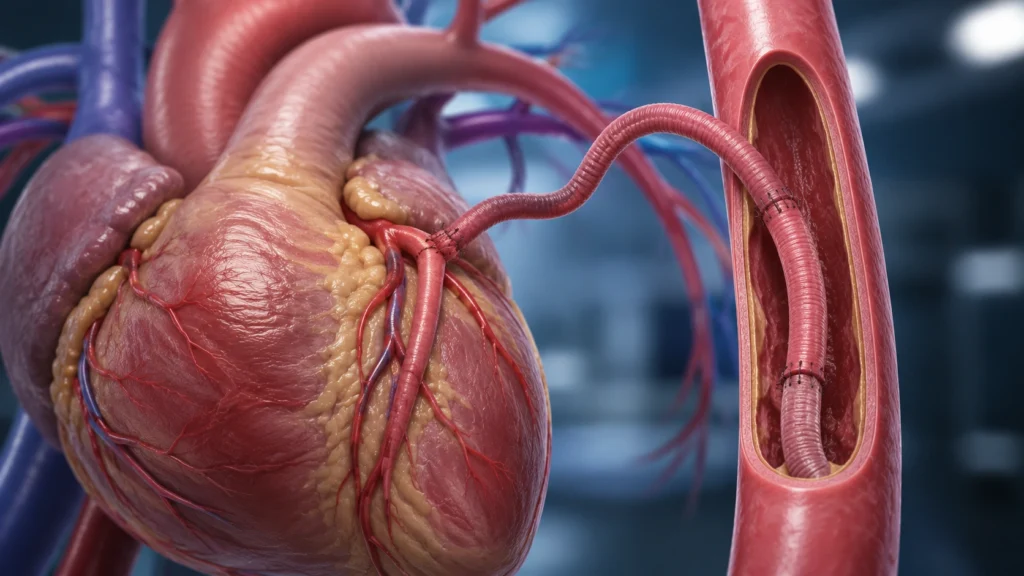
CABG surgery is performed to bypass the blocked part of the coronary artery. The surgeon uses a healthy blood vessel, called a graft, from another part of the body and connects it to the coronary artery beyond the blockage. This creates a new pathway for blood to flow to the heart muscle. In simple terms, the surgery gives the heart a fresh route for circulation.
CABG is often recommended when the blockages are severe, when there are multiple affected arteries, when the left main coronary artery is involved, or when stenting is not the best option. For many patients, it offers long-term relief from symptoms and better protection against future cardiac problems.
At Rama Hospital, CABG treatment is delivered through a multidisciplinary cardiac team that includes cardiologists, cardiac surgeons, anesthesiologists, critical care specialists, and rehabilitation support. This helps ensure that the patient receives the right care before, during, and after surgery.
CABG stands for coronary artery bypass grafting. It is a surgical procedure used to improve blood flow to the heart when the coronary arteries are blocked or severely narrowed.
The word “bypass” means creating a new route around the blocked artery. The word “grafting” means using a healthy blood vessel from the body to make that new route. The graft is connected in such a way that blood can move from the main circulation into the coronary artery beyond the blockage.
CABG is one of the best-known treatments for advanced coronary artery disease. It is not a cure for atherosclerosis, but it does relieve the effect of the blockage and helps the heart get the blood supply it needs.
CABG is also commonly referred to as:
CABG is not needed by every person with heart disease. It is usually recommended when the coronary artery disease is more advanced, more complex, or less suitable for other treatments such as medicines alone or angioplasty with stenting. CABG may also be chosen when the long-term benefit is expected to be greater than stenting. This is especially true in patients with complex anatomy or disease affecting several major vessels.
A cardiologist may recommend CABG if the patient has:
CABG is performed to restore blood flow to the heart muscle. When blood flow is reduced, the heart may not get enough oxygen, which causes symptoms and raises the risk of serious events. CABG is especially valuable when the coronary arteries are too damaged or too widely affected for one short intervention to be enough. It creates a longer-lasting improvement in blood supply for the areas of the heart that need it most.
The main reasons CABG may be done include:
CABG surgery is not the same for everyone. The type of surgery depends on the number of blocked arteries, the patient’s overall health, and the surgeon’s recommendation.
The most commonly performed type of bypass surgery.
Also called beating-heart bypass surgery.
A less invasive approach to bypass surgery.
The type depends on how many arteries are blocked.
CABG does not treat the cause of plaque formation directly. It treats the blocked circulation caused by the disease. That is why it is important to understand the underlying reasons coronary arteries become diseased.
The most common causes and risk factors include:
These factors can cause plaque to build up inside the arteries over many years. As the plaque hardens and thickens, the artery becomes narrower and blood flow becomes restricted. When the narrowing becomes severe, the heart may not get enough oxygen, especially during exertion.
In some patients, multiple risk factors are present at the same time. This increases the severity of coronary artery disease and may make CABG more appropriate than stenting or medicines alone.
Coronary artery disease may develop slowly, and the symptoms can vary from mild to severe. Some patients experience clear warning signs, while others may not know they have serious artery disease until testing shows it. Some people, especially those with diabetes, may have less typical symptoms or even silent disease. This makes regular cardiac evaluation very important in high-risk patients.
If the symptoms are severe, repeated, or worsening, surgery may be considered as part of a long-term treatment strategy.
Common symptoms include:
CABG is not decided based on symptoms alone. Doctors usually combine clinical examination, heart testing, and imaging before recommending surgery. Coronary angiography is especially important because it shows how many arteries are blocked, where the blockages are located, and how severe they are. This helps the heart team decide whether CABG or another treatment is the better option.
The diagnostic process often includes:
When the disease is complex, CABG often gives a more complete and durable solution than a short-term intervention. That is why it remains a major treatment option in advanced coronary disease. Choosing CABG is not just a surgical decision. It is a treatment planning decision that depends on several things:
Many patients want to know how CABG compares with angioplasty and stenting. Both are important heart treatments, but they are used in different situations.
The best treatment depends on your condition. Factors like the number of blocked arteries, your overall health, and the severity of the blockage help your doctor decide whether CABG surgery or stenting is the right option for you.
| Feature | CABG Surgery | Stenting |
| Method | Creates a new route around the blocked artery. | Opens the blocked artery from inside using a balloon and stent. |
| Best for | Multiple blockages, left main disease, or complex coronary disease. | Selected blockages in suitable artery segments. |
| Invasiveness | Major surgery, often with chest incision. | Less invasive, done through a catheter. |
| Recovery | Longer recovery period. | Faster early recovery in many cases. |
| Durability | Often preferred for long-term benefit in complex disease. | May need repeat treatment in some patients. |
| Decision basis | Detailed surgical and cardiology assessment. | Angiography findings and lesion suitability. |
| Topic | Details |
| Full form | Coronary Artery Bypass Grafting |
| Purpose | Restore blood flow to the heart by bypassing blocked arteries |
| Main use | Severe coronary artery disease, complex blockages, left main disease |
| Common grafts | Vein or artery from the leg, chest, or arm |
| Setting | Hospital-based cardiac surgery with ICU support |
| Recovery | Gradual recovery over days, weeks, and months |
Before CABG, the patient is prepared carefully to reduce risk and ensure the best possible outcome. This stage is very important because surgery success depends partly on what happens before the operating room. Patients may also be advised to stop certain medicines temporarily depending on the doctor’s plan. The surgical team explains all the necessary steps clearly so the patient and family know what to expect.
Preparation may include:
CABG surgery is a complex but well-established operation. The exact surgical method may vary, but the overall approach follows a structured sequence.
Step 1: Anesthesia and surgical setup
Step 2: Chest access
Step 3: Graft harvest
Step 4: Bypass creation
Step 5: Additional grafts if needed
Step 6: Heart function check
Step 7: Closure
Step 8: ICU recovery
Step 9: Early mobilization
The choice of graft matters because long-term bypass success depends on how well the graft functions.
The surgeon selects the graft based on the patient’s anatomy, the location of the blockage, and the expected durability of the bypass. Different grafts may be used together in one operation.
| Graft Type | Common Source | Why It May Be Used |
| Vein graft | Leg vein | Common and easy to harvest |
| Artery graft | Chest artery | Often provides strong long-term flow |
| Arm artery graft | Arm vessel | Selected in suitable patients |
CABG offers important benefits for people with severe coronary artery disease. The most important benefit is improved blood flow to the heart muscle, which can relieve symptoms and support heart function.
The benefits may include:
CABG is a major surgical procedure, and like all major surgery it carries some risks. These risks vary from patient to patient based on age, heart condition, kidney health, diabetes, lung disease, and general fitness.
Possible complications include:
Recovery after CABG is a gradual process. Most patients go through early ICU recovery, then hospital recovery, and finally home recovery. Full recovery may take time, especially after open chest surgery.
In-hospital recovery
Home recovery
Long-term recovery
| Recovery Stage | What Usually Happens |
| First few days | ICU and hospital monitoring, pain control, early breathing and movement support |
| First 2 weeks | Wound healing, fatigue reduction, gradual walking, home care routine |
| 2 to 6 weeks | Strength improvement, more activity, continued follow-up |
| 6 weeks and beyond | Return to many normal activities based on doctor advice |
A successful recovery depends on what the patient does after surgery as much as on the operation itself. Patients who follow these steps usually recover with more confidence and fewer complications. A structured recovery plan also helps patients return to daily life more smoothly.
Helpful tips include:
Diet is a major part of long-term heart care. After bypass surgery, patients are usually encouraged to follow a balanced, heart-friendly diet. A heart-healthy diet helps support recovery, manage weight, control cholesterol, and reduce future artery disease risk.
General dietary guidance may include:
Cardiac rehabilitation is an important part of CABG recovery for many patients. It is a supervised program that helps patients regain strength, improve confidence, and rebuild heart fitness.
This kind of support is valuable because CABG treats the blockage, but long-term success also depends on the patient’s habits and follow-up care.
Cardiac rehabilitation may include:
Choosing the right hospital is a major part of the CABG journey. Patients want skilled surgeons, a strong critical care team, clear communication, and safe recovery support.
Rama Hospital is positioned to support patients with:
Urgent medical care is needed if chest pain is severe, persistent, or accompanied by sweating, nausea, fainting, or severe breathlessness. These symptoms can signal a medical emergency and should never be ignored.
A person should see a cardiologist if they have:
Yes, CABG is a major heart surgery. It is usually done in the hospital with a full cardiac team, ICU monitoring, and structured recovery support. Because it is major surgery, pre-operative planning and post-operative care are very important.
The surgery often takes several hours, depending on the number of bypasses and the complexity of the blockages. The full hospital process includes preparation, surgery, ICU stay, and recovery time before discharge.
Some pain and discomfort are expected after surgery, especially around the chest incision. Doctors usually provide pain relief and recovery guidance so the patient can breathe, move, and heal more comfortably.
Many patients feel better after recovery because blood flow to the heart improves. Chest pain, breathlessness, and tiredness often reduce when the heart gets better circulation and the blockage is bypassed.
It depends on the disease pattern. CABG is often preferred for complex or multiple blockages, while stenting may be better for selected less complex cases. The heart team decides based on angiography and clinical findings.
Hospital stay varies by patient, surgery type, and recovery speed. Most patients spend time in ICU first and then stay in the hospital until they are stable enough for discharge.
Yes, CABG can be performed in older adults if they are medically fit and surgery is considered beneficial. Age alone does not decide the treatment; overall health and heart disease severity matter more.
Yes, patients usually continue medicines for heart protection, blood pressure, cholesterol, and sometimes diabetes or rhythm control. Medicines are an important part of long-term recovery and prevention.
CABG surgery remains one of the most important treatments for severe coronary artery disease, especially when blockages are multiple, complex, or not suitable for simpler procedures. By creating a new route for blood to reach the heart, bypass surgery can reduce symptoms, improve circulation, and support long-term heart health in appropriately selected patients.
For many people, the decision to undergo CABG comes after a long period of worry, chest pain, fatigue, or repeated heart tests. That is why a clear, trustworthy, and medically detailed hospital page matters. Patients want to know what the operation is, why it is needed, how it is performed, what recovery looks like, and which hospital can guide them safely through the process.
At Rama Hospital, CABG surgery is approached as a complete care journey rather than a single operation. From diagnosis and surgical planning to ICU monitoring, recovery support, and follow-up care, the goal is to help patients move from blocked arteries to better circulation and a better quality of life.

Coronary artery bypass grafting (CABG), also known as heart bypass surgery, is a procedure to restore blood flow to areas of your heart.
No rows found.