
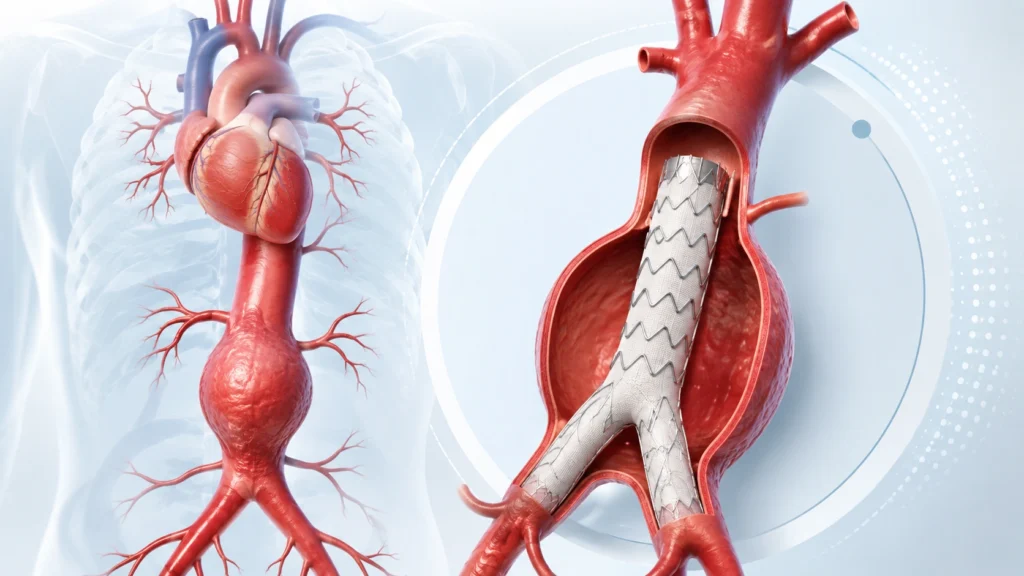
The aorta carries oxygen-rich blood from the heart to the rest of the body. Because it is such a vital vessel, any weakness in its wall can become life-threatening. An aortic aneurysm is an abnormal enlargement or ballooning of part of the aorta, and in some patients it can continue to enlarge silently until it becomes dangerous. [aortic aneurysm repair is a major vascular procedure used to treat a dangerous weakening or bulging in the aorta]
Many aortic aneurysms do not cause symptoms in the early stages. This is why they are sometimes discovered during imaging tests done for other reasons. When an aneurysm becomes large enough, starts growing faster, or causes pain or pressure symptoms, surgery may be recommended to avoid rupture. A rupture of the aorta can lead to severe internal bleeding and is a medical emergency.
Aortic surgery for aneurysm repair may involve open surgery or endovascular repair depending on the type and location of the aneurysm. The treatment approach is individualized and depends on whether the aneurysm is in the abdominal aorta, thoracic aorta, or another segment of the vessel. A detailed vascular evaluation helps determine the safest repair strategy for each patient.
At Rama Hospital, the care pathway for aneurysm repair includes diagnostic imaging, pre-surgical planning, surgical treatment, ICU support if needed, and long-term follow-up. This makes the treatment journey more structured, safer, and easier for patients and families to understand.
An aortic aneurysm is a bulge or enlargement in the wall of the aorta. It happens when the wall becomes weak and starts to stretch outward. Over time, the aneurysm can get bigger, and the larger it becomes, the greater the risk that it may rupture or dissect.
The aorta is the largest blood vessel in the body, so an aneurysm in this artery is not a minor problem. It needs close medical attention because even if the patient feels fine, the aneurysm may still be silently increasing in size.
There are different types of aortic aneurysms based on where they occur:
Some aneurysms are fusiform, which means the artery bulges evenly around the full circumference. Others are saccular, meaning the bulge is more localized on one side. The shape, size, and site of the aneurysm all affect the treatment plan.
Aortic surgery is not required for every aneurysm. Small aneurysms may simply need monitoring and risk-factor control. Surgery is usually recommended when the aneurysm reaches a size or behavior that makes rupture more likely.
You may need aortic aneurysm repair if:
Some patients need emergency surgery if the aneurysm has ruptured or is leaking. Others may need planned surgery when the aneurysm is discovered early but is already beyond the safe observation range. The timing of surgery is decided by the vascular surgeon after reviewing imaging and overall health status.
An aortic aneurysm can remain silent for a long time, which makes it especially dangerous. The patient may have no obvious symptoms until the aneurysm becomes very large or begins to leak. Because of these risks, the goal of treatment is to repair the aneurysm before rupture happens. Preventive surgery, when appropriately timed, is often safer than waiting for an emergency.
The main dangers include:
There are two major approaches to aortic aneurysm repair. The choice depends on the aneurysm location, anatomy, patient fitness, and surgical planning.
These different aneurysm types do not all behave the same way, so treatment planning must always be individualized.
| Aneurysm Type | Location | Common Treatment Considerations |
| Abdominal Aortic Aneurysm (AAA) | Below the diaphragm in the abdomen | Open surgery or endovascular repair depending on anatomy and size. |
| Thoracic Aortic Aneurysm | In the chest portion of the aorta | Open or endovascular repair depending on site and branch involvement. |
| Thoracoabdominal Aneurysm | Extends from chest into abdomen | Often more complex and may need advanced surgical planning. |
| Ascending Aortic Aneurysm | Near the heart | Usually managed by specialized cardiac or vascular surgical teams. |
Aortic aneurysms develop when the aortic wall weakens over time. This weakness may be related to aging, pressure inside the vessel, inherited conditions, or long-term medical problems. These risk factors matter because aneurysm repair is not only about surgery. It also includes long-term prevention of future vascular damage.
Common causes and risk factors include:
Many patients do not have symptoms until the aneurysm becomes large. When symptoms do appear, they may vary depending on whether the aneurysm is in the abdomen or chest. Some symptoms are emergency warning signs. Sudden severe back pain, fainting, collapse, or shock symptoms can indicate rupture and need immediate medical care.
Possible symptoms include:
The diagnosis process aims to find the exact size, site, shape, and risk level of the aneurysm. It also helps determine whether surgery is needed right away or whether monitoring is still safe. The imaging findings guide the surgeon in choosing open repair, endovascular repair, or continued observation. The growth rate of the aneurysm is also very important.
Common tests include:
| Evaluation Step | Why It Matters |
| Imaging size assessment | Determines how large the aneurysm is and how urgent surgery may be. |
| Location assessment | Helps identify abdominal, thoracic, or complex thoracoabdominal disease. |
| Growth monitoring | Faster enlargement increases rupture risk. |
| Symptom review | Pain or pressure symptoms may mean the aneurysm is becoming unstable. |
| Fitness assessment | Helps decide whether the patient can safely undergo open or endovascular repair. |
Surgery is considered when the risk of aneurysm rupture becomes greater than the risk of surgery. This balance is based on imaging, symptoms, growth, and patient condition. The final recommendation is always made after specialist review. In some patients, early intervention is safer than waiting.
Surgery is often recommended when:
If the aneurysm is small and not yet in the surgical range, doctors may use non-surgical management and surveillance. This does not fix the aneurysm, but it can reduce risk and delay progression. This approach is very important in patients with smaller aneurysms, as careful monitoring can detect changes before rupture risk rises.
Non-surgical care may include:
Open aortic surgery is a major procedure and is often used when the aneurysm is complex, large, or not suitable for endovascular repair. It is performed in a fully equipped hospital with anesthesia, surgical, and intensive care support.
Here are the key steps in open aortic aneurysm repair with more detailed pointers:
Pre-op assessment
Intra-operative steps
Post-op steps
Endovascular repair is less invasive than open surgery and may be used in selected cases. The surgeon inserts a stent-graft through the blood vessels, often using the arteries in the groin, and positions it inside the aneurysm to strengthen the vessel wall from within. Endovascular repair is not suitable for every aneurysm, especially when branch vessels, complex shapes, or extensive disease are involved.
This approach may be considered when:
| Feature | Open Repair | Endovascular Repair |
| Access | Chest or abdominal incision | Through blood vessels, usually groin access |
| Invasiveness | Major surgery | Less invasive |
| Recovery | Longer hospital and recovery time | Often faster recovery in selected patients |
| Best for | Complex, large, or unsuitable aneurysms | Anatomically suitable aneurysms |
| Graft placement | Direct surgical graft replacement | Stent-graft placed inside the aorta |
Aortic aneurysm repair offers major safety benefits when the aneurysm is at significant risk of rupture. The main goal is to prevent a catastrophic vascular emergency. For many patients, surgery is the most effective way to prevent aortic catastrophe.
Benefits include:
Aortic surgery is a major operation, so the risks must be explained clearly. The exact risk depends on aneurysm location, patient age, medical history, and surgical complexity. The surgical team works to reduce these risks through careful planning, monitoring, and post-operative care.
Possible risks include:
Recovery depends on whether the patient had open repair or endovascular repair. Open surgery usually requires a longer hospital stay and more gradual return to normal activity. Recovery may take weeks to months, especially after open surgery. Many patients need regular follow-up to make sure the graft is functioning well and the rest of the aorta is stable.
Early recovery
Later recovery
A good recovery depends on careful adherence to medical advice. Patients and families should treat recovery as a gradual process, not a quick return to full activity.
Helpful tips include:
Some patients need more careful planning because they have a higher risk of complications. This does not mean surgery cannot be done, but it means the team must prepare more carefully. In such cases, the hospital may recommend additional tests, specialist clearance, and closer monitoring.
Higher-risk patients may include:
Rama Hospital provides structured vascular care for patients with aortic aneurysm and other complex vessel problems. The treatment plan is designed around safety, accuracy, and long-term follow-up. This positions Rama Hospital as a trusted center for aortic aneurysm repair, aortic surgery, vascular surgery, and aneurysm treatment in Delhi.
Why patients choose Rama Hospital:
You should see a doctor if:
It is surgery used to treat a weakened or bulging aorta. The repair helps prevent rupture and restores vessel strength.
Yes, especially open repair. It is a major vascular operation and needs careful planning, monitoring, and recovery support.
They look at aneurysm size, location, growth rate, symptoms, and the patient’s overall medical condition. Surgery is recommended when rupture risk becomes significant.
Not always. Endovascular repair is less invasive and suitable for selected patients, while open surgery may be needed for complex aneurysms or unsuitable anatomy.
Recovery depends on the procedure and patient health. Open surgery usually takes longer, while endovascular repair may allow quicker recovery in selected cases.
Small aneurysms may be monitored with medicines and imaging. If the aneurysm becomes large, symptomatic, or unstable, surgery is often recommended.
Aortic aneurysm repair is a life-saving treatment for patients whose aorta has become dangerously enlarged or unstable. Whether the repair is done through open surgery or an endovascular approach, the purpose is the same: prevent rupture, protect blood flow, and reduce the risk of a medical emergency.
At Rama Hospital, aortic surgery is planned with detailed imaging review, specialist input, and focused recovery support so patients receive safe and organized care.
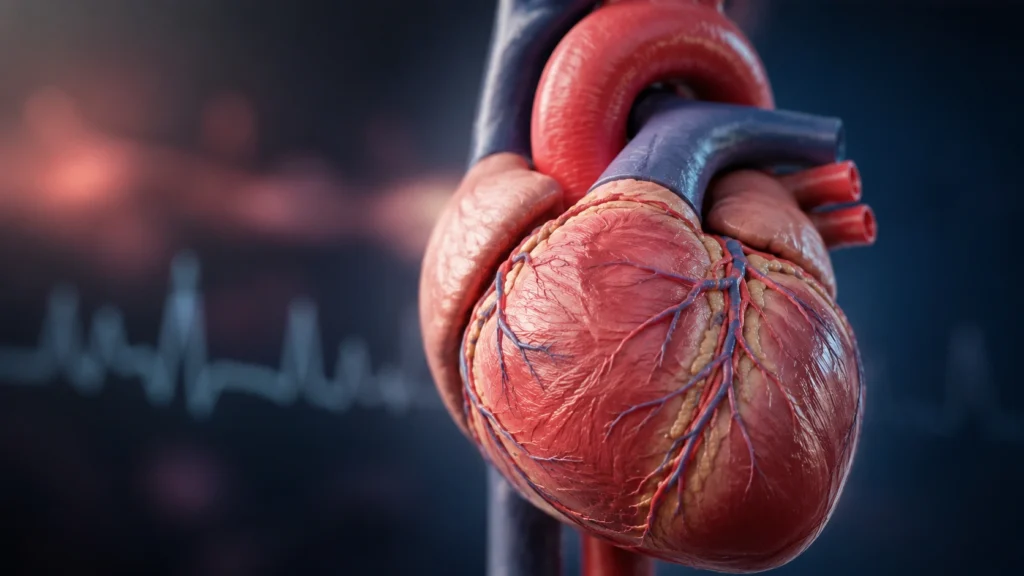

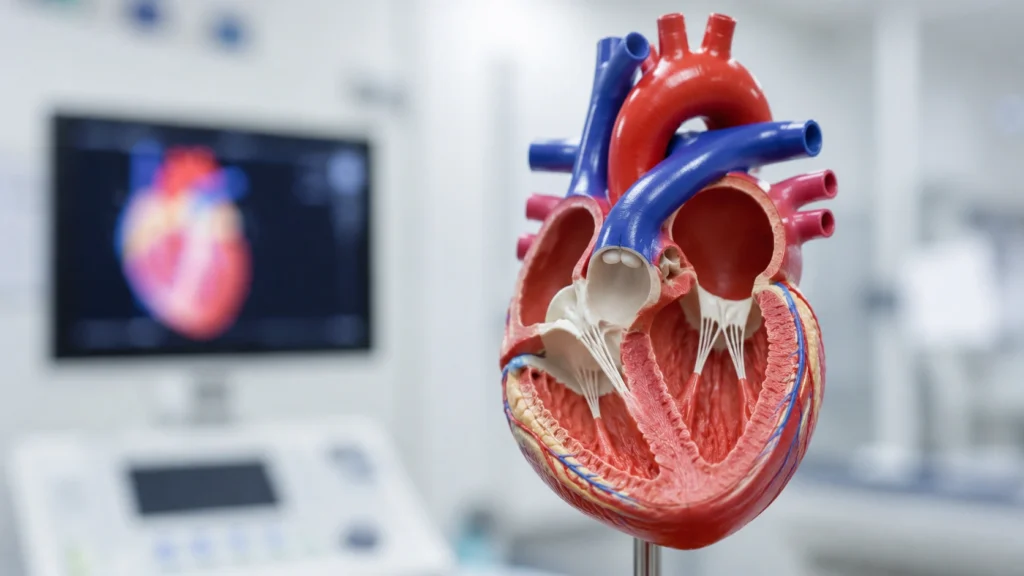
Aorta surgery treats issues with your body’s largest artery (your aorta). Surgery can repair a stretched aorta that’s in danger of breaking (an aneurysm).
No rows found.