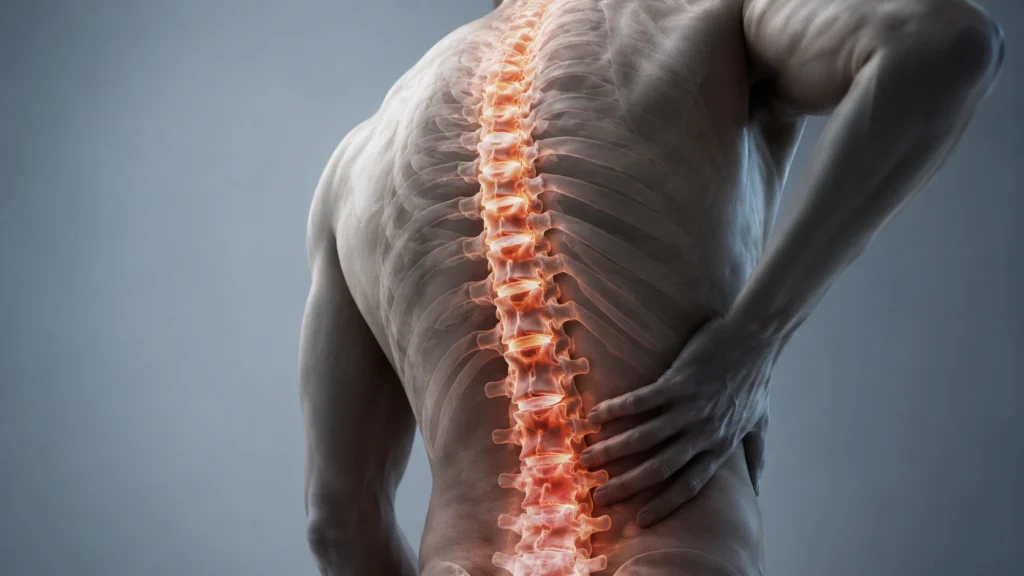
Back pain is common, but not all back pain is the same.
Many people assume pain in the lower back comes from posture, heavy lifting, long sitting hours, or a minor muscle strain. In many cases, that is true. But when back pain starts young, lasts for months, feels worse in the morning, and improves with movement, it may point to a more serious inflammatory condition called “ankylosing spondylitis.”
Ankylosing spondylitis, also called “AS,” is a chronic inflammatory disease that mainly affects the spine and sacroiliac joints. These are the joints where the lower spine connects to the pelvis. Over time, ongoing inflammation can cause stiffness, pain, reduced flexibility, and in some cases, fusion of the spine. That is why early diagnosis is so important.
This condition page explains what ankylosing spondylitis is, who is at risk, what symptoms to watch for, how it is diagnosed, and what treatment options are available. It also covers supportive treatments such as physiotherapy, biologics, injections, and surgery when needed. For patients and families, the goal is simple: to understand the condition early and get the right care before long-term damage happens.
Ankylosing spondylitis is a long-term inflammatory disease that primarily affects the spine, sacroiliac joints, and sometimes other joints and organs. It belongs to a group of conditions known as “spondyloarthritis,” which are immune-related inflammatory disorders.
The disease usually begins with inflammation in the lower back or pelvis. In some patients, the symptoms stay limited to pain and stiffness. In others, the inflammation leads to new bone formation, loss of spinal movement, and eventually spinal fusion. In advanced cases, the spine may become rigid and bent forward.
Unlike ordinary mechanical back pain, ankylosing spondylitis often improves with exercise and worsens with rest. It commonly starts before the age of 45, and many people notice symptoms in their teens, twenties, or thirties.
| Feature | Description |
| Main area affected | Spine and sacroiliac joints |
| Typical age of onset | Usually before 45 years |
| Common symptom pattern | Morning stiffness, inflammatory back pain |
| Type of disease | Chronic inflammatory / autoimmune condition |
| Possible complications | Spinal stiffness, hip pain, eye inflammation, posture changes |
| Common genetic marker | HLA-B27 in many patients |
Ankylosing spondylitis can present in different ways. Some patients have classic spine involvement, while others may have early disease or related inflammatory patterns.
| Type | Description | Common feature |
| Radiographic Ankylosing Spondylitis | Changes are visible on the X-ray. | Sacroiliac joint damage, spinal changes |
| Non-radiographic axial spondyloarthritis | Early disease without clear X-ray changes | MRI may show inflammation |
| Axial spondyloarthritis | Broad term for inflammatory spine disease | Lower back and pelvic pain |
| Peripheral spondyloarthritis | Affects limbs more than the spine | Knee, ankle, heel, or elbow pain |
| Enthesitis-related disease | Inflammation at tendon attachment sites | Heel pain, tendon pain |
| Associated spondyloarthritis | Linked with psoriasis, bowel disease, or eye inflammation | Wider systemic involvement |
Understanding the type helps the doctor choose the right investigation and treatment plan. Some patients need MRI even when X-rays look normal, especially in the early stages.
Ankylosing spondylitis can affect both men and women, though it is often diagnosed more often in men. It is especially important to consider young adults who have chronic back pain that does not behave like ordinary back pain.
The condition is often missed because early symptoms are mistaken for posture problems, muscle strain, or disc issues. That delay can allow the disease to progress.
The exact cause of ankylosing spondylitis is not fully known. It is believed to result from a combination of genetic, immune, and environmental factors.
| Factor | Role in the disease |
| HLA-B27 gene | Strong genetic link in many patients |
| Immune system dysfunction | Causes inflammation in joints and spine |
| Family history | Raises the risk |
| Male sex | More common, though women are also affected |
| Other autoimmune diseases | Psoriasis, bowel disease, and uveitis may coexist |
| Smoking | May worsen inflammation and progression |
Having HLA-B27 does not mean a person will definitely develop ankylosing spondylitis. It only increases the risk. Diagnosis depends on symptoms, physical examination, imaging, and specialist review.
Symptoms usually begin slowly and may seem minor at first. Because of that, many people delay medical care.
This pattern is very different from ordinary mechanical back pain. That is why persistent lower back pain in a young person should not be ignored.
Diagnosis is based on symptoms, examination, blood tests, and imaging. There is no single test that confirms every case.
The earlier the disease is identified, the more can be done to protect the spine and quality of life.
| Benefit of early diagnosis | Result |
| Earlier treatment | Better symptom control |
| Lower inflammation | Less joint damage |
| Better mobility | Improved daily functioning |
| Reduced fusion risk | Helps preserve spinal movement |
| Faster specialist care | Better long-term outcome |
Treatment depends on symptom severity, disease activity, and whether other joints or organs are involved. In most patients, treatment includes a mix of medication, physiotherapy, exercise, and long-term monitoring.
Physiotherapy is one of the most important parts of treatment. It helps preserve spinal movement, posture, and flexibility.
Regular movement is essential because complete rest can make stiffness worse. A structured exercise plan is often just as important as medication.
Non-steroidal anti-inflammatory drugs, or NSAIDs, are often the first medicines used.
These medicines help reduce pain and stiffness, especially in early disease. They are usually used under medical supervision because long-term use may affect the stomach, kidneys, or heart in some patients.
Some patients need additional medicines if symptoms do not improve enough with NSAIDs.
These medicines may help depending on the disease pattern, but they are not always highly effective for spinal symptoms.
Biologics are one of the most important modern treatments for ankylosing spondylitis. They target specific inflammatory pathways in the immune system.
Biologics may be recommended when disease activity remains high or when NSAIDs do not provide enough relief. These medicines can improve pain, sleep, stiffness, and daily function.
In some patients, local steroid injections may help reduce inflammation in painful joints such as the sacroiliac joint or other affected areas. These are not the main long-term treatments but may give targeted relief.
Surgery is not required for most patients, but it may be necessary in advanced or complicated disease.
Surgery is usually considered only when medication and rehabilitation are no longer enough to maintain function or relieve pain.
Since many patients search for broader care options, it helps to include supportive treatments that may be used along with standard medical care.
The main goal is not just pain relief. It is to preserve movement, reduce complications, and protect long-term health.
Early and regular treatment can make a major difference in quality of life.
A strong condition page should not only explain the disease, but it should also show why the hospital is a trusted place for care.
It is important to seek medical care if back pain follows a pattern that suggests inflammation rather than strain.
Patients should not assume chronic back pain is always posture-related. When the symptom pattern fits inflammation, specialist review is important.
If ankylosing spondylitis is not treated, inflammation can continue silently for years.
The earlier the disease is controlled, the more can be done to protect the spine and preserve long-term function.
Medical treatment works best when combined with healthy daily habits. Small daily habits can support long-term control and improve response to treatment.
No, it is usually a chronic condition, but it can be well controlled with treatment.
Yes. Most patients do not need surgery and improve with medicines, physiotherapy, and biologics.
There is a strong genetic link, especially with HLA-B27, but it does not mean every family member will develop it.
Yes. Women can develop it too, though it is sometimes underdiagnosed.
Yes. Regular movement and physiotherapy are some of the most important parts of treatment.
MRI of the sacroiliac joints is very useful when X-rays are still normal.
They are commonly used under specialist supervision and can be very effective when monitored properly.
If you have chronic back pain under age 45 with morning stiffness and pain that improves with movement, specialist review is important.
Ankylosing spondylitis is not just a simple back problem. It is a chronic inflammatory disease that can gradually affect the spine, hips, eyes, and overall quality of life if ignored. The good news is that modern diagnosis and treatment can control symptoms effectively and reduce the risk of long-term damage.
The most important step is early recognition. A young person with persistent inflammatory back pain should not be dismissed as having routine muscle pain. With proper diagnosis, the right medicines, physiotherapy, and specialist monitoring, many patients can live active and productive lives.
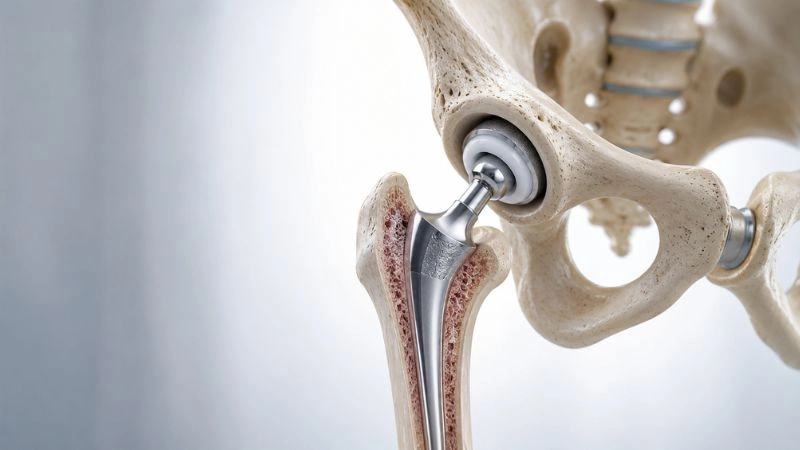

As ankylosing spondylitis progresses, the body forms new bone in an effort to heal inflamed areas.
Ankylosing spondylitis (AS) is a type of arthritis that affects the joints in your spine. It usually develops in your sacroiliac joints (where the bottom of your spine joins your pelvis).
Ankylosing spondylitis (AS) is a type of arthritis that causes inflammation in certain parts of the spine.
Ankylosing spondylitis (AS) is a type of arthritis of the spine. It causes inflammation (swelling) between your vertebrae (the bones that make up your spine) and the joints between your spine and pelvis.
No rows found.