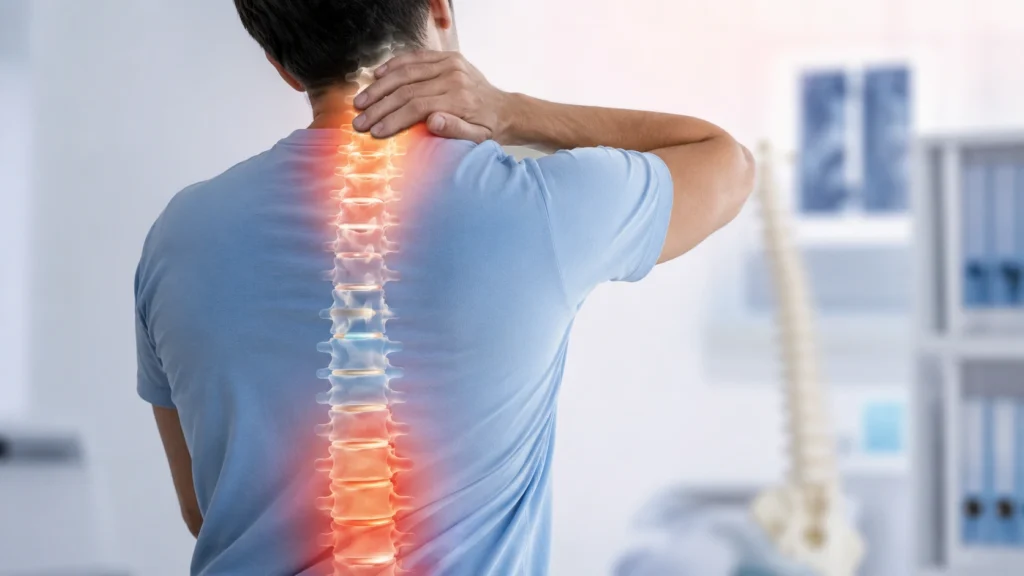
Back and neck pain are among the most common reasons people visit a doctor. In many cases, the pain starts slowly, becomes part of daily life, and is ignored until it begins affecting sleep, movement, work, or quality of life. One of the most common reasons for this kind of pain is spondylosis.
Cervical spondylosis affects the neck region, while lumbar spondylosis affects the lower back. Both are age-related wear-and-tear conditions that involve the spine, discs, joints, and surrounding soft tissues. Over time, the natural cushioning between the bones of the spine may reduce, the joints may become stiff, and bone spurs may form. This can cause pain, stiffness, numbness, tingling, weakness, or reduced movement depending on which part of the spine is affected.
Many people think spondylosis is only a problem in older age. While it is more common with aging, it can also appear earlier in people who sit for long hours, have poor posture, do repetitive work, lift heavy weights incorrectly, or already have degenerative changes in the spine. In some patients, it stays mild for years. In others, it gradually becomes severe enough to interfere with walking, driving, working on computers, or even turning the head comfortably.
Spondylosis is a general term used for degenerative changes in the spine. It usually refers to age-related wear and tear affecting the vertebrae, discs, ligaments, and facet joints. When this happens in the neck, it is called cervical spondylosis. When it happens in the lower back, it is called lumbar spondylosis.
The spine is made up of bones called vertebrae, and between them are soft discs that act like cushions. These discs absorb shock and help the spine move smoothly. As we age, these discs lose water content, become thinner, and may stop functioning as well as they used to. The joints may become stiff, the ligaments may thicken, and the body may react by forming extra bone, known as osteophytes or bone spurs. These changes can narrow the spaces where nerves exit the spine and may lead to pain or nerve compression.
Cervical spondylosis affects the neck and may cause neck pain, stiffness, headaches, shoulder pain, or numbness and weakness in the arms and hands. Lumbar spondylosis affects the lower back and may cause low back pain, muscle stiffness, pain radiating into the legs, or difficulty standing and walking for long periods.
The condition may be mild and manageable in many people, but it should not be dismissed as simple age-related discomfort. In some cases, spondylosis can progress and start affecting daily function, sleep, posture, and overall mobility.
Spondylosis can affect different parts of the spine, and the symptoms depend on the area involved and the severity of degeneration.
Affects the neck and is a common cause of neck discomfort, especially with age.
This affects the lower back and is one of the most common causes of chronic back pain.
Affects the middle part of the spine and is less common than neck or lower back spondylosis.
Occurs when wear and tear affect more than one section of the spine.
When spinal changes put pressure on nearby nerves, symptoms can become more severe.
Spondylosis develops gradually over time. It is not usually caused by one single event. Instead, it results from a combination of aging, mechanical stress, posture, and lifestyle factors.
In many patients, the spine begins to show degenerative changes much earlier than expected because of modern lifestyle habits. Long hours at a desk, a forward head posture, slouched sitting, and lack of exercise can all contribute to pain and stiffness even in relatively younger adults.
Cervical spondylosis symptoms vary depending on whether the condition is mild or whether it is compressing nearby nerves.
Cervical spondylosis may also lead to discomfort while driving, especially when turning the head to check traffic. Some people notice symptoms after waking up or after long hours of computer work. In severe cases, nerve or spinal cord involvement can affect function and should be evaluated promptly.
Lumbar spondylosis affects the lower back and is a frequent cause of long-term back discomfort.
Lumbar spondylosis can sometimes coexist with disc degeneration, spinal canal narrowing, or facet joint arthritis. When that happens, symptoms may become more persistent and more likely to affect daily routines such as walking, lifting, or sitting at work.
Diagnosis begins with a careful history and physical examination. Doctors ask where the pain is located, what makes it worse, how long it has been present, and whether there are nerve-related symptoms such as numbness, tingling, or weakness.
The doctor may check:
Imaging results should always be interpreted together with symptoms. Some people may have visible spinal changes on scans but no major pain. Others may have significant symptoms even when the changes appear mild. That is why the diagnosis is based on the full clinical picture rather than imaging alone.
Treatment depends on the severity of symptoms and whether nerves are compressed. Most people begin with non-surgical care, and many improve significantly with the right combination of treatment methods.
Doctors may prescribe medicines to reduce pain and muscle spasm. Medicines should always be taken only under medical guidance, especially in older patients or those with stomach, kidney, liver, or heart problems.
Physiotherapy is one of the most important parts of treatment. It helps reduce pain, improve mobility, and strengthen the muscles that support the spine. A well-designed physiotherapy program can improve symptoms significantly and also reduce recurrence.
Physiotherapy may include:
Regular exercise helps support the spine and prevent stiffness. Walking, gentle stretching, yoga, and strengthening exercises may be recommended depending on the patient’s condition. The exercise plan should be suited to the patient’s age, pain level, and spine condition. Overexertion or incorrect exercise can worsen symptoms, so a guided plan is better than random activity.
Exercise helps by:
These measures do not cure spondylosis, but they may help reduce symptoms and improve comfort. Some patients find relief with:
If pain is severe or persistent, doctors may recommend injections in selected cases. These procedures are not the first step for everyone, but they can be useful when pain is not responding to conservative treatment.
Possible options include:
Surgery is usually considered only when non-surgical treatment does not help or when there is significant nerve or spinal cord compression. Possible procedures may include decompression, laminectomy, discectomy, or spinal fusion depending on the condition. The exact procedure depends on the site and severity of the degeneration.
Surgery may be needed if there is:
Many patients with cervical or lumbar spondylosis also ask about additional care approaches. These may be useful when used as support, not as a replacement for medical treatment.
These measures may help with pain and stiffness, but they do not reverse degenerative changes. The main treatment remains a combination of exercise, physiotherapy, medicine, and specialist evaluation when needed. Some patients may benefit from supportive therapies such as:
Home care plays an important role in long-term control.
Lower back care focuses on reducing strain and supporting spinal health.
If untreated or poorly managed, spondylosis may lead to ongoing pain and disability in some patients. Severe cervical spondylosis can sometimes affect the spinal cord, which is a more serious condition. Severe lumbar disease can affect nerve function and daily mobility. This is why persistent symptoms should not be ignored.
Possible complications include:
Medical evaluation is important if pain is persistent or associated with nerve symptoms.
You should see a doctor if you have:
Rama Hospital offers specialist care for neck and back problems with a focus on accurate diagnosis, personalized treatment, and long-term pain relief. Patients benefit from a structured evaluation of symptoms, imaging support, medical treatment, physiotherapy guidance, and surgical care when required.
The advantage of hospital-based treatment is that patients do not receive only pain relief. They also get assessment for the underlying cause, severity, nerve involvement, and future risk. This helps create the right plan for each person rather than using a one-size-fits-all approach. For patients with chronic neck pain or lower back pain, early evaluation can help prevent worsening symptoms and improve function.
Care may include:
Cervical spondylosis affects the neck, while lumbar spondylosis affects the lower back. The symptoms differ depending on which part of the spine is involved, but both are caused by degeneration and wear-and-tear changes in the spine.
No, spondylosis is a broader degenerative condition of the spine, while a slip disc refers specifically to a problem with the spinal disc. However, both can occur together and may cause similar pain or nerve-related symptoms.
Spondylosis cannot usually be reversed completely because it is a degenerative condition. But symptoms can often be managed very well with medicines, exercise, physiotherapy, posture correction, and, in some cases, surgery.
No, most patients do not need surgery. Surgery is considered only when there is severe nerve compression, spinal cord involvement, or pain that does not improve with conservative treatment.
Yes, exercise is one of the most helpful treatments. Proper stretching, strengthening, walking, and physiotherapy can reduce stiffness, improve posture, and support the spine.
Aging is the most common cause, but not the only one. Poor posture, repetitive strain, obesity, injury, and sedentary habits can also contribute to early or worsening spondylosis.
Yes, it can. Some patients develop headaches that start from the neck and move upward toward the head, especially when the neck muscles and joints are stiff.
You should worry if back pain keeps returning, becomes severe, spreads to the legs, causes numbness or weakness, or affects walking or bladder function. These may indicate nerve involvement and need medical review.
Cervical and lumbar spondylosis are among the most common causes of chronic neck and back pain. While they are often linked to aging, they can also be influenced by posture, lifestyle, repetitive strain, and previous injury. Many patients live with the condition for years before seeking help, assuming it is just normal stiffness or routine back discomfort.
The good news is that spondylosis can often be managed effectively. With the right diagnosis, physiotherapy, exercise, posture correction, medicines, and timely specialist care, most patients can improve their pain and stay active. In more advanced cases, injections or surgery may be needed to restore function and relieve pressure on nerves.
The most important step is not to ignore persistent pain, numbness, or weakness. Early evaluation can make treatment simpler and outcomes better. At Rama Hospital, patients with cervical and lumbar spondylosis can receive comprehensive spine care designed to reduce pain, protect movement, and improve quality of life.
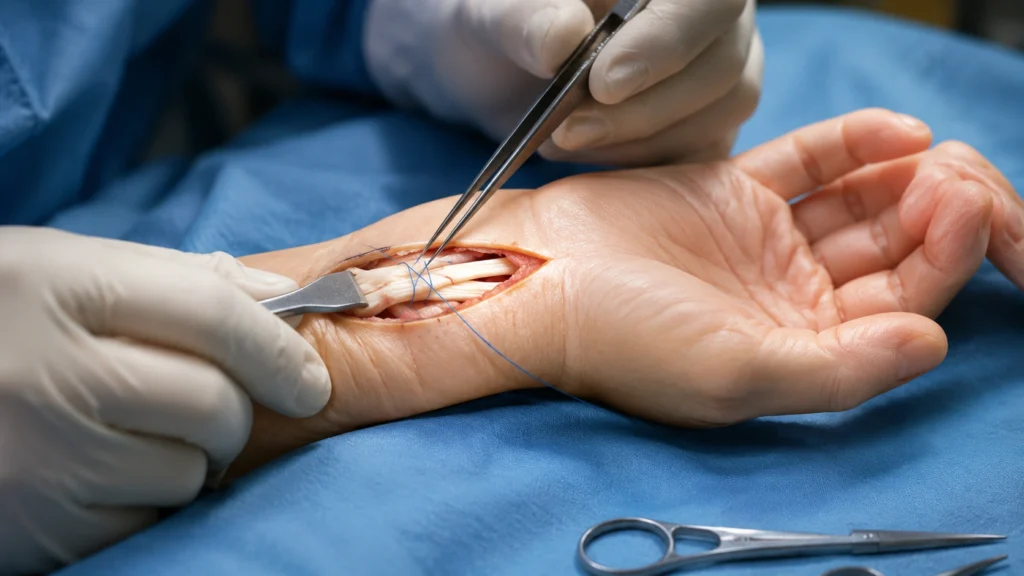
“Cervical spondylosis,” sometimes called arthritis of the neck, is a general term for wear and tear that affects the bones and disks in your neck.
No rows found.