
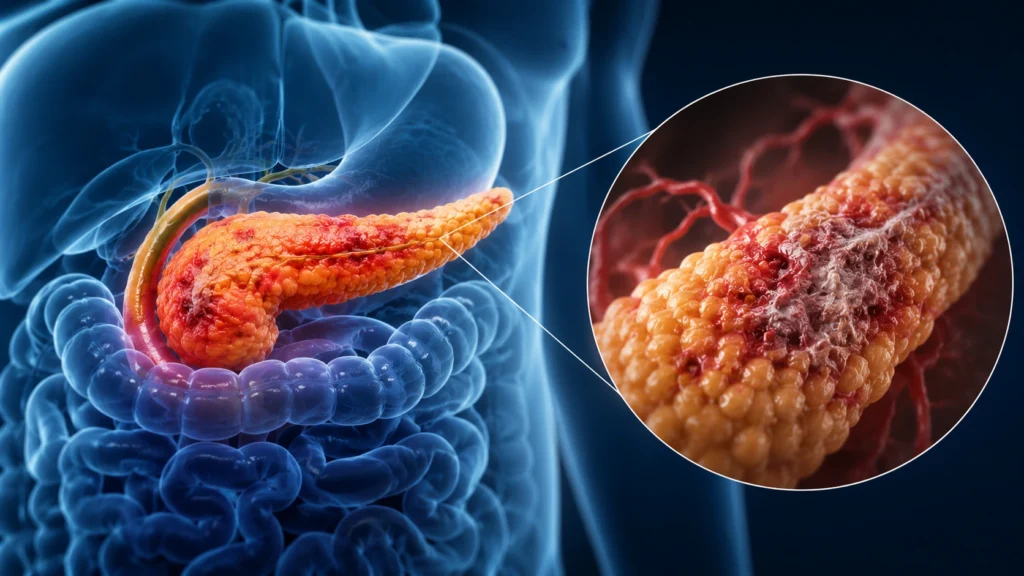
Pancreatitis is a condition that affects the pancreas, a small but very important organ located behind the stomach. The pancreas plays a major role in digestion and blood sugar control. It produces digestive enzymes that help break down food and hormones like insulin that regulate glucose levels in the body. When the pancreas becomes inflamed, the condition is known as pancreatitis. Depending on how quickly it develops and how long it lasts, it may be classified as acute pancreatitis or chronic pancreatitis.
Acute pancreatitis usually appears suddenly and may range from mild inflammation to a severe, life-threatening condition. Chronic pancreatitis, on the other hand, develops over a long period of time, often because of repeated attacks or ongoing damage to the pancreas. Over time, chronic inflammation can permanently affect the pancreas, leading to pain, digestive problems, malabsorption, weight loss, and diabetes.
Many people initially mistake pancreatitis for ordinary stomach pain or acidity. But pancreatitis can become dangerous quickly, especially when the inflammation spreads or the pancreas begins to lose function. That is why early diagnosis and proper treatment are so important. A patient with severe upper abdominal pain, vomiting, fever, or pain that spreads to the back should not ignore the symptoms.
Pancreatitis means inflammation of the pancreas. The pancreas is a gland that lies in the upper abdomen, behind the stomach and near the small intestine. It helps with digestion by producing enzymes that break down fats, proteins, and carbohydrates. It also produces insulin and other hormones that help balance blood sugar.
When the pancreas becomes inflamed, the digestive enzymes may begin to work inside the pancreas itself instead of in the intestines. This can damage the organ and cause swelling, pain, and sometimes serious complications. In severe cases, pancreatitis can affect nearby tissues, the bloodstream, and even other organs such as the lungs, kidneys, and heart.
In simple terms:
Pancreatitis may occur once as a sudden attack or may become a long-term recurring problem. Acute pancreatitis refers to a sudden episode that lasts for a short time, while chronic pancreatitis refers to repeated or long-standing inflammation that damages the gland over time.
Although both conditions involve inflammation of the pancreas, they are not the same in how they begin, progress, or affect the body.
Acute pancreatitis
Chronic pancreatitis
Why the distinction matters: Acute pancreatitis is often treated as an urgent medical problem, while chronic pancreatitis requires long-term disease control and support. Some patients experience both stages at different times, especially if the root cause is not treated.
Pancreatitis can happen for several different reasons. Some causes affect both acute and chronic forms, while others are more closely linked to long-term disease.
Common causes include:
Most common causes of acute pancreatitis
Most common causes of chronic pancreatitis
Risk factors that increase the chance of pancreatitis
The pancreas is supposed to release digestive enzymes only after food reaches the intestines. In pancreatitis, those enzymes can become active too early or the organ becomes inflamed due to another trigger. This leads to swelling, tissue injury, and pain.
In acute pancreatitis, the inflammation is sudden and may settle if the cause is removed and the pancreas is given time to recover. In chronic pancreatitis, repeated inflammation causes scarring, narrowing of ducts, calcification, and gradual loss of normal pancreatic tissue.
Over time, chronic damage can lead to:
This is why pancreatitis is not only a pain problem. It can also affect nutrition, metabolism, and overall health.
Acute pancreatitis often begins suddenly and can become severe quickly. Acute pancreatitis can range from mild inflammation to a medical emergency. Even if symptoms seem to improve after a few hours, the patient should still be evaluated if the pain is strong or unusual.
Common symptoms include:
Pain pattern in acute pancreatitis
Severe symptoms that need urgent care
Chronic pancreatitis often develops slowly. Some patients have occasional flare-ups, while others experience ongoing symptoms.
Common symptoms include:
Digestive symptoms in chronic disease
The pancreas may stop making enough enzymes to digest food properly. As a result:
Blood sugar issues in chronic pancreatitis
Because the pancreas also makes insulin, long-term damage can lead to diabetes. This may cause:
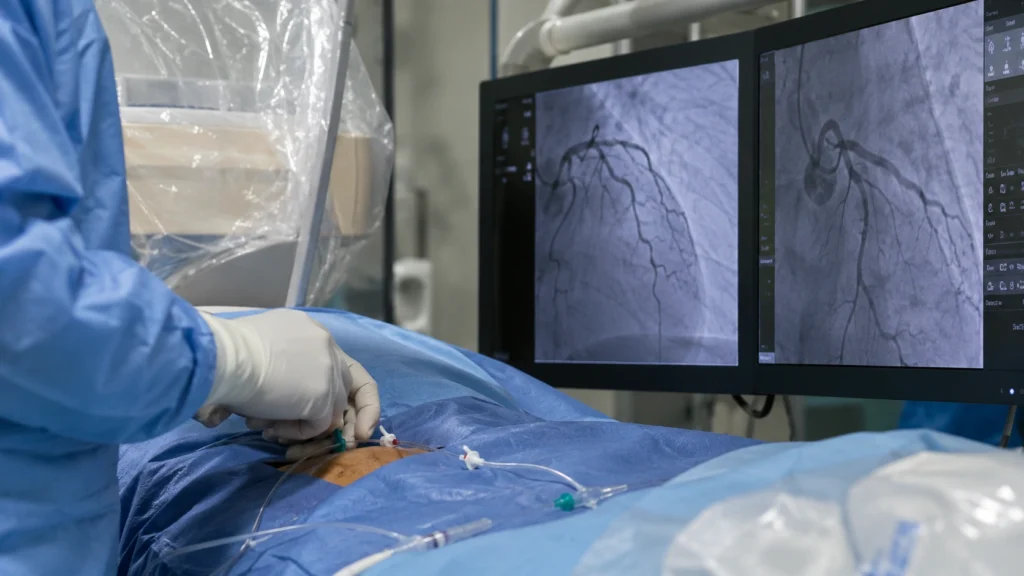
Diagnosis is based on symptoms, examination, blood tests, and imaging. The doctor looks at the patient’s pain pattern, severity, possible causes, and signs of complications.
Common diagnostic steps:
Important blood tests:
Imaging tests may include:
Pancreatitis may look like other digestive illnesses at first. Proper testing helps determine:
Acute pancreatitis often requires urgent medical treatment, especially if pain is severe or vomiting is continuous.
Hospital monitoring: Many patients with acute pancreatitis need admission for close observation. The medical team monitors pain, hydration, vital signs, urine output, and lab values.
Fluids: IV fluids are a major part of treatment because dehydration can make the condition worse.
Pain control: Pain can be intense in acute pancreatitis and may need proper medical pain management.
Resting the pancreas: Food may be restricted temporarily in some patients so the pancreas gets a chance to settle. In many cases, feeding is restarted carefully once symptoms improve.
Treating the cause: The main cause must be managed to prevent another attack.
Antibiotics: Antibiotics are not routinely needed in all cases. They are used only when infection is suspected or confirmed.
Surgery or procedures: Some patients need procedures if complications develop.
Chronic pancreatitis needs long-term care. The goal is to reduce pain, improve digestion, prevent flare-ups, and protect pancreatic function.
Pain management: Pain can be recurrent and sometimes difficult to control.
Digestive enzyme replacement: If the pancreas is no longer producing enough enzymes, enzyme supplements may be prescribed.
Blood sugar control: If diabetes develops, it must be managed carefully.
Nutritional support: Patients may need support for malnutrition or vitamin deficiency.
Avoiding triggers: Long-term disease control depends on removing the cause whenever possible.
Procedures and surgery: If there is duct blockage, severe pain, or complications, procedures may be needed.
Diet plays an important role in pancreatitis, especially in chronic disease. The right diet can ease digestion and reduce discomfort.
Helpful diet:
Foods often better tolerated:
Foods and habits to avoid:
Why diet matters: In chronic pancreatitis, food may not be digested well. A proper diet and enzyme support can improve energy, reduce symptoms, and help maintain body weight.
Pancreatitis can cause serious complications if not treated properly.
Acute pancreatitis complications:
Chronic pancreatitis complications:
Long-term impact: Chronic pancreatitis may affect daily life, work, digestion, and nutrition. That is why ongoing care is important even when symptoms are not severe every day.
You should seek medical help if you have:
Not all cases can be prevented, but risk can often be reduced.
Prevention tips:
For people with chronic pancreatitis
Pancreatitis can be mild in some cases and serious in others. Because the condition may involve pain, digestion, gallbladder disease, diabetes, and emergency complications, specialist hospital care is often the safest approach.
Why hospital care matters: Pancreatitis is not just an “acidity” problem or routine stomach pain. It can become serious quickly and may need close monitoring. A hospital setting helps ensure the right treatment is started on time.
Acute pancreatitis starts suddenly and is often a short-term inflammatory attack, while chronic pancreatitis develops over time and causes lasting damage. Chronic disease can lead to digestive problems, weight loss, and diabetes.
Mild acute pancreatitis may improve with rest and treatment, but it should never be ignored without medical evaluation. Chronic pancreatitis does not usually go away completely and often needs long-term management.
Yes, it can cause severe upper abdominal pain that often spreads to the back. The pain may be constant, strong, and worse after eating or lying down.
Alcohol, fried food, very oily meals, and heavy rich foods are often best avoided, especially during flare-ups. Your doctor may also advise a low-fat, easy-to-digest diet depending on your condition.
Yes, gallstones are one of the most common causes of acute pancreatitis. A stone can block the ducts and trigger sudden inflammation of the pancreas.
Yes, it can. The pancreas also produces insulin, so long-term damage may affect blood sugar control and lead to diabetes in some patients.
No, most patients do not need surgery. Surgery or procedures are considered only when there are complications, duct obstruction, gallstones, or severe persistent problems.
You should go immediately if you have severe upper abdominal pain, repeated vomiting, fever, yellowing of the eyes, or signs of dehydration. These may indicate a serious pancreatitis attack that needs urgent care.
Acute and chronic pancreatitis are important pancreatic conditions that should not be ignored. Acute pancreatitis can begin suddenly and may become dangerous if not treated promptly. Chronic pancreatitis develops over time and can lead to long-term digestive problems, pain, poor nutrition, and diabetes. In both cases, early diagnosis, proper treatment, and attention to the cause are essential.
The pancreas plays a major role in digestion and blood sugar control, so inflammation of this organ can affect the whole body. With the right medical support, many patients can recover from acute attacks and manage chronic disease effectively. Treatment may include fluids, pain control, enzyme replacement, diet changes, lifestyle modification, and procedures when needed.
Rama Hospital can provide specialist care for pancreatitis, from diagnosis and emergency treatment to long-term follow-up and nutrition support. If you have severe upper abdominal pain or symptoms that suggest pancreatic inflammation, do not delay evaluation. Early care can prevent serious complications and support better recovery.


Pancreatitis is inflammation in your pancreas. It’s usually temporary (acute) but can also be a life-long (chronic) condition.
No rows found.