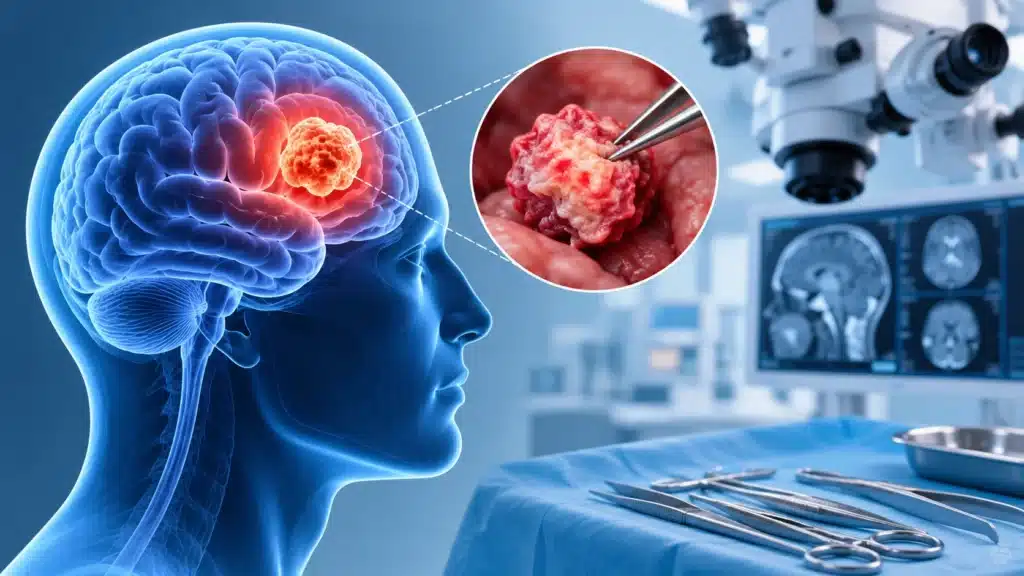
Brain tumor excision is a surgical procedure to remove a tumor from the brain. It is one of the most important treatments for many types of brain tumors, whether benign or malignant. The goal of surgery is to remove as much of the tumor as safely possible, relieve pressure on the brain, reduce symptoms, and improve the effectiveness of other treatments such as radiation or chemotherapy.
Brain surgery is a highly specialized procedure that requires advanced imaging, skilled neurosurgeons, and comprehensive critical care support. For patients and families, the decision to proceed with surgery can be overwhelming. Understanding the procedure, what to expect before and after surgery, and the recovery process can help reduce anxiety and improve outcomes.
What is Brain Tumor Excision?
Brain tumor excision is the surgical removal of a tumor from the brain. The procedure is also called tumor resection or craniotomy for tumor removal. During the surgery, a neurosurgeon makes an opening in the skull to access the brain, carefully removes the tumor, and then closes the opening.
The extent of removal depends on the type, size, and location of the tumor. Some tumors can be completely removed. Others may be partially removed if they are near critical areas of the brain that control movement, speech, vision, or other vital functions. In some cases, surgery is done primarily to obtain a tissue sample for diagnosis, which is called a biopsy.
Brain tumor excision is often the first step in a comprehensive treatment plan that may include radiation therapy, chemotherapy, targeted therapy, or immunotherapy. The surgery helps reduce tumor burden, relieve symptoms caused by pressure, and provide tissue for accurate diagnosis.
Why is Brain Tumor Excision Done?
Brain tumor excision is performed for several important reasons.
Common reasons for surgery include:
- To remove as much of the tumor as safely possible.
- To relieve pressure on the brain caused by the tumor.
- To reduce symptoms such as headache, seizures, weakness, or vision problems.
- To obtain tissue for accurate diagnosis and grading.
- To improve the effectiveness of radiation and chemotherapy.
- To prevent further growth and damage to surrounding brain tissue.
- To improve quality of life and survival in many cases.
When surgery may be recommended
- When the tumor is accessible and can be safely removed.
- When the tumor is causing significant symptoms.
- When the tumor is growing rapidly.
- When tissue diagnosis is needed to guide further treatment.
- When the tumor is causing increased intracranial pressure.
- When other treatments alone are not sufficient.
When surgery may not be the first choice
- When the tumor is in a location that is too risky to access.
- When the patient’s overall health does not allow for major surgery.
- When the tumor type responds better to radiation or chemotherapy first.
- When the tumor is very small and not causing symptoms.
Types of Brain Tumor Excision Procedures
Different surgical approaches are used depending on the tumor location, size, and type.
Craniotomy
This is the most common approach for brain tumor removal.
- A section of the skull is temporarily removed to access the brain.
- The tumor is carefully removed using specialized instruments.
- The bone flap is replaced and secured at the end of surgery.
- Used for tumors in various parts of the brain.
Minimally Invasive Surgery
Some tumors can be removed using smaller openings and advanced technology.
- Endoscopic techniques use small cameras and instruments.
- Navigation systems guide the surgeon with precision.
- Smaller incisions may lead to faster recovery.
- Suitable for selected tumor types and locations.
Awake Brain Surgery
In some cases, the patient is kept awake during part of the surgery.
- Helps the surgical team monitor brain function in real time.
- Used when the tumor is near areas controlling speech or movement.
- The patient may be asked to speak, move, or respond during surgery.
- Reduces the risk of damaging critical brain areas.
Stereotactic Surgery
This technique uses advanced imaging and computer guidance.
- Provides highly precise targeting of the tumor.
- Can be used for biopsy or partial removal.
- Minimizes damage to surrounding healthy tissue.
- Often combined with other surgical approaches.
Laser Interstitial Thermal Therapy
A newer technique that uses laser energy to destroy tumor tissue.
- A small probe is inserted into the tumor.
- Laser energy heats and destroys tumor cells.
- Less invasive than traditional open surgery.
- Suitable for certain deep or hard-to-reach tumors.
Pre-operative Preparation
Proper preparation before surgery is essential for safety and better outcomes.
Medical evaluation
- Detailed neurological examination.
- Review of medical history and current medications.
- Assessment of heart, lung, and overall health status.
- Blood tests to check for anemia, infection, and clotting.
- Imaging studies such as MRI or CT scan for surgical planning.
- Sometimes functional MRI or mapping to identify critical brain areas.
Medication management
- Some medicines may need to be stopped before surgery.
- Blood thinners may need to be paused to reduce bleeding risk.
- Steroids may be given to reduce brain swelling.
- Anti-seizure medicines may be started if needed.
- All medications should be reviewed with the surgical team.
Patient instructions
- Do not eat or drink for several hours before surgery.
- Take only approved medications with small sips of water.
- Arrange for a family member or caregiver to stay with you.
- Bring all medical records and imaging reports.
- Inform the team about any allergies or previous surgeries.
- Follow all pre-operative instructions carefully.
Psychological preparation
- Discuss concerns and questions with the surgical team.
- Understand the goals and risks of the procedure.
- Prepare mentally for the recovery period.
- Family support is important for emotional well-being.
The Surgical Procedure
Brain tumor excision is performed under general anesthesia in most cases.
Steps of the procedure
- The patient is given general anesthesia to ensure comfort and safety.
- The head is positioned and secured to prevent movement.
- The surgical site is cleaned and sterilized.
- An incision is made in the scalp.
- A section of the skull is removed to create a window to the brain.
- The dura, the protective covering of the brain, is opened.
- The tumor is carefully removed using specialized instruments.
- Bleeding is controlled throughout the procedure.
- The dura is closed, and the bone flap is replaced.
- The scalp is closed with sutures or staples.
- The patient is taken to the recovery area or intensive care unit.
Duration of surgery
- Surgery can take several hours depending on the tumor.
- Complex tumors may require longer operative time.
- The surgical team prioritizes safety over speed.
During surgery monitoring
- Vital signs are continuously monitored.
- Neurological function may be monitored in some cases.
- Imaging may be used during surgery to guide removal.
- The team ensures maximum safe tumor removal.
Post-operative Care
Care after surgery is critical for recovery and preventing complications.
Immediate post-operative care
- Monitoring in the intensive care unit or recovery area.
- Regular checks of consciousness, pupil response, and movement.
- Pain management with appropriate medications.
- Monitoring for signs of bleeding, swelling, or infection.
- Breathing support if needed in the initial hours.
Hospital stay
- Most patients stay in the hospital for several days.
- Length of stay depends on the complexity of surgery.
- Daily neurological assessments are performed.
- Wound care and dressing changes are done regularly.
- Early mobilization is encouraged when safe.
Medications after surgery
- Pain relief medications as needed.
- Steroids to reduce brain swelling.
- Anti-seizure medications if prescribed.
- Antibiotics to prevent infection.
- Stool softeners to prevent straining.
- All medications should be taken as directed.
Wound care
- Keep the incision site clean and dry.
- Do not apply any creams or ointments unless instructed.
- Watch for signs of infection such as redness, swelling, or discharge.
- Follow all dressing change instructions.
- Report any unusual symptoms to the medical team.
Recovery After Brain Tumor Excision
Recovery varies from patient to patient depending on the tumor type, location, and extent of surgery.
Early recovery phase
- Fatigue is common in the first few weeks.
- Headache and discomfort may occur but should improve.
- Gradual increase in activity as tolerated.
- Avoid heavy lifting or strenuous activity.
- Rest is important for healing.
Medium-term recovery
- Most patients can return to light activities within a few weeks.
- Driving may be restricted for a period of time.
- Return to work depends on the nature of the job and recovery.
- Continued follow-up with the neurosurgeon.
- Additional treatments may be planned based on pathology.
Long-term recovery
- Full recovery may take several months.
- Some patients may have lasting neurological changes.
- Rehabilitation may be needed for weakness, speech, or balance.
- Regular imaging follow-up to monitor for recurrence.
- Healthy lifestyle supports overall recovery.
Factors affecting recovery
- Age and overall health status.
- Tumor type and grade.
- Extent of tumor removal.
- Presence of any complications.
- Adherence to rehabilitation and follow-up.
Rehabilitation and Support
Rehabilitation plays a crucial role in maximizing recovery after brain tumor surgery.
Physical therapy
- Helps improve strength, balance, and coordination.
- Exercises are tailored to individual needs.
- Gradual progression from simple to complex movements.
- Important for patients with weakness or mobility issues.
Occupational therapy
- Focuses on daily living activities.
- Helps patients regain independence in self-care.
- Teaches adaptive techniques if needed.
- Supports return to work or school when possible.
Speech and language therapy
- Helps with speech, swallowing, and communication.
- Important for tumors affecting language areas.
- Exercises to improve articulation and understanding.
- Strategies for safe eating and drinking.
Cognitive rehabilitation
- Addresses memory, attention, and problem-solving.
- Helps patients cope with cognitive changes.
- Strategies to manage daily tasks.
- Support for returning to work or studies.
Psychological support
- Counseling for anxiety, depression, or emotional changes.
- Support groups for patients and families.
- Stress management techniques.
- Important for overall quality of life.
Risks and Complications
Like any major surgery, brain tumor excision carries certain risks.
Common risks include:
- Bleeding during or after surgery.
- Infection at the surgical site.
- Swelling of the brain.
- Seizures.
- Weakness or numbness in parts of the body.
- Speech or vision changes.
- Memory or cognitive changes.
- Blood clots in the legs or lungs.
- Reaction to anesthesia.
- Need for additional surgery.
Serious but less common risks
- Stroke or damage to critical brain areas.
- Persistent neurological deficits.
- Hydrocephalus requiring drainage.
- Wound healing problems.
- Tumor recurrence requiring further treatment.
Reducing risks
- Careful pre-operative planning and imaging.
- Experienced neurosurgical team.
- Advanced monitoring during surgery.
- Strict adherence to post-operative care.
- Early recognition and management of complications.
When to Seek Medical Attention?
Patients should contact their medical team if they experience any concerning symptoms after surgery.
- Fever above 101 degrees Fahrenheit.
- Increasing headache not relieved by medication.
- Redness, swelling, or discharge from the incision.
- New or worsening weakness or numbness.
- Difficulty speaking or understanding speech.
- Vision changes or double vision.
- Seizures or unusual movements.
- Confusion or excessive drowsiness.
- Nausea or vomiting that persists.
- Difficulty walking or balance problems.
Long-term Follow-up Care
Long-term monitoring is essential after brain tumor excision.
Regular follow-up appointments
- Scheduled visits with the neurosurgeon and oncology team.
- Neurological examinations to assess function.
- Review of symptoms and medication management.
- Discussion of any new concerns or changes.
Imaging surveillance
- Regular MRI or CT scans to monitor for recurrence.
- Frequency depends on tumor type and grade.
- Early detection of recurrence improves treatment options.
- Imaging helps guide further treatment decisions.
Additional treatments
- Radiation therapy may be recommended after surgery.
- Chemotherapy or targeted therapy may be needed.
- Immunotherapy is an option for certain tumor types.
- Treatment plan is individualized based on pathology.
Lifestyle recommendations
- Maintain a healthy balanced diet.
- Engage in regular physical activity as tolerated.
- Avoid smoking and limit alcohol consumption.
- Get adequate rest and sleep.
- Manage stress through relaxation techniques.
- Stay connected with family and support networks.
Why Choose Rama Hospital for Brain Tumor Excision?
Brain tumor excision is one of the most complex surgical procedures. It requires a highly skilled neurosurgical team, advanced technology, and comprehensive critical care support. A hospital with experience in neuro-oncology can make a significant difference in outcomes.
- Experienced neurosurgeons specializing in brain tumors.
- Advanced imaging and navigation technology.
- Dedicated neuro-intensive care unit.
- Multidisciplinary team including oncologists and radiologists.
- Comprehensive rehabilitation services.
- Long-term follow-up and support.
Frequently Asked Questions (FAQs)
How long does the surgery take?
The duration varies depending on the tumor size, location, and complexity. Some surgeries take 3 to 4 hours, while others may take 6 to 8 hours or longer. The surgical team prioritizes safety and complete tumor removal over speed.
Will I be awake during the surgery?
Most brain tumor surgeries are performed under general anesthesia, so you will be asleep. However, some procedures may require you to be awake for part of the surgery to monitor brain function, especially when the tumor is near critical areas.
How long is the hospital stay after surgery?
Most patients stay in the hospital for 3 to 7 days after brain tumor excision. The length of stay depends on the complexity of surgery, recovery progress, and any complications. Some patients may need a longer stay for intensive monitoring.
What are the risks of brain tumor surgery?
Risks include bleeding, infection, swelling, seizures, weakness, speech or vision changes, and cognitive changes. Serious complications are less common but can occur. The surgical team takes extensive precautions to minimize risks.
Will I need additional treatment after surgery?
Many patients require additional treatment such as radiation therapy, chemotherapy, or targeted therapy after surgery. The need for further treatment depends on the tumor type, grade, and extent of removal. Your oncology team will create a personalized plan.
How long does it take to recover from brain surgery?
Recovery varies from person to person. Most patients can return to light activities within a few weeks, but full recovery may take several months. Rehabilitation and follow-up care are important for maximizing recovery.
Can the tumor come back after surgery?
Yes, some tumors can recur even after successful removal. Regular follow-up imaging and monitoring are essential to detect any recurrence early. Additional treatment may be needed if the tumor returns.
Conclusion
Brain tumor excision is a critical treatment option for many patients with brain tumors. It offers the potential to remove the tumor, relieve symptoms, improve quality of life, and enhance the effectiveness of other treatments. While the procedure is complex and carries risks, advances in neurosurgery, imaging, and critical care have significantly improved outcomes.
The most important factors for success are careful patient selection, experienced surgical team, advanced technology, comprehensive post-operative care, and long-term follow-up. For patients facing a brain tumor diagnosis, understanding the procedure, recovery process, and available support can help reduce anxiety and improve decision-making.
Rama Hospital provides expert neurosurgical care for brain tumor excision with a multidisciplinary approach, advanced technology, and comprehensive support services. Our team is committed to delivering safe, effective, and patient-centered care throughout the treatment journey.