

Angioplasty, also called PTCA, is a widely used heart treatment that helps open narrowed or blocked coronary arteries and restore blood flow to the heart. It is commonly recommended for patients with chest pain, heart attacks, shortness of breath, or significant blockages seen on cardiac tests. For many patients, angioplasty offers fast relief, shorter hospital stay, and a less invasive alternative to bypass surgery.
Heart disease remains one of the most important health concerns worldwide, and coronary artery disease is among the leading causes of chest pain, heart attacks, and emergency cardiac admissions. When the arteries that supply blood to the heart become narrowed by plaque, the heart muscle receives less oxygen-rich blood. This can cause symptoms such as discomfort in the chest, heaviness, breathlessness, fatigue, and in severe cases, a heart attack.
Angioplasty, medically known as percutaneous transluminal coronary angioplasty and often shortened to PTCA, is a minimally invasive procedure used to open blocked or narrowed coronary arteries. In most modern cases, a balloon is used to widen the artery, and a stent may be placed to help keep it open. This improves blood flow, reduces symptoms, and lowers the risk of serious cardiac complications in selected patients.
People often search for this treatment using terms such as angioplasty treatment, PTCA procedure, balloon angioplasty, coronary angioplasty, heart stent procedure, blocked artery treatment, and angioplasty recovery time. A good hospital landing page should answer all of those questions clearly while also helping patients understand whether they need treatment, how the procedure works, what results they can expect, and why a specific cardiac center is the right place for care.
Angioplasty is a procedure that opens blocked or narrowed coronary arteries using a thin catheter inserted through a blood vessel, usually in the wrist or groin. The catheter is guided to the heart under X-ray imaging, and a small balloon is inflated at the site of the blockage to widen the artery and restore blood flow.
PTCA stands for percutaneous transluminal coronary angioplasty. Each part of the term describes the procedure:
In many cases today, a stent is placed after balloon expansion. A stent is a small mesh tube that supports the artery wall and helps prevent it from narrowing again. Because of this, patients and families often use “angioplasty” and “stent placement” together, even though the stent is one part of the overall process.
Angioplasty is used in both emergency and planned settings. In emergency care, it may be performed during a heart attack to quickly reopen a blocked artery. In planned care, it may be recommended when symptoms such as chest pain or breathlessness suggest poor blood flow and non-surgical treatment is no longer enough.
Angioplasty is not needed for every person with heart disease. It is recommended for selected patients whose symptoms, test reports, or coronary angiography findings suggest a significant blockage in one or more coronary arteries.
You may need angioplasty if you have:
Doctors may also recommend angioplasty if:
Angioplasty is typically part of a broader treatment plan that also includes medicines, diet changes, exercise guidance, blood pressure control, diabetes management, and follow-up care. The procedure treats the blockage, but long-term heart protection still depends on risk factor control.
Angioplasty is used mainly for coronary artery disease, but it can also be relevant in several related heart conditions where restoring blood flow is important.
Common conditions treated with angioplasty
Angioplasty treats the blockage, but it is equally important to understand why the blockage happened. Coronary artery disease usually develops gradually over time when plaque builds up inside the artery walls. As plaque builds up, the artery becomes narrower. If the plaque ruptures, a clot can form on top of it and block blood flow suddenly. This is one reason angioplasty is so important in emergency cardiac care.
Plaque can form because of:
Symptoms vary depending on whether the blockage is gradual or sudden. Some people have warning signs for months, while others first learn about a blockage during an emergency. In heart attack cases, symptoms may be sudden and severe. These patients need urgent medical assessment and often emergency angioplasty to reopen the blocked artery as quickly as possible.
Common symptoms include:
Before angioplasty is done, the doctor must confirm that the blockages are significant and that the patient will benefit from the procedure. This usually involves a combination of clinical evaluation, cardiac testing, and coronary imaging.
The diagnostic workup may include:
Coronary angiography is especially important because it helps the cardiologist see the exact location, number, and severity of the arterial blockages. This information determines whether angioplasty, stenting, medicine, or bypass surgery is the best next step.
| Treatment | Main Purpose | How It Is Done | Best For |
| Angioplasty (PTCA) | Open narrowed coronary arteries | Catheter-based balloon expansion, often with stent placement | Suitable blockages in coronary arteries |
| Heart Bypass Surgery (CABG) | Create new routes for blood flow around blockages | Open surgery using graft vessels | Complex, multiple, or unsuitable blockages |
| Medicines alone | Control symptoms and reduce risk | Tablets, injections, lifestyle management | Mild disease or patients not needing intervention yet |
| Thrombolysis | Dissolve clot in selected emergencies | Clot-busting medicines | Some heart attack cases when angioplasty is not immediately available |
Not every patient needs an intervention immediately, and even when angioplasty is done, medical treatment remains important. A heart specialist may first use or continue medicines to control symptoms and stabilize the patient. In stable patients with mild disease, medicines may be enough for a time. In patients with significant blockages, ongoing symptoms, or a heart attack, angioplasty may be the definitive treatment needed to restore circulation.
Non-surgical treatment may include:
A good angioplasty candidate is usually someone whose artery blockage can be safely treated by catheter and balloon, with or without a stent.
Some patients may not be ideal candidates, such as those with very complex coronary disease, multiple diffuse blockages, severe calcification, or anatomy better treated with bypass surgery. In those cases, the heart team decides the safest and most effective treatment.
You may be a suitable candidate if:
Angioplasty is not the same for every patient. The exact type depends on the artery, the blockage, and the patient’s risk factors.
| Stent Type | Key Feature | Main Advantage | Common Use |
| Bare-metal stent | Simple metal scaffold | Supports artery wall | Selected cases only |
| Drug-eluting stent | Releases medicine slowly | Lowers chance of re-narrowing | Common modern choice |
| Specialized stents | Designed for specific anatomy | Better adaptation to certain lesions | Selected complex cases |
Patients often ask which stent is “best.” The answer depends on the blockage, the artery size, the risk of restenosis, bleeding risk, and the cardiologist’s judgment.
The angioplasty procedure is done in a catheterization laboratory, often called a cath lab, under X-ray guidance. Most patients are awake but relaxed, though they may receive medicines to reduce discomfort and anxiety.
Before the procedure
During the procedure
After the procedure
| Stage | What Happens | What the Patient May Feel |
| Preparation | IV line, monitoring, site cleaning | Mild anxiety, fasting discomfort |
| Catheter insertion | Tube is placed in wrist or groin artery | Usually little pain due to local anesthesia |
| Balloon inflation | Artery is opened | Brief pressure or chest heaviness in some patients |
| Stent placement | Stent supports artery wall | Minimal sensation in most cases |
| Recovery | Monitoring and rest | Tiredness, access site soreness |
Angioplasty has several major benefits when it is done for the right patient. For many patients, angioplasty is the fastest way to reduce symptoms and prevent further damage to the heart muscle. In emergencies, it can be especially important because restoring blood flow quickly can save heart tissue.
Benefits include:
Angioplasty is widely performed and generally safe in experienced hands, but like any procedure, it has risks. Risk is usually lower when the patient is carefully evaluated, medicines are managed correctly, and aftercare instructions are followed closely.
Possible complications include:
Recovery is usually quicker than with open heart surgery, but the patient still needs rest, monitoring, and long-term lifestyle care.
Immediate recovery
Home recovery
Long-term recovery
Recovery does not end at discharge. Patients often need:
Most patients can return to routine activities gradually after angioplasty, but the timeline varies. Some people feel better within days, while others need more time depending on the severity of heart disease and the reason for the procedure. Patients should always follow the cardiologist’s guidance because recovery depends on the access site, stent type, overall heart function, and whether the angioplasty was planned or done in an emergency.
General advice may include:
Choosing the right hospital matters because angioplasty is a time-sensitive and technically important heart procedure. Good outcomes depend on precise diagnosis, procedural expertise, emergency readiness, and follow-up support. This makes the hospital relevant for high-intent searches such as angioplasty hospital near me, best angioplasty center, PTCA procedure hospital, heart stent treatment, and coronary artery blockage treatment.
Rama Hospital offers:
Seek emergency medical attention immediately if chest pain is severe, lasting, or associated with breathlessness, sweating, nausea, fainting, or collapse. These can be signs of a heart attack and need urgent treatment.
You should see a doctor if you have:
Angioplasty is not open surgery. It is a minimally invasive catheter-based procedure, which means recovery is usually faster than with bypass surgery. That said, it is still a serious heart treatment and should be done in a well-equipped hospital.
Most patients do not feel major pain during the procedure because local anesthesia and supportive medicines are used. Some pressure or brief discomfort may happen when the balloon is inflated, but this is usually short-lived.
The procedure often takes one to a few hours depending on the number and complexity of blockages. Preparation, monitoring, and recovery time may make the total hospital stay longer than the procedure itself.
Many patients recover within a few days, but the exact timing depends on the patient’s condition and whether the procedure was done during an emergency. Long-term recovery also includes medicines, follow-up, and lifestyle changes.
Yes, most coronary stents remain in the artery permanently. They are designed to support the vessel wall and maintain blood flow over time.
Angioplasty can reduce the risk of heart damage in selected patients by reopening a critical blockage. It does not remove the underlying tendency for heart disease, so medicines and lifestyle management remain important.
Neither is universally better. Angioplasty is often preferred for suitable blockages, while bypass surgery may be better for more complex coronary disease. The cardiologist decides based on artery findings and overall health.
Patients are usually advised to avoid heavy lifting, skip smoking, take medicines regularly, and attend follow-up visits. The doctor will also guide you on diet, exercise, and wound care based on the access site used.
Angioplasty (PTCA) is an important, effective, and commonly used treatment for blocked coronary arteries. It can relieve chest pain, restore blood flow, and help prevent serious heart damage in selected patients. For emergency and planned cardiac care alike, it remains one of the most valuable minimally invasive treatments in modern cardiology.
For patients and families, understanding angioplasty in simple language makes the process less frightening and more actionable. The procedure is not just about opening one blockage; it is about improving heart circulation, reducing symptoms, and supporting the patient’s long-term cardiac health with proper follow-up and risk factor control.
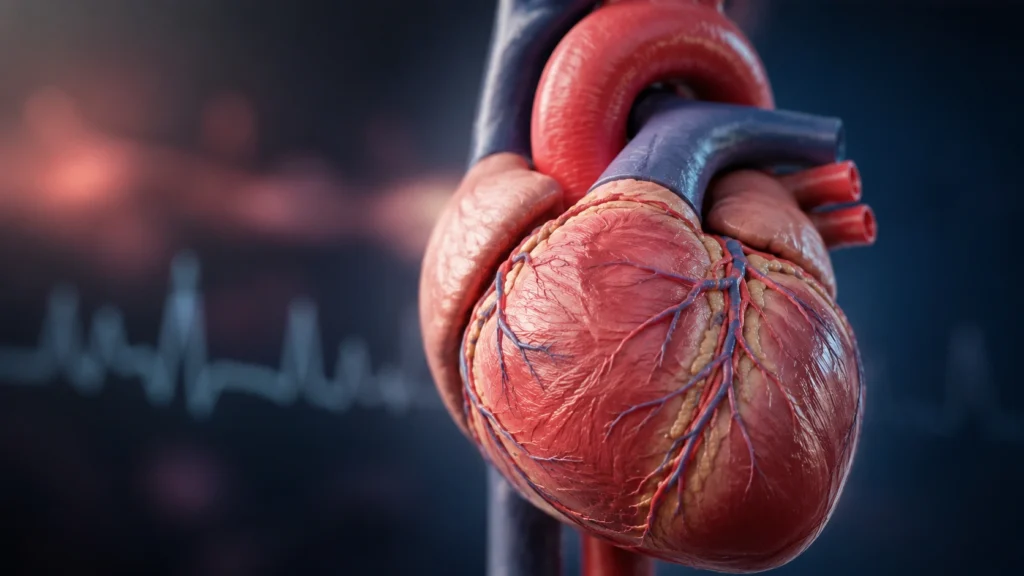


Angioplasty is a procedure that creates more space inside an artery that has plaque built up inside it.
No rows found.