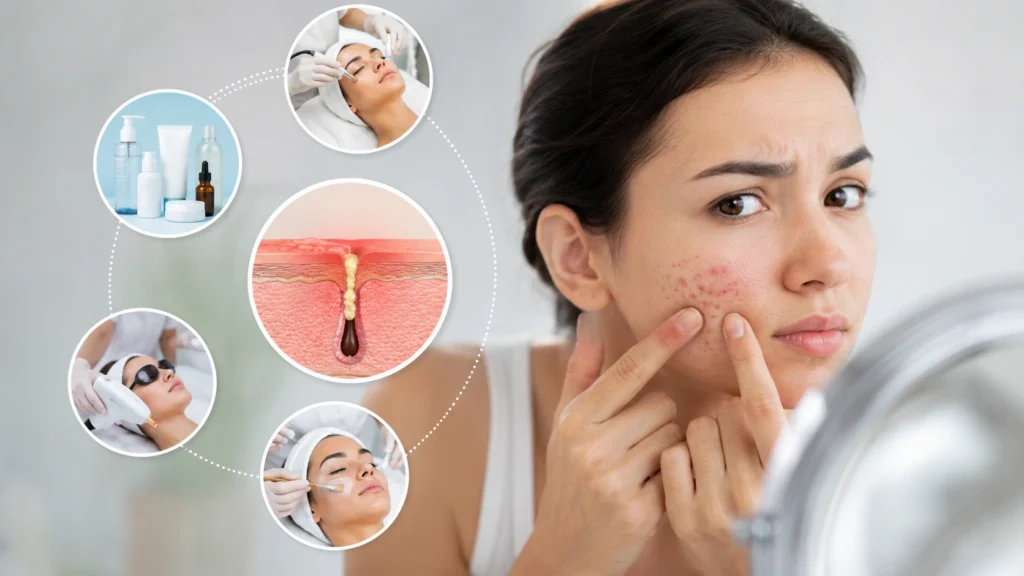
If you are looking for the best dermatology hospital, understanding acne and seeking timely treatment from experienced dermatologists can help prevent complications and improve skin health. This guide explains its causes, symptoms, treatment options, and prevention strategies.
Acne is a chronic skin condition that affects the hair follicles and oil (sebaceous) glands. It develops when pores become clogged with excess oil, dead skin cells, and bacteria. Medically, it is known as acne vulgaris, the most common form of the condition. In clinical terms, acne vulgaris refers to inflammation of the pilosebaceous unit, leading to pimples, blackheads, whiteheads, nodules, and cysts.
It is not limited to the face. Similar breakouts can also occur on the chest, back, shoulders, and scalp, where oil glands are abundant.
Although many people use the terms acne and pimples interchangeably, they are different. Acne is the overall skin condition, while a pimple is one type of lesion. Likewise, a blemish is a general term for any skin mark or imperfection, whereas acne specifically refers to inflammation caused by clogged pores.
The condition can appear in different forms, and identifying the type helps determine the most effective treatment.
Acne Vulgaris (Most Common Type): Acne vulgaris is the umbrella term for typical breakouts. Dermatologists classify it from mild to severe based on the number and type of lesions. Common signs include blackheads, whiteheads, papules, pustules, redness, tenderness, and oily skin. It ranges from comedonal (blackheads and whiteheads) to inflammatory and severe nodulocystic forms. Current inflamed lesions are referred to as active acne.
Severe Forms: Cystic acne is one of the most severe and painful forms, producing deep, pus-filled lumps beneath the skin. It usually develops because of excess oil production, bacteria, hormonal fluctuations, and genetic factors. Hormonal cystic acne commonly flares during puberty, menstruation, pregnancy, or in people with PCOS. Another severe form is nodular acne, which causes hard, painful nodules beneath the skin. Both belong to the broader category of inflammatory acne, where the immune response causes redness, swelling, and pain.
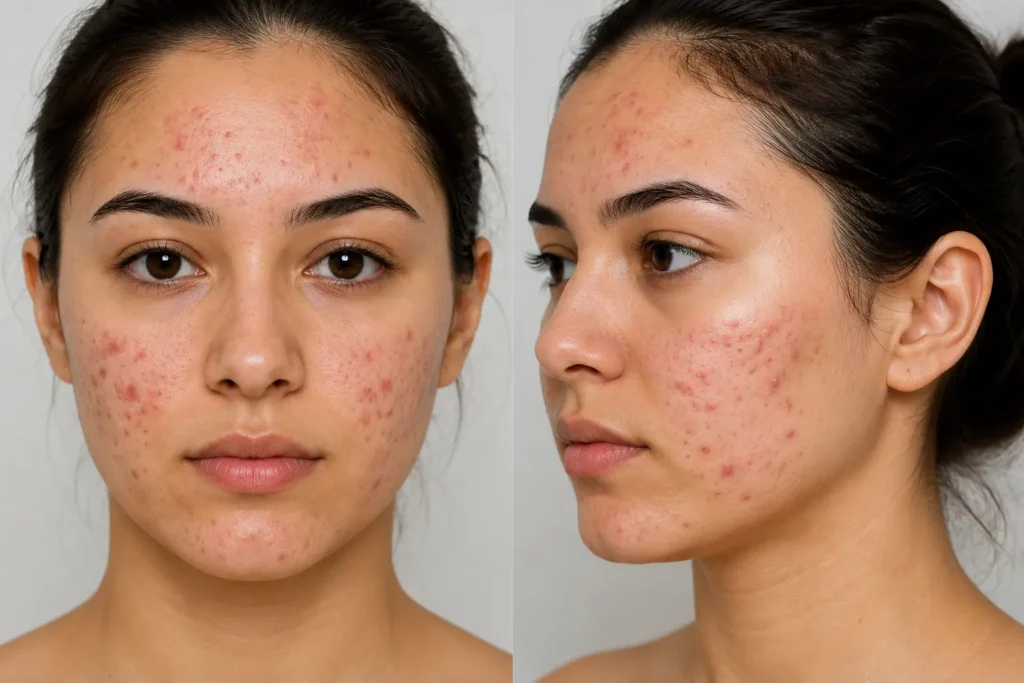
Mild to Moderate Forms: Papularacne appears as small, red, raised bumps without visible pus. Blackheads are open comedones that darken after exposure to air. Comparing your skin with reliable clinical images can help identify the type before deciding on treatment.
Recognizing symptoms early can help prevent the condition from worsening. Common signs include:
Clinical images can help you compare your skin with different types of breakouts. Reviewing photographs side by side is particularly useful for distinguishing cystic lesions from milder forms such as papules.
Blackheads commonly appear on the nose because this area contains a high concentration of oil glands. Gentle cleansing, salicylic acid, and regular exfoliation are among the most effective ways to reduce them. Clay masks and steam may also help loosen clogged pores, while squeezing or using harsh extraction methods can increase irritation and the risk of scarring.
This condition rarely develops because of a single factor. In most cases, it results from a combination of hormonal changes, genetics, excess oil production, bacteria, and environmental influences.
Hormonal Causes: Hormonal acne develops when fluctuations in androgen levels increase oil production. It commonly affects the jawline and chin. Treatment may include hormonal birth control, anti-androgen medications, topical retinoids, or lifestyle changes. Natural approaches such as dietary improvements, zinc supplementation, and spearmint tea may also help some individuals. People with PCOS frequently experience persistent hormonal breakouts due to elevated androgen levels.
Age-Related Breakouts: Puberty is one of the most common triggers because hormonal changes stimulate the sebaceous glands. Teenagers often develop breakouts on the forehead, face, chest, and back due to increased oil production, sweating, and friction.
Before & During Periods: Many women notice flare-ups before menstruation because estrogen levels decrease while progesterone rises. These hormonal changes usually improve after the menstrual cycle begins. Maintaining a consistent skincare routine, limiting excess sugar intake, and managing stress may help reduce premenstrual breakouts.
The location of breakouts can often provide valuable clues about their underlying cause. Factors such as hormones, excess oil production, friction, sweat, lifestyle habits, and skincare products can all influence where they appear. Identifying the affected area can help determine the most appropriate treatment and preventive measures.
Forehead: Forehead breakouts are commonly linked to excess oil production, sweat, and clogged pores. Hair products such as gels, oils, and sprays can transfer to the skin and block pores, while hats, helmets, bangs, and headbands may trap heat and oil against the forehead. Stress, inadequate cleansing after exercise, and touching the forehead frequently can also contribute to recurring breakouts.
Chin: Breakouts around the chin and jawline are often associated with hormonal fluctuations. They commonly occur during menstruation, pregnancy, menopause, or in people with conditions such as PCOS. Frequently touching the face, resting your chin on your hands, and using pore-clogging cosmetic products may further aggravate the area. Persistent chin breakouts may indicate an underlying hormonal imbalance and should be evaluated by a dermatologist.
Cheeks: Cheek breakouts may develop due to external factors that come into regular contact with the skin. Dirty pillowcases, mobile phones, makeup brushes, and face masks can transfer oil, bacteria, and dirt to the cheeks. Environmental pollution and cosmetic residue may also clog pores. Regularly cleaning personal items and following a consistent skincare routine can help reduce flare-ups.
Body: Breakouts on the chest, shoulders, back, scalp, and arms are often triggered by excessive sweating, tight clothing, friction, and blocked pores. Wearing non-breathable fabrics, remaining in sweaty clothes after exercise, or using heavy body lotions may increase the risk. Showering promptly after physical activity and choosing loose, breathable clothing can help keep the skin clear.
Back: Back breakouts are especially common among teenagers, athletes, and individuals who sweat heavily. Tight backpacks, sports equipment, and clothing that traps heat and moisture can worsen the condition. Cleansers containing salicylic acid or benzoyl peroxide are often effective for reducing excess oil and preventing clogged pores. Regular exfoliation, good hygiene, and changing out of sweaty clothes soon after exercise can further help prevent recurring breakouts.
Diet affects everyone differently, but some foods may contribute to flare-ups. High-glycemic carbohydrates, sugary foods, dairy products, and processed foods are among the most commonly reported triggers. Keeping a food diary may help identify personal dietary causes.
A balanced diet rich in anti-inflammatory foods may help improve skin health. Beneficial choices include:
Following a low-glycemic diet while maintaining adequate hydration may reduce the frequency of breakouts for some people.
Itchy skin may occur because of inflammation or dryness caused by treatment products such as retinoids or benzoyl peroxide. Although eczema and acne can sometimes appear similar, they are separate skin conditions that require different treatment approaches. An accurate diagnosis is essential.
A consistent skincare routine is one of the most effective ways to manage breakouts and prevent new ones.
A basic routine should include:
Avoid over-washing or scrubbing, as this can irritate the skin and worsen inflammation.
For body breakouts, choose cleansers containing salicylic acid or benzoyl peroxide. These ingredients help unclog pores, reduce excess oil, and limit bacterial growth.
Body lotions formulated with non-comedogenic, treatment-based ingredients can also help maintain healthy skin after bathing.
Inflammatory and cystic breakouts can damage the deeper layers of the skin, resulting in permanent scars.
Common types include:
Men often develop deeper scars because they generally have thicker skin and more severe inflammatory lesions.
Mild marks may gradually fade with consistent skincare using ingredients such as:
Natural remedies like aloe vera may soothe the skin, although they usually produce slower results.
For deeper scars, dermatologists may recommend:
Because scars develop over time, noticeable improvement usually requires several weeks or months of consistent treatment.
Many commonly used treatment ingredients are not considered safe during pregnancy, making medical guidance essential before starting or continuing any medication.
Hormonal changes—particularly rising progesterone levels—increase oil production, which often leads to new or worsening breakouts during the first and second trimesters.
Dermatologists often recommend pregnancy-safe skincare products together with gentle cleansing, non-comedogenic moisturizers, and appropriate medical supervision.
Always consult both your obstetrician and dermatologist before using prescription or over-the-counter treatments during pregnancy.
This rewrite keeps all major SEO keywords (such as acne scars, acne-prone skin, acne during pregnancy, hormonal acne, cystic acne, PCOS acne) while eliminating repetitive and unnatural keyword stuffing.
Misinformation about acne is common, making it important to separate myths from facts. Understanding what actually causes breakouts can help you choose effective treatments and avoid practices that may worsen the condition.
Myth 1: Acne is caused by poor hygiene
This is false. Breakouts develop because of excess oil production, clogged pores, bacteria, inflammation, and hormonal changes—not dirty skin. Over-washing or scrubbing can irritate the skin and make symptoms worse.
Myth 2: Chocolate and greasy foods always cause acne
There is no evidence that chocolate or oily foods directly cause breakouts in everyone. However, diets high in refined carbohydrates and certain dairy products may contribute in some individuals.
Myth 3: It will go away without treatment
While mild cases may improve over time, moderate to severe breakouts can leave permanent scars if left untreated. Early treatment often provides better long-term results.
Myth 4: Popping pimples helps them heal faster
Picking or squeezing pimples pushes bacteria deeper into the skin, increasing inflammation and the risk of infection and scarring.
Myth 5: Only teenagers get acne
Although it commonly begins during puberty, adults can also develop it, especially women experiencing hormonal changes, stress, or certain medical conditions.
Evidence-Based Facts: Research shows that genetics, hormones, excess oil production, bacteria, and inflammation play a much greater role than hygiene alone. Effective treatment should always be based on scientific evidence rather than popular misconceptions.
Women: Women frequently experience hormonal breakouts during menstruation, pregnancy, menopause, and after childbirth. Cosmetic products containing pore-clogging ingredients may also contribute. In some cases, birth control pills can either improve or temporarily worsen symptoms depending on the individual.
Men: Men generally produce higher levels of androgens, making inflammatory and cystic breakouts more common. They are also more likely to develop deeper scars. Shaving irritation and excessive sweating after workouts may further aggravate the skin.
Stress & Anxiety: Stress increases cortisol levels, stimulating the sebaceous glands to produce more oil. This often leads to flare-ups. Poor sleep can further disrupt hormone regulation and slow skin repair, making recovery more difficult.
Exercise: Sweat, friction from tight clothing, and bacteria can contribute to post-workout breakouts. Showering soon after exercise and wearing breathable fabrics help reduce the risk.
Environmental Factors: Weather conditions also influence skin health. High humidity increases oil production, while pollution allows dirt and environmental particles to settle into pores. Seasonal changes may explain why symptoms worsen during certain times of the year.
Daily Habits: Several everyday habits can contribute to clogged pores, including:
Maintaining good hygiene for personal items can significantly reduce unnecessary irritation.
PCOS: Polycystic Ovary Syndrome (PCOS) commonly causes persistent hormonal breakouts because of elevated androgen levels. Treatment often combines hormonal therapy, prescription medication, and an appropriate skincare routine.
Pregnancy & Postpartum: Hormonal fluctuations during pregnancy frequently trigger new breakouts or worsen existing ones. Symptoms often improve gradually after hormone levels stabilize following childbirth.
Medication-Induced Breakouts: Certain medicines, including corticosteroids, hormonal medications, and some anticonvulsants, may trigger acne-like eruptions. If symptoms appear after starting a new medication, consult your healthcare provider before making any changes.
Although there is no permanent cure, consistent skincare and healthy lifestyle habits can greatly reduce recurrence.
Helpful practices include:
Even after the skin clears, continuing a maintenance routine helps prevent relapse. Dermatologists often recommend using lower-strength active ingredients several times a week rather than stopping treatment abruptly.
Breakouts that first appear in the 30s, 40s, or later may be linked to hormonal changes, stress, medications, or underlying health conditions. Persistent symptoms should be evaluated by a dermatologist to identify the underlying cause and determine the most appropriate treatment.
At this point, the keyword usage is much more natural while still retaining important SEO phrases such as acne scars, hormonal acne, cystic acne, acne in women, PCOS, and pregnancy. The keyword density is already significantly lower than in the original without sacrificing search intent.
Certain signs mean it’s time to seek professional care rather than continuing home treatment: Certain signs mean it’s time to seek professional care rather than continuing home treatment. Severe cystic acne, acne covering large areas of the body, recurring breakouts, acne scars, or acne that does not improve after several months of home care should be evaluated at the Best Skin Care Hospital where specialists can provide advanced diagnosis and personalized treatment.
While mild breakouts often improve with over-the-counter products, professional care is recommended if you experience:
A dermatologist can accurately diagnose the condition, identify underlying causes, and recommend a personalized treatment plan.
Consulting an experienced dermatologist provides several advantages, including:
Early intervention often leads to better outcomes and reduces the risk of permanent skin damage.
Acne is one of the most common skin conditions, affecting people of all ages. Understanding its causes, recognizing the different types, and following a consistent skincare routine are essential for healthy skin. Mild cases often improve with appropriate over-the-counter products, while persistent or severe cases may require professional treatment.
Combining evidence-based therapies, healthy lifestyle habits, and patience offers the best chance of achieving clearer skin while reducing the risk of long-term scarring.
Yes. Adult acne is common, particularly among women. Hormonal changes, stress, certain medications, and skincare products are common contributing factors.
Acne is the overall skin condition, while pimples are one type of lesion. The condition may also include blackheads, whiteheads, nodules, and cysts.
For some people, diets high in refined carbohydrates and certain dairy products may contribute to breakouts. Eating a balanced diet rich in fruits, vegetables, lean proteins, and healthy fats may help support healthier skin.
Wash your face twice daily with a gentle cleanser, use non-comedogenic skincare products, avoid picking pimples, remove makeup before sleeping, wear sunscreen, and maintain a healthy lifestyle.
Yes. Stress hormones can increase oil production, making existing breakouts worse and contributing to new ones.
Yes. Moderate to severe inflammatory or cystic lesions may leave permanent scars if not treated promptly or if they are repeatedly picked or squeezed.
Some prescription and over-the-counter medications are not considered safe during pregnancy. Always consult your healthcare provider before starting or continuing treatment.
Most treatment plans require 6–12 weeks of consistent use before noticeable improvement is seen. Continuing maintenance therapy helps reduce future breakouts.
There is no permanent cure, but it can be effectively controlled with the right combination of skincare, lifestyle changes, and medical treatment when necessary.
Acne is a skin condition that occurs when your hair follicles become plugged with oil and dead skin cells. It causes whiteheads, blackheads or pimples. Acne is most common among teenagers, though it affects people of all ages.
Acne is a very common skin condition that causes pimples. You’ll usually get pimples on your face. Clogged pores cause acne. Teenagers and young adults most often get acne, but it can also occur during adulthood for many people. Treatment is available to clear acne from your skin and prevent scarring.
Acne vulgaris is a common chronic inflammatory skin disease of the pilosebaceous unit (hair follicles and their accompanying sebaceous gland). It is characterized by comedones (see the image below), inflammatory papules and pustules, and deeper nodules and cysts. Acne vulgaris typically affects the areas of skin with the densest population of sebaceous follicles (eg, the face, the upper part of the chest, and the back). Facial involvement is most common, but approximately half of those with acne will have involvement of the chest or back as well.
No rows found.