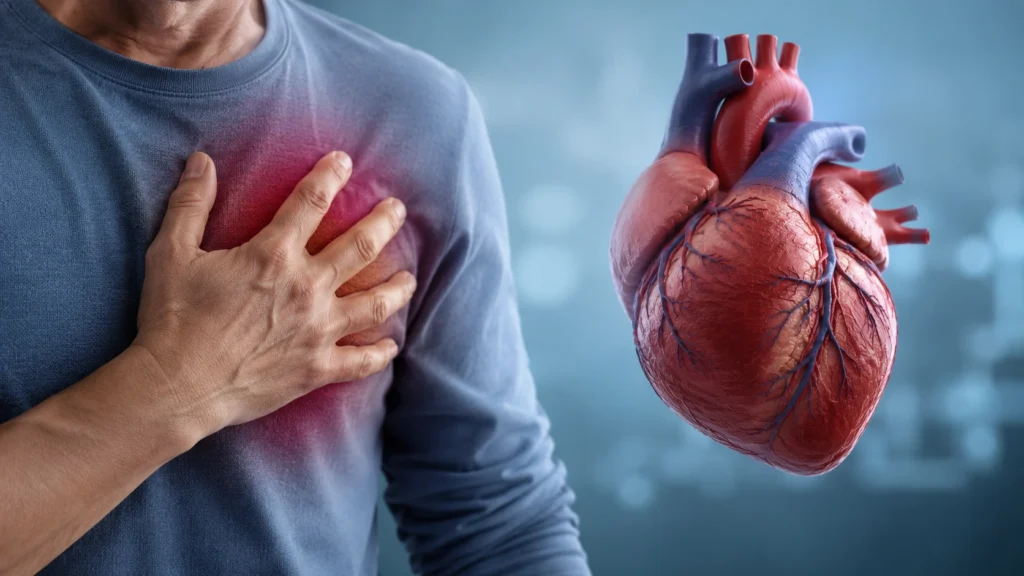
Heart failure is a serious medical condition, but the name often creates confusion. It does not mean that the heart has stopped working completely. It means the heart is not pumping blood as effectively as the body needs. Because of this, organs and tissues may not receive enough oxygen-rich blood, and symptoms like breathlessness, tiredness, swelling, and reduced exercise tolerance can begin to appear.
Many people ignore the early signs of heart failure because they seem ordinary at first. A little breathlessness while climbing stairs, swelling in the feet by evening, unexplained fatigue, or disturbed sleep may not feel alarming. But when these symptoms continue, worsen, or occur together, they may point to an underlying heart problem that needs timely evaluation.
Heart failure is not one single disease. It is usually the result of another condition damaging the heart over time. High blood pressure, coronary artery disease, past heart attack, valve disease, diabetes, obesity, arrhythmias, and long-term stress on the heart can all contribute. In some patients, the heart muscle becomes weak and cannot pump properly. In others, the heart becomes stiff and cannot relax properly between beats. Both patterns can lead to heart failure.
What is heart failure?
Heart failure is a chronic condition in which the heart cannot pump enough blood to meet the body’s needs. It may affect the left side of the heart, the right side, or both sides. It may also happen because the heart becomes too weak to pump effectively or too stiff to fill normally.
The word “failure” can sound frightening, but in medical terms it does not always mean sudden collapse. Many people live for years with heart failure when it is diagnosed early and managed properly. However, without treatment, it can gradually worsen and affect breathing, activity, fluid balance, and overall quality of life.
Heart failure is often classified based on how the heart’s pumping ability is affected. In some patients, the pumping strength is reduced. In others, the pumping strength is preserved, but the heart cannot relax properly. Both forms can cause significant symptoms and require medical care.
Key facts about heart failure
- It is a chronic and often progressive condition.
- It usually develops as a result of another heart or health problem.
- It may cause shortness of breath, fatigue, swelling, and weakness.
- It can affect daily activities, sleep, and physical endurance.
- Early treatment can improve symptoms and quality of life.
- Regular follow-up is important to prevent worsening.
Types of heart failure
Heart failure can appear in different forms depending on which side of the heart is affected and how the heart muscle is functioning.
- Left-sided heart failure: This is the most common form. The left side of the heart is responsible for pumping oxygen-rich blood to the body. When it does not work properly, blood may back up into the lungs, causing breathlessness and coughing.
- Right-sided heart failure: The right side of the heart pumps blood to the lungs. When it weakens, blood may back up into the veins, leading to swelling in the legs, ankles, feet, abdomen, and sometimes the liver.
- Systolic heart failure: In this form, the heart muscle becomes weak and cannot pump with enough force. This is also called heart failure with reduced ejection fraction.
- Diastolic heart failure: In this form, the heart muscle becomes stiff and cannot relax normally to fill with blood. This is also called heart failure with preserved ejection fraction.
- Acute heart failure: This develops suddenly or worsens rapidly. It may require emergency treatment, especially if there is severe breathlessness, chest discomfort, or low blood pressure.
- Chronic heart failure: This develops slowly over time and continues long term. Symptoms may come and go, but the condition needs ongoing management.
Common classification points
- Left-sided heart failure affects breathing more.
- Right-sided heart failure causes more swelling.
- Systolic heart failure means weak pumping.
- Diastolic heart failure means stiff filling.
- Acute heart failure needs urgent care.
- Chronic heart failure needs long-term monitoring.
Who is at risk for herat failure?
Heart failure can affect adults of different ages, but the risk becomes higher when the heart has been under stress for years. Many patients have more than one risk factor.
Heart failure may develop gradually over years. Many people are diagnosed only after symptoms interfere with routine daily activities.
People at higher risk
- People with long-standing high blood pressure.
- Patients with coronary artery disease or previous heart attack.
- People with valve disease.
- Patients with diabetes.
- People with obesity.
- Patients with irregular heart rhythms.
- People with a family history of heart disease.
- People who smoke or drink heavily.
- Patients with kidney disease or thyroid disease.
- People with long-standing anaemia or sleep apnea.
Common risk pattern
- Uncontrolled blood pressure increases strain on the heart.
- Blocked heart arteries reduce blood supply to the heart muscle.
- Previous heart attack may weaken the pumping function.
- Valve problems may force the heart to work harder.
- Diabetes and obesity increase long-term cardiovascular risk.
- Irregular heart rhythm can reduce the heart’s pumping efficiency.
Causes and risk factors of heart failure
Heart failure is usually caused by conditions that damage the heart or make it work too hard over time.
Heart failure is often not caused by one single factor. It is usually the result of several problems acting together over time.
Main causes
- Coronary artery disease, which reduces blood flow to the heart muscle.
- High blood pressure, which makes the heart pump against greater resistance.
- Past heart attack, which can leave the heart muscle weakened.
- Valve disease, which can cause leakage or obstruction.
- Cardiomyopathy, which is a disease of the heart muscle itself.
- Congenital heart disease, present from birth.
- Arrhythmias, which disturb the heart’s rhythm and efficiency.
- Long-term alcohol misuse.
- Diabetes, which damages blood vessels and heart function.
- Thyroid disorders, which can affect heart rate and strength.
Risk factors
- Smoking.
- Obesity.
- Lack of physical activity.
- High salt intake.
- Chronic kidney disease.
- Poorly controlled diabetes.
- High cholesterol.
- Long-term stress on the heart.
- Family history of cardiovascular disease.
Common symptoms of heart failure
The symptoms of heart failure can be mild in the beginning and may gradually become more noticeable.
Early symptoms
- Breathlessness during activity.
- Tiredness or weakness.
- Reduced exercise tolerance.
- Swelling in the feet or ankles.
- Needing more pillows to sleep comfortably.
- Sudden waking at night with breathlessness.
- Weight gain due to fluid retention.
More advanced symptoms
- Breathlessness even at rest.
- Swelling in the legs, abdomen, or hands.
- Persistent cough, especially when lying down.
- Fast or irregular heartbeat.
- Loss of appetite.
- Difficulty lying flat.
- Confusion or poor concentration.
- Reduced ability to walk or climb stairs.
Symptoms that should not be ignored
- Breathlessness that is getting worse.
- Swelling that is increasing.
- Chest discomfort.
- Dizziness or fainting.
- Sudden weight gain over a few days.
- Reduced urine output.
- Severe fatigue that affects daily life.
Common symptom pattern
- Fluid builds up because the heart cannot pump effectively.
- Lungs may become congested, causing shortness of breath.
- Legs and ankles may swell due to fluid retention.
- The body may feel tired because tissues receive less blood and oxygen.
- Sleep can become disturbed due to breathing difficulty at night.
How is heart failure diagnosed?
Diagnosis begins with a careful history and physical examination. The doctor will ask about breathlessness, swelling, tiredness, past heart disease, high blood pressure, diabetes, and family history.
Early diagnosis matters because the sooner treatment begins, the better the chances of controlling symptoms and reducing hospitalization.
Diagnostic tests
- Blood tests to check kidney function, electrolytes, thyroid function, blood count, and heart-related markers.
- ECG to assess heart rhythm and signs of old or current heart strain.
- Chest X-ray to look for heart enlargement or fluid in the lungs.
- Echocardiogram to assess pumping strength, valve function, and heart structure.
- Stress testing in selected patients to assess coronary artery disease or exercise tolerance.
- Coronary evaluation when blocked arteries are suspected.
- Cardiac MRI in some cases for detailed assessment of the heart muscle.
- Holter monitoring if arrhythmia is suspected.
Why echocardiography is important
- It helps show how well the heart is pumping.
- It evaluates the heart valves.
- It can detect thickened or stiff heart muscle.
- It helps classify the type of heart failure.
- It guides treatment decisions.
Diagnosis is more likely when
- A patient has breathlessness, fatigue, and swelling.
- There is a history of high blood pressure or heart disease.
- The heart is enlarged or weak on testing.
- Fluid overload is present.
- Symptoms improve with heart failure treatment.
Stages of heart failure
Heart failure is often understood in stages, from risk without symptoms to advanced disease.
Stage overview
- Stage A: High risk, but no structural heart disease yet.
- Stage B: Structural heart disease present, but no symptoms yet.
- Stage C: Structural heart disease with symptoms.
- Stage D: Advanced heart failure with severe symptoms despite treatment.
Why staging matters
- It helps doctors choose the right treatment.
- It shows how advanced the condition is.
- It helps identify when more intensive care is needed.
- It supports long-term planning for medicines, devices, or surgery.
Treatment options for heart failure
Treatment depends on the cause, severity, and type of heart failure. Most patients need a combination of medicines, lifestyle changes, and regular monitoring.
1. Medicines
Medicines are the foundation of treatment. They help reduce symptoms, improve heart function, and lower the risk of worsening.
Common medicines used
- Diuretics to remove extra fluid and reduce swelling.
- ACE inhibitors to help relax blood vessels and reduce strain on the heart.
- ARBs for similar blood pressure and heart support.
- Beta-blockers to slow the heart rate and improve heart function over time.
- Mineralocorticoid receptor antagonists to reduce fluid overload and improve outcomes.
- SGLT2 inhibitors, which are increasingly used in heart failure.
- Vasodilators in selected patients.
- Medicines to control blood pressure, diabetes, or heart rhythm when needed.
Why medicines matter
- They reduce breathlessness and swelling.
- They improve the heart’s efficiency.
- They lower the chance of hospitalization.
- They help prevent worsening disease.
- They can improve survival in many patients.
2. Lifestyle changes
Lifestyle support is essential, not optional.
- Reduce salt intake.
- Follow fluid advice given by the doctor.
- Monitor weight regularly.
- Stay physically active as advised.
- Stop smoking.
- Avoid alcohol excess.
- Maintain a healthy body weight.
- Take medicines on time.
- Attend follow-up visits regularly.
3. Diet and self-care
- Choose fresh, home-cooked meals when possible.
- Avoid processed foods high in sodium.
- Read food labels carefully.
- Follow fluid restrictions if prescribed.
- Watch for sudden weight gain.
- Keep a symptom diary if advised.
- Sleep with the head elevated if breathlessness is worse while lying flat.
4. Cardiac rehabilitation
- Helps patients return to safe activity.
- Improves stamina and confidence.
- Teaches exercise, diet, and medication habits.
- Supports long-term heart health.
5. Devices
Some patients need implanted devices to support heart function or correct rhythm problems.
- Pacemakers may help in selected rhythm or conduction problems.
- Implantable cardioverter defibrillators may reduce the risk of sudden cardiac death in selected patients.
- Cardiac resynchronization therapy may improve pumping efficiency in certain patients with conduction delay.
6. Procedures and surgery
In some cases, treating the underlying cause is necessary.
- Angioplasty or bypass surgery may be needed if blocked coronary arteries are causing heart failure.
- Valve repair or valve replacement may be needed if valve disease is the cause.
- Advanced cases may need specialized interventions in a cardiac center.
- Very severe end-stage heart failure may require advanced support or transplant evaluation in select patients.
Other Treatment Options
Because heart failure can affect several body systems, supportive care often plays an important role.
Supportive care points
- Regular blood pressure monitoring.
- Diabetes control.
- Kidney function monitoring.
- Rhythm monitoring if needed.
- Sleep apnea assessment in selected patients.
- Management of anaemia or thyroid problems when present.
- Vaccination support, especially to reduce risk of respiratory infections.
- Mental health support when anxiety or depression occurs.
Home monitoring
- Weigh yourself daily if advised.
- Look for swelling in feet, legs, or abdomen.
- Note any worsening breathlessness.
- Track medicine timing carefully.
- Report sudden changes early.
Benefits of treatment for heart failure
The main goal is not just symptom relief. It is to stabilize heart function, reduce risks, and help the patient live as fully as possible.
Treatment can make a meaningful difference, even when heart failure is chronic.
Main benefits
- Improved breathing.
- Less swelling.
- Better energy.
- Better sleep.
- Improved ability to walk and do daily tasks.
- Fewer hospital admissions.
- Better control of the underlying cause.
- Improved long-term outcomes.
What good treatment can achieve
- Reduce symptoms enough to return to routine life.
- Prevent fluid overload and worsening breathlessness.
- Improve heart function in suitable patients.
- Lower the risk of serious complications.
- Support a better quality of life.
Why choose Rama Hospital for heart failure treatment?
A condition page should also explain why the hospital is a trusted place for care.
- Specialist cardiology evaluation for complex heart failure cases.
- Access to diagnostic tests such as ECG, echocardiography, and advanced cardiac evaluation.
- Personalized treatment plans based on the patient’s cause and severity.
- Medicines, procedures, and follow-up care under one roof.
- Support for high blood pressure, diabetes, and other contributing conditions.
- Coordinated care for patients who need device therapy or surgery.
- Patient education focused on long-term management and prevention.
When to see a doctor for heart failure?
Heart failure can become serious if ignored. Medical attention should be sought when symptoms appear or worsen.
- Breathlessness during routine activity.
- Swelling in feet, ankles, or legs.
- Needing extra pillows to sleep.
- Tiredness that is not explained.
- Sudden weight gain over a few days.
- Persistent cough with breathlessness.
- Fast or irregular heartbeat.
- Reduced exercise tolerance.
What happens if heart failure is untreated?
Untreated heart failure can gradually worsen and affect several parts of the body.
The earlier heart failure is diagnosed and treated, the better the chance of slowing progression and improving daily life.
Possible complications
- Increasing breathlessness.
- Fluid buildup in the lungs.
- Severe swelling in the body.
- Kidney dysfunction.
- Liver congestion.
- Rhythm disturbances.
- Repeated hospital admissions.
- Poor quality of life.
- In severe cases, life-threatening deterioration.
Frequently Asked Questions (FAQs)
Is heart failure the same as a heart attack?
No. A heart attack happens when blood flow to the heart is suddenly blocked. Heart failure is a long-term condition in which the heart cannot pump blood effectively.
Can heart failure be cured?
Some causes of heart failure can be treated, and symptoms can often be controlled very well. However, many patients need long-term or lifelong management.
Can people live a normal life with heart failure?
Yes, many patients can live active and meaningful lives with the right treatment, follow-up, and lifestyle changes. Early diagnosis and regular care make a big difference.
Is swelling in the feet always heart failure?
No. Foot swelling can also happen due to kidney, liver, vein, or medication-related problems. It should always be evaluated by a doctor.
Does heart failure always cause chest pain?
No. Chest pain is not always present in heart failure. Breathlessness, fatigue, and swelling are often more common symptoms.
Can exercise help?
Yes, exercise can help many heart failure patients when it is medically advised and done safely. The activity plan should be tailored to the patient’s condition.
Is heart failure only a disease of older people?
No. It is more common with age, but younger people can also develop heart failure. This is especially true in congenital heart disease, cardiomyopathy, or untreated cardiac conditions.
Conclusion
Heart failure is a serious but manageable condition when identified early and treated properly. It can affect breathing, energy, sleep, mobility, and overall quality of life, but modern cardiology offers effective medicines, monitoring, devices, and procedures that can significantly improve outcomes.
The most important step is not to ignore symptoms. Breathlessness, swelling, fatigue, and reduced exercise tolerance should be evaluated rather than dismissed. With timely diagnosis, proper treatment, and regular follow-up, many patients can control heart failure well and continue to live active, meaningful lives.
At Rama Hospital, the goal is to provide expert heart failure care with a patient-focused approach, so treatment is not only about controlling symptoms but also about protecting long-term heart health.