Anal Fissure: Causes, Symptoms, Diagnosis, Treatment, and Prevention

An anal fissure is a small tear or cut in the lining of the anus. It is one of the most common causes of pain during bowel movements and bright red bleeding on the toilet paper or stool. Although it is not a life-threatening condition, it can cause significant discomfort, anxiety, and fear of passing stool. Many people delay seeking care because they feel embarrassed, but early treatment can relieve pain quickly and prevent the fissure from becoming chronic.

Anal fissures can affect people of all ages, including infants, children, adults, and older people. They often happen after passing hard or large stools, but can also occur with chronic diarrhea, childbirth, or certain medical conditions. Most acute fissures heal within a few weeks with simple measures such as stool softening, warm baths, and topical medicines. However, some fissures become chronic and may need stronger treatment or minor surgery.

What is an Anal Fissure?

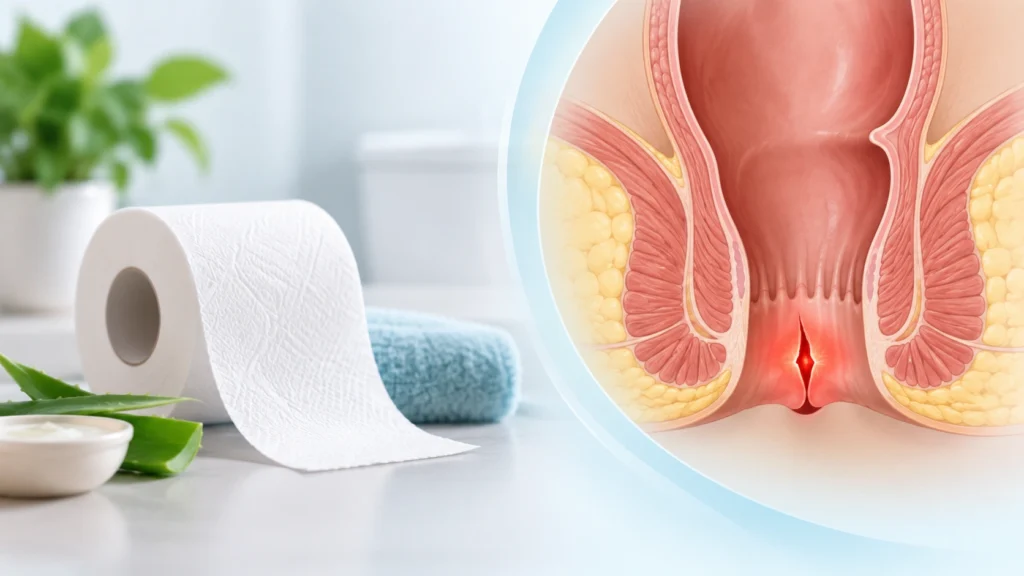
An anal fissure is a small or tear in the thin, moist tissue that lines the anus. This tissue is called the anal mucosa. When it tears, it causes sharp pain during and after passing stool. The pain can last from minutes to several hours. Many people also notice a small amount of bright red blood on the toilet paper or on the surface of the stool.

Most anal fissures are located in the midline at the back of the anus. Some may occur at the front, especially in women after childbirth. Fissures that are off to the side or multiple may suggest another underlying condition and need careful evaluation.

Fissures are classified as acute or chronic. An acute fissure is recent and usually heals within a few weeks. A chronic fissure lasts for more than six to eight weeks, may have raised edges, and sometimes has a small skin tag nearby. Chronic fissures are more likely to need advanced treatment.

Causes of Anal Fissure

The main cause of anal fissure is trauma to the anal lining. This often happens when a hard or large stool stretches and tears the delicate tissue. However, several other factors can contribute.

Common causes include:

  • Passing hard, dry, or large stools.
  • Chronic constipation and straining during bowel movements.
  • Chronic diarrhea causing repeated irritation.
  • Childbirth, especially with tearing or forceps delivery.
  • Anal intercourse.
  • Inflammatory bowel disease such as Crohn’s disease.
  • Infections in the anal area.
  • Reduced blood flow to the anal region.
  • Tight anal sphincter muscle causing high pressure.
  • Previous anal surgery or procedures.

Why the tear does not heal easily: The anal sphincter muscle can go into spasm after a tear. This spasm increases pressure, reduces blood flow, and makes healing difficult. Pain causes people to avoid passing stool, which leads to harder stools and more tearing. This creates a cycle of pain, spasm, and delayed healing.

Risk Factors for Anal Fissure

Some people are more likely to develop anal fissures than others.

Higher-risk groups

  • People with chronic constipation.
  • People with chronic diarrhea.
  • Women after childbirth.
  • Infants and young children.
  • People with low fiber diet and inadequate water intake.
  • People who ignore the urge to pass stool.
  • Patients with inflammatory bowel disease.
  • People with tight anal sphincter muscles.
  • Individuals with reduced mobility or sedentary lifestyle.
  • Patients with diabetes or poor wound healing.

Why risk increases in these groups

  • Hard stools increase mechanical trauma.
  • Diarrhea causes repeated irritation and moisture.
  • Childbirth can stretch and tear the anal area.
  • Low fiber and low fluid intake lead to constipation.
  • Delaying bowel movements makes stool harder and drier.
  • Certain diseases affect tissue healing and blood flow.

Symptoms of Anal Fissure

Symptoms are often very typical and can help distinguish fissure from other anorectal problems.

Common symptoms include:

  • Sharp, tearing, or burning pain during bowel movement.
  • Pain that continues for minutes to hours after passing stool.
  • Bright red blood on toilet paper or on the stool surface.
  • Small amount of bleeding, not usually mixed with stool.
  • Itching or irritation around the anus.
  • Visible crack or tear near the anal opening.
  • Fear of passing stool due to pain.
  • Constipation due to stool withholding.
  • Small skin tag near the fissure in chronic cases.

Signs of chronic fissure

  • Pain and bleeding for more than six to eight weeks.
  • Raised or thickened edges of the tear.
  • Visible skin tag or lump near the fissure.
  • Recurrent episodes despite home care.
  • Ongoing spasm and tightness in the anal area.

When symptoms suggest another problem

  • Heavy bleeding or blood mixed with stool.
  • Severe abdominal pain or fever.
  • Pus or discharge from the anus.
  • Multiple fissures or fissures in unusual locations.
  • Weight loss or change in bowel habits.

Anal Fissure in Children and Infants

Anal fissures are common in infants and young children, often due to hard stools or constipation. Most childhood fissures heal with stool softening, warm baths, and gentle care. Persistent cases need pediatric evaluation to rule out other conditions.

Common signs in children

  • Crying during or after bowel movements.
  • Blood streaks on stool or diaper.
  • Withholding stool due to pain.
  • Hard, pellet-like stools.
  • Irritability around bowel time.

Why it happens in children

  • Low fiber diet or inadequate fluids.
  • Transition to solid foods.
  • Toilet training stress.
  • Ignoring the urge to pass stool.
  • Minor trauma from hard stools.

How is Anal Fissure Diagnosed?

Diagnosis is usually based on symptoms and physical examination. Most fissures can be seen by gently examining the anal area.

Diagnostic steps

  • Detailed history of pain, bleeding, and bowel habits.
  • Review of constipation, diarrhea, or childbirth history.
  • Medication and medical history review.
  • Gentle visual examination of the anal opening.
  • Digital rectal examination if tolerated and needed.
  • Further tests only if the diagnosis is unclear or fissure is atypical.

Tests that may be done in selected cases

  • Anoscopy to visualize the anal canal.
  • Colonoscopy if there are other concerning symptoms.
  • Blood tests if inflammatory bowel disease is suspected.
  • Imaging or specialist referral for complex or recurrent cases.

Why diagnosis matters: Correct diagnosis helps distinguish fissure from hemorrhoids, abscess, fistula, or other conditions. It also helps identify underlying causes such as constipation, diarrhea, or inflammatory disease that need treatment.

Treatment for Anal Fissure

Treatment aims to relieve pain, promote healing, break the spasm cycle, and prevent recurrence. Most acute fissures heal with conservative measures. Chronic or recurrent fissures may need stronger treatment.

1. Stool softening and bowel regulation

This is the foundation of treatment.

  • Increase fiber intake through fruits, vegetables, whole grains, and pulses.
  • Drink adequate water throughout the day.
  • Use stool softeners or bulk-forming agents if advised.
  • Avoid straining during bowel movements.
  • Do not delay the urge to pass stool.
  • Establish a regular bowel routine.

2. Warm sitz baths

Warm water baths can relax the anal muscle and improve blood flow.

  • Sit in warm water for ten to fifteen minutes.
  • Do this two to three times a day, especially after bowel movements.
  • Keep the water clean and comfortably warm.
  • Gently pat the area dry afterward.

3. Topical medicines

Medicines applied locally can reduce pain and spasm.

  • Anesthetic gels or creams for pain relief.
  • Medicated ointments to relax the sphincter muscle.
  • Barrier creams to protect the skin from irritation.
  • Use exactly as prescribed and for the recommended duration.

4. Oral medicines

Some patients may need tablets to support healing.

  • Stool softeners to prevent hard stools.
  • Pain relief medicines if needed.
  • Medicines to relax the anal sphincter in chronic cases.
  • Treatment for underlying conditions such as inflammatory bowel disease.

5. Treatment for chronic or recurrent fissure

If conservative treatment fails after several weeks, stronger options may be considered.

  • Stronger topical or injectable medicines to relax the sphincter.
  • Botulinum toxin injection to temporarily reduce muscle spasm.
  • Minor surgical procedure if medicines are not effective.

6. Surgical treatment

Surgery is reserved for chronic fissures that do not heal with other treatment.

  • Lateral internal sphincterotomy is the most common procedure.
  • It involves a small cut in part of the internal sphincter muscle.
  • This reduces spasm and improves blood flow to allow healing.
  • It is usually a day-care procedure with quick recovery.
  • Risks such as minor leakage are discussed beforehand.

Home Care for Anal Fissure

Home care plays a major role in healing and preventing recurrence.

Helpful home care steps

  • Follow a high fiber diet with plenty of fluids.
  • Take warm sitz baths regularly.
  • Use prescribed creams or ointments correctly.
  • Avoid straining or prolonged time on the toilet.
  • Keep the anal area clean and dry.
  • Use soft toilet paper or gentle cleansing.
  • Avoid spicy or irritating foods if they worsen symptoms.
  • Do not use over-the-counter steroid creams without advice.

Bowel habit tips

  • Go to the toilet when you feel the urge.
  • Do not force or strain.
  • Use a footstool to improve posture if helpful.
  • Limit time on the toilet to avoid pressure.

Diet Advice for Anal Fissure

Diet directly affects stool consistency and healing.

Foods that help

  • Whole grains such as oats, brown rice, and whole wheat.
  • Fruits such as papaya, prunes, pears, and apples.
  • Vegetables, especially leafy greens.
  • Pulses, lentils, and beans.
  • Nuts and seeds in moderation.
  • Adequate water and fluids throughout the day.

Foods to limit or avoid during healing

  • Very spicy or irritating foods if they cause discomfort.
  • Excess cheese or processed foods that may cause constipation.
  • Low fiber refined foods in large amounts.
  • Inadequate fluid intake.

Important dietary points

  • Fiber without enough water can worsen constipation.
  • Changes should be gradual to avoid gas or bloating.
  • Long-term healthy eating helps prevent recurrence.

Possible Complications of Anal Fissure

Most anal fissures heal without major problems, but untreated or chronic fissures can lead to complications.

  • Chronic pain and discomfort.
  • Persistent bleeding.
  • Fear of bowel movements and worsening constipation.
  • Development of a skin tag or sentinel pile.
  • Infection in rare cases.
  • Progression to fistula or abscess in complex disease.
  • Impact on quality of life and mental well-being.

Why complications happen: Ongoing spasm, hard stools, and delayed healing create a cycle that keeps the fissure open. Without breaking this cycle, the tear may not heal properly and can become chronic.

When Should You See a Doctor?

Medical evaluation is important if symptoms are severe, persistent, or atypical.

  • Pain and bleeding last more than two to three weeks.
  • Symptoms keep coming back.
  • There is heavy bleeding or blood mixed with stool.
  • You have fever, pus, or severe swelling.
  • You have multiple fissures or fissures in unusual locations.
  • You have inflammatory bowel disease or other chronic illness.
  • Home care and over-the-counter measures are not helping.

Prevention of Anal Fissure

Prevention focuses on keeping stools soft, avoiding straining, and maintaining good anal hygiene.

  • Eat a high fiber diet regularly.
  • Drink enough water daily.
  • Do not ignore the urge to pass stool.
  • Avoid straining during bowel movements.
  • Maintain regular physical activity.
  • Manage constipation or diarrhea promptly.
  • Use gentle cleansing after bowel movements.
  • Seek early care for recurrent anorectal symptoms.

Special prevention advice for high-risk groups

  • Postpartum women should focus on stool softening and hydration.
  • Children need adequate fiber, fluids, and toilet routine.
  • Patients with inflammatory bowel disease need close follow-up.
  • Older adults should avoid constipation through diet and activity.

Why Choose Rama Hospital for Anal Fissure Treatment?

Anal fissure may seem like a minor problem, but it can significantly affect daily life. A hospital with experienced colorectal or general surgery specialists can provide accurate diagnosis, effective treatment, and guidance to prevent recurrence.

  • Proper evaluation to confirm fissure and rule out other conditions.
  • Personalized treatment based on acute or chronic status.
  • Access to advanced topical, injectable, and surgical options.
  • Support for bowel regulation and diet.
  • Follow-up care to ensure complete healing.
  • Education on prevention and long-term bowel health.

Frequently Asked Questions (FAQs)

What causes anal fissure?

The most common cause is passing hard or large stools that tear the anal lining. Chronic constipation, diarrhea, childbirth, and certain medical conditions can also contribute. Muscle spasm and reduced blood flow can delay healing.

Can anal fissure heal on its own?

Many acute fissures heal within a few weeks with stool softening, warm baths, and topical care. Chronic fissures that last more than six to eight weeks often need stronger treatment or minor surgery.

Is anal fissure the same as hemorrhoids?

No, they are different conditions. Fissure is a tear in the anal lining causing sharp pain and small bleeding. Hemorrhoids are swollen veins that may cause bleeding, itching, or lumps. Both can occur together and need proper diagnosis.

Does anal fissure require surgery?

Most fissures do not need surgery and heal with conservative treatment. Surgery is considered only for chronic fissures that do not respond to medicines and home care. It is usually a minor day-care procedure.

Can anal fissure come back?

Yes, fissures can recur if constipation, straining, or poor bowel habits return. Long-term prevention through diet, fluids, and healthy bowel routine is important to reduce recurrence.

Is it safe to use over-the-counter creams?

Some creams can provide temporary relief, but using them without guidance may delay proper treatment. Medicated ointments for fissure should be used under medical advice for best results.

Can children get anal fissure?

Yes, anal fissures are common in infants and children, often due to hard stools or constipation. Most heal with stool softening, warm baths, and gentle care. Persistent cases need pediatric evaluation.

Conclusion

Anal fissure is a common and treatable condition that causes pain and bleeding during bowel movements. Most cases are due to hard stools, constipation, or minor trauma and heal with simple measures such as stool softening, warm baths, and topical treatment. Chronic or recurrent fissures may need stronger medicines or minor surgery, but outcomes are generally very good.

The most important steps are early attention to symptoms, proper bowel habits, adequate fiber and fluids, and timely medical care when needed. For patients with ongoing pain, bleeding, or fear of bowel movements, a specialist evaluation can provide relief and prevent long-term problems. With the right care, most people recover fully and return to comfortable daily life.

Rama Hospital can help evaluate anal fissure, provide effective treatment options, and guide patients on diet, bowel habits, and prevention to support complete healing and long-term anorectal health.

Table of Contents

Explore More

What to Know More About Anal fissure

Find Ailments & Treatments

Search Ailments

Quickly find the information you need. Search our database to explore detailed information on various diseases and conditions, including symptoms, causes, and treatment options.

Search Treatments

Quickly find the information you need. Search our database to explore detailed information on various diseases and conditions, including symptoms, causes, and treatment options.

Recommended Reading

Video Playlist

No rows found.

Experience Healthcare the Rama Way

Emergency • OPD • Surgery • ICU Care

Need Help? Talk to our experts

Get a callback from our experts

Request a callback