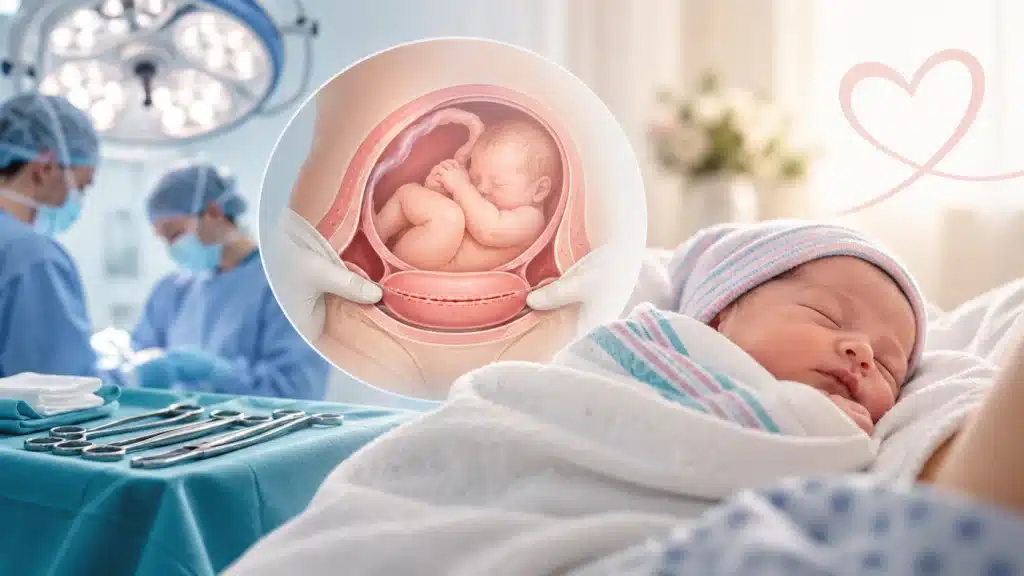
A Caesarean section, commonly called a C-section, is a surgical procedure used to deliver a baby through an incision in the mother’s abdomen and uterus. It is one of the most common surgical procedures performed worldwide and can be a life-saving intervention for both mother and baby when vaginal delivery is not safe or possible. While many pregnancies progress to normal vaginal delivery, some situations require a C-section to ensure the safety and well-being of both the mother and the newborn.
C-sections may be planned in advance when certain risk factors are identified during pregnancy, or they may be performed urgently during labor if complications arise. The decision to perform a C-section is always made with the primary goal of protecting maternal and fetal health. Modern surgical techniques, anesthesia, and post-operative care have made C-sections safer than ever before, with most mothers recovering well and bonding with their babies shortly after delivery.
What is a Caesarean Section?
A Caesarean section is a surgical procedure where a baby is delivered through incisions made in the mother’s abdominal wall and uterus. The procedure is performed by an obstetrician in an operating room with a team of healthcare professionals including anesthesiologists, nurses, and pediatricians.
The surgery typically takes 30 to 60 minutes from start to finish. The actual delivery of the baby usually occurs within the first 5 to 10 minutes, while the remaining time is spent closing the incisions carefully. Most mothers are awake during the procedure thanks to regional anesthesia, though general anesthesia may be used in emergency situations.
C-sections can be planned or unplanned. A planned C-section is scheduled in advance when medical indications are known before labor begins. An unplanned C-section may become necessary during labor if complications develop that make vaginal delivery unsafe.
Indications for Caesarean Section
There are many medical reasons why a C-section may be recommended. The decision is always based on careful assessment of risks and benefits for both mother and baby.
Common indications include:
- Previous C-section with certain types of uterine incisions.
- Placenta previa where the placenta covers the cervix.
- Placental abruption where the placenta separates prematurely.
- Breech presentation where the baby is positioned feet or bottom first.
- Transverse lie where the baby is positioned sideways.
- Multiple pregnancies with complications.
- Fetal distress during labor.
- Prolonged or stalled labor that does not progress.
- Cephalopelvic disproportion where the baby’s head is too large for the mother’s pelvis.
- Active genital herpes infection at the time of delivery.
- Certain maternal medical conditions such as severe heart disease.
- Umbilical cord problems such as cord prolapse.
- Failed induction of labor.
- Maternal request in some cases after counseling.
Emergency indications
- Severe fetal heart rate abnormalities.
- Heavy bleeding from placental problems.
- Uterine rupture.
- Severe preeclampsia or eclampsia.
- Cord compression or prolapse.
- Maternal hemodynamic instability.
Types of Caesarean Section
C-sections can be classified based on timing, urgency, and surgical technique.
Based on timing
- Planned or elective C-section, which is scheduled in advance before labor begins.
- Emergency C-section, which is performed when complications arise during labor.
- Urgent C-section, which is needed quickly but is not immediately life-threatening.
- Crash C-section, which is performed in extreme emergencies within minutes.
Based on surgical technique
- Lower segment Caesarean section, which is the most common type using a horizontal incision.
- Classical Caesarean section, which uses a vertical incision and is reserved for specific situations.
- Repeat Caesarean section, which is performed for women who have had previous C-sections.
Based on anesthesia
- Spinal anesthesia, where numbness is achieved from the waist down.
- Epidural anesthesia, which can be topped up if labor converts to C-section.
- General anesthesia, used in emergencies or when regional anesthesia is not possible.
Pre-Operative Preparation
Proper preparation helps ensure a safe surgery and smooth recovery.
Pre-operative steps
- Complete medical history and physical examination.
- Blood tests including blood type and hemoglobin levels.
- Ultrasound to confirm baby’s position and placental location.
- Anesthesia consultation to discuss options and risks.
- Fasting for 6 to 8 hours before surgery if planned.
- Intravenous line placement for fluids and medications.
- Antibiotic administration to prevent infection.
- Urinary catheter placement to keep the bladder empty.
- Shaving or trimming of the surgical area if needed.
- Consent forms signed after discussion with the medical team.
Patient education
- Discussion of the procedure and what to expect.
- Explanation of anesthesia options and pain management.
- Information about recovery timeline and hospital stay.
- Breastfeeding support and early skin-to-skin contact.
- Family involvement and partner support during the process.
The Caesarean Section Procedure
Understanding the procedure can help reduce anxiety and prepare expectant mothers for what will happen.
Step-by-step procedure
- Patient is positioned on the operating table with arms secured.
- Anesthesia is administered to ensure comfort during surgery.
- Abdominal area is cleaned with antiseptic solution.
- Sterile drapes are placed to maintain a clean surgical field.
- A horizontal incision is made just above the pubic hairline.
- Layers of tissue are carefully separated to reach the uterus.
- A small incision is made in the lower segment of the uterus.
- Baby is gently delivered through the opening.
- Umbilical cord is clamped and cut.
- Baby is handed to the pediatric team for assessment.
- Placenta is removed from the uterus.
- Uterine incision is closed with dissolvable stitches.
- Abdominal layers are closed in sequence.
- Skin is closed with stitches, staples, or surgical glue.
- Dressing is applied to the incision site.
During the procedure
- Most mothers remain awake and can hear their baby cry.
- Partner may be allowed in the operating room in some cases.
- Baby can often be shown to the mother immediately after delivery.
- Skin-to-skin contact may be possible in the operating room.
- Medical team monitors vital signs throughout the procedure.
Anesthesia Options
Anesthesia ensures the mother feels no pain during the surgery while remaining safe and comfortable.
Spinal anesthesia
- Single injection into the spinal fluid.
- Provides complete numbness from waist down.
- Mother remains awake during delivery.
- Quick onset and reliable pain control.
- Most commonly used for planned C-sections.
Epidural anesthesia
- Catheter placed in the epidural space.
- Can be used for labor pain and topped up for C-section.
- Allows for continuous pain relief.
- Often used when labor converts to C-section.
- Mother remains awake and alert.
General anesthesia
- Mother is completely asleep during surgery.
- Used in emergencies or when regional anesthesia is not possible.
- Quick induction for urgent situations.
- Partner typically not allowed in operating room.
- May cause more post-operative drowsiness.
Recovery After Caesarean Section
Recovery from a C-section takes longer than vaginal delivery, but most women recover well with proper care and support.
Immediate post-operative period
- Recovery in post-anesthesia care unit for 1 to 2 hours.
- Monitoring of vital signs, bleeding, and pain levels.
- Urinary catheter remains in place for 12 to 24 hours.
- Intravenous fluids continue until oral intake is tolerated.
- Pain medication provided for comfort.
- Early mobilization encouraged within 6 to 12 hours.
- Baby can be brought to the mother for bonding and feeding.
Hospital stay
- Typical stay is 2 to 4 days after C-section.
- Daily monitoring of incision site and vital signs.
- Assistance with breastfeeding and baby care.
- Pain management with oral medications.
- Bowel function monitoring and stool softeners if needed.
- Education on home care and warning signs.
- Follow-up appointment scheduled before discharge.
At-home recovery
- Rest is essential for the first 2 weeks.
- Avoid heavy lifting for 6 weeks.
- Walk regularly to promote circulation and healing.
- Take pain medication as prescribed.
- Keep incision clean and dry.
- Watch for signs of infection or complications.
- Attend all follow-up appointments.
- Gradual return to normal activities over 6 to 8 weeks.
Post-Operative Care Instructions
Proper care at home promotes healing and reduces the risk of complications.
Incision care
- Keep the incision area clean and dry.
- Gently wash with mild soap and water.
- Pat dry gently, do not rub.
- Change dressings as instructed.
- Watch for redness, swelling, or discharge.
- Avoid soaking in baths until cleared by doctor.
- Wear loose, comfortable clothing.
Pain management
- Take prescribed pain medications on schedule.
- Use ice packs for swelling and discomfort.
- Change positions slowly to avoid pain.
- Use pillows for support when sitting or lying.
- Report severe or worsening pain to the doctor.
Activity guidelines
- Walk short distances several times daily.
- Avoid climbing stairs excessively in the first week.
- Do not lift anything heavier than the baby for 6 weeks.
- Avoid strenuous exercise for 6 to 8 weeks.
- Resume driving only when cleared by the doctor.
- Return to work typically after 6 to 8 weeks.
Nutrition and hydration
- Drink plenty of fluids, especially if breastfeeding.
- Eat a balanced diet rich in protein and fiber.
- Include fruits, vegetables, and whole grains.
- Avoid constipation with adequate fiber and fluids.
- Take prenatal vitamins as recommended.
- Limit caffeine and avoid alcohol if breastfeeding.
Breastfeeding After Caesarean Section
Breastfeeding is encouraged after C-section and provides important benefits for both mother and baby.
Breastfeeding support
- Skin-to-skin contact as soon as possible.
- Help with positioning to avoid pressure on incision.
- Side-lying or football hold positions may be more comfortable.
- Lactation consultant support available.
- Early and frequent feeding establishes milk supply.
- Pain medication compatible with breastfeeding.
Benefits of breastfeeding
- Promotes bonding between mother and baby.
- Provides optimal nutrition for the newborn.
- Helps uterus contract and reduce bleeding.
- May aid in postpartum weight loss.
- Reduces risk of certain cancers for mother.
- Provides immune protection for baby.
Potential Risks and Complications
While C-sections are generally safe, like any surgery, there are potential risks that patients should be aware of.
Maternal risks
- Infection of the incision or uterus.
- Blood loss requiring transfusion.
- Blood clots in legs or lungs.
- Injury to nearby organs such as bladder or bowel.
- Adverse reaction to anesthesia.
- Longer recovery time compared to vaginal delivery.
- Increased risk in future pregnancies.
- Scar tissue formation.
Baby risks
- Breathing problems, especially if delivered before 39 weeks.
- Minor cuts or nicks during surgery.
- Delayed establishment of breastfeeding.
- Longer hospital stay in some cases.
Long-term considerations
- Increased risk of placental problems in future pregnancies.
- Possible need for repeat C-sections.
- Scar tissue may cause adhesions.
- Slightly higher risk of uterine rupture in future pregnancies.
When to Seek Medical Attention?
Certain symptoms after C-section require immediate medical evaluation.
Contact your doctor if you experience:
- Fever above 100.4 degrees Fahrenheit.
- Increasing pain at the incision site.
- Redness, swelling, or warmth around the incision.
- Pus or foul-smelling discharge from the incision.
- Heavy vaginal bleeding or large clots.
- Severe headache or vision changes.
- Pain or swelling in the legs.
- Difficulty breathing or chest pain.
- Signs of depression or severe mood changes.
- Difficulty urinating or painful urination.
- Nausea, vomiting, or inability to keep fluids down.
- No bowel movement for several days.
Emergency warning signs
- Severe abdominal pain.
- Heavy bleeding soaking through pads.
- Signs of blood clots such as leg swelling or chest pain.
- Severe headache with vision changes.
- Thoughts of harming yourself or the baby.
- High fever with chills.
Future Pregnancies After Caesarean Section
Many women wonder about future pregnancies after having a C-section.
Considerations for future pregnancies
- Most women can have vaginal delivery after one C-section.
- Success rate for vaginal birth after C-section is 60 to 80 percent.
- Type of uterine incision affects future delivery options.
- Waiting 18 to 24 months before next pregnancy is recommended.
- Early prenatal care is important in subsequent pregnancies.
- Discussion of delivery options with obstetrician early in pregnancy.
VBAC considerations
- Vaginal birth after C-section is possible for many women.
- Requires careful monitoring during labor.
- Not recommended for all patients.
- Discussion of risks and benefits with healthcare provider.
- Availability of emergency C-section capability is essential.
Why Choose Rama Hospital for Caesarean Section?
Choosing the right hospital for C-section delivery is an important decision for expectant mothers and families.
- Experienced obstetricians and surgical team.
- Modern operating rooms with advanced equipment.
- 24-hour availability of anesthesia and pediatric support.
- Comprehensive maternal and fetal monitoring.
- Dedicated post-operative care units.
- Lactation consultants and breastfeeding support.
- Comfortable recovery rooms for mother and baby.
- Emergency capabilities for any complications.
Frequently Asked Questions (FAQs)
How long does a C-section take?
The actual surgery typically takes 30 to 60 minutes from start to finish. The baby is usually delivered within the first 5 to 10 minutes, while the remaining time is spent closing the incisions carefully. Recovery time in the hospital is typically 2 to 4 days.
Will I be awake during the procedure?
Most women remain awake during a C-section thanks to spinal or epidural anesthesia. This allows you to be alert and experience your baby’s birth. General anesthesia is used only in emergencies or when regional anesthesia is not possible.
How long is the recovery period?
Hospital stay is typically 2 to 4 days after C-section. Full recovery at home takes 6 to 8 weeks. Most women can resume light activities within 2 weeks but should avoid heavy lifting and strenuous exercise for 6 weeks or until cleared by their doctor.
Can I breastfeed after a C-section?
Yes, breastfeeding is encouraged after C-section and can begin as soon as you are alert and comfortable. Lactation consultants can help with positioning that avoids pressure on your incision. Breastfeeding provides important benefits for both mother and baby.
Will I need a C-section for future pregnancies?
Not necessarily. Many women can have a vaginal delivery after one C-section, known as VBAC. The decision depends on the reason for the first C-section, type of incision, and current pregnancy factors. Discuss options with your obstetrician early in pregnancy.
What are the risks of C-section?
Like any surgery, C-section carries risks including infection, blood loss, blood clots, and longer recovery time. However, modern techniques have made it very safe. Your medical team will take precautions to minimize risks and monitor you closely during and after surgery.
When can I resume normal activities?
Light walking can begin within hours after surgery. Most women can resume driving and light work after 4 to 6 weeks. Full return to normal activities including exercise typically takes 6 to 8 weeks. Always follow your doctor’s specific recommendations for your recovery.
Conclusion
A Caesarean section is a safe and common surgical procedure that plays a crucial role in modern obstetrics. While every effort is made to support vaginal delivery when possible, C-sections are essential interventions that protect the health and safety of both mothers and babies in many situations. With advances in surgical techniques, anesthesia, and post-operative care, most women recover well and go on to have healthy future pregnancies.
The most important factors for a successful C-section experience are proper medical indication, skilled surgical team, appropriate anesthesia, and comprehensive post-operative care. For expectant mothers facing C-section delivery, understanding the procedure, recovery process, and warning signs can help reduce anxiety and promote better outcomes. With the right support and care, mothers can focus on bonding with their newborns and recovering confidently.
Rama Hospital provides comprehensive Caesarean section care with experienced obstetricians, modern facilities, and dedicated support for mothers and families throughout the delivery and recovery process.