
Cardiac Surgery & Interventional Cardiology
The Cardiac Surgery & Cardiology Department provides comprehensive diagnosis and treatment for heart diseases using medical management, interventional cardiology, and advanced heart surgery. With modern Cath labs, cardiac ICUs, and experienced heart specialists, we ensure timely and effective treatment for both emergency and planned cardiac conditions.
140k+
Consults Done
20k+
Patients treated
1,600+
Procedures Done
30+
Years of Expertise

Ailments & Conditions
Congenital heart diseases are heart abnormalities present since birth that affect the structure and function of the heart. These conditions may involve defects in the heart walls, valves, or blood vessels and can range from mild to complex conditions requiring medical or surgical treatment. We provide expert diagnosis and treatment for the following diseases and medical conditions:
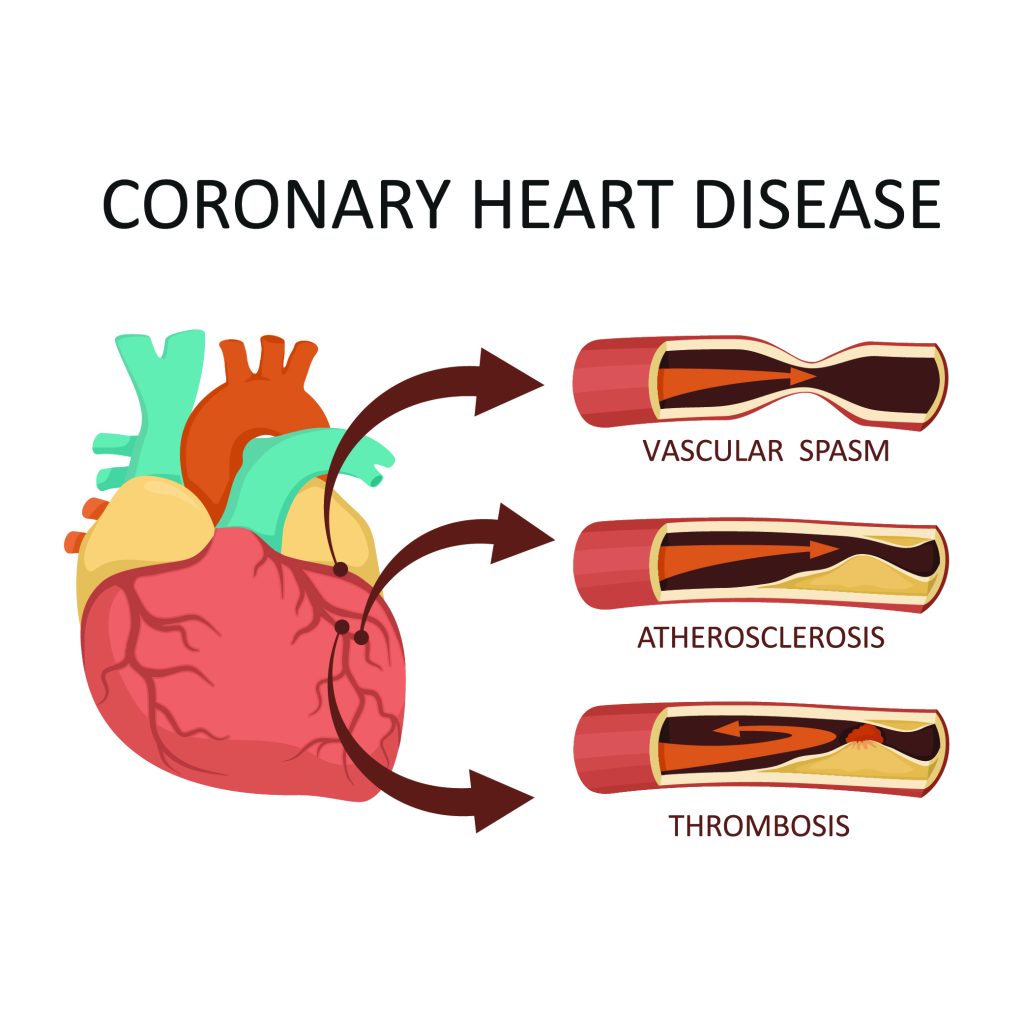
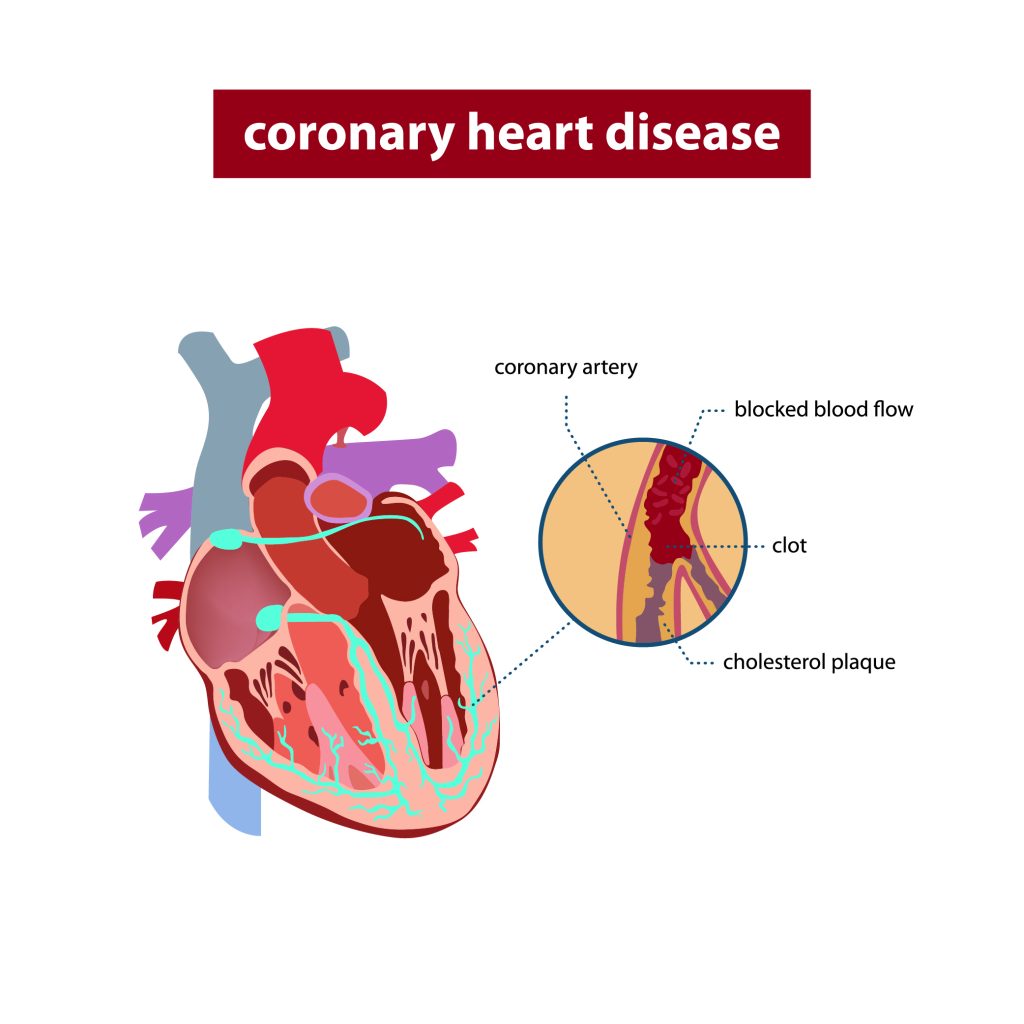
Coronary and Ischemic Heart Diseases occur when the blood supply to the heart muscles is reduced due to narrowing or blockage in the coronary arteries. These conditions can lead to chest pain, reduced heart function, heart attacks, and other serious cardiac complications. We offer advanced diagnosis and expert treatment for the following diseases and health conditions:
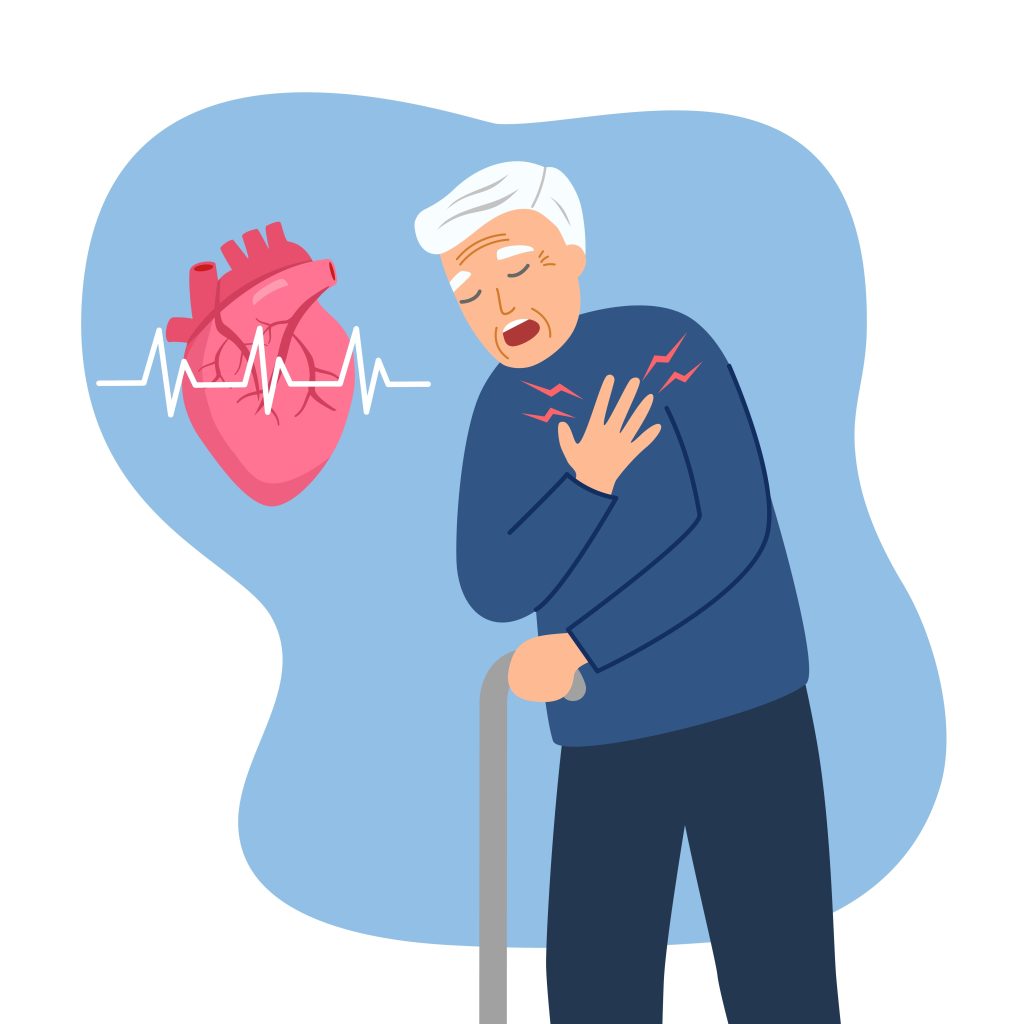
Heart Failure and Cardiomyopathies are conditions where the heart becomes weak, enlarged, stiff, or unable to pump blood efficiently. These disorders can affect overall heart function and may cause symptoms such as breathlessness, fatigue, swelling, and reduced physical activity. Our specialists provide comprehensive care and treatment for the following medical conditions:
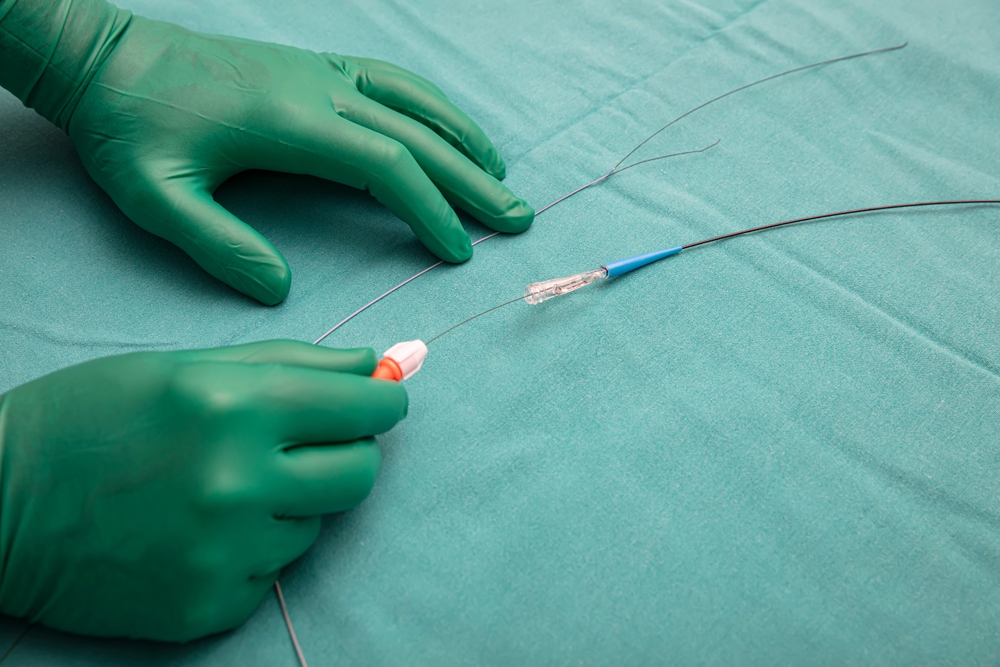
Heart rhythm disorders, also known as arrhythmias, occur when the heart beats too fast, too slow, or irregularly due to abnormal electrical signals in the heart. These conditions can affect the heart’s ability to pump blood effectively and may cause symptoms such as palpitations, dizziness, fainting, fatigue, or shortness of breath.We specialize in the diagnosis, management, and treatment of the following diseases:
Other cardiac conditions encompass a wide range of heart disorders that may affect the heart muscle, valves, electrical system, or surrounding structures. Early diagnosis, regular monitoring, and timely treatment are essential to prevent complications, improve heart function, and enhance overall cardiovascular health. Our cardiology specialists provide comprehensive care for the following conditions:
Preventive and lifestyle cardiology focuses on identifying and managing risk factors that contribute to heart disease before serious complications develop. Through early screening, risk assessment, lifestyle modification, and medical management, cardiovascular health can be significantly improved. Our cardiology specialists provide comprehensive care for the following conditions:
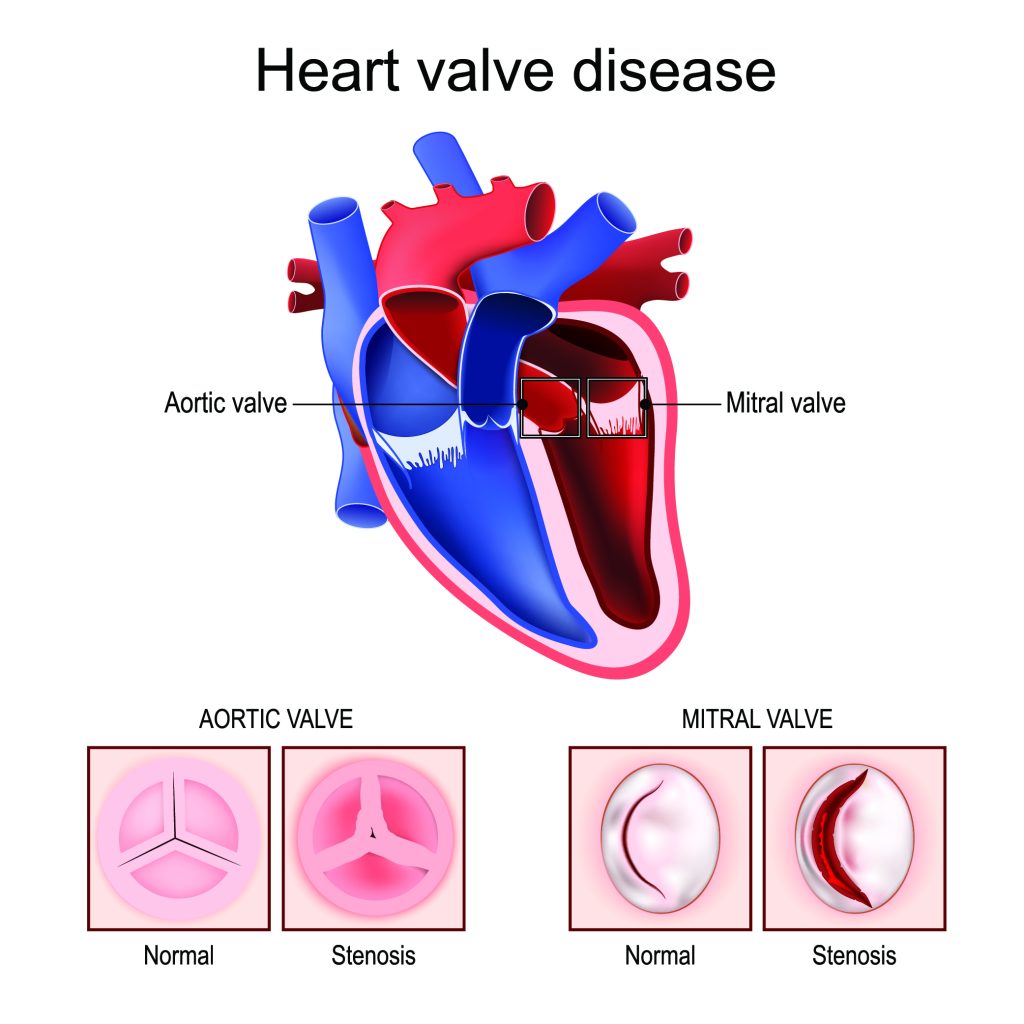
Structural and valvular heart diseases involve abnormalities in the heart valves or heart structure that affect normal blood flow. These conditions may cause leakage, narrowing, or improper functioning of the valves, leading to symptoms like chest pain, dizziness, fatigue, and shortness of breath. Expert medical care and personalized treatment are available for the following conditions:
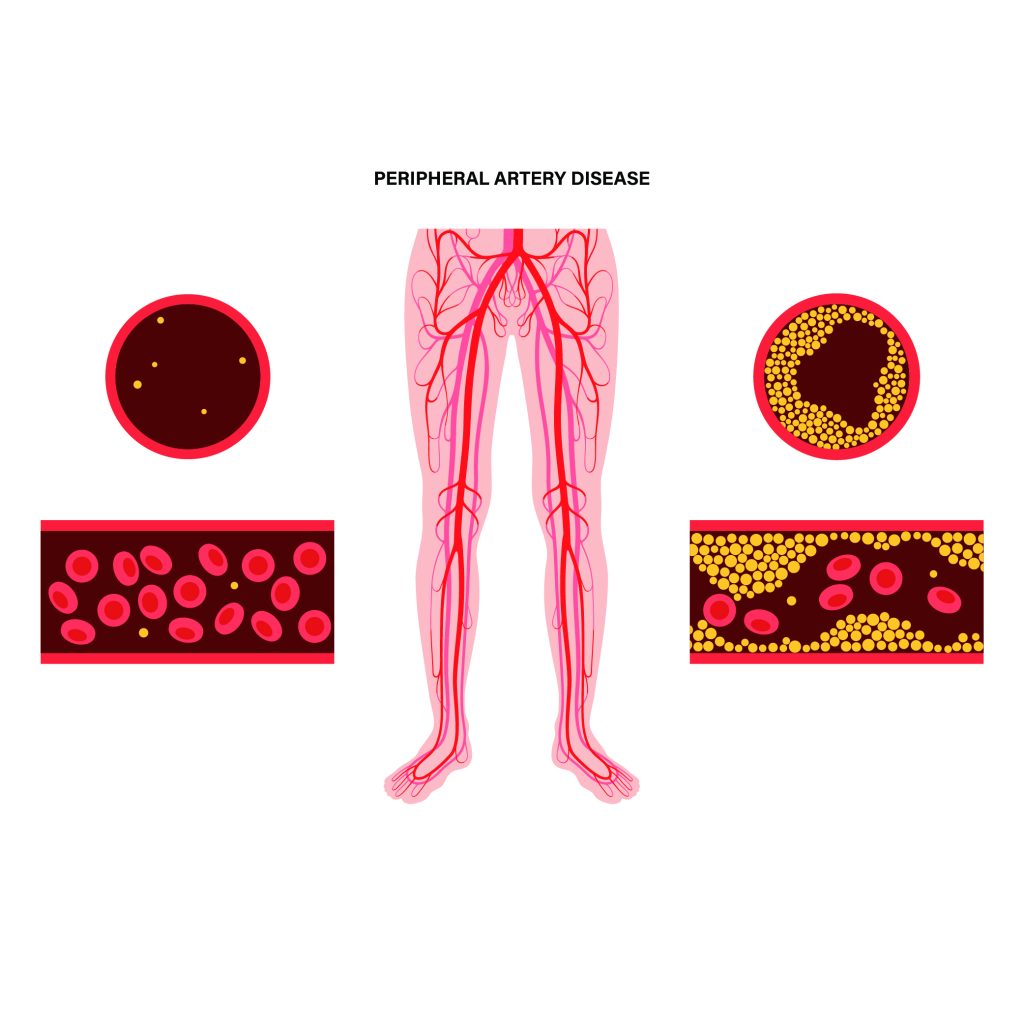
Vascular and Aortic Diseases affect the blood vessels and the aorta, the body’s main artery. These conditions may include narrowing, weakening, blockage, or enlargement of arteries, increasing the risk of stroke, poor circulation, aneurysm, or life-threatening complications if untreated. We provide comprehensive treatment solutions for the following diseases and disorders:
Treatments and Procedures
Non-Invasive Diagnostics
Invasive Diagnostics
Interventional Cardiology Procedures
Structural Heart Interventions
Electrophysiology & Rhythm Management
Cardiac Surgery (Open & Minimally Invasive)
Advanced Heart Failure & Critical Care
Preventive & Medical Cardiology
Pediatric Cardiology & Surgery
Non-Invasive Diagnostics
Invasive Diagnostics
Interventional Cardiology Procedures
Structural Heart Interventions
Electrophysiology & Rhythm Management
Cardiac Surgery (Open & Minimally Invasive)
Advanced Heart Failure & Critical Care
Preventive & Medical Cardiology
Pediatric Cardiology & Surgery
Best Cardiology Doctors in UP & Delhi NCR - Rama Hospitals

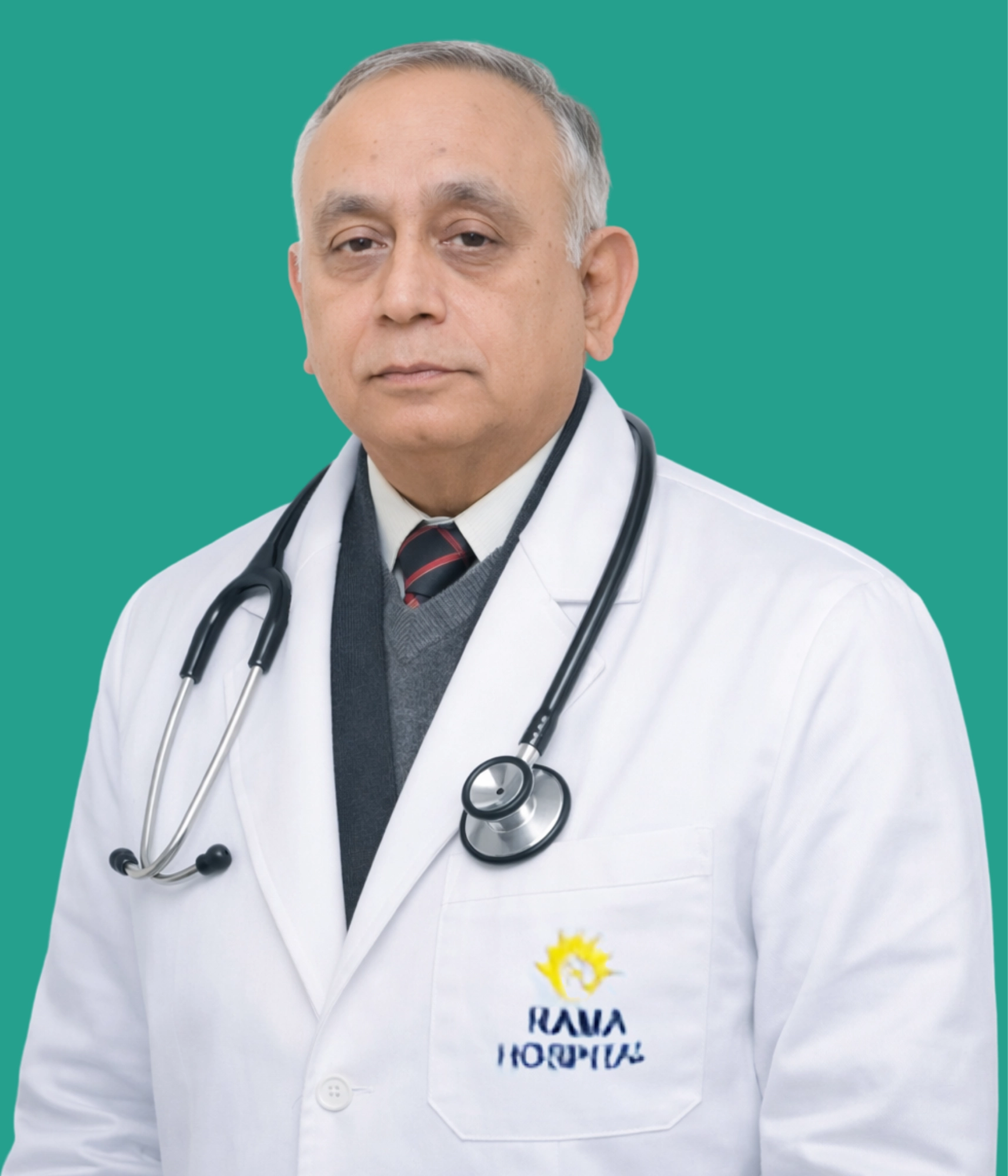
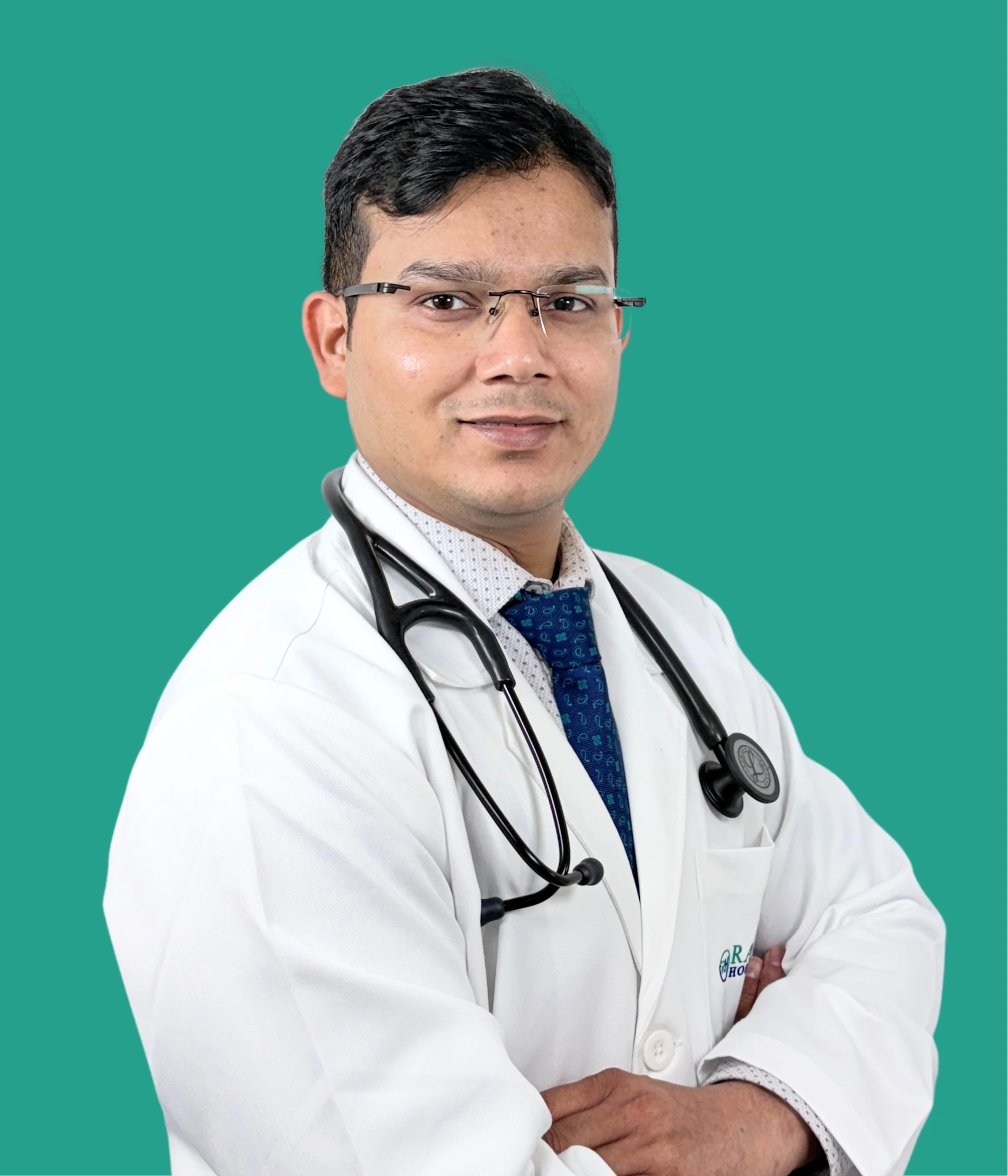
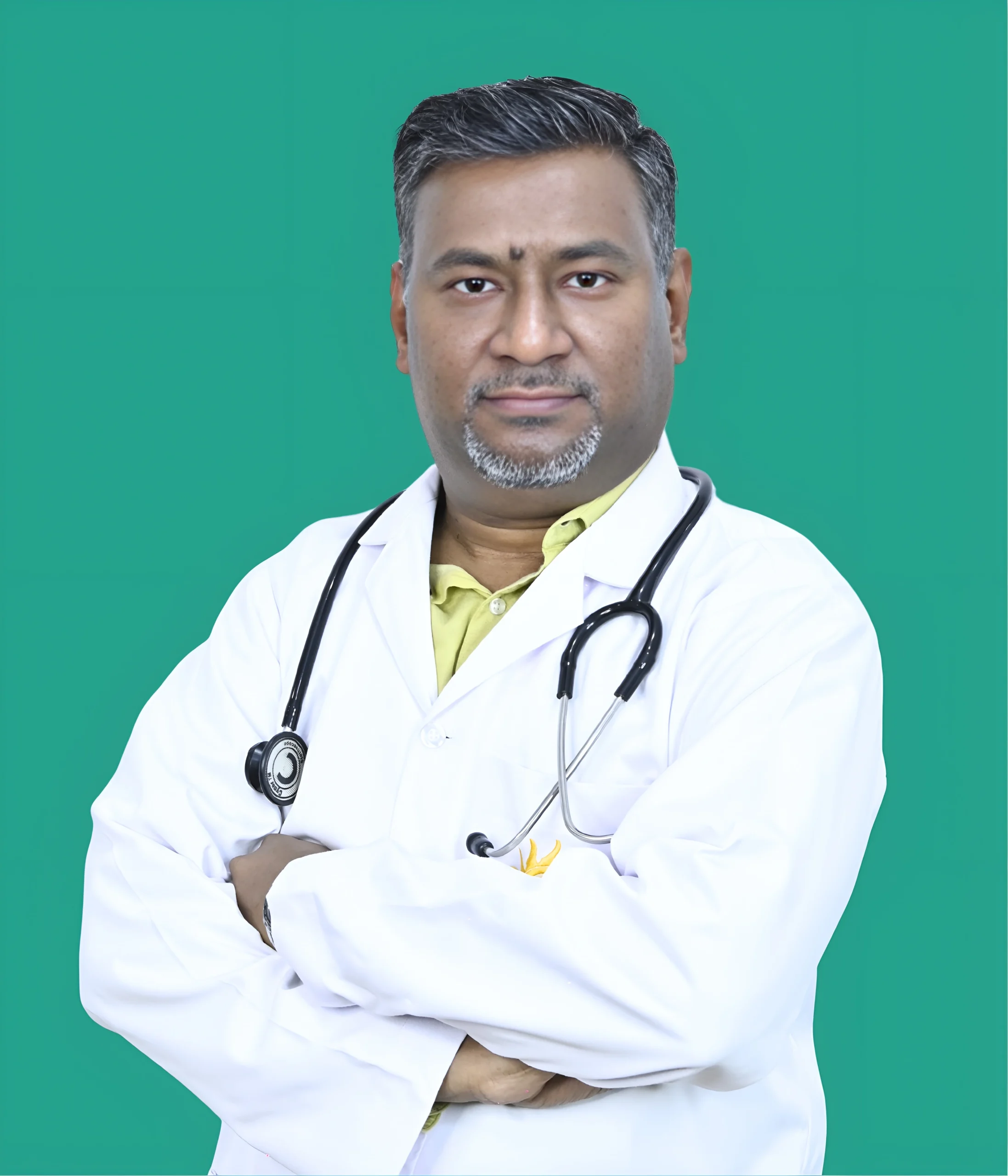
Embark on a journey of exceptional healthcare guided by industry-leading doctors from top medical institutes in India, consistently exceeding expectations and setting new benchmarks in surgical expertise and personalised patient care. Recognised as one of the best heart hospitals in UP and Delhi NCR, we are committed to delivering advanced cardiac treatments with compassion, precision, and innovation.
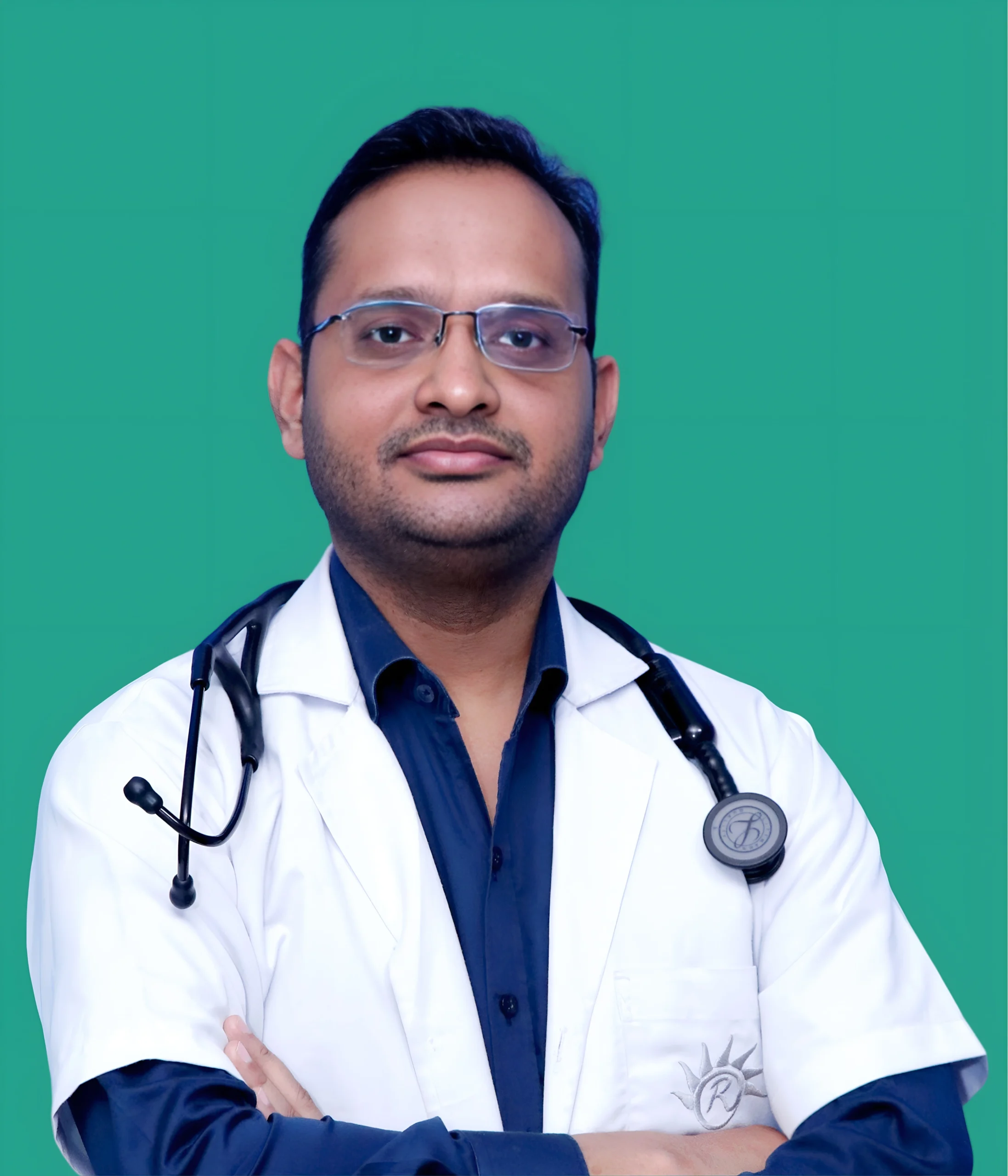
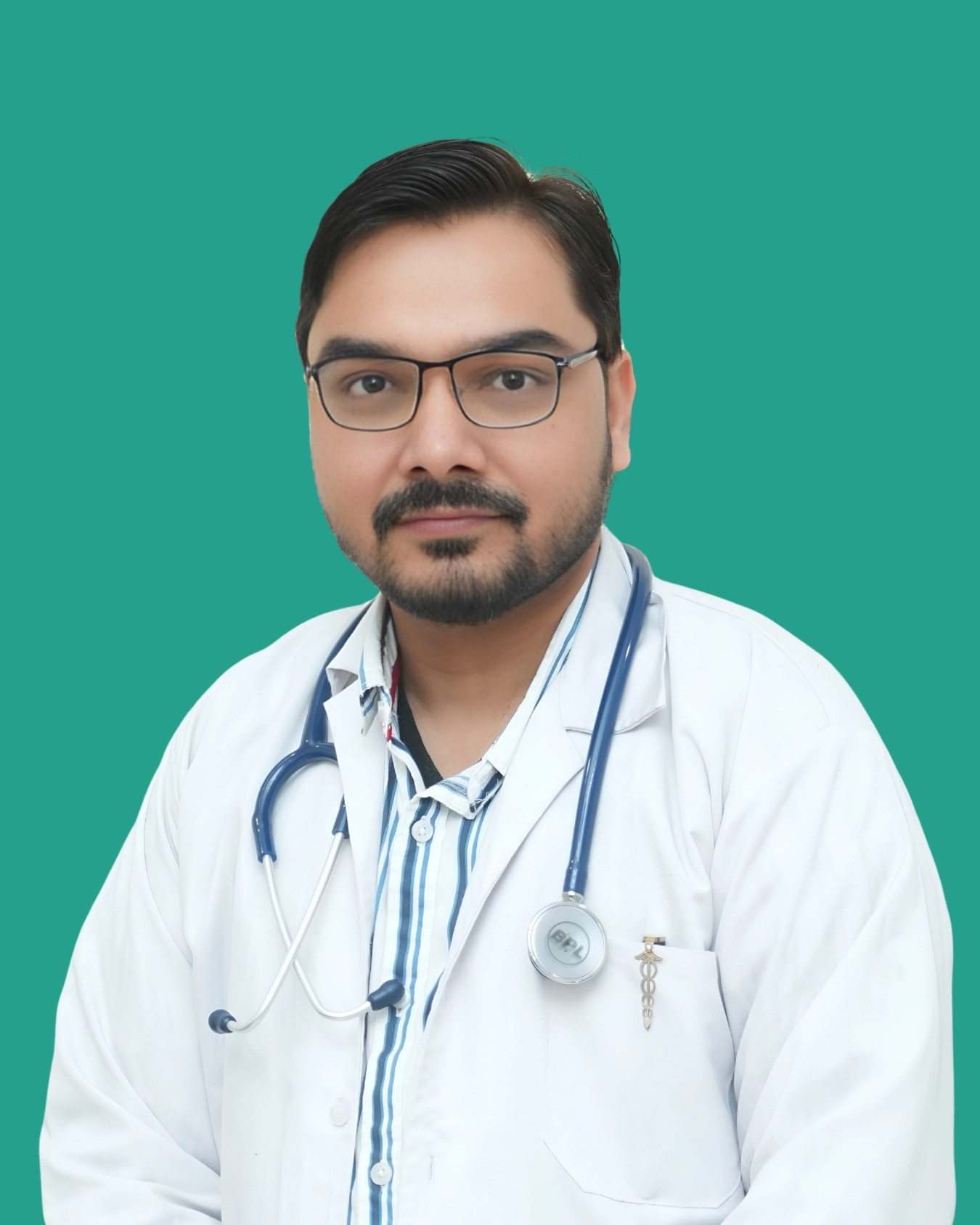
Our team includes some of the best heart doctors in UP and Delhi NCR, dedicated to providing excellence care for every patient through cutting-edge technology, accurate diagnosis, and patient-first treatment approachesb

Why Choose Us

Experienced specialists and senior consultants

Advanced diagnostics and treatment protocols

Multidisciplinary care approach

Patient-first, transparent treatment planning
Breakthrough Cases from Rama Group of Hospitals
Discover Breakthrough Cases and complex medical case studies from Rama Hospitals, where expert doctors and advanced medical technology have transformed lives through successful treatments and compassionate care. These are real patient stories from Rama Hospitals that showcase life-changing outcomes that can be achieved by combining Clinical excellence and advanced technology
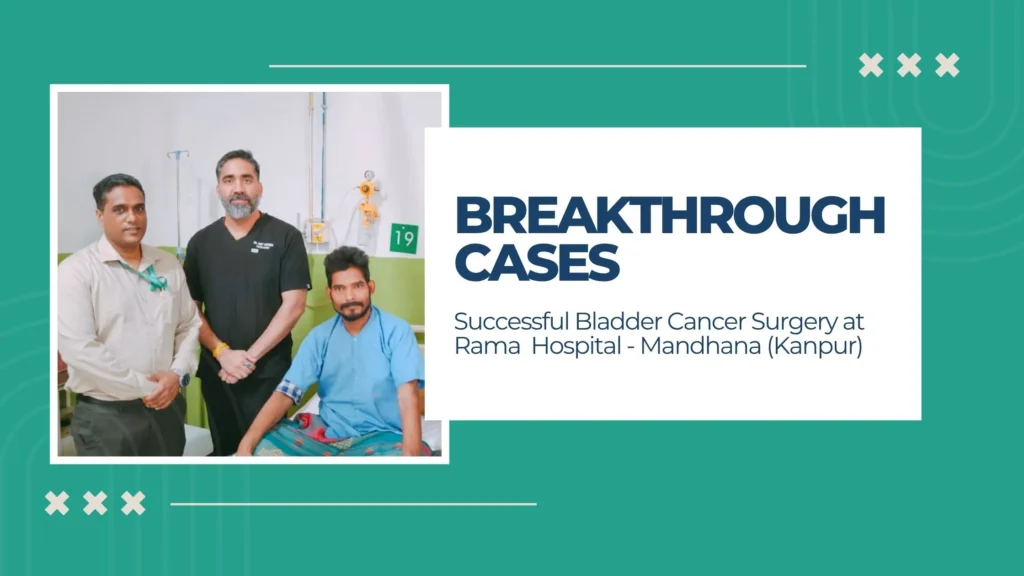
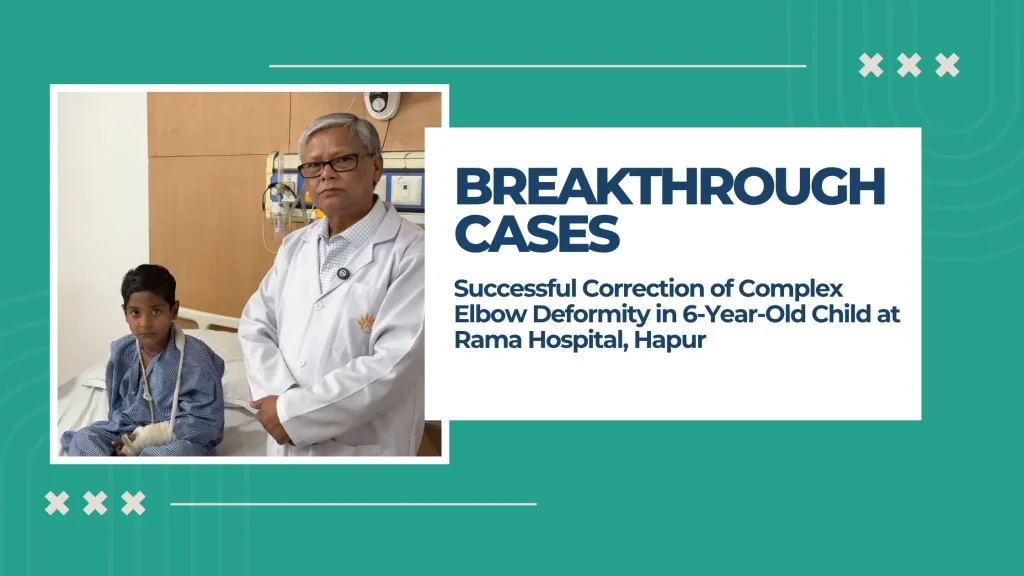
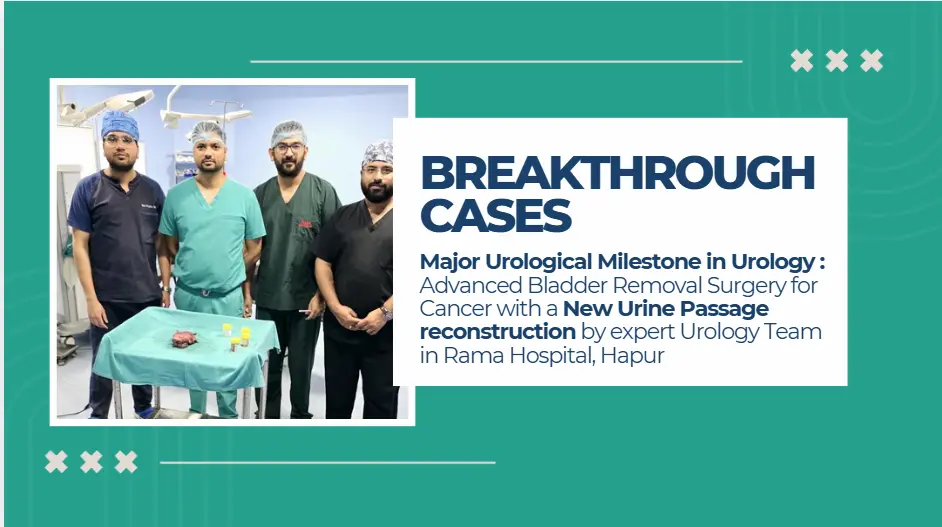
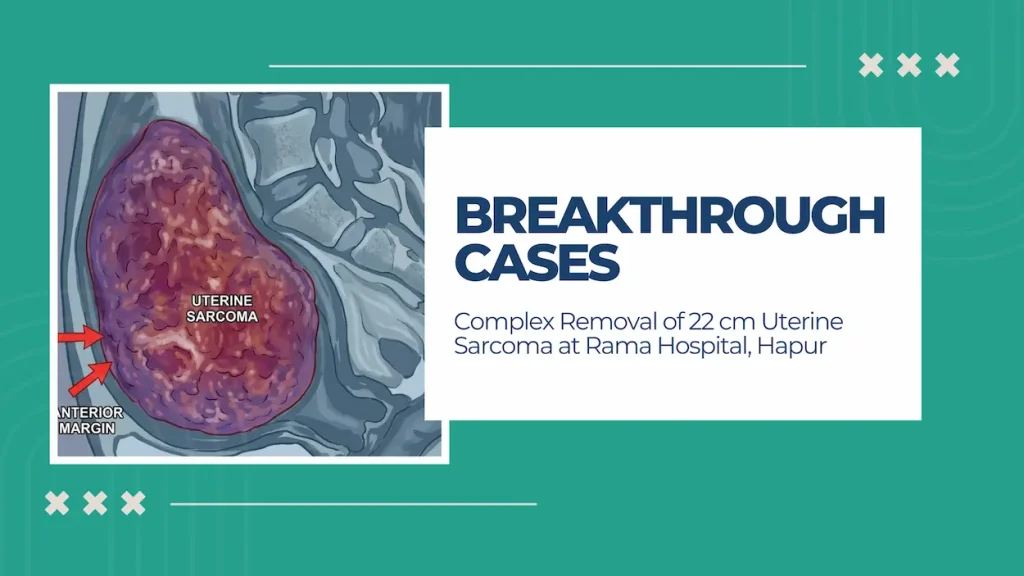
Life-Changing Real Patient Success Stories from Rama Group of Hospitals
Part of UP’s Most Trusted Healthcare Networks
What began as a single dental clinic has evolved into one of North India's most respected healthcare and education ecosystems, with an expanding network of Hospitals and Medical Colleges across UP and NCR.
Established in 2023
Rama Institute of Medical Sciences , Bagpat
Rama Hospital Bagpat is recognized among the best hospitals in Bagpat, delivering quality healthcare through experienced doctors, advanced treatments, and modern medical facilities. The hospital provides trusted healthcare services for individuals and families in Bagpat, Baraut, Shamli, Saharanpur.
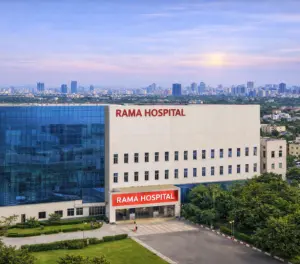
Established in 2010
Rama Medical College, Hospital & Research Centre, Hapur
At Rama Hospital Hapur, patients receive advanced treatment, specialized care, and modern healthcare services from experienced medical experts. Recognised as a trusted super specialty hospital in Hapur, it is committed to delivering quality healthcare and 24x7 emergency services, in Hapur, Pilkhuwa, and Ghaziabad.
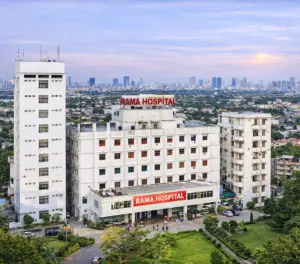
Established in 2001
Dr BS Kushwah Medical College & Hospital, Lakhanpur
Rama Hospital, Lakhanpur, is recognized among the best hospitals in Lakhanpur, offering advanced medical care, experienced specialists, and modern treatment facilities. As one of the oldest and leading super-specialty hospitals in Lakhanpur, Kanpur, it is committed to delivering quality healthcare at affordable costs in Lakhanpur.
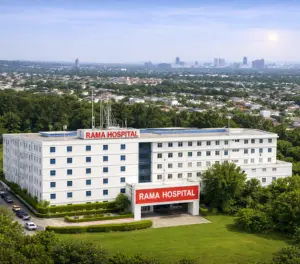
Established in 2007
Rama Hospital & Research Centre, Mandhana
Rama Hospital Mandhana sets a benchmark in advanced healthcare as one of the top hospitals in Kanpur, combining expert specialists, modern technology, and compassionate care. Recognised as a trusted Super-Speciality Hospital in Mandhana, Kanpur, it is committed to delivering high-quality, patient-focused medical services.

Established in 2025
Rama Medical College & Hospital , Mathura
Rama Hospital Mathura combines expert healthcare, advanced technology, and affordable treatments, making it the best multi-specialty hospital in Mathura. It is committed to delivering advanced medical services with experienced doctors and a patient-first approach, making it the best hospital in Mathura.

Established in 2025
Rama Hospital and Research Centre, Noida
Rama Hospital Noida is recognized among the best hospitals in Noida, delivering trusted healthcare through advanced technology, experienced specialists, and world-class treatment facilities. As a leading multi-speciality hospital in Noida, it is committed to providing comprehensive, patient-centred care with excellence and innovation.
Frequently Asked Questions
When should I see a cardiologist?
You should consult a cardiologist if you experience chest pain, shortness of breath, irregular heartbeat, dizziness, or unexplained fatigue. People with high blood pressure, diabetes, high cholesterol, or a family history of heart disease should also schedule regular cardiac check-ups.
What are the early warning signs of heart disease?
Early signs of heart disease may include chest discomfort, shortness of breath, fatigue during routine activities, irregular heartbeat, swelling in the legs, and dizziness. Early diagnosis helps prevent serious complications.
What causes chest pain?
Chest pain may occur due to heart disease, acid reflux, lung problems, muscle strain, or anxiety. Because chest pain can signal a heart attack, it should always be evaluated by a doctor.
What tests are commonly used to diagnose heart disease?
Common heart tests include ECG, echocardiogram, treadmill stress test, coronary angiography, CT coronary angiogram, and blood tests. These tests help doctors evaluate heart rhythm, structure, and blood flow.
What is angiography?
Coronary angiography is a diagnostic procedure used to detect blockages in the coronary arteries. A catheter is inserted through a blood vessel and contrast dye is injected to visualize the arteries using X-ray imaging.
What is angioplasty?
Angioplasty is a minimally invasive procedure used to open blocked coronary arteries. A balloon catheter is inserted into the artery and a stent may be placed to keep the artery open.
What is a heart stent?
A heart stent is a small metal mesh tube placed inside a narrowed artery during angioplasty to keep the artery open and restore blood flow to the heart.
How long does an angioplasty procedure take?
Angioplasty usually takes between 30 minutes and 2 hours depending on the complexity of the blockage. Most patients are discharged within 24 to 48 hours.
Is angioplasty safe?
Yes. Angioplasty is a widely performed and generally safe procedure with high success rates when performed by experienced cardiologists.
What is the difference between angiography and angioplasty?
Angiography is a diagnostic test used to detect blockages in the heart arteries, while angioplasty is a treatment procedure used to open blocked arteries.
What is heart failure?
Heart failure occurs when the heart cannot pump blood efficiently to meet the body's needs. It does not mean the heart has stopped working but indicates reduced heart function.
What are the symptoms of heart failure?
Symptoms of heart failure may include shortness of breath, fatigue, swelling in the legs or ankles, persistent cough, and rapid or irregular heartbeat.
Can heart disease be prevented?
Many heart diseases can be prevented by maintaining a healthy lifestyle including regular exercise, balanced diet, avoiding smoking, managing stress, and controlling blood pressure and cholesterol.
How often should I get a heart check-up?
Adults above 40 years or those with risk factors such as diabetes or high blood pressure should have an annual heart check-up. Patients with heart conditions may require more frequent monitoring.
What is high cholesterol?
High cholesterol occurs when there is an excess of LDL or bad cholesterol in the blood. This can lead to plaque buildup in the arteries and increase the risk of heart attack and stroke.
What are normal blood pressure levels?
Normal blood pressure is generally around 120 over 80 mmHg. Consistently higher readings may indicate hypertension and require medical attention.
What is arrhythmia?
Arrhythmia refers to an abnormal heart rhythm where the heart beats too fast, too slow, or irregularly.
What causes irregular heartbeat?
Irregular heartbeat may occur due to heart disease, high blood pressure, electrolyte imbalance, stress, excessive caffeine intake, or certain medications.
What is a pacemaker?
A pacemaker is a small device implanted under the skin that sends electrical signals to regulate abnormal heart rhythms.
What is cardiac catheterization?
Cardiac catheterization is a procedure where a thin tube is inserted through a blood vessel to examine heart function and diagnose cardiovascular conditions.
Can young people get heart disease?
Yes. Heart disease can affect younger individuals due to genetic factors, smoking, obesity, unhealthy diet, or sedentary lifestyle.
How does diabetes affect the heart?
Diabetes increases the risk of heart disease because high blood sugar can damage blood vessels and nerves that control the heart.
Can stress cause heart problems?
Chronic stress can increase blood pressure and inflammation, which may raise the risk of heart disease.
What is the best diet for heart health?
A heart healthy diet includes fruits, vegetables, whole grains, lean proteins, nuts, seeds, and healthy fats such as olive oil.
How much exercise is recommended for heart health?
Experts recommend at least 150 minutes of moderate physical activity per week to maintain heart health.
Is walking good for the heart?
Yes. Brisk walking for about 30 minutes daily improves circulation, lowers blood pressure, and strengthens the heart.
Can smoking affect heart health?
Smoking damages blood vessels, reduces oxygen supply, and significantly increases the risk of heart attack and stroke.
What is a cardiac emergency?
A cardiac emergency includes conditions such as heart attack, sudden cardiac arrest, severe chest pain, or severe breathing difficulty.
What should I do if someone is having a heart attack?
Call emergency medical services immediately. Help the person sit comfortably, remain calm, and seek urgent medical care.
What is sudden cardiac arrest?
Sudden cardiac arrest occurs when the heart suddenly stops beating due to an electrical malfunction. Immediate CPR and defibrillation are required.
Can lifestyle changes reverse heart disease?
Lifestyle changes such as healthy diet, regular exercise, quitting smoking, and maintaining healthy weight can improve heart health and slow disease progression.
What are common heart treatments available?
Common heart treatments include medications, angioplasty and stenting, pacemaker implantation, cardiac surgery, and lifestyle management programs.
What is preventive cardiology?
Preventive cardiology focuses on reducing heart disease risk through early detection, lifestyle modifications, and management of risk factors.
How can I keep my heart healthy?
Maintaining a healthy diet, regular exercise, avoiding tobacco, managing stress, maintaining healthy weight, and regular health screenings help keep the heart healthy.
Why are regular heart check-ups important?
Regular heart check-ups help detect cardiovascular problems early and reduce the risk of serious complications such as heart attack and stroke.

Request a callback
Our Hospitals
- Best Hospital Near me Mandhana
- Best Hospital Near me Kanpur
- Best Hospital Near me Lakhanpur
- Best Hospital Near me Mathura
- Best Hospital Near me Uttar Pradesh
- Best Hospital Near me Noida
- Best Hospital Near me Sector 61
- Best Hospital Near me Vrindavan
- Best Hospital Near me Hapur
- Best Hospital Near me Meerut
- Best Hospital Near me Purvanchal
- Best Hospital Near me GB Nagar
- Best Hospital Near me Greater Noida
- Best Hospital Near me Ghaziabad
- Best Hospital Near me Bagpat
Our Specialities
- Best Hospital Near me Mandhana
- Best Hospital Near me Kanpur
- Best Hospital Near me Lakhanpur
- Best Hospital Near me Mathura
- Best Hospital Near me Uttar Pradesh
- Best Hospital Near me Noida
- Best Hospital Near me Sector 61
- Best Hospital Near me Vrindavan
- Best Hospital Near me Hapur
- Best Hospital Near me Meerut
- Best Hospital Near me Purvanchal
- Best Hospital Near me GB Nagar
- Best Hospital Near me Greater Noida
- Best Hospital Near me Ghaziabad
- Best Hospital Near me Bagpat
Our Doctors
- Best Hospital Near me Mandhana
- Best Hospital Near me Kanpur
- Best Hospital Near me Lakhanpur
- Best Hospital Near me Mathura
- Best Hospital Near me Uttar Pradesh
- Best Hospital Near me Noida
- Best Hospital Near me Sector 61
- Best Hospital Near me Vrindavan
- Best Hospital Near me Hapur
- Best Hospital Near me Meerut
- Best Hospital Near me Purvanchal
- Best Hospital Near me GB Nagar
- Best Hospital Near me Greater Noida
- Best Hospital Near me Ghaziabad
- Best Hospital Near me Bagpat