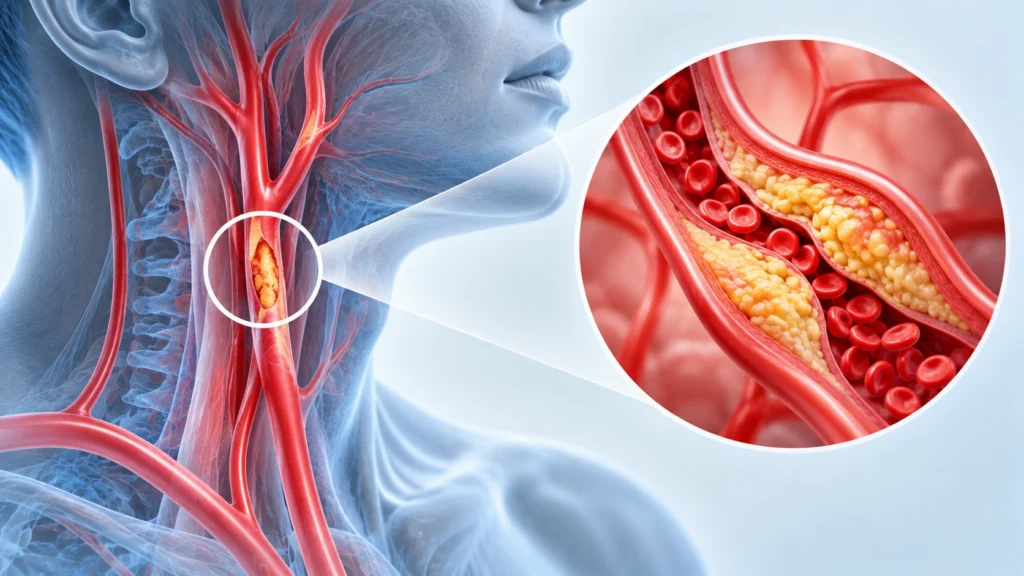
Carotid artery disease is a condition that affects the major blood vessels in the neck that supply blood to the brain. These vessels, called the carotid arteries, can become narrowed or blocked over time due to the buildup of fatty deposits, cholesterol, and other substances. This buildup is called plaque. When the carotid arteries become narrow, the brain may not receive enough blood and oxygen. This increases the risk of stroke, which is a medical emergency.
Many people do not know they have carotid artery disease until they develop symptoms such as weakness, speech problems, vision changes, or a stroke. In some cases, the disease is discovered during tests for other conditions. Because the carotid arteries are so important for brain function, any significant narrowing must be taken seriously.
Carotid artery disease, also called carotid artery stenosis or cerebrovascular disease, is a condition in which the carotid arteries become narrowed or blocked. The carotid arteries are located on both sides of the neck and are the main blood supply to the brain. When these arteries are healthy, blood flows smoothly to the brain. When they are diseased, blood flow can be reduced or interrupted.
The narrowing happens mainly due to atherosclerosis, which is the buildup of plaque inside the artery wall. Plaque is made of cholesterol, fat, calcium, and other substances. Over time, this plaque hardens and narrows the artery. In some cases, a piece of plaque can break off and travel to smaller blood vessels in the brain, causing a blockage and leading to a stroke.
Carotid artery disease is one of the leading causes of stroke. Stroke can cause permanent brain damage, disability, or even death. That is why early detection and treatment are so important.
The main cause of carotid artery disease is atherosclerosis. This is a slow process that develops over many years. Several factors contribute to the development and progression of this condition.
Common causes and contributing factors
Why plaque forms: When the inner lining of the artery is damaged, cholesterol and other substances can enter the artery wall. The body responds by sending immune cells to the area. Over time, this leads to the formation of plaque. As plaque grows, it narrows the artery and reduces blood flow. In advanced cases, the plaque can rupture or break off, causing a clot that blocks blood flow to the brain.
Some people are more likely to develop carotid artery disease than others.
Higher-risk groups
Why risk increases in these groups
Many people with carotid artery disease have no symptoms in the early stages. Symptoms often appear only when the artery is significantly narrowed or when a small stroke or warning stroke occurs.
Common symptoms
A transient ischemic attack, or TIA, is often called a mini-stroke. It happens when blood flow to part of the brain is briefly blocked. Symptoms may last only a few minutes to a few hours and then go away completely. However, a TIA is a serious warning sign. It means that a full stroke could happen soon if the underlying problem is not treated.
Emergency warning signs
Diagnosis is based on symptoms, risk factors, physical examination, and imaging tests. Since many people have no symptoms, the disease is sometimes found during evaluation for other conditions or after a TIA or stroke.
Diagnostic steps
Common tests that may be done
Why diagnosis matters: Early diagnosis allows treatment before a major stroke occurs. Identifying the degree of narrowing helps doctors decide whether medical treatment alone is enough or whether a procedure such as surgery or stenting is needed.
Treatment depends on the severity of narrowing, whether symptoms are present, and the patient’s overall health. The main goals are to reduce stroke risk, improve blood flow, and manage underlying risk factors.
Treatment for mild to moderate disease
1. Medical management
Medicines play a key role in managing carotid artery disease.
2. Carotid endarterectomy
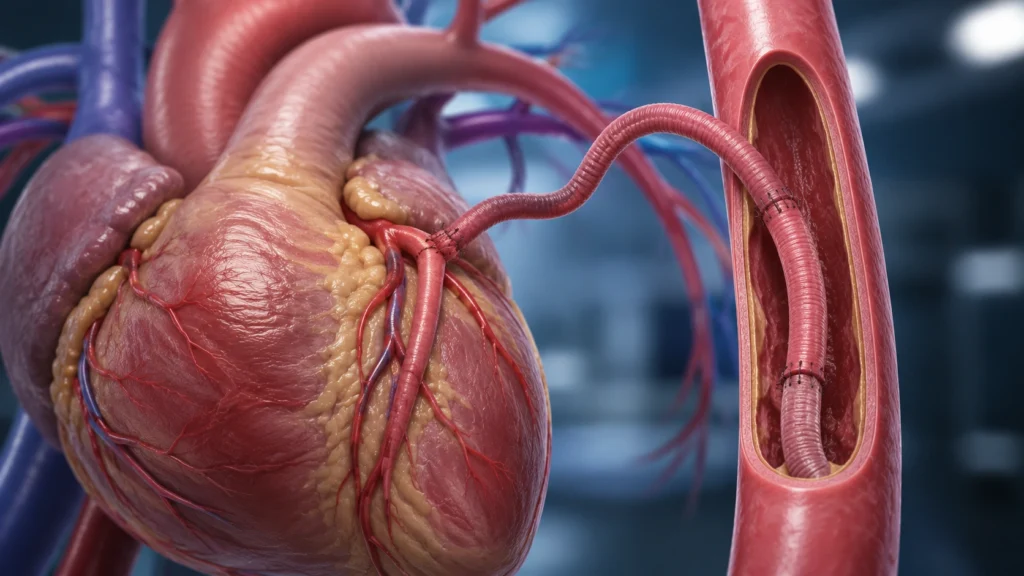
This is a surgical procedure to remove plaque from the carotid artery. It is often recommended for patients with significant narrowing and symptoms, or for selected patients with severe narrowing without symptoms.
3. Carotid artery stenting
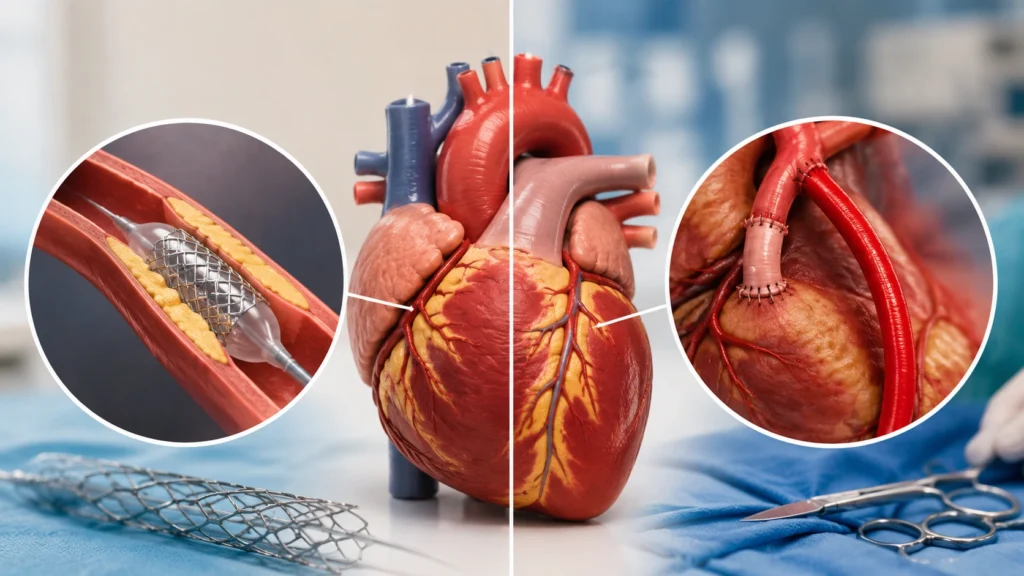
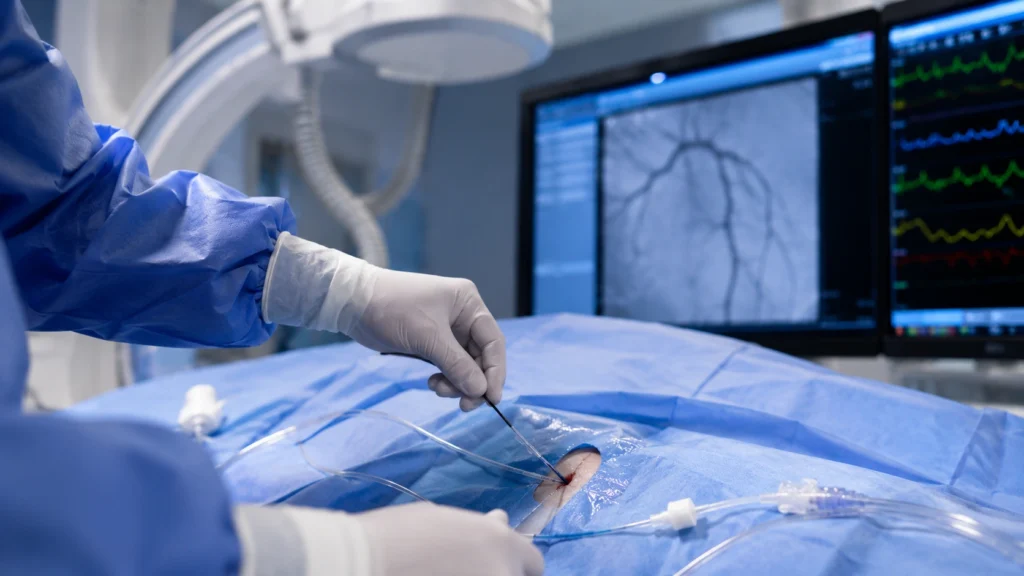
This is a minimally invasive procedure where a small mesh tube called a stent is placed inside the narrowed artery to keep it open.
4. Supportive care and rehabilitation
For patients who have had a stroke or TIA, additional care is important.
Recovery depends on the type of treatment, the severity of disease, and whether a stroke or TIA has occurred.
Recovery after medical management
Recovery after carotid endarterectomy
Recovery after carotid stenting
Rehabilitation support
Carotid artery disease can lead to serious complications, especially if not treated.
Complications of untreated disease
Complications of treatment
Why complications happen: The carotid arteries are close to important nerves and structures in the neck. Any procedure in this area carries some risk. However, in experienced hands, the benefit of preventing a major stroke usually outweighs the risks of treatment.
Medical evaluation is important for people with risk factors or symptoms that suggest carotid artery disease.
Not all cases can be prevented, but risk can be significantly reduced.
For people with existing heart or vascular disease
Carotid artery disease requires expert evaluation, advanced imaging, and specialized treatment. A hospital with experienced vascular surgeons, neurologists, and stroke care teams can make a major difference in outcomes.
No, carotid artery disease is not the same as stroke, but it is a major cause of stroke. The disease narrows the arteries that supply the brain. If a clot forms or plaque breaks off, it can block blood flow and cause a stroke.
The narrowing cannot always be completely reversed, but it can be managed and treated. Medicines, lifestyle changes, surgery, or stenting can reduce stroke risk and improve blood flow. Early treatment gives the best outcomes.
Warning signs may include TIA symptoms such as sudden weakness, speech problems, vision changes, or dizziness. Many people have no symptoms until a TIA or stroke occurs. Any sudden neurological symptom should be evaluated urgently.
Diagnosis is done using carotid ultrasound, CT angiography, MR angiography, or cerebral angiography. These tests help visualize the arteries and measure the degree of narrowing. Blood tests and neurological examination are also part of the evaluation.
Treatment may include medicines to control blood pressure, cholesterol, and sugar, along with antiplatelet therapy. For severe narrowing, carotid endarterectomy surgery or carotid stenting may be recommended. Lifestyle changes are essential for all patients.
No, surgery is not always needed. Many patients are managed with medicines and lifestyle changes. Surgery or stenting is considered when narrowing is severe or when symptoms such as TIA or stroke have occurred.
The disease can progress over time if risk factors are not controlled. Even after surgery or stenting, patients need to continue medicines, follow a healthy lifestyle, and attend regular follow-ups to reduce the risk of recurrence.
Carotid artery disease is a serious condition that affects the blood vessels supplying the brain and significantly increases the risk of stroke. Many people have no symptoms until a TIA or stroke occurs, which makes early detection and risk factor management so important. The good news is that with proper diagnosis, medical therapy, and when needed, surgery or stenting, the risk of stroke can be greatly reduced.
The most important steps are controlling blood pressure, cholesterol, and diabetes, stopping smoking, maintaining a healthy weight, and taking prescribed medicines consistently. For patients with TIA symptoms, stroke-like episodes, or known carotid narrowing, timely evaluation and treatment can prevent disability and save lives. With a structured plan and consistent follow-up, patients can protect their brain health and reduce long-term risk.
Rama Hospital can help evaluate carotid artery disease, identify individual risk factors, and provide a clear treatment plan that supports safe and effective management, stroke prevention, and better overall vascular health.
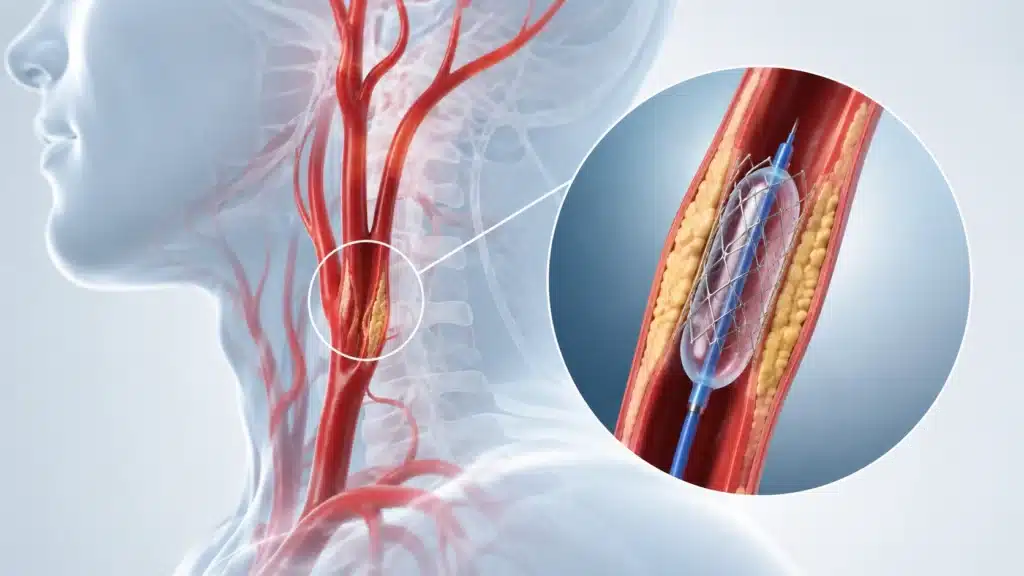
Carotid artery disease occurs when fatty deposits, called plaques, clog the blood vessels that deliver blood to the brain and head (carotid arteries).
No rows found.