There is a condition that can quietly destroy a joint from the inside, without any injury, without warning, and without pain in its earliest stages. By the time it hurts enough to make someone see a doctor, significant damage may already have occurred.
That condition is avascular necrosis, commonly known as AVN.
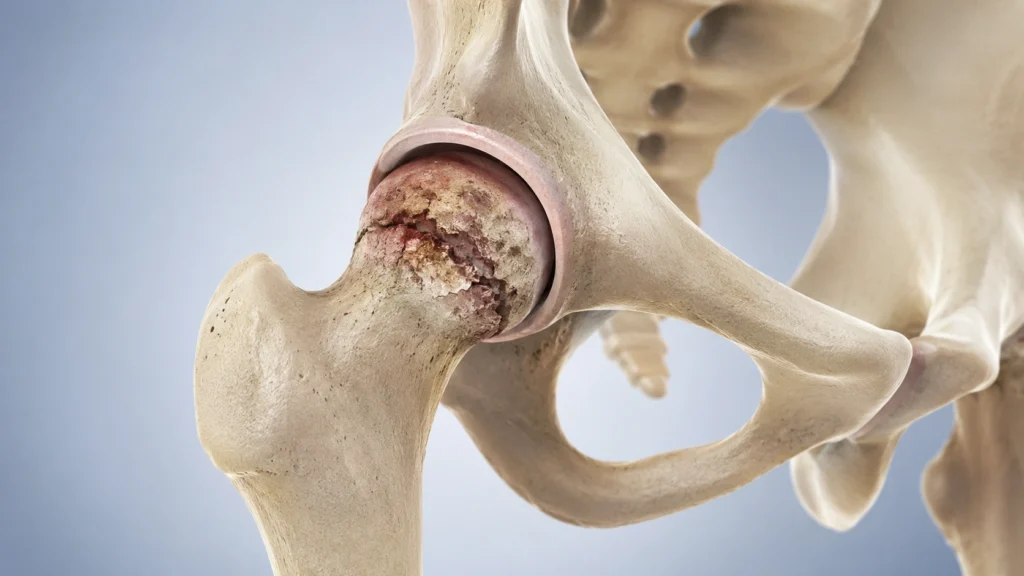
AVN happens when the blood supply to a bone is disrupted. Without blood, bone tissue begins to die. The affected area weakens and collapses, and the joint that depends on it begins to deteriorate. Left untreated, it almost always progresses, eventually destroying the joint completely.
It can affect any bone in the body, but the hip, knee, shoulder, and ankle are the most commonly affected joints. In India, steroid use, alcohol consumption, and trauma are among the leading causes, making avascular necrosis a condition that affects people across all age groups, including young and working-age adults.
The critical message is this: avascular necrosis is treatable, and early treatment makes an enormous difference. At Rama Hospital, our orthopedic team offers the complete spectrum of avascular necrosis management, from early-stage interventions designed to save the joint, to knee replacement, and to hip replacement surgery when the damage is advanced.
What is avascular necrosis?
Avascular necrosis, also called osteonecrosis, is the death of bone tissue caused by a disruption in blood supply.
Breaking it down simply:
- Avascular: without blood supply
- Necrosis: tissue death
Every bone in the body depends on a continuous supply of blood to stay alive and healthy. When that blood supply is cut off, whether from injury, disease, or medication, the bone cells begin to die. The affected area of bone becomes weak and eventually collapses under normal body weight and activity.
What happens inside the joint:
- Blood supply to a specific part of the bone is interrupted.
- Bone cells (osteocytes) in that area begin to die, typically within hours to days of blood supply loss.
- The dead bone weakens over weeks to months.
- The overlying cartilage loses its bony support and begins to crack.
- Eventually, the bone surface collapses, causing the joint to become irregular and severely painful.
- Without treatment, the entire joint is destroyed.
Key facts about avascular necrosis:
- Avascular necrosis most commonly affects the hip joint, especially the top part of the thigh bone (femoral head).
- In the knee, avascular necrosis usually affects the end of the thigh bone near the joint.
- Avascular necrosis can affect one joint or both joints at the same time.
- It can occur in people of any age, including children and young adults.
- Avascular necrosis is a progressive condition and does not heal on its own.
- Early-stage avascular necrosis can often be treated without joint replacement.
- Advanced avascular necrosis may lead to joint collapse and require joint replacement surgery.
- Early diagnosis can help preserve the affected joint and improve outcomes.
Types of avascular necrosis
Understanding the type of avascular necrosis helps determine the most appropriate treatment approach.
By cause
Traumatic avascular necrosis
- Caused by an injury that damages the bone’s blood supply.
- Common after hip fractures or joint dislocations.
- Reduced blood flow leads to bone damage.
- Early treatment improves outcomes.
Non-traumatic avascular necrosis
- Develops without any injury.
- Often linked to steroid use, alcohol consumption, or certain medical conditions.
- Can affect both sides of the body, especially the hips.
- More common in younger adults.
By location
Avascular necrosis of the hip
- The most common type of AVN.
- Affects the ball part of the hip joint.
- Causes groin pain and difficulty walking.
- May eventually require hip replacement surgery.
Avascular necrosis of the Knee
- Affects the knee joint and surrounding bone.
- Causes knee pain, swelling, and stiffness.
- Can lead to joint damage if untreated.
- Severe cases may need knee replacement surgery.
Avascular necrosis of the shoulder
- Affects the ball of the shoulder joint.
- Causes shoulder pain and limited movement.
- Early stages may be treated without joint replacement.
Avascular necrosis of the ankle
- Affects the talus bone in the ankle.
- Often occurs after an ankle injury or fracture.
- Causes pain, stiffness, and walking difficulty.
Avascular necrosis of the jaw
- Affects the jawbone.
- Can be linked to certain medications or radiation therapy.
- May cause pain, swelling, and delayed healing.
Who is the ideal candidate for avascular necrosis treatment?
Avascular necrosis treatment is recommended for virtually everyone diagnosed with the condition, because without treatment, all stages progress. The type of treatment depends on the stage, location, and overall health.
You may be a good candidate for joint-preserving avascular necrosis treatment if
- You have early-stage AVN (Stage I, II, or III).
- The bone has not collapsed yet.
- The joint surface is still healthy and intact.
- You are young or middle-aged and want to preserve your natural joint.
- The damaged area is small to moderate in size.
- You are medically fit for surgery.
You may be a good candidate for joint replacement surgery if:
- You have advanced avascular necrosis (Stage IV, V, or VI).
- The bone has collapsed or the joint is severely damaged.
- You have constant pain that affects daily life.
- Previous treatments have not provided relief.
- Scans show significant cartilage and joint damage.
- Pain and stiffness are reducing your quality of life.
Important things to consider in avascular necrosis treatment
- Younger patients are usually considered for joint-preserving treatments first.
- Both hips or knees affected may require a staged treatment plan.
- If avascular necrosis is caused by steroids or alcohol, the underlying cause should be addressed.
- Larger lesions are less likely to respond to joint-preserving procedures.
- Early diagnosis often provides more treatment options and better outcomes.
What are the causes and risk factors of avascular necrosis?
Avascular necrosis has multiple causes, but all share a common final pathway: disruption of blood supply to the bone.
Direct Causes
- Hip fractures: A broken hip can damage the blood supply to the bone.
- Hip dislocations: A dislocated hip may reduce blood flow and lead to avascular necrosis.
- Joint injuries: Serious injuries near a joint can affect bone circulation.
- Steroid use: Long-term or high-dose steroid medicines can increase avascular necrosis risk.
- Alcohol abuse: Heavy alcohol consumption can block blood flow to the bone.
- Sickle cell disease: Abnormal blood cells can block small blood vessels in the bone.
- Gaucher’s disease: Fat buildup in the bone marrow can reduce blood supply.
Associated Conditions
- Lupus (SLE): Both the disease and its treatment can raise avascular necrosis risk.
- HIV/AIDS: Some patients have a higher chance of developing avascular necrosis.
- Organ transplantation: Anti-rejection medicines may contribute to avascular necrosis.
- Pancreatitis: Changes in fat metabolism can affect bone circulation.
- Decompression sickness: Seen in divers when gas bubbles block blood vessels.
- Radiation therapy: Radiation can damage blood vessels supplying the bone.
- Blood clotting disorders: Abnormal clotting can reduce bone blood flow.
- Pregnancy: Rarely, hormonal and circulation changes may trigger avascular necrosis.
Risk Factors
- Long-term steroid use: One of the most common causes of avascular necrosis.
- Heavy alcohol intake: Significantly increases the risk of avascular necrosis.
- Previous hip or knee injury: Past fractures or dislocations can lead to avascular necrosis.
- Chronic medical conditions: Diseases like lupus and sickle cell disease increase risk.
- Organ transplant history: Transplant recipients are more likely to develop avascular necrosis.
- Chemotherapy: Certain cancer treatments may affect bone health.
- Smoking: Smoking reduces blood flow and slows bone healing.
- Obesity: Extra weight puts more stress on weakened bones.
- Male gender: Avascular necrosis is more commonly seen in men than women.
Common symptoms of avascular necrosis
Avascular necrosis symptoms vary significantly depending on the stage of the disease and the joint affected.
Early Stage (Stages I–II) – Often No Symptoms
- No noticeable symptoms in many patients.
- Mild joint pain may come and go.
- Slight stiffness after sitting or resting.
- Discomfort is often mistaken for muscle strain.
- AVN can progress silently before diagnosis.
Intermediate Stage (Stage III) – Pain Starts
- Deep, aching pain develops in the affected joint.
- Hip AVN may cause groin, thigh, or knee pain.
- Knee AVN often causes pain on the inner side of the knee.
- Pain increases with walking or standing.
- Pain usually improves with rest.
- A mild limp may develop.
Advanced Stage (Stages IV–VI) – Severe Joint Damage
- Pain becomes constant, even during rest.
- Joint movement becomes difficult and restricted.
- Walking, climbing stairs, and squatting become harder.
- Swelling may develop around the joint.
- Joint stiffness becomes more noticeable.
- Daily activities become challenging.
- Muscles around the joint may weaken.
- Sleep may be disturbed by pain.
- Quality of life can be significantly affected.
How is avascular necrosis diagnosed?
An avascular necrosis diagnosis requires a combination of clinical assessment and imaging because early AVN is invisible on standard X-ray. The earlier the diagnosis, the better the treatment options.
Medical History
- History of steroid use (dose and duration).
- Alcohol consumption habits.
- Previous hip or knee injuries.
- Existing conditions like SLE, sickle cell disease, or HIV.
- History of organ transplantation.
Physical Examination
- Check for joint stiffness and reduced movement.
- Look for pain during hip movement.
- Assess walking pattern for limping.
- Perform hip function tests (such as the FABER test).
- Evaluate muscle strength and limb alignment.
Imaging Investigations
X-Ray
- Usually the first imaging test performed.
- May appear normal in early AVN.
- Can show bone collapse in advanced stages.
- Helps assess disease severity and treatment planning.
MRI (Gold Standard)
- Best test for early AVN detection.
- Identifies AVN before X-ray changes appear.
- Shows the size and location of bone damage.
- Helps determine suitable treatment options.
- Useful for examining both hips.
CT Scan
- Provides detailed images of bone structure.
- Helps assess bone collapse.
- Useful for surgical planning.
Bone Scan
- Can detect AVN when MRI is not possible.
- Shows areas with reduced blood supply to bone.
- Used less often because MRI is more accurate.
Laboratory Investigations
- Complete blood count (CBC) to check overall health.
- Sickle cell screening if suspected.
- Coagulation tests to detect clotting disorders.
- Lipid profile to check cholesterol levels.
- Liver function tests for alcohol-related damage.
- Autoimmune tests (ANA, anti-dsDNA) for SLE.
- Enzyme testing for Gaucher’s disease when needed.
- HIV testing in relevant cases.
What are the treatment options for avascular necrosis?
Avascular necrosis treatment depends critically on the stage of the disease, the size and location of the lesion, the affected joint, and the patient’s age and activity level.
Non-surgical treatments for avascular necrosis
Lifestyle Changes
- Reduce or stop steroid use if advised by your doctor.
- Avoid alcohol to prevent further bone damage.
- Quit smoking to improve blood supply and bone healing.
Protected Weight-Bearing
- Use crutches or a walker to reduce pressure on the affected joint.
- Helps slow bone collapse in the hip or knee.
Medications
- Bisphosphonates: May slow bone damage in early AVN.
- Statins: Can help improve blood flow in some patients.
- Anticoagulants: Used when blood clotting problems contribute to AVN.
- Vasodilators: Help improve circulation to the affected bone.
Hyperbaric Oxygen Therapy
- Delivers high levels of oxygen to promote bone healing.
- Most effective in early-stage AVN.
Shock Wave Therapy (ESWT)
- Uses sound waves to stimulate blood vessel growth and bone repair.
- A non-surgical option for early AVN.
Physiotherapy
- Maintains joint movement and flexibility.
- Strengthens surrounding muscles.
- Improves walking and daily function.
Joint-preserving surgical treatments
Core Decompression
- Removes pressure inside the bone and improves blood flow.
- Most effective in early-stage AVN.
Core Decompression with Bone Grafting
- Combines decompression with bone graft placement.
- Supports and strengthens the damaged bone.
Core Decompression with Stem Cell Therapy
- Uses the patient’s own stem cells to promote bone regeneration.
- A promising option for early AVN.
Vascularized Bone Grafting
- Transfers healthy bone with its own blood supply.
- Suitable for younger patients with moderate AVN.
Osteotomy
- Realigns the bone to shift weight away from the damaged area.
- Helps preserve the natural joint.
Joint replacement surgery
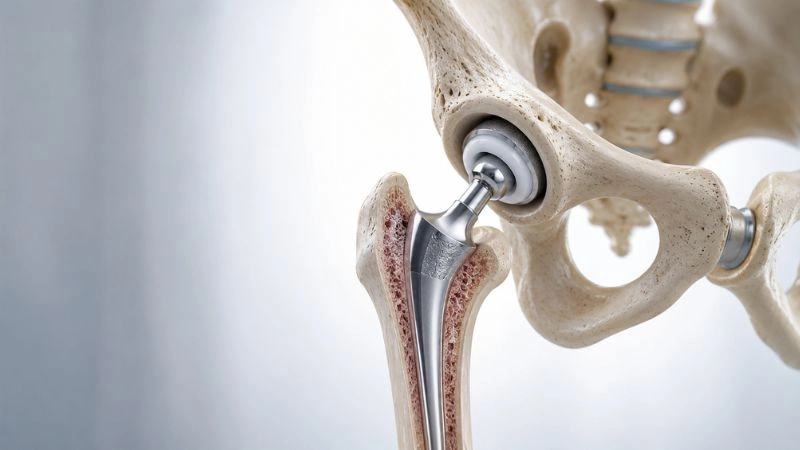
Total Hip Replacement
- Replaces the damaged hip joint with artificial components.
- Best option for advanced hip AVN.
- Provides long-term pain relief and improved mobility.
Total Knee Replacement
- Replaces the damaged knee surfaces with artificial implants.
- Recommended for advanced knee AVN.
- Restores function and reduces pain.
Partial Knee Replacement
- Replaces only the damaged section of the knee.
- Preserves healthy parts of the joint.
Hip Resurfacing
- Covers the damaged femoral head instead of replacing it completely.
- Suitable for selected younger patients.
Shoulder Replacement
- Replaces the damaged shoulder joint.
- Relieves pain and improves arm movement in advanced shoulder AVN.
Benefits of avascular necrosis treatment
Proper, timely avascular necrosis treatment at Rama Hospital delivers life-changing benefits:
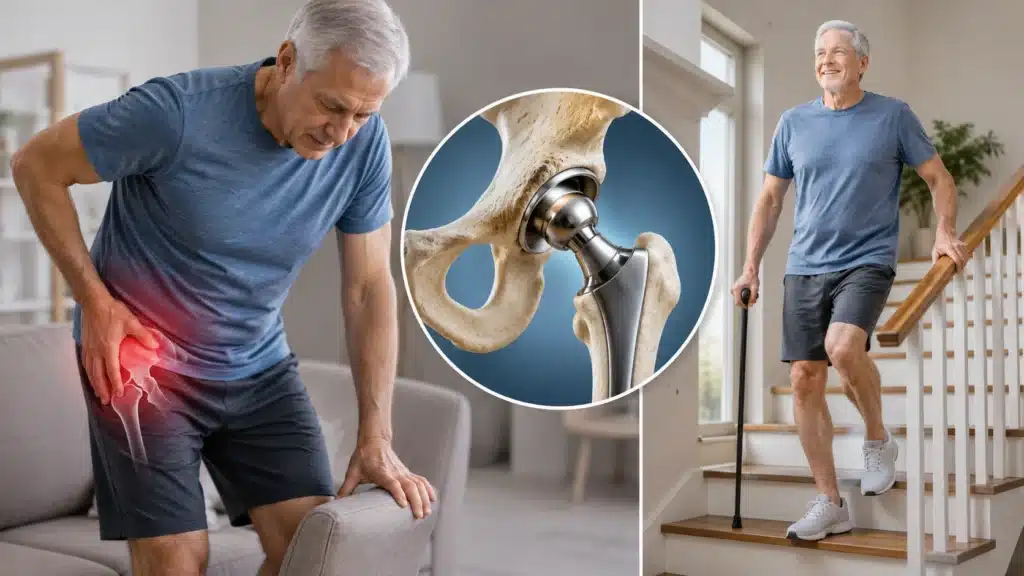
- Pain relief – Significant reduction in hip or joint pain.
- Better joint movement – Helps maintain natural joint function.
- Delay surgery – Early treatment may postpone joint replacement.
- Improved mobility – Makes walking and daily activities easier.
- Better sleep – Less pain leads to more restful nights.
- Slows disease progression – Early care can prevent further joint damage.
- Better quality of life – Reduced pain improves overall well-being.
- Return to normal routine – Helps you get back to work and social activities.
- Long-lasting results – Modern treatments can provide years of relief.
- Treats the root cause – Managing underlying factors helps protect other joints.
Why choose Rama Hospital for avascular necrosis treatment?
- Experienced AVN Specialists – Our orthopedic surgeons have extensive experience in treating all stages of AVN.
- Complete AVN Care Under One Roof – From early treatment to joint replacement, we provide comprehensive AVN management.
- Advanced Stem Cell Therapy – We offer stem cell-assisted procedures to help preserve the joint in suitable patients.
- Focus on Joint Preservation – Whenever possible, we prioritize saving your natural joint before considering replacement.
- Modern Joint Replacement Options – We use high-quality implants designed for long-term performance and active lifestyles.
- Multidisciplinary Care – Our specialists work together to address both AVN and its underlying causes.
- Dedicated Rehabilitation Support – Structured physiotherapy programs help patients recover faster and regain mobility.
Can avascular necrosis be controlled without surgery?
The answer depends on how early AVN is diagnosed.
Early-Stage AVN (Stages I & II)
- Non-surgical treatment may help slow disease progression.
- Medications can help protect the bone.
- Limiting weight on the affected joint may reduce damage.
- Core decompression can help preserve the natural joint.
- Early treatment offers the best chance of avoiding joint replacement.
Intermediate-Stage AVN (Stage III)
- Non-surgical treatment alone is usually not enough.
- Joint-preserving procedures may still be effective.
- Results vary from person to person.
Advanced AVN (Stages IV–VI)
- The damaged bone cannot repair itself.
- Non-surgical treatments cannot reverse joint collapse.
- Joint replacement is usually the most effective treatment.
- Surgery helps relieve pain and restore mobility.
Key Takeaway
- Early diagnosis gives the best chance of saving the joint.
- Delaying treatment can lead to permanent joint damage.
- The sooner AVN is treated, the better the outcome.
When should you see a doctor for avascular necrosis?
See a doctor promptly if:
- Hip, groin, or knee pain that keeps getting worse.
- Joint pain after long-term steroid use.
- Joint pain with a history of heavy alcohol consumption.
- New hip pain after a previous hip injury, fracture, or dislocation.
- Hip or joint pain if you have sickle cell disease.
- You have been diagnosed with AVN on a scan but have not seen an orthopedic specialist.
- Hip or knee pain that worsens at night.
- Limping or putting less weight on one leg while walking.
Important Reminder
- Early AVN may not show up on an X-ray.
- If you have risk factors like steroids, alcohol use, or previous trauma and develop joint pain, ask your doctor about an MRI.
- MRI is the most reliable test for detecting AVN in its early stages.
What happens if avascular necrosis is left untreated?
AVN is a progressive condition. It does not stabilize or improve on its own in most cases. Here is what untreated AVN leads to:
Progressive Bone Collapse
- The damaged bone becomes weak and starts collapsing under normal body weight.
- The joint surface becomes uneven, causing increasing pain and stiffness.
Complete Joint Destruction
- Once the bone collapses, the cartilage wears out quickly.
- The joint becomes severely damaged, similar to advanced arthritis.
- At this stage, joint replacement is often the only treatment option.
Severe and Constant Pain
- Pain gradually becomes constant, even during rest or sleep.
- Daily life, sleep, and work can be significantly affected.
Progressive Loss of Mobility
- Walking becomes more difficult over time.
- Everyday activities like climbing stairs and getting dressed become challenging.
- Some patients may eventually need a walking aid or wheelchair.
Muscle Wasting
- Reduced movement causes the muscles around the joint to weaken.
- Weak muscles increase joint instability and worsen symptoms.
- Recovery after surgery may take longer due to muscle loss.
Risk to Other Joints
- AVN can also develop in other joints, especially in steroid- or alcohol-related cases.
- The hips, knees, and shoulders may be affected over time.
- Early treatment can help protect healthy joints.
Psychological Impact
- Ongoing pain and disability can affect mental health.
- Many patients experience stress, anxiety, or depression.
- Quality of life often declines as symptoms progress.
Frequently Asked Questions (FAQs)
Can AVN be cured completely?
In early-stage AVN (Stages I and II), joint-preserving procedures, particularly core decompression with stem cell therapy, can halt progression and allow the bone to recover in a proportion of patients, effectively arresting the disease.
How is AVN different from arthritis?
Arthritis (osteoarthritis) is caused by wear and tear of cartilage; it primarily affects older people and develops gradually over decades. AVN is caused by loss of blood supply to bone; it can affect people of any age, including young adults, and can progress rapidly from normal joint to complete destruction.
At what stage should I consider joint replacement for AVN?
Joint replacement is generally recommended for Stage IV AVN and beyond, when the bone has collapsed and joint damage is significant. At Rama Hospital, we always aim to exhaust joint-preserving options first for early-stage disease.
Can both hips be operated on at the same time in bilateral AVN?
In selected patients who are fit enough, bilateral simultaneous hip surgery can be performed. However, in most cases, our surgeons recommend operating on one side at a time, allowing full recovery and rehabilitation before addressing the second side.
I’m taking steroids for another condition; am I at risk of AVN?
Yes, steroid-induced AVN is a real and significant risk, particularly with high-dose or long-term steroid use. If you are on steroids and develop any hip, knee, or shoulder pain, you should request an MRI; do not rely on a normal X-ray to exclude AVN.
Is stem cell therapy effective for AVN?
Bone marrow stem cell therapy combined with core decompression is a promising and evidence-supported treatment for early-stage AVN (Stages I and II). It harnesses the body’s own regenerative potential to stimulate new bone and blood vessel formation in the necrotic area.
How long does recovery take after hip replacement for AVN?
Most patients begin walking with support within 24 hours of surgery. Hospital stay is typically 3 to 5 days. Return to light daily activities occurs around 6 weeks, as does full functional recovery.
Will AVN come back after joint replacement?
Once the affected joint is replaced, AVN cannot recur in that joint; the replaced components are not living bone and do not have a blood supply to lose. However, if the underlying cause (steroids or alcohol) is not addressed, AVN can develop in other joints, the other hip, knees, or shoulders.
Conclusion
Avascular necrosis is a serious, progressive condition, but it is not a hopeless one. The critical variable in every AVN case is time. The earlier it is diagnosed and treated, the greater the range of options available, and the better the outcome.
Our orthopedic team offers the complete spectrum of AVN care, from risk factor counseling, medications, and core decompression with stem cell therapy in early stages through to osteotomy, vascularized bone grafting, and joint replacement when needed. We combine genuine orthopedic expertise with the latest technology and a patient-first philosophy, always aiming to preserve your natural joint as long as it is safely possible and to deliver excellent surgical outcomes when replacement becomes the right choice.
If you have been diagnosed with AVN, or if you have risk factors and joint symptoms that concern you, do not wait.