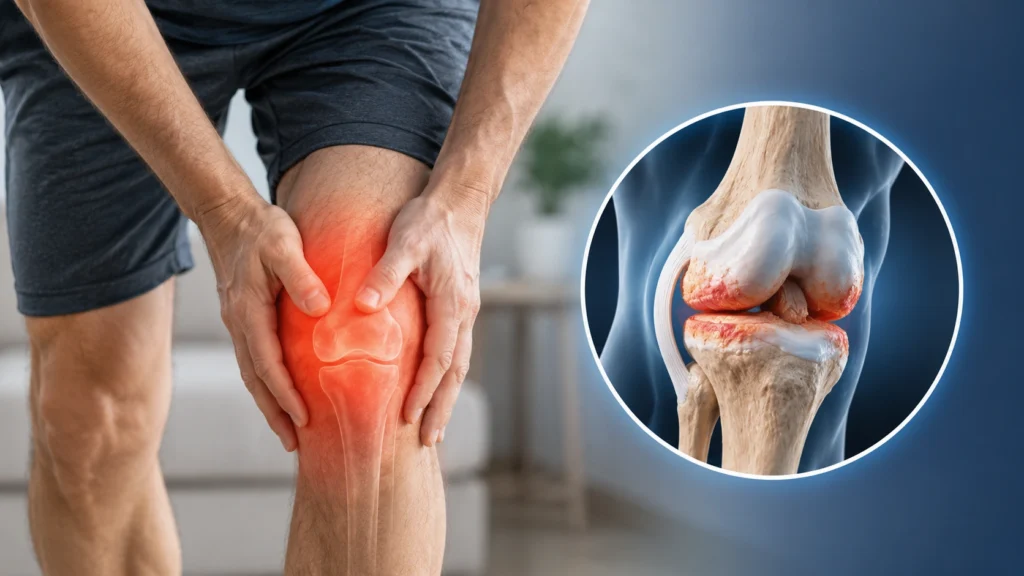
The knee is one of the most important joints in the body. It carries body weight, absorbs impact, supports walking, running, climbing, jumping, and sudden direction changes. Because of this, it is also one of the most commonly injured joints, especially in sports, road accidents, falls, and twisting injuries. Among the most serious knee injuries are ACL and PCL tears.
Many people hear these terms after an MRI or orthopedic consultation, but do not fully understand what they mean. Some think it is just a ligament strain. Others assume it will heal on its own with rest. In reality, an ACL and PCL tears can significantly affect knee stability, movement, confidence while walking, and long-term joint health if not treated properly.
The ACL or anterior cruciate ligament and the PCL or posterior cruciate ligament are two major ligaments inside the knee. They control how the thigh bone and shin bone move relative to each other. When one of these ligaments is torn, the knee may become unstable, painful, swollen, or difficult to use. In athletes, this can end a season. In non-athletes, it can interfere with daily life, work, and even simple movements like climbing stairs or getting up from a chair.
If you or someone in your family has had a knee injury, heard a pop in the knee, developed swelling after a twist, or struggles with instability while walking, this guide will help you understand the condition clearly and make informed decisions about care.
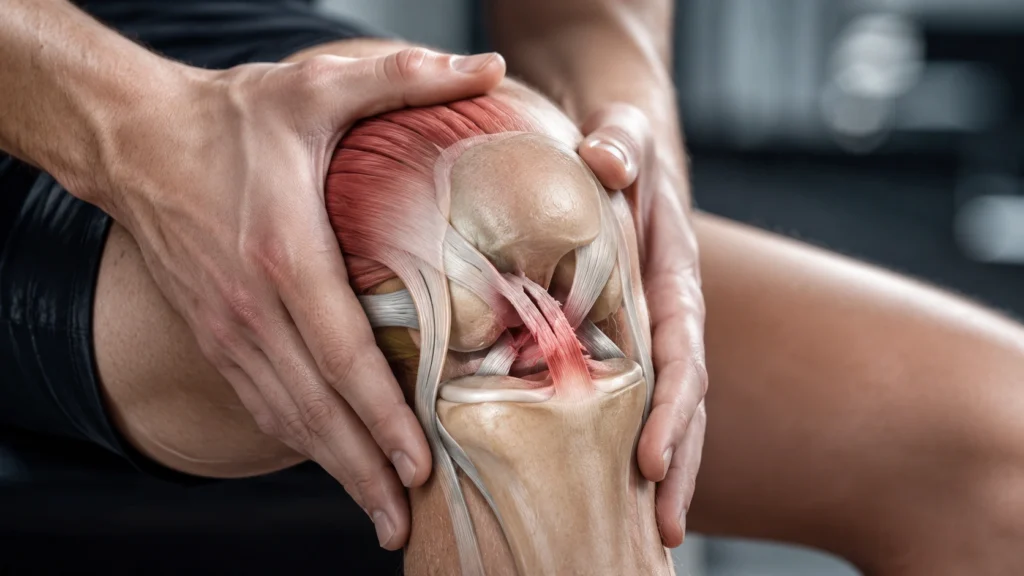
The knee joint is supported by several ligaments, but the ACL and PCL tears are the two central stabilizers inside the knee. They cross each other in the center of the joint, which is why they are often called the cruciate ligaments.
The ACL prevents the shin bone from moving too far forward and helps control rotational stability. It is especially important during activities that involve sudden stops, pivots, twisting, jumping, and landing.
The PCL prevents the shin bone from moving too far backward. It is stronger than the ACL and is less commonly torn, but when injured, it can still cause major instability and long-term knee problems.
An ACL tear happens when the ligament is partially or completely torn. The same is true for a PCL tear. These tears can range from mild sprains to complete ruptures. Some people injure only one ligament. Others may have multiple injuries, including meniscus tears, cartilage damage, bone bruises, or injuries to other knee ligaments such as the MCL or LCL.
Although both are cruciate ligaments, ACL and PCL tears are not the same.
The ACL is more commonly injured and usually happens during sudden pivoting or twisting movements. It is often seen in sports such as football, basketball, cricket, football, skiing, and kabaddi. An ACL tear may occur even without direct impact, especially when the foot is planted and the knee twists.
The PCL is stronger and is less likely to tear by itself. It is often injured by direct force, such as a fall on a bent knee or a dashboard injury in a vehicle accident. PCL injuries are sometimes missed because the symptoms may be less dramatic than ACL injuries.
Understanding the difference helps in choosing the right treatment. A patient with an ACL tear and a patient with a PCL tear may not need the same management plan.
ACL and PCL tears happen when the ligament is stretched beyond its limit or torn by force. The exact injury pattern often gives clues about which ligament is affected.
In many younger people, especially athletes, ACL tears happen during a non-contact movement. In many PCL injuries, the force is more direct. In both cases, the injury should be evaluated early to avoid long-term instability.
ACL and PCL tears can happen to anyone, but some groups are at much higher risk.
An ACL tear often produces a sudden and memorable injury event. Some patients even hear or feel a “pop” inside the knee at the moment of injury.
What patients often notice: Many patients with ACL tears say the knee feels unreliable. It may seem okay while walking straight, but unstable during stairs, turning, or running. In some cases, pain is not the main problem. Instability is.
PCL tears may not always cause the same dramatic “pop” that ACL tears do. Sometimes the injury is overlooked, especially if the patient can still walk after the trauma.
Important difference from ACL tear: A PCL tear may cause more subtle symptoms in daily life. The knee may not buckle as often during sudden turns, but it may feel unstable in activities where the shin shifts backward. Because the symptoms can be less obvious, some PCL injuries are diagnosed late.
Sometimes the injury is not limited to one ligament. In major trauma, more than one structure may be damaged.
Multi-ligament injuries need urgent orthopedic evaluation because delayed treatment can affect long-term function and circulation to the leg in rare cases.
A proper diagnosis starts with understanding how the injury happened and examining the knee. The doctor will assess your symptoms, knee movement, and stability before recommending any tests.
The orthopedic specialist may check:
Why is an MRI important: An MRI provides a detailed view of the ACL and PCL tears, shows the severity of the tear, and helps identify damage to the meniscus, cartilage, or other knee structures. This information is essential for planning the right treatment and recovery approach.
Not every tear is the same. The treatment depends on the severity and pattern of the injury.
Why grading matters
Treatment for ACL tears depends on age, activity level, degree of instability, and associated injuries.
Not every ACL tear automatically needs surgery. Some people with lower activity demands or partial tears may improve with conservative care. This approach may be suitable when the knee is stable enough for normal daily life and the patient does not participate in high-risk sports.
Non-surgical treatment may include:
ACL tears do not usually heal on their own in a way that restores normal stability. For active patients, especially those who want to return to sports or have repeated instability, surgery is often recommended.
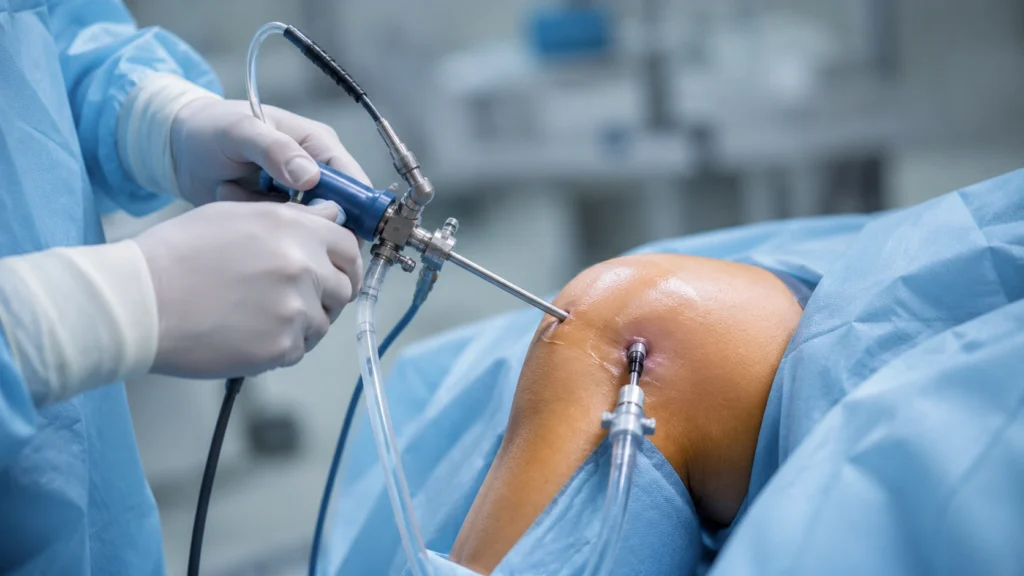
ACL reconstruction involves replacing the torn ligament with a graft. The graft may come from:
The goal is to restore knee stability and allow safe return to activity after rehabilitation.
Rehabilitation is essential whether or not surgery is done. It includes:
A well-planned rehabilitation program is just as important as the surgery itself.
PCL tears are managed slightly differently from ACL tears because the PCL has a different healing potential and different functional demands.
Many isolated PCL tears, especially lower-grade injuries, can be treated without surgery. PCL injuries often respond reasonably well to conservative treatment when the knee remains functionally stable.
This may involve:
PCL reconstruction is technically more complex than ACL reconstruction and usually requires a specialist sports injury or knee surgeon. Surgery may be needed when:
Rehabilitation is carefully planned because the knee needs the right balance of protection and movement.
It focuses on:
Surgery is not the answer for every ligament tear. But it becomes important when instability affects function, work, sports, or long-term joint health.
Why surgery is not always immediate: Sometimes swelling, pain, and stiffness need to settle first before surgery can be planned safely. In some cases, physiotherapy before surgery improves outcomes by restoring motion and reducing inflammation.
Recovery from ACL and PCL tears takes time. Whether treated surgically or non-surgically, rehabilitation is the key to returning to normal life.
Recovery may take several months, especially for athletes. Rushing back too soon increases the risk of re-injury.
An untreated ACL and PCL tears may seem manageable at first, especially if pain settles. But instability can continue inside the knee and cause repeated micro-injuries.
Why this matters: Every time the unstable knee gives way, it may damage the meniscus or cartilage further. Over time, this can lead to wear and tear that is harder to reverse. That is why proper treatment is important even if the initial pain improves.
ACL and PCL tears can interfere with everyday activities, not just sports. Some patients also develop fear of movement after an injury. That fear is understandable, but with proper treatment and rehabilitation, most people can regain confidence.
For athletes and active individuals, one of the biggest questions is when they can return to sport. The answer depends on recovery, strength, stability, and doctor clearance.
The timeline must be individualized. Returning too early can cause re-injury and delay full healing.
Not every ACL and PCL tears can be prevented, especially after accidents. But risk can be reduced.
A knee ligament injury needs more than a quick scan. It needs proper diagnosis, the right treatment decision, and guided rehabilitation.
Why specialist care matters: ACL and PCL tears can be missed or under-treated if the full injury is not recognized. The presence of meniscus tears, cartilage damage, or multi-ligament injury can change the entire treatment plan. Specialist care improves the chances of restoring stability and protecting the knee long term.
No. Both are knee ligament injuries, but they affect different stabilizing structures in the joint. ACL tears are more common and usually happen with twisting or pivoting, while PCL tears often occur after direct trauma to a bent knee.
A torn ACL usually does not heal back to normal strength and stability on its own. Some patients can manage symptoms without surgery, but active individuals or those with instability often need reconstruction.
Yes, many isolated PCL tears can be treated non-surgically, especially if the tear is not severe. Bracing, physiotherapy, and careful rehabilitation are often effective in suitable cases.
Symptoms such as a pop in the knee, swelling, instability, and difficulty continuing activity may suggest a ligament tear. MRI and orthopedic examination are usually needed to confirm the diagnosis.
Some people can still walk after the injury, especially if the tear is partial or pain is not severe. However, walking does not rule out a significant ligament injury, so evaluation is still important.
Recovery depends on the type of tear and the treatment used. Non-surgical recovery may take weeks to months, while surgical reconstruction and return to sports often require several months of structured rehabilitation.
Yes, many people return to sports after proper treatment and rehabilitation. The key is not just surgery, but also completing strengthening, balance training, and return-to-sport testing safely.
If the knee remains unstable, repeated giving way can damage the meniscus and cartilage. Over time, this may lead to chronic pain, reduced activity, and early arthritis.
Yes. Physiotherapy is one of the most important parts of treatment for both ACL and PCL tears injuries. It helps restore movement, strengthen the knee, and improve long-term function.
You should see an orthopedic specialist if your knee swells after injury, gives way, feels unstable, or does not improve after a twisting or impact injury. Early diagnosis gives you the best chance of proper recovery.
ACL and PCL tears are serious knee injuries that can affect movement, work, sports, and long-term joint health. While the two ligaments have different roles and injury patterns, both are important for knee stability. Some tears can be managed without surgery, while others need reconstruction and a carefully planned rehabilitation program.
The most important thing is not to ignore the injury. A knee that keeps giving way may suffer repeated damage over time, especially to the meniscus and cartilage. Early evaluation, proper imaging, and the right treatment plan can make a major difference in recovery.
With specialist orthopedic care, many patients with ACL and PCL tears return to active, pain-free, and stable knee function. The key is timely diagnosis, the right treatment choice, and disciplined rehabilitation.
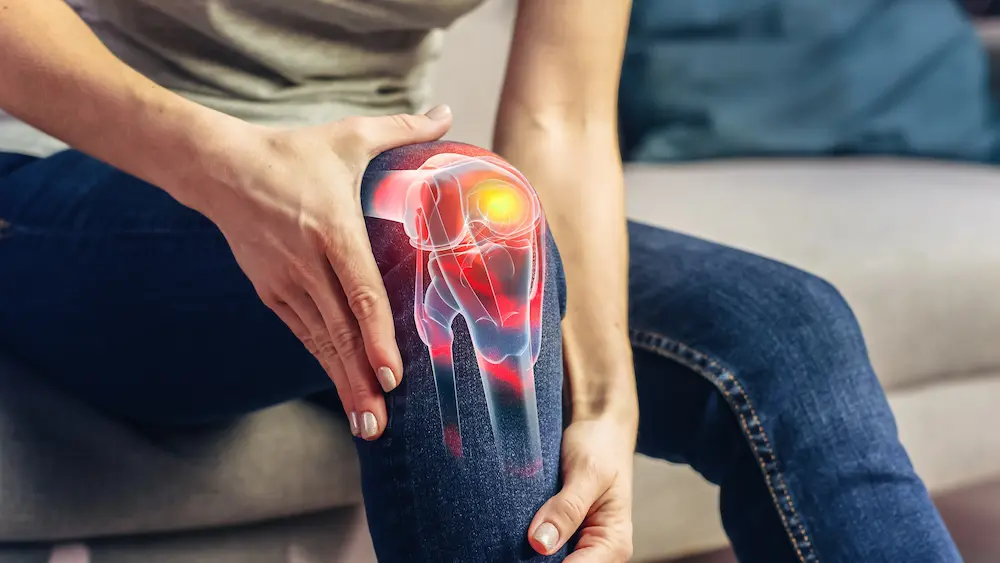
The ACL is the most commonly injured knee ligament. Sports injuries usually cause ACL tears.
The posterior cruciate ligament (PCL) connects your upper leg to your lower leg.
No rows found.