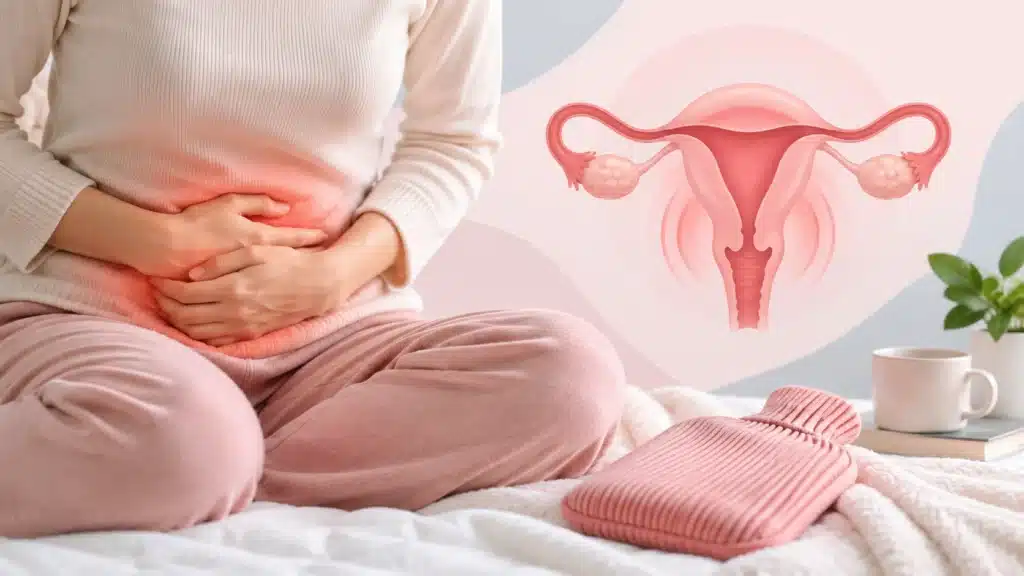
Painful periods, medically known as dysmenorrhea, are one of the most common problems faced by women and girls during their reproductive years. For many, period pain is mild and manageable. For others, it can be severe enough to disrupt daily life, affect school or work attendance, and cause significant distress month after month. Despite how common it is, severe period pain is often dismissed as normal, leading many women to suffer in silence without seeking proper evaluation or treatment.
Dysmenorrhea is not just about cramping. It can cause lower abdominal pain, back pain, thigh pain, nausea, vomiting, diarrhea, headache, dizziness, fatigue, and mood changes. In some cases, the pain is due to normal uterine contractions. In others, it may be a sign of an underlying condition such as endometriosis, fibroids, adenomyosis, or pelvic infection. Understanding the difference is important because the treatment approach depends on the cause.
What is Dysmenorrhea?
Dysmenorrhea is the medical term for painful menstruation. It refers to cramping pain in the lower abdomen that occurs just before or during a menstrual period. The pain may range from mild discomfort to severe, debilitating cramps that make it difficult to function normally.
The pain is caused by contractions of the uterus. During a period, the uterus contracts to help shed its lining. These contractions are controlled by hormone-like substances called prostaglandins. When prostaglandin levels are high, the contractions are stronger and more painful. In some women, the pain is due to these normal but intense contractions. In others, it is caused by an underlying reproductive health condition.
Dysmenorrhea is common in teenagers and young women, but it can affect women of any age. If period pain is severe, worsening over time, or not relieved by simple measures, it should be evaluated by a gynecologist.
Types of Dysmenorrhea
Dysmenorrhea is classified into two main types based on the cause.
Primary dysmenorrhea
- Painful periods without any underlying pelvic disease.
- Usually begins in the teenage years, within a few years after periods start.
- Caused by strong uterine contractions due to high prostaglandin levels.
- Pain typically starts just before or at the beginning of the period.
- Often improves with age or after childbirth.
- No structural abnormality is found on examination or imaging.
Secondary dysmenorrhea
- Painful periods caused by an underlying condition in the reproductive system.
- Usually begins later in life, often after age twenty-five.
- Pain may start earlier in the cycle and last longer than typical period pain.
- May be associated with heavy bleeding, irregular periods, or pain during intercourse.
- Common causes include endometriosis, fibroids, adenomyosis, pelvic inflammatory disease, or ovarian cysts.
- Requires medical evaluation to identify and treat the underlying cause.
Causes of Painful Periods
The causes of dysmenorrhea depend on whether it is primary or secondary.
Causes of primary dysmenorrhea
- High levels of prostaglandins causing strong uterine contractions.
- Increased sensitivity of the uterus to these contractions.
- Narrow cervical opening in some young women.
- Genetic tendency, as it often runs in families.
- Stress and anxiety, which can worsen pain perception.
Causes of secondary dysmenorrhea
- Endometriosis, where tissue similar to the uterine lining grows outside the uterus.
- Uterine fibroids, which are non-cancerous growths in the uterus.
- Adenomyosis, where uterine lining tissue grows into the muscle wall of the uterus.
- Pelvic inflammatory disease, often due to infection.
- Ovarian cysts or other ovarian conditions.
- Use of intrauterine devices in some women.
- Scarring or adhesions from previous surgery or infection.
- Congenital abnormalities of the reproductive tract.
Risk Factors for Dysmenorrhea
Some women are more likely to experience severe period pain than others.
Higher-risk groups
- Teenagers and young women in their teens and twenties.
- Women with heavy or prolonged menstrual bleeding.
- Women with irregular periods.
- Women who started menstruating at an early age.
- Women with a family history of severe period pain.
- Smokers.
- Women with high stress levels.
- Women with underlying conditions such as endometriosis or fibroids.
- Women who have never given birth.
- Women with a history of pelvic infection.
Why risk increases in these groups
- Hormonal patterns in younger women often cause stronger contractions.
- Heavy bleeding is associated with higher prostaglandin levels.
- Smoking reduces blood flow and can worsen cramping.
- Stress affects pain perception and muscle tension.
- Underlying conditions directly cause inflammation and pain.
Symptoms of Dysmenorrhea
Symptoms vary from woman to woman and from cycle to cycle.
Common symptoms
- Cramping pain in the lower abdomen.
- Dull, throbbing, or sharp pain.
- Pain that radiates to the lower back or thighs.
- Pain that starts just before or at the beginning of the period.
- Pain that lasts one to three days, sometimes longer.
- Nausea or vomiting.
- Diarrhea or loose stools.
- Headache.
- Dizziness or lightheadedness.
- Fatigue and weakness.
- Mood changes, irritability, or anxiety.
- Bloating or abdominal discomfort.
Symptoms suggesting secondary dysmenorrhea
- Pain that starts earlier in the cycle and lasts longer.
- Pain that worsens over time.
- Pain not relieved by usual painkillers.
- Pain during intercourse.
- Pain during bowel movements or urination during periods.
- Heavy or irregular bleeding.
- Difficulty getting pregnant.
- New onset of severe pain after years of mild periods.
How is Dysmenorrhea Diagnosed?
Diagnosis is based on symptoms, medical history, physical examination, and sometimes imaging or other tests.
Diagnostic steps
- Detailed discussion of menstrual history and pain pattern.
- Review of age at first period, cycle regularity, and flow.
- Assessment of pain severity and impact on daily life.
- Physical examination, including abdominal and pelvic exam if appropriate.
- Evaluation for signs of underlying conditions.
- Ultrasound of the pelvis to check the uterus and ovaries.
- Additional tests if endometriosis, infection, or other conditions are suspected.
When further tests are needed
- Pain is severe and not responding to treatment.
- Pain started later in life.
- There are symptoms of endometriosis or fibroids.
- There is heavy or irregular bleeding.
- There is pain during intercourse or bowel movements.
- There is difficulty conceiving.
- There is a history of pelvic infection or surgery.
Treatment for Dysmenorrhea
Treatment depends on whether the dysmenorrhea is primary or secondary, the severity of symptoms, and the patient’s age and reproductive plans.
1. Pain relief medicines
Medicines are often the first line of treatment for period pain.
- Non-steroidal anti-inflammatory drugs reduce prostaglandin production and relieve pain.
- Painkillers should be started at the first sign of pain or just before the period if the timing is predictable.
- These medicines work best when taken regularly for the first one to two days of the period.
- They should be taken with food to reduce stomach irritation.
- Patients with stomach ulcers, kidney problems, or certain conditions should consult a doctor before use.
2. Hormonal treatment
Hormonal medicines can help regulate periods and reduce pain.
- Oral contraceptive pills can reduce uterine contractions and lighten bleeding.
- Hormonal patches, rings, or injections may also be options.
- Hormonal intrauterine devices can reduce pain and bleeding in some women.
- These treatments are especially useful for women who also need contraception.
- They are not suitable for everyone and require medical evaluation.
3. Treatment for underlying conditions
If secondary dysmenorrhea is diagnosed, the underlying condition must be treated.
- Endometriosis may require hormonal therapy or surgery.
- Fibroids may need medicines, minimally invasive procedures, or surgery depending on size and symptoms.
- Adenomyosis may be managed with hormonal treatment or other interventions.
- Pelvic infection requires appropriate antibiotic treatment.
- Ovarian cysts may need monitoring or surgical removal.
4. Lifestyle and home remedies
Simple measures can provide significant relief for many women.
- Applying a hot water bottle or heating pad to the lower abdomen.
- Taking warm baths or showers.
- Gentle stretching, yoga, or walking.
- Adequate rest and sleep during the period.
- Stress management through relaxation techniques.
- Avoiding smoking and limiting caffeine.
- Staying hydrated and eating light, nutritious meals.
5. Dietary support
Diet can influence inflammation and pain levels.
- Eating foods rich in omega-3 fatty acids such as fish, flaxseeds, and walnuts.
- Including magnesium-rich foods such as leafy greens, nuts, and whole grains.
- Reducing processed foods, excess salt, and sugary items.
- Drinking herbal teas such as ginger or chamomile if tolerated.
- Avoiding heavy, greasy, or very spicy foods during the period.
6. Physical activity
Regular exercise can reduce the severity of period pain over time.
- Moderate aerobic activity improves blood flow and reduces stress.
- Yoga and stretching can relieve muscle tension in the pelvis and back.
- Consistency is more important than intensity.
- Even light activity during the period can help reduce cramping.
7. Psychological support
Chronic pain can affect mood and mental well-being.
- Counseling or therapy can help manage pain-related stress.
- Support from family and friends is important.
- Relaxation techniques such as deep breathing and meditation can reduce pain perception.
- Addressing anxiety or depression can improve overall quality of life.
Home Care for Mild Dysmenorrhea
Many women with mild to moderate period pain can manage symptoms at home.
Helpful home care steps
- Start pain relief medicines early in the cycle.
- Use heat therapy on the lower abdomen or back.
- Rest when needed but avoid complete inactivity.
- Drink warm fluids and stay hydrated.
- Eat small, frequent meals if nausea is present.
- Avoid strenuous activity if pain is severe.
- Keep a symptom diary to track patterns and triggers.
When home care is not enough
- Pain is severe and not relieved by over-the-counter medicines.
- Pain interferes with school, work, or daily activities.
- Symptoms are worsening over time.
- There are signs of an underlying condition.
- Home remedies provide only temporary or no relief.
Possible Complications
While dysmenorrhea itself is not life-threatening, it can significantly affect quality of life. Untreated secondary dysmenorrhea can lead to complications related to the underlying condition.
Complications of untreated secondary dysmenorrhea
- Delayed diagnosis of endometriosis or fibroids.
- Chronic pelvic pain.
- Difficulty conceiving or infertility.
- Anemia due to heavy bleeding.
- Emotional distress, anxiety, or depression.
- Reduced productivity and school or work absenteeism.
- Strain on relationships due to chronic pain.
Why complications happen
Underlying conditions such as endometriosis can progress if not treated. Heavy bleeding can lead to iron deficiency. Chronic pain can affect mental health and daily functioning. Early evaluation and treatment can prevent many of these issues.
When Should You See a Doctor?
Medical evaluation is important if period pain is severe, worsening, or affecting daily life.
- Severe pain that does not improve with painkillers.
- Pain that starts earlier in the cycle or lasts longer than usual.
- Pain that is getting worse over time.
- Heavy or irregular menstrual bleeding.
- Pain during intercourse.
- Pain during bowel movements or urination during periods.
- Difficulty getting pregnant.
- New onset of severe pain after years of mild periods.
- Symptoms of anemia such as fatigue, dizziness, or pale skin.
Prevention of Dysmenorrhea
Not all period pain can be prevented, but some measures can reduce severity.
- Maintain a healthy weight.
- Exercise regularly.
- Eat a balanced diet rich in fruits, vegetables, and whole grains.
- Avoid smoking and limit alcohol.
- Manage stress through relaxation techniques.
- Get adequate sleep.
- Track menstrual cycles and symptoms.
- Seek early evaluation for severe or worsening pain.
- Follow medical advice for underlying conditions.
- Consider hormonal contraception if appropriate and prescribed.
For teenagers
- Education about normal and abnormal period symptoms.
- Early consultation if pain is severe or disabling.
- Encouragement to speak openly about menstrual health.
- Avoidance of self-medication without guidance.
Why Choose Rama Hospital for Dysmenorrhea Treatment?
Painful periods should not be ignored, especially when they are severe or worsening. A hospital with experienced gynecologists can provide accurate diagnosis, effective treatment, and long-term support.
- Expert evaluation by gynecology specialists.
- Accurate diagnosis of primary versus secondary dysmenorrhea.
- Access to ultrasound and other diagnostic tools.
- Personalized treatment plans based on age, symptoms, and reproductive goals.
- Management of underlying conditions such as endometriosis or fibroids.
- Support for teenagers, young women, and adults.
Frequently Asked Questions (FAQs)
Is severe period pain normal?
Mild cramping is common, but severe pain that disrupts daily life is not normal. It should be evaluated by a doctor, especially if it is worsening, not relieved by painkillers, or associated with other symptoms.
Can dysmenorrhea affect fertility?
Primary dysmenorrhea does not affect fertility. However, secondary dysmenorrhea caused by conditions like endometriosis or fibroids can impact fertility if left untreated. Early diagnosis and treatment are important.
What are the best home remedies for period pain?
Heat therapy, gentle exercise, rest, hydration, and over-the-counter painkillers can help. Dietary changes, stress management, and adequate sleep also support relief. If these do not work, medical evaluation is needed.
Can birth control pills help with period pain?
Yes, hormonal contraceptives can reduce period pain by regulating hormones and reducing uterine contractions. They are often prescribed for both pain relief and cycle regulation under medical supervision.
When should I worry about period pain?
You should seek medical advice if pain is severe, worsening, not relieved by medicines, or associated with heavy bleeding, pain during intercourse, or difficulty conceiving. New or unusual pain should always be evaluated.
Can teenagers have severe period pain?
Yes, teenagers commonly experience primary dysmenorrhea. However, if pain is severe enough to miss school or daily activities, or if it does not improve with simple measures, a gynecological evaluation is recommended.
Is surgery needed for dysmenorrhea?
Surgery is not needed for primary dysmenorrhea. For secondary dysmenorrhea, surgery may be required to treat underlying conditions such as endometriosis, large fibroids, or ovarian cysts, depending on the case.
Conclusion
Painful periods are common, but severe or disabling period pain should not be accepted as normal. Dysmenorrhea can significantly affect quality of life, education, work, and emotional well-being. The good news is that most women can find relief with the right diagnosis and treatment.
The most important steps are recognizing when pain is abnormal, seeking timely medical evaluation, and following a personalized treatment plan. For women with severe cramps, worsening pain, or symptoms of underlying conditions, a gynecological assessment can make a major difference. With proper care, most women can manage period pain effectively and maintain good reproductive health.
Rama Hospital can help evaluate painful periods, identify any underlying causes, and provide a clear treatment plan that supports pain relief, cycle regulation, and long-term menstrual health.