Hearing loss is a common condition that affects people of all ages, from newborns to older adults. It can develop suddenly or gradually, affect one ear or both, and range from mild difficulty in understanding speech to profound deafness. Many people ignore early signs, assuming that hearing problems are a normal part of aging or that nothing can be done. In reality, many causes of hearing loss are treatable, and early intervention can significantly improve communication, quality of life, and safety.
Hearing is essential for daily life. It allows us to communicate, learn, work, enjoy music, and stay aware of our surroundings. When hearing is impaired, it can lead to social isolation, stress, relationship problems, reduced work performance, and even safety risks such as not hearing alarms, traffic, or warning signals. In children, untreated hearing loss can affect speech development, learning, and confidence.
What is Hearing Loss?
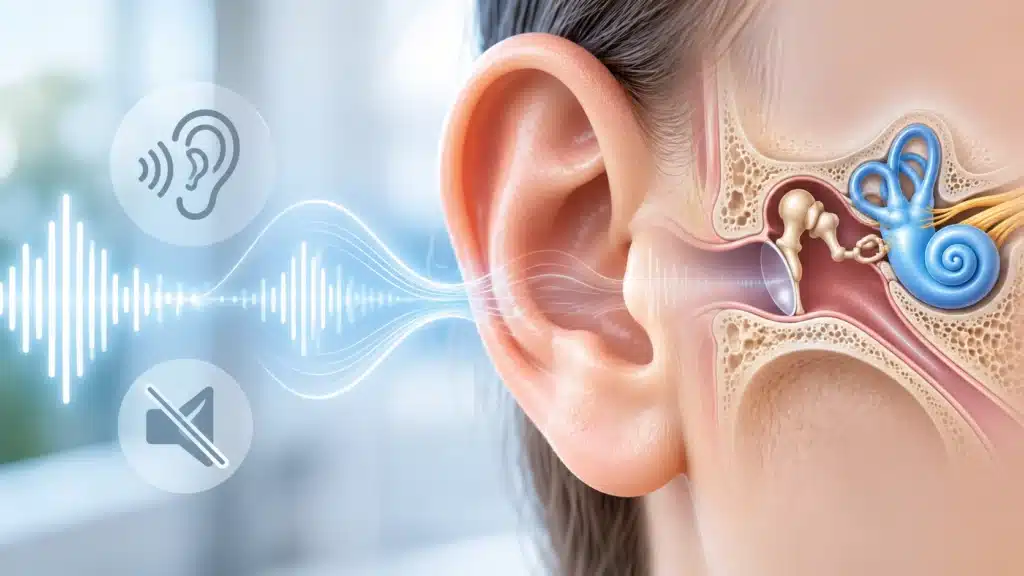
This happens when the ear is not able to detect sound properly or when the brain cannot process sound signals correctly. Sound normally travels through the outer ear, middle ear, and inner ear, and then to the brain through the hearing nerve. If any part of this pathway is damaged or blocked, hearing can be affected.
This can be temporary or permanent. Some types improve with treatment, while others require long-term management. The impact depends on the degree of loss, the age of the person, and how quickly treatment is started.
Hearing loss is usually described by:
- Degree, such as mild, moderate, severe, or profound.
- Type, such as conductive, sensorineural, or mixed.
- Onset, such as sudden or gradual.
- Laterality, such as affecting one ear or both ears.
Types of Hearing Loss
This is mainly classified into three types based on where the problem occurs in the ear.
Conductive Hearing Loss
Conductive hearing loss happens when sound cannot travel properly through the outer or middle ear to the inner ear. The inner ear and hearing nerve are usually normal, but something is blocking or reducing the sound conduction.
Common features include:
- Sounds seem softer or muffled.
- Hearing may improve when background noise is reduced.
- Often treatable with medicines or surgery.
- May affect one or both ears.
- Common in children with ear infections or fluid in the ear.
Sensorineural Hearing Loss
Sensorineural hearing loss happens when there is damage to the inner ear or the hearing nerve. This type is more common in adults and is often permanent.
Common features include:
- Sounds may be loud enough but unclear or distorted.
- Difficulty understanding speech, especially in noise.
- Often affects high-pitched sounds first.
- Usually permanent, but can be managed with hearing aids or implants.
- Common in age-related hearing loss and noise-induced hearing loss.
Mixed Hearing Loss
Mixed hearing loss is a combination of conductive and sensorineural hearing loss. This means there is both a problem in the outer or middle ear and damage in the inner ear or nerve.
Common features include:
- Features of both conductive and sensorineural loss.
- May need both medical treatment and hearing devices.
- Requires detailed evaluation to identify both components.
- Treatment plan is individualized based on cause and severity.
Causes of Hearing Loss
This has many possible causes, and they vary by age, type, and underlying health conditions.
Common causes of conductive hearing loss
- Earwax blockage in the ear canal.
- Fluid in the middle ear due to infection or cold.
- Middle ear infection or otitis media.
- Perforated eardrum.
- Problems with the small bones in the middle ear.
- Abnormal bone growth such as otosclerosis.
- Foreign body in the ear canal.
- Congenital abnormalities of the ear structures.
- Chronic ear disease or cholesteatoma.
Common causes of sensorineural hearing loss
- Age-related loss or presbycusis.
- Long-term exposure to loud noise.
- Genetic or hereditary factors.
- Certain medicines that can damage the ear.
- Infections such as meningitis, mumps, or measles.
- Head injury or trauma.
- Tumors on the hearing nerve.
- Autoimmune inner ear disease.
- Meniere’s disease.
- Sudden sensorineural hearing loss, which is a medical emergency.
Causes of mixed hearing loss
- Long-standing ear infections leading to both middle and inner ear damage.
- Otosclerosis with inner ear involvement.
- Chronic ear disease with nerve damage.
- Head trauma affecting multiple parts of the ear.
Symptoms of Hearing Loss
Symptoms depend on the type, degree, and speed of onset of hearing loss.
Common symptoms in adults
- Difficulty understanding speech, especially in crowded places.
- Frequently asking people to repeat themselves.
- Turning up the volume on TV or phone.
- Feeling that others are mumbling.
- Trouble hearing on the phone.
- Avoiding social situations due to hearing difficulty.
- Ringing, buzzing, or hissing in the ears or tinnitus.
- Ear fullness or pressure.
- Dizziness or imbalance in some conditions.
Common symptoms in children
- Delayed speech or language development.
- Not responding to sounds or name calling.
- Turning up the volume on devices very high.
- Sitting very close to the TV.
- Poor school performance or inattention.
- Frequent ear infections.
- Speaking loudly or unclearly.
- Behavioral changes or frustration.
Emergency warning signs
- Sudden hearing loss in one or both ears.
- This with severe dizziness or vertigo.
- This after head injury.
- This with facial weakness.
- This with severe ear pain or discharge.
Hearing Loss in Different Age Groups
This can affect people differently at different stages of life.
In newborns and infants
- May be present at birth due to genetic factors, infections during pregnancy, or complications at birth.
- Early screening is important to detect hearing loss as soon as possible.
- Early intervention supports normal speech and language development.
In children
- Often related to repeated ear infections or fluid in the ear.
- Can affect learning, speech, and social development.
- May be temporary or permanent depending on the cause.
In adults
- Common causes include noise exposure, infections, otosclerosis, or sudden sensorineural loss.
- May affect work performance, relationships, and safety.
- Early evaluation can identify treatable causes.
In older adults
- Age-related hearing loss is very common.
- Often gradual and affects both ears.
- Can contribute to isolation, depression, and cognitive decline if untreated.
- Hearing aids and rehabilitation can significantly improve quality of life.
How is Hearing Loss Diagnosed?
Diagnosis is based on history, ear examination, and hearing tests performed by an ENT specialist and audiologist.
Diagnostic steps
- Detailed history of hearing problems, noise exposure, infections, and medicines.
- Family history of hearing loss.
- Examination of the outer ear, ear canal, and eardrum.
- Basic tuning fork tests in the clinic.
- Formal hearing tests in the audiology department.
Common tests that may be done
- Pure tone audiometry to measure hearing thresholds.
- Speech audiometry to assess speech understanding.
- Tympanometry to evaluate middle ear function.
- Otoacoustic emissions for inner ear function, especially in children.
- Auditory brainstem response for nerve pathway assessment.
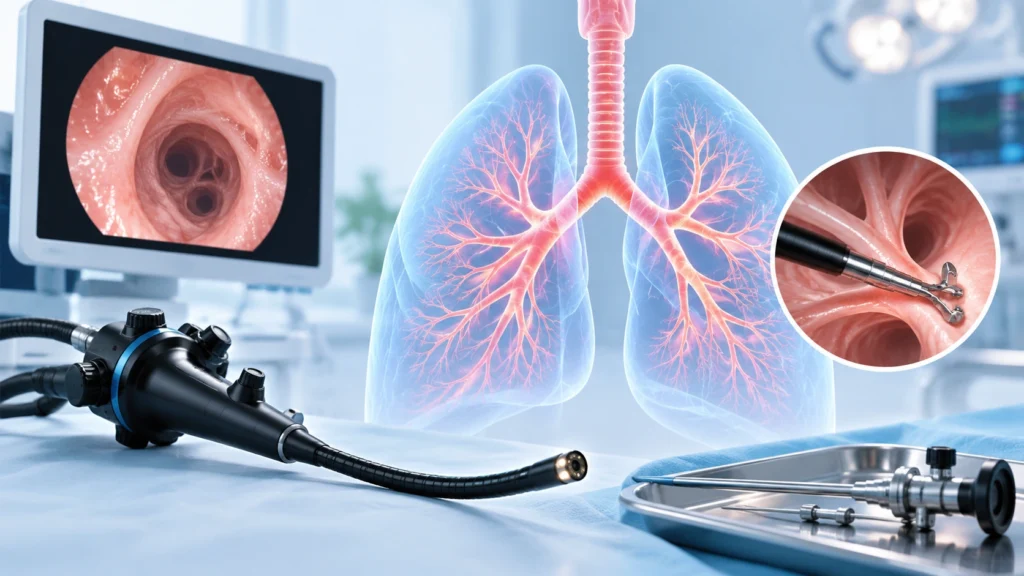
- CT scan or MRI if structural problems or tumors are suspected.
- Blood tests in selected cases to look for infection or autoimmune causes.
Why diagnosis matters: Accurate diagnosis helps identify the type and cause of hearing loss. This determines whether treatment can restore hearing, whether hearing aids are needed, or whether surgery or other interventions are appropriate.
Treatment for Hearing Loss
Treatment depends on the type, cause, and severity of hearing loss.
Treatment for conductive hearing loss
- Removal of earwax or foreign body.
- Medicines for ear infections or inflammation.
- Treatment of fluid in the middle ear.
- Repair of perforated eardrum if needed.
- Surgery for otosclerosis or middle ear bone problems.
- Management of chronic ear disease or cholesteatoma.
- Hearing aids if conductive loss cannot be fully corrected.
Treatment for sensorineural hearing loss
- Hearing aids to amplify sound and improve clarity.
- Cochlear implants for severe to profound hearing loss.
- Bone-anchored hearing devices in selected cases.
- Medicines for sudden sensorineural hearing loss if given early.
- Management of underlying conditions such as Meniere’s disease.
- Avoidance of further noise exposure and ototoxic medicines.
Treatment for mixed hearing loss
- Combination of medical or surgical treatment for the conductive part.
- Hearing aids or implants for the sensorineural part.
- Individualized plan based on test results and patient needs.
1. Hearing Aids
Hearing aids are small electronic devices that amplify sound. They are the main treatment for many types of permanent hearing loss.
- Available in different styles such as behind-the-ear, in-the-ear, and receiver-in-canal.
- Can be customized based on hearing test results.
- Modern hearing aids can reduce background noise and connect to phones.
- Require proper fitting and follow-up for best results.
2. Cochlear Implants
Cochlear implants are electronic devices that bypass damaged parts of the inner ear and directly stimulate the hearing nerve.
- Suitable for severe to profound sensorineural hearing loss.
- Used in children and adults who do not benefit enough from hearing aids.
- Require surgery and rehabilitation.
- Can significantly improve speech understanding in suitable candidates.
3. Bone-Anchored Hearing Devices
These devices transmit sound through the bone to the inner ear.
- Useful for certain types of conductive or mixed hearing loss.
- Helpful when conventional hearing aids cannot be used.
- May be surgical or non-surgical depending on the system.
4. Medical and Surgical Treatment
- Antibiotics or anti-inflammatory medicines for infections.
- Steroids for sudden sensorineural hearing loss in early stages.
- Surgery for eardrum repair, ossicle reconstruction, or otosclerosis.
- Removal of tumors or abnormal growths when present.
5. Rehabilitation and Support
- Auditory training to improve listening skills.
- Speech therapy for children with delayed speech.
- Counseling for adjustment to hearing loss and devices.
- Family education on communication strategies.
Recovery and Long-Term Management
Recovery and management depend on the cause and type of hearing loss.
After medical or surgical treatment
- Follow-up to ensure healing and improvement.
- Repeat hearing tests to assess progress.
- Continued care for chronic ear conditions if present.
With hearing aids or implants
- Regular device checks and adjustments.
- Cleaning and maintenance as advised.
- Periodic hearing tests to monitor changes.
- Upgrades or changes in device as needed over time.
Lifestyle and communication support
- Use of good lighting during conversations.
- Facing the person while speaking.
- Reducing background noise when possible.
- Using visual cues and gestures.
- Informing friends, family, and colleagues about hearing needs.
Possible Complications
Untreated hearing loss can lead to several complications over time.
Physical and functional complications
- Increased risk of accidents due to reduced awareness of surroundings.
- Difficulty using public transport or navigating busy environments.
- Problems with phone use and digital communication.
Social and emotional complications
- Social withdrawal and isolation.
- Relationship strain with family and friends.
- Depression, anxiety, or low self-esteem.
- Frustration and fatigue from constant effort to hear.
Cognitive complications
- Increased risk of cognitive decline in older adults.
- Difficulty concentrating due to listening effort.
- Impact on work performance and learning.
In children
- Delayed speech and language development.
- Poor academic performance.
- Behavioral problems and low confidence.
- Long-term impact on education and career if not addressed early.
When Should You See a Doctor?
Medical evaluation is important for anyone noticing changes in hearing.
- Gradual difficulty in understanding speech.
- Need to increase TV or phone volume frequently.
- Ringing or buzzing in the ears.
- Feeling of fullness or blockage in the ear.
- History of repeated ear infections.
- Family history of early hearing loss.
- Noise exposure at work or during leisure activities.
Prevention of Hearing Loss
Not all hearing loss can be prevented, but risk can be reduced.
- Protect ears from loud noise using earplugs or earmuffs.
- Keep personal audio device volume at safe levels.
- Limit duration of exposure to loud environments.
- Treat ear infections promptly and completely.
- Avoid inserting objects into the ear canal.
- Get regular hearing check-ups if at risk.
- Review medicines with a doctor if they may affect hearing.
- Control diabetes, blood pressure, and other health conditions.
- Ensure newborn hearing screening is done.
- Educate children about safe listening habits.
For workers in noisy environments
- Use prescribed hearing protection consistently.
- Follow workplace safety guidelines.
- Attend regular occupational health hearing tests.
- Report early symptoms such as ringing or muffled hearing.
Why Choose Rama Hospital for Hearing Loss Treatment?
This requires accurate diagnosis, expert ENT care, and advanced audiology services. A hospital with experienced specialists, modern hearing tests, and access to hearing devices and surgery can provide comprehensive care.
- Expert evaluation by ENT specialists and audiologists.
- Advanced hearing tests and imaging when needed.
- Access to hearing aids, implants, and rehabilitation services.
- Medical and surgical treatment for treatable causes.
- Long-term follow-up and device support.
- Coordinated care for children, adults, and older patients.
Frequently Asked Questions (FAQs)
Is hearing loss reversible?
Some types of loss are reversible, especially conductive loss caused by earwax, infection, or fluid. Sensorineural loss is often permanent but can be managed with hearing aids, implants, and rehabilitation.
Can hearing loss happen suddenly?
Yes, sudden sensorineural loss can occur over hours or days, often in one ear. It is a medical emergency and needs immediate evaluation and treatment to improve the chances of recovery.
Are hearing aids only for old people?
No, hearing aids can be used by people of any age, including children and young adults. They are prescribed based on hearing test results and communication needs, not just age.
Can noise cause permanent hearing loss?
Yes, long-term or very loud noise exposure can permanently damage the inner ear. This is called noise-induced loss and is largely preventable with proper ear protection and safe listening habits.
Do hearing aids restore normal hearing?
Hearing aids improve hearing and make speech clearer, but they do not restore completely normal hearing. They help the brain receive more sound information and improve communication in daily life.
Can children outgrow hearing loss?
Some children with temporary conductive loss due to fluid or infection may improve with treatment. Permanent sensorineural loss usually does not resolve on its own and needs early intervention and support.
How long does a hearing test take?
A basic hearing test usually takes 30 to 45 minutes. More detailed tests may take longer depending on age, cooperation, and the type of assessment needed.
Conclusion
This is a common but often underrecognized condition that can affect communication, relationships, safety, and quality of life. It can happen at any age and has many possible causes, ranging from simple earwax blockage to inner ear or nerve damage. The good news is that many causes are treatable, and even permanent loss can be effectively managed with modern hearing devices and rehabilitation.
The most important steps are early recognition, proper diagnosis by an ENT specialist and audiologist, and timely treatment. For patients noticing difficulty in understanding speech, ringing in the ears, or changes in hearing after noise or infection, a hearing evaluation can make a major difference. With the right care, most people with loss can communicate better, stay socially active, and enjoy a better quality of life.
Rama Hospital can help evaluate hearing, identify the type and cause, and provide a clear treatment plan that may include medical therapy, surgery, hearing aids, implants, and rehabilitation support for patients of all ages.