The words “kidney disease” can feel frightening. Many patients who sit across from me in the clinic look worried the moment they hear the term. And that worry is understandable. Your kidneys are vital organs, and the idea that something might be wrong with them is unsettling.
But here is what I want you to know from the very start: chronic kidney disease is not an immediate death sentence. It is a long-term condition, one that progresses slowly in most people and can be managed very effectively when identified early and handled correctly. Many people with kidney disease live full, active lives for decades without ever needing dialysis.
What matters most is what you do now. The earlier you understand your condition, the earlier you can slow it down, protect what kidney function you have, and make the right choices about your health.
This guide will walk you through everything: what chronic kidney disease actually is, how it is staged, what causes it, what symptoms to watch for, how it is diagnosed, and what your treatment options look like.
What Is Chronic Kidney Disease (CKD)?
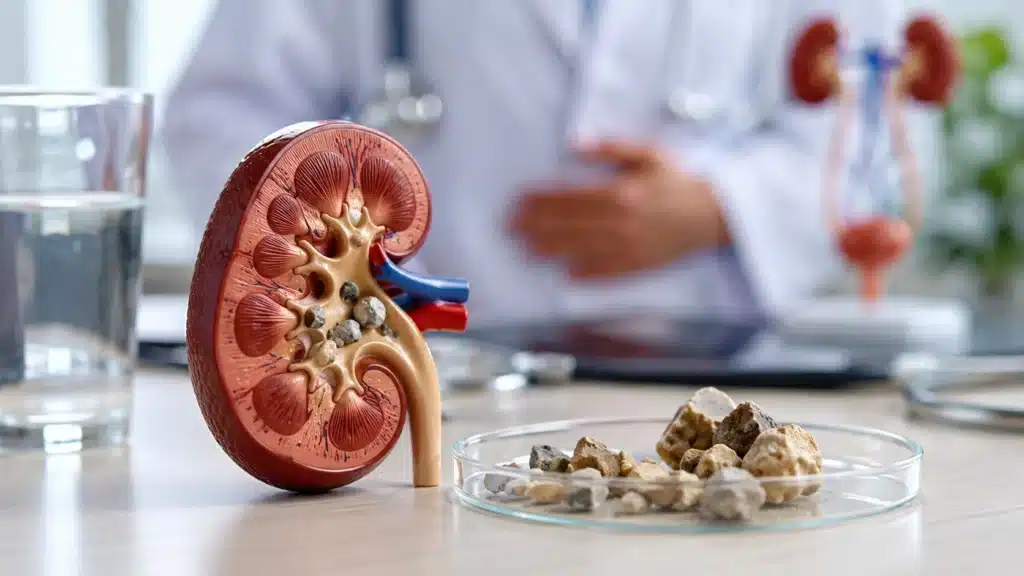
Your kidneys are two bean-shaped organs, each roughly the size of your fist, sitting on either side of your spine just below the ribcage. Every single day, they filter around 200 liters of blood, removing waste products and excess fluid as urine. They also control your blood pressure, maintain the right balance of minerals in your body, produce a hormone that stimulates red blood cell production, and keep your bones healthy by activating vitamin D.
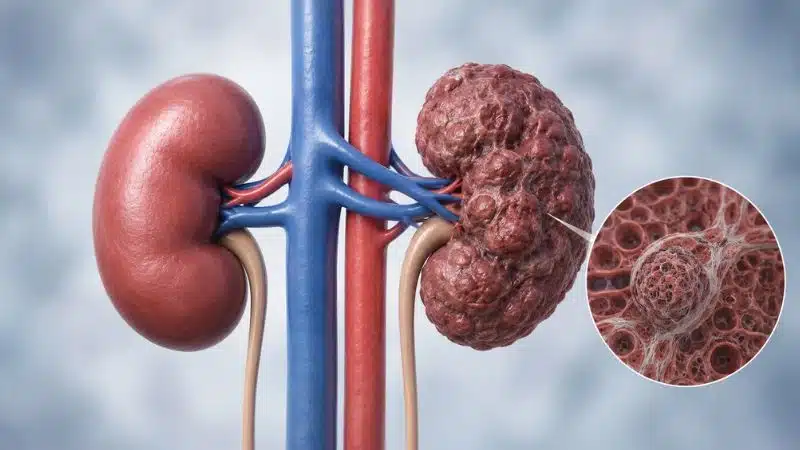
Chronic kidney disease, also called chronic renal failure, is a condition where the kidneys are gradually and permanently losing their ability to perform these functions. The word “chronic” simply means it develops slowly over months and years, rather than suddenly.
Unlike an acute kidney injury, which can happen suddenly after a severe infection or major surgery and often recovers, chronic renal failure is a progressive condition. Once kidney function is lost, it generally cannot be restored. The damage builds quietly, often over years, before any obvious symptoms appear.
By the time many people notice kidney failure symptoms, significant damage has already occurred. This is why your blood tests and urine tests, even when you feel perfectly fine, are so important.
What are the types and stages of chronic kidney disease?
Chronic kidney disease is divided into five stages based on your glomerular filtration rate (GFR). Think of it as a spectrum from very mild, early changes in kidney function all the way to kidney failure requiring dialysis or a transplant.
- Stage 1 (GFR 90 or above): Your kidneys are filtering normally, but there are signs of kidney damage such as protein in the urine or an abnormality on a scan. Most people at this stage feel completely fine. This is the best time to intervene.
- Stage 2 (GFR 60 to 89): Mild reduction in kidney function, again often with no symptoms. Damage is present and progressing, but slowly. Lifestyle changes and treating underlying causes at this stage can significantly slow progression.
- Stage 3 (GFR 30 to 59): This stage is divided into 3a (GFR 45 to 59) and 3b (GFR 30 to 44). Moderate reduction in kidney function. Some patients begin to experience mild symptoms: fatigue, slightly elevated blood pressure, or mild anemia. This is when most people are first referred to a nephrologist.
- Stage 4 (GFR 15 to 29): Severely reduced kidney function. Symptoms become more noticeable. This is the stage where we begin planning for what happens if kidneys decline further; educating yourself about dialysis and transplant options, even if you are not there yet, is important.
- Stage 5 (GFR below 15 (Kidney Failure)): Also called end-stage renal failure or end-stage kidney disease. The kidneys can no longer sustain life on their own. At this point, dialysis or a kidney transplant becomes necessary to survive. Some patients at stage 5 who are elderly or have other serious illnesses choose conservative management instead, focusing on quality of life.
Understanding your stage is important not to frighten you but to give both of us clarity about where you are, what to watch, and how urgently we need to act.
What are the causes of chronic kidney disease?
Chronic Kidney Disease (CKD) usually develops slowly over time and is often linked to underlying health conditions that damage the kidneys gradually. In many cases, the kidneys may lose function silently before noticeable symptoms appear.
- Diabetes: It is the single leading cause of chronic renal failure High blood sugar levels over many years damage the tiny blood vessels inside the kidneys that do the filtering, a condition called diabetic nephropathy. If you have had diabetes for more than ten years, your kidneys need regular monitoring regardless of how well your sugar is controlled.
- High blood pressure (hypertension): It is the second most common cause. Uncontrolled high blood pressure damages the blood vessels throughout the body, including the ones supplying the kidneys. Over time, the kidneys cannot filter efficiently, and blood pressure rises further in response, creating a damaging cycle.
- Glomerulonephritis: Inflammation of the tiny filtering units inside the kidney is an important cause of kidney disease in younger patients. It can be caused by immune system disorders, infections, or certain medications.
- Polycystic kidney disease: is a genetic condition where cysts grow inside the kidneys over decades, gradually replacing normal kidney tissue and reducing function.
- Recurrent urinary tract infections and kidney infections: particularly those that are poorly treated or left undetected can scar kidney tissue over time.
- Prolonged obstruction of kidney stones: an enlarged prostate or structural abnormalities can cause back-pressure damage to the kidneys if not relieved.
- Long-term use of certain medications: particularly nonsteroidal anti-inflammatory drugs (NSAIDs) like ibuprofen and diclofenac, taken regularly over years, can quietly damage kidney tissue.
- Autoimmune conditions: such as lupus (systemic lupus erythematosus), attack the kidneys as part of their broader effect on the body.
What are the risk factors of chronic kidney disease?
Some people have a higher risk of developing chronic kidney disease (CKD) than others. Certain health conditions, lifestyle habits, and family history can slowly damage the kidneys over time and increase the chances of kidney failure or chronic renal failure.
Chronic kidney disease often develops slowly and silently. Many people may not notice symptoms until significant kidney damage has already occurred.
Your risk may be higher if:
- You have diabetes, especially if sugar levels are not well controlled.
- You have high blood pressure.
- Someone in your family has a history of kidney disease.
- You are above 60 years of age.
- You are overweight or obese.
- You smoke or use tobacco regularly.
- You have heart disease or poor cardiovascular health.
- You frequently take painkillers or NSAIDs without medical advice.
- You have had repeated kidney infections or urinary problems.
- You have autoimmune diseases like lupus or vasculitis.
- You previously had acute kidney injury.
Managing diabetes, controlling blood pressure, staying active, avoiding smoking, and getting regular health check-ups can greatly help in reducing the risk of CKD and protecting long-term kidney health.
What are the symptoms of chronic kidney disease?
This is one of the most important sections of this guide because “What is the first sign of kidney problems?” is a question with a difficult answer.
The honest truth is chronic kidney disease often has no symptoms in the early stages. The kidneys are remarkably resilient. They can lose more than half their function before the body starts to feel the effect. This is why kidney disease is sometimes called a silent condition and why so many people are diagnosed at a more advanced stage than anyone would wish.
Early signs of kidney disease:
- Fatigue that feels disproportionate to your level of activity.
- Mild swelling of the ankles or feet at the end of the day.
- Slightly foamy or bubbly urine is a sign of protein leaking into the urine.
- Urine that looks darker than usual or has changed in color.
- Passing urine more frequently at night than you used to.
- Mild puffiness around the eyes in the morning.
- A persistent feeling of being slightly unwell without a clear reason.
Kidney disease symptoms:
- Significant fatigue and weakness that affects your daily life caused by anemia from reduced erythropoietin production.
- Swelling of the legs, ankles, and sometimes the face caused by fluid retention.
- Shortness of breath from fluid accumulating around the lungs.
- Persistent nausea and loss of appetite.
- A metallic taste in the mouth or persistent bad breath with a urine-like smell caused by waste products building up in the blood.
- Itching of the skin, often without any visible rash.
- Muscle cramps, particularly at night.
- Difficulty concentrating and brain fog.
- High blood pressure that is increasingly difficult to control.
- Kidney failure symptoms in advanced stages include severe breathlessness, confusion, very little or no urine output, and extreme swelling.
Diagnosis of Chronic Kidney Disease
Diagnosing Chronic Kidney Disease (CKD) is usually simple and straightforward. Early testing is extremely important because kidney damage can develop silently for years before symptoms become noticeable.
Early diagnosis of chronic kidney disease can help slow kidney damage, prevent complications, and improve long-term kidney health. Regular health check-ups become especially important for people with diabetes, high blood pressure, or a family history of kidney disease.
Doctors use a combination of blood tests, urine tests, and scans to check how well your kidneys are working and identify the stage of kidney disease.
Common Tests Used to Diagnose Chronic Kidney Disease
- Blood Test – Creatinine & eGFR: This is one of the most important tests for CKD. Lower eGFR levels may indicate worsening chronic renal failure. It helps doctors check the following:
- How well the kidneys are filtering waste.
- Creatinine levels in the blood.
- eGFR (Estimated Glomerular Filtration Rate), which shows kidney function and disease stage.
- Urine Test (ACR Test): This test checks for protein leakage in the urine. Healthy kidneys usually prevent protein loss. Protein in urine can be an early sign of chronic kidney disease, even before symptoms appear.
- Blood Pressure Check: High blood pressure is both a cause and a complication of kidney disease. Regular monitoring is essential for protecting kidney function.
- Blood Tests for Kidney Complications: As CKD progresses, doctors may check for the following:
- Anaemia
- High potassium levels
- Electrolyte imbalance
- Calcium and phosphate changes
- Uric acid levels
- Kidney Ultrasound: This painless scan helps doctors examine the following:
- Kidney size and structure
- Swelling or blockage
- Kidney stones or cysts
- Signs of long-term kidney damage
- Kidney Biopsy: In some cases, doctors may recommend a kidney biopsy to identify the exact cause of chronic kidney disease. A small kidney tissue sample is tested under a microscope to guide proper treatment.
What are the complications of chronic kidney disease?
Chronic Kidney Disease (CKD) does not affect only the kidneys. As kidney function slowly declines, many other parts of the body can also get affected. This is why early diagnosis and proper treatment of kidney disease are extremely important.
Many complications of chronic kidney disease can be managed or slowed with early treatment, proper medicines, a healthy diet, and regular follow-ups. Taking care of kidney health early can help protect your heart, bones, nerves, and overall well-being.
Without proper care, chronic renal failure can lead to serious health complications over time.
Common Complications of Chronic Kidney Disease:
- Heart Disease & High Blood Pressure: In fact, heart disease is one of the most serious complications linked to chronic kidney disease. People with chronic kidney disease have a higher risk of:
- Heart attack
- Stroke
- High blood pressure
- Poor blood circulation
- Anemia (Low Blood Count): Healthy kidneys help produce red blood cells. When kidney function declines, the body may not make enough blood cells, leading to anemia. Common symptoms include:
- Weakness
- Fatigue
- Low energy
- Shortness of breath
- Weak Bones & Joint Problems: Damaged kidneys affect calcium and vitamin D balance in the body, which can weaken bones over time. This may lead to:
- Bone pain
- Joint pain
- Muscle weakness
- Increased risk of fractures
- High Potassium Levels: Healthy kidneys remove extra potassium from the body. In advanced kidney disease, potassium may build up in the blood and affect heart function. This can become dangerous if not treated on time.
- Fluid Retention & Swelling: When kidneys cannot remove excess fluid properly, it may cause the following:
- Swelling in legs and feet.
- Puffiness around the eyes.
- High blood pressure.
- Breathlessness due to fluid buildup.
- Metabolic Acidosis: As chronic kidney disease progresses, acid levels may increase in the body, causing
- Muscle weakness.
- Faster kidney damage.
- Bone-related problems.
- Nerve & Brain-Related Problems: Advanced chronic renal failure may affect the nervous system and lead to:
- Poor sleep.
- Difficulty concentrating.
- Numbness in hands and feet.
- Restless legs.
- Confusion in severe cases.
What are the prevention of chronic kidney disease?
The scary part about chronic kidney disease (CKD) is that kidney damage often happens silently. Many people do not realize there is a problem until kidney function has already declined significantly.
In many cases, kidney failure can be delayed and sometimes even prevented with the right lifestyle habits and early medical care.
Everyday Habits That Help Prevent Kidney Failure:
- Keep diabetes under control: High blood sugar is one of the leading causes of chronic kidney disease. Regular diabetes management, healthy eating, and taking medicines on time can help protect the kidneys from long-term damage.
- Manage Blood Pressure Properly: Uncontrolled high blood pressure slowly damages the kidneys over time. Regular monitoring and proper treatment are extremely important for preventing chronic renal failure.
- Get Regular Kidney Check-Ups: Regular kidney tests can help detect problems early, often before symptoms appear. If you have:
- Diabetes.
- High blood pressure.
- Family history of kidney disease.
- Age above 60.
- Avoid Overuse of Painkillers: Frequent use of painkillers like ibuprofen or diclofenac without medical advice can quietly damage kidney tissue over time. Always use medicines responsibly and under guidance.
- Stay Hydrated: Drinking enough water supports healthy kidney function and helps the body remove waste properly.
- Quit Smoking: Smoking reduces blood flow to the kidneys and increases the risk of worsening chronic kidney disease and heart disease.
- Maintain Healthy Weight & Stay Active: Obesity increases the risk of diabetes, high blood pressure, and kidney disease. Regular exercise and healthy weight management support long-term kidney health.
- Never Ignore Urinary Infections: Repeated urinary infections can slowly damage the kidneys if left untreated. Early treatment helps prevent complications.
Treatment options for chronic kidney disease
The treatment of Chronic Kidney Disease (CKD) focuses on two important goals: slowing down kidney damage and managing the complications caused by reduced kidney function.
While chronic kidney disease may not always be completely reversible, proper treatment and healthy lifestyle changes can help protect the kidneys and improve quality of life.
Common Treatments for Chronic Kidney Disease:
- Treating the Root Cause: The first step is identifying what is damaging the kidneys. Treating the underlying cause can slow the progression of chronic renal failure. For example:
- Diabetes needs proper sugar control.
- High blood pressure must be managed carefully.
- Certain immune-related kidney diseases may need special medicines.
- Blood Pressure Control: Controlling blood pressure is one of the most important parts of chronic kidney disease treatment. These medicines help:
- Protect kidney function.
- Reduce protein leakage in urine.
- Slow kidney damage.
- Blood Sugar Management: For people with diabetes, maintaining healthy blood sugar levels is extremely important in preventing worsening kidney disease. Regular monitoring, diet control, exercise, and proper medicines all play a major role.
- Newer Kidney-Protective Medicines: Some newer medicines, including SGLT2 inhibitors, can help slow the progression of chronic kidney disease and support long-term kidney health.
- Treatment for Anemia: As kidney function declines, many patients develop anemia. This can help reduce weakness and fatigue. Treatment may include:
- Iron supplements.
- Special injections to improve blood production.
- Managing Bone & Mineral Problems: Chronic kidney disease can affect calcium, vitamin D, and bone health. Doctors may recommend:
- Vitamin D supplements.
- Calcium balance treatment.
- Medicines to control phosphate levels.
- Managing Potassium & Acid Levels: Advanced kidney disease may increase potassium and acid levels in the body. Diet changes and medicines help keep these levels safe and reduce complications.
Diet and Lifestyle for CKD Patients
Managing your diet is an important part of controlling chronic kidney disease (CKD). The right food choices can help reduce pressure on the kidneys, control complications, and slow down the progression of kidney disease.
There is no single diet for every chronic kidney disease patient. Your food plan depends on your kidney function, blood reports, diabetes status, and stage of chronic renal failure.
Healthy Diet & Lifestyle Habits for CKD:
- Drink the Right Amount of Water: In early chronic kidney disease, staying hydrated is important. However, in advanced chronic kidney disease or dialysis patients, excess fluids may cause swelling and breathing problems. Your doctor will guide you on the right fluid intake for your condition.
- Control Protein Intake: Too much protein can put extra strain on damaged kidneys. At the same time, eating too little protein is also unhealthy. Balance is important. Doctors may advise limiting the following:
- Red meat
- Processed meat
- Excess animal protein
- Reduce Salt Intake: Excess salt increases
- High blood pressure
- Swelling
- Fluid retention
- Watch Potassium Levels: Some people with chronic kidney disease may develop high potassium levels, which can affect heart function. Not every patient needs potassium restriction; it depends on blood test results. Foods high in potassium include:
- Bananas
- Potatoes
- Tomatoes
- Coconut water
- Oranges
- Dried fruits
- Limit High-Phosphate Foods: High phosphate levels can weaken bones and damage blood vessels in kidney disease. Foods often limited include:
- Processed meats
- Soft drinks
- Excess dairy products
- Packaged foods with additives
- Stay Active: Simple exercises like walking, cycling, or light yoga can be very beneficial. Regular physical activity helps:
- Control blood pressure
- Maintain healthy weight
- Improve heart health
- Support blood sugar control
- Avoid Smoking & Limit Alcohol: Smoking can speed up the progression of chronic kidney disease and reduce blood flow to the kidneys. Heavy alcohol intake may also worsen kidney and blood pressure problems.
A healthy lifestyle combined with regular medical care can help slow the progression of chronic kidney disease, improve energy levels, and protect overall kidney health for the long term.
Dialysis and Kidney Transplant in Chronic Kidney Disease
When chronic kidney disease (CKD) reaches an advanced stage, the kidneys may no longer be able to remove waste and extra fluid properly. This stage is known as kidney failure or end-stage chronic renal disease.
At this point, advanced treatment may become necessary to support the body and replace kidney function.
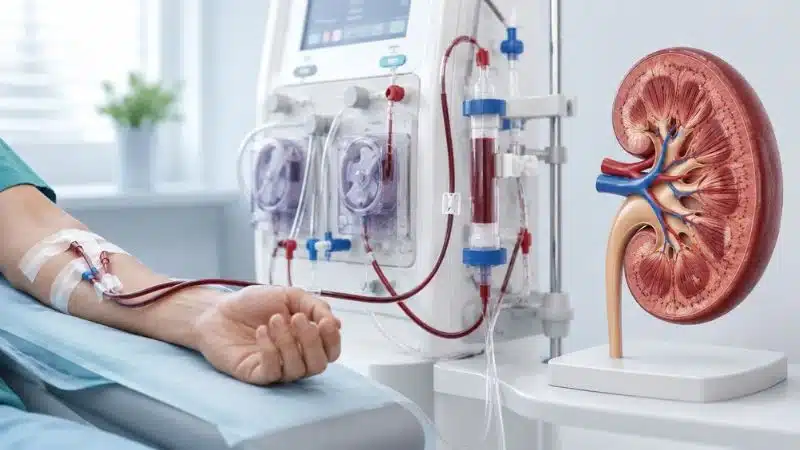
- Hemodialysis: Hemodialysis is one of the most common treatments for advanced kidney failure. Many patients receive dialysis at a hospital or dialysis center, while some may choose home dialysis options. In this process:
- A dialysis machine cleans and filters the blood.
- Extra waste, toxins, and fluid are removed from the body.
- Treatment is usually done several times a week
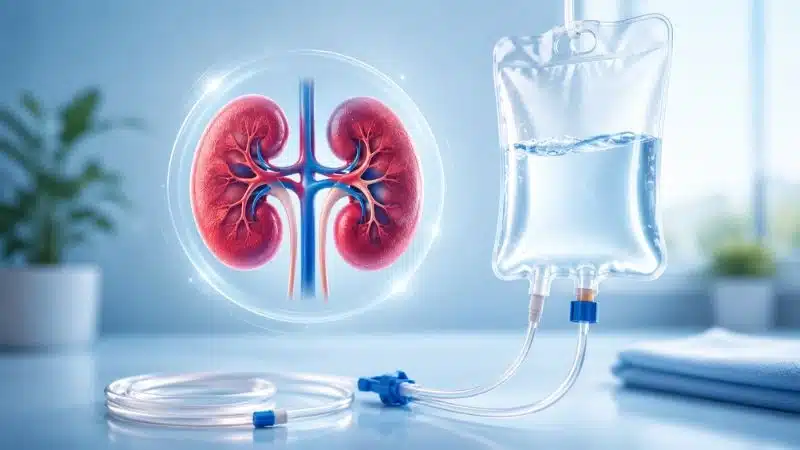
- Peritoneal Dialysis: This type of dialysis uses the lining of the abdomen to filter waste from the blood. A special fluid is placed inside the abdomen through a soft tube, helping remove toxins and excess fluid from the body. Peritoneal dialysis:
- Can often be done at home.
- Offers more flexibility for some patients.
- May be performed during the day or overnight.
- Kidney Transplant: A kidney transplant is considered one of the best long-term treatments for end-stage chronic kidney disease. With proper treatment and regular follow-up, many transplanted kidneys can function successfully for many years. In this procedure:
- A healthy kidney from a donor is surgically placed into the body.
- The transplanted kidney takes over the filtering function.
- Choosing the Right Treatment: Doctors carefully guide patients and families in choosing the most suitable treatment plan. The best treatment option depends on several factors, including:
- Age and overall health.
- Stage of chronic kidney disease.
- Lifestyle and daily routine.
- Other medical conditions.
- Personal preference.
Early planning and regular follow-up can make advanced kidney disease management safer, smoother, and more effective. Proper care and timely treatment can greatly improve quality of life even in advanced chronic kidney disease.
When to see a doctor for chronic kidney disease treatment?
See your doctor or nephrologist if you notice:
- Swelling of the ankles, feet, or face that is new or worsening.
- Urine that looks foamy, bubbly, or darker than usual.
- Fatigue that feels excessive and is affecting your daily life.
- Passing urine more frequently at night than before.
- Blood reports showing elevated creatinine or reduced eGFR even if you feel fine.
- A blood pressure reading that is consistently elevated.
- Persistent itching with no skin rash.
- Loss of appetite combined with nausea that has no other explanation.
Why choose Rama Hospital for chronic kidney disease treatment?
Living with chronic kidney disease (CKD) requires more than just medicines; it requires continuous monitoring, expert guidance, and personalized long-term care. At Rama Hospital, patients receive comprehensive care focused on protecting kidney function, managing complications, and improving quality of life.
You deserve care that focuses on your complete health, not just your reports. At Rama Hospital, you benefit from:
- Experienced nephrologists for advanced kidney disease
- Early diagnosis and monitoring of chronic kidney disease.
- Advanced diagnostic facilities including kidney function tests, ultrasound, and dialysis support.
- Personalized treatment plans based on your stage of chronic kidney disease and overall health.
- Expert management of diabetes, blood pressure, and kidney-related complications.
- Nutritional guidance and lifestyle counseling for long-term kidney protection.
- Dedicated dialysis and supportive kidney care services.
- Compassionate, patient-focused care with regular follow-up support.
Frequently Asked Questions (FAQs)
Q1. What is the first sign of kidney problems?
The earliest detectable changes are foamy urine (protein leakage) and a slightly elevated creatinine on a blood test, neither of which causes any sensation. As disease advances, the first symptoms patients notice are usually fatigue, mild ankle swelling, and needing to urinate more at night.
Q2. Can chronic kidney disease be reversed?
In most cases, the kidney damage already done cannot be reversed. However, progression can be significantly slowed, and in some specific causes of kidney disease, such as certain types of glomerulonephritis or obstruction, treating the underlying cause can allow some recovery. This is why acting early matters so much.
Q3. How quickly does chronic kidney disease progress?
This varies enormously. Some patients remain at stage 3 for decades with good management. Others progress more quickly if underlying causes are poorly controlled. The rate of progression can often be meaningfully slowed with the right treatment.
Q4. Is dialysis the only option for end-stage renal failure?
No, a kidney transplant is the preferred treatment for most eligible patients with end-stage renal failure and offers a significantly better quality of life than dialysis. For patients who are not candidates for either, conservative management focusing on symptom control and quality of life is also a valid and dignified option.
Q5. Can I take herbal medicines for kidney disease?
This is a very important question. Many herbal preparations and traditional medicines are directly toxic to the kidneys. Some of the most severe kidney disease cases I see have been caused or worsened by unregulated herbal supplements. Please tell me about anything you are taking, herbal or otherwise, and do not start anything new without checking first.
Q6. How often do I need to see my nephrologist if I have chronic kidney disease?
This depends on your stage. In early stages (1 and 2), a check-up every 6 to 12 months with blood and urine tests is usually sufficient. In stages 3 and 4, every 3 to 6 months is typical. In stage 5, much closer monitoring is needed. Your follow-up schedule will be tailored to your specific situation.
Q7. Can I still exercise with chronic kidney disease?
Yes, and I actively encourage it. Regular moderate exercise helps control blood pressure, weight, and blood sugar, all of which directly affect kidney disease progression. Walking, swimming, and cycling are excellent options. Avoid very intense exercise during illness or if your potassium is poorly controlled. Always start gradually and build up.
Q8. Will I definitely need dialysis?
Not necessarily. Many patients with chronic kidney disease, particularly those diagnosed in the earlier stages, never reach end-stage renal failure if their condition is well managed. The goal of everything we do together is to give your kidneys the best possible chance of lasting as long as possible.