Cardiac Resynchronization Therapy, commonly called CRT, is an advanced heart treatment used in selected patients with heart failure and abnormal electrical conduction in the heart. When the heart chambers do not beat in a coordinated way, the heart may pump less efficiently, which can lead to breathlessness, fatigue, swelling, and reduced quality of life. CRT uses a special device to help the heart.
Heart failure is a condition in which the heart is not able to pump blood as well as it should. This does not mean the heart has stopped working, but it does mean the body may not get enough oxygen-rich blood to function normally. As a result, patients may feel tired even with simple activity, notice shortness of breath, develop swelling in the legs, or struggle with daily tasks.
In some patients, heart failure is made worse because the electrical signals that control heartbeats are delayed or out of sync. This means the left and right sides of the heart do not contract together in a coordinated way. Instead of pumping efficiently, the heart wastes energy and delivers less blood to the body. Cardiac Resynchronization Therapy is designed to correct this problem by helping the heart chambers beat in a synchronized manner.
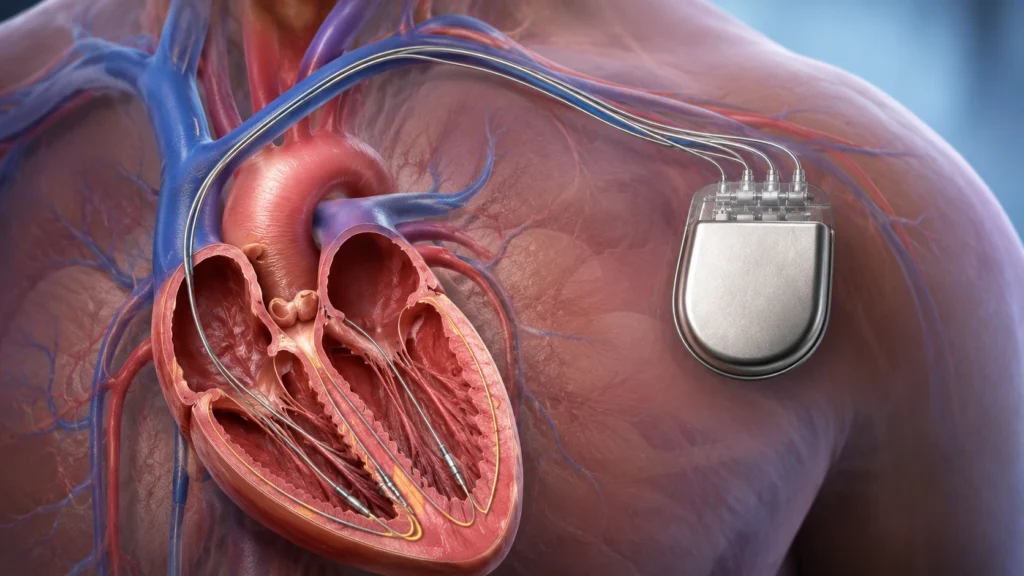
CRT is usually delivered through a small implanted device, similar to a pacemaker, that sends timed electrical signals to the heart. These signals help improve coordination between the chambers and may strengthen pumping ability over time. The treatment is often recommended for people with heart failure, a low ejection fraction, and a widened QRS pattern on ECG, especially when symptoms continue despite good medical treatment.
Cardiac Resynchronization Therapy is a device-based treatment that helps the heart chambers beat together more efficiently. It is used when the timing of electrical signals in the heart becomes abnormal, causing the ventricles, especially the left ventricle, to contract out of sync.
The heart normally works like a well-coordinated pump. Electrical impulses travel through the heart in an organized sequence, telling the chambers when to squeeze. In heart failure patients with conduction delays, this timing becomes uneven. CRT corrects this delay by using pacing leads placed in specific parts of the heart to restore synchronization.
CRT may be delivered in different forms, depending on the patient’s need:
In simple terms, CRT helps the heart beat in a more coordinated rhythm, so it can pump blood more effectively. This can improve symptoms, reduce strain on the heart, and support better heart function in selected patients.
CRT is not meant for every patient with heart disease. It is typically used in people who have heart failure with reduced pumping strength and evidence of electrical delay in the heart. CRT is often considered when medicines alone are not enough to control symptoms. In many cases, the treatment is planned for patients who remain symptomatic despite optimized medical therapy.
You may need CRT if you have:
CRT is most commonly used in heart failure, but it may be helpful in specific situations where the heart’s pumping pattern is out of sync. CRT is generally recommended based on a combination of symptoms, ECG findings, echocardiogram results, and overall medical suitability.
Conditions and clinical situations where CRT may be considered include:
Patients who may need CRT often have symptoms of heart failure that interfere with normal life. These symptoms may build up gradually and worsen over time. If these symptoms continue despite treatment, the doctor may investigate whether the problem is partly caused by an electrical coordination issue in the heart.
Common symptoms include:
CRT is usually considered in patients who already have structural heart disease and electrical conduction problems. The underlying causes vary from person to person. These factors can weaken the heart over time and increase the chance of heart failure and electrical dyssynchrony.
Common causes and risk factors include:
CRT is needed when the heart is working too hard but not efficiently. In some patients, the chambers contract at the wrong time, so the pump action becomes weaker than it should be. CRT does not replace all other heart failure treatment. It is usually added to the patient’s existing care plan, which may include medicines, lifestyle management, and regular monitoring.
The treatment may be recommended because it can:
Before recommending CRT, the cardiology team performs a detailed evaluation to confirm whether the patient is a suitable candidate. The diagnosis is not based on one test alone. These tests help determine whether the patient is likely to benefit from CRT and whether CRT-P or CRT-D is more appropriate.
Key tests may include:
Important factors considered:
This table helps explain the most common selection points used before CRT is recommended.
| Criteria | Why It Matters | Typical Assessment |
| Reduced ejection fraction | Shows weaker pumping ability | Echocardiogram |
| Wide QRS on ECG | Suggests electrical delay | ECG |
| Persistent heart failure symptoms | Indicates medical treatment alone is not enough | Clinical review |
| Left bundle branch block | Often responds well to CRT | ECG |
| Appropriate overall health | Ensures the procedure is safe | Full pre-procedure evaluation |
CRT is usually considered after medical treatment has already been tried. Many patients first receive medicines and lifestyle support to control heart failure.
If symptoms remain significant despite these measures, CRT may be added as the next step.
Non-surgical treatment may include:
CRT is performed as a device implantation procedure. It is not open-heart surgery. The device is placed under the skin, usually near the upper chest, and connected to leads that help coordinate the heart’s contractions.
| Step | What Happens | Purpose |
| Pre-assessment | ECG, echo, blood tests, clinical review | Confirms suitability |
| Sedation/local anesthesia | Pain control during procedure | Improves comfort |
| Lead placement | Leads are positioned in the heart | Restores synchronized pacing |
| Device connection | CRT generator is linked to leads | Delivers timed signals |
| Testing | Device is checked before closure | Confirms proper function |
| Recovery monitoring | Patient is observed after procedure | Detects early issues |
There are different CRT device types, and the cardiologist chooses based on heart function and arrhythmia risk.
CRT can provide meaningful benefits for selected heart failure patients. In some patients, CRT may also help the heart remodel more favorably over time, although the response varies from person to person.
Common benefits include:
| Patient Group | Why CRT May Help | Common Goal |
| Heart failure with LBBB | Corrects electrical delay | Better pump coordination |
| Persistent symptoms despite medicines | Adds device-based therapy | Symptom relief |
| Low ejection fraction | Supports weak heart pumping | Improved function |
| Prior pacing-related worsening | Prevents dyssynchronous contraction | More efficient pacing |
CRT is a well-established procedure, but like all device implantations, it has some risks. Most complications are manageable when the device is implanted and followed by an experienced cardiology team.
Possible risks include:
Recovery after CRT is usually straightforward, but the patient must follow instructions carefully to protect the device and leads.
These steps support healing and help the device work safely and effectively.
CRT treatment does not end on the day of implantation. Regular follow-up is part of the therapy. Some patients respond quickly, while others improve gradually. The heart often needs time to adapt to coordinated pacing.
During follow-up, the team may:
Rama Hospital offers specialist cardiac evaluation for patients with heart failure and conduction abnormalities. CRT is recommended only after careful assessment, which helps ensure the treatment matches the patient’s needs. The hospital approach should feel expert, reassuring, and focused on patient outcomes.
Reasons to choose Rama Hospital include:
You should see a cardiologist if you have persistent heart failure symptoms, especially if medicines are not helping enough. Breathlessness, swelling, fatigue, or reduced exercise tolerance may all suggest worsening heart failure.
You should also seek evaluation if you have an abnormal ECG, a low ejection fraction, or a history of repeated hospital admissions for heart failure. In some patients, the doctor may identify CRT as a suitable treatment to improve heart function and quality of life.
CRT stands for Cardiac Resynchronization Therapy. It is a device-based treatment that helps the heart chambers beat in a coordinated way so the heart can pump more efficiently.
Not exactly. A pacemaker mainly treats slow heart rhythms, while CRT is used to improve coordination in selected heart failure patients. Some CRT devices also include pacemaker functions.
Patients with heart failure, reduced ejection fraction, and a widened QRS pattern on ECG may benefit most. The final decision depends on symptoms, heart tests, and a cardiologist’s evaluation.
CRT does not cure heart failure, but it can improve symptoms, heart coordination, and quality of life in the right patients. It is usually part of a larger treatment plan.
The device battery usually lasts for several years, depending on the model and usage. Regular checkups are needed so the team can monitor battery life and device function.
The procedure is usually done with local anesthesia and sedation, so pain is minimal during implantation. Some soreness is normal afterward, but it usually improves with time and medication.
Many patients return to daily activities after recovery and feel better over time. The doctor will advise on activity limits, follow-up, and long-term care.
CRT-P provides resynchronization pacing, while CRT-D also includes defibrillator support for patients at risk of serious rhythm problems. The right option depends on the patient’s heart condition and risk profile.
Cardiac Resynchronization Therapy is an advanced and effective treatment for selected patients with heart failure and abnormal electrical coordination of the heart. By helping the heart chambers beat together more efficiently, CRT can reduce symptoms, improve daily function, and support better long-term heart care.
For patients whose symptoms continue despite medicines, CRT may offer an important next step. At Rama Hospital, the treatment is planned with specialist evaluation, careful device selection, and ongoing follow-up so that each patient receives personalized cardiac care.
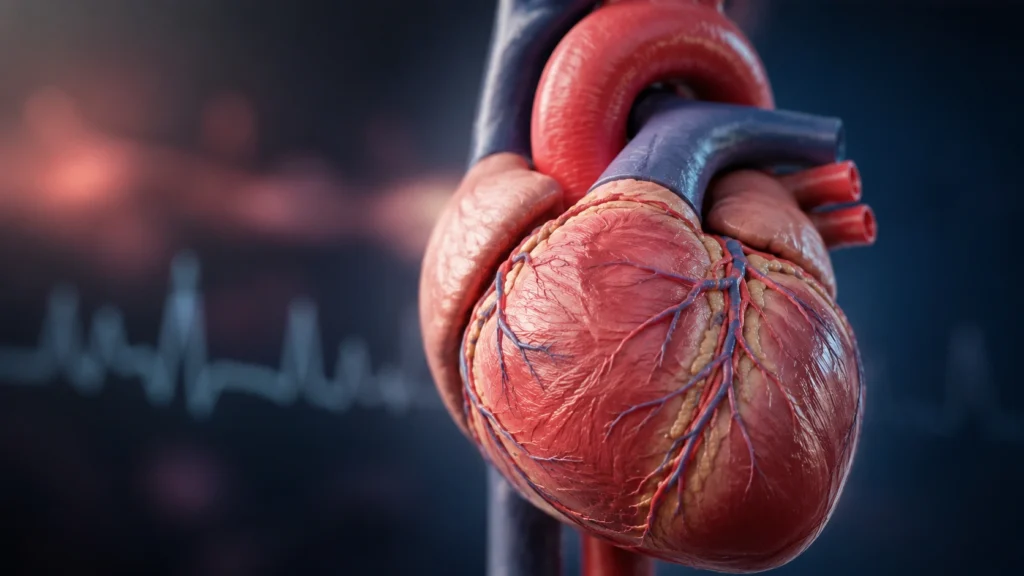
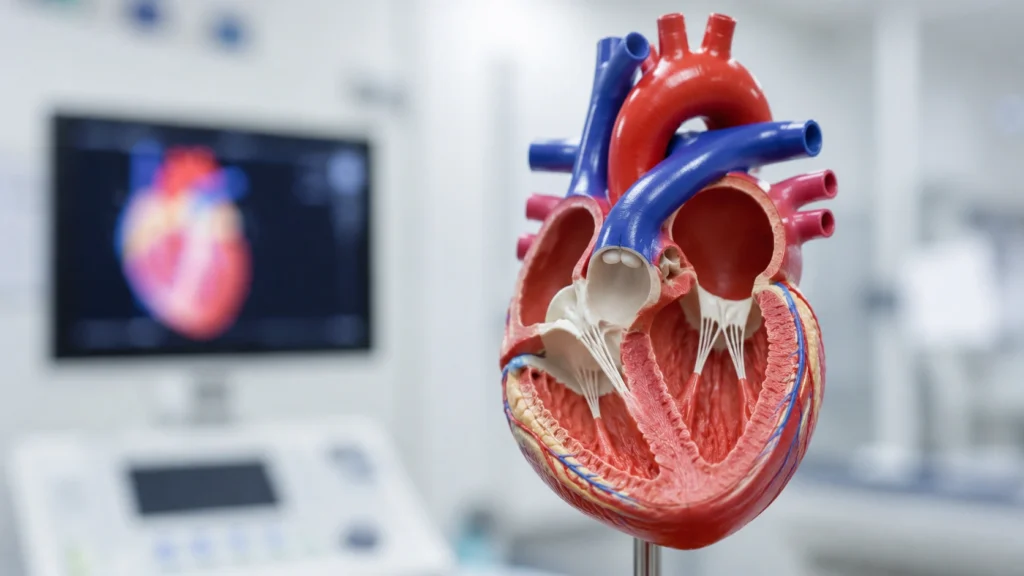
Cardiac resynchronization therapy is a treatment for some people who have heart failure.
No rows found.