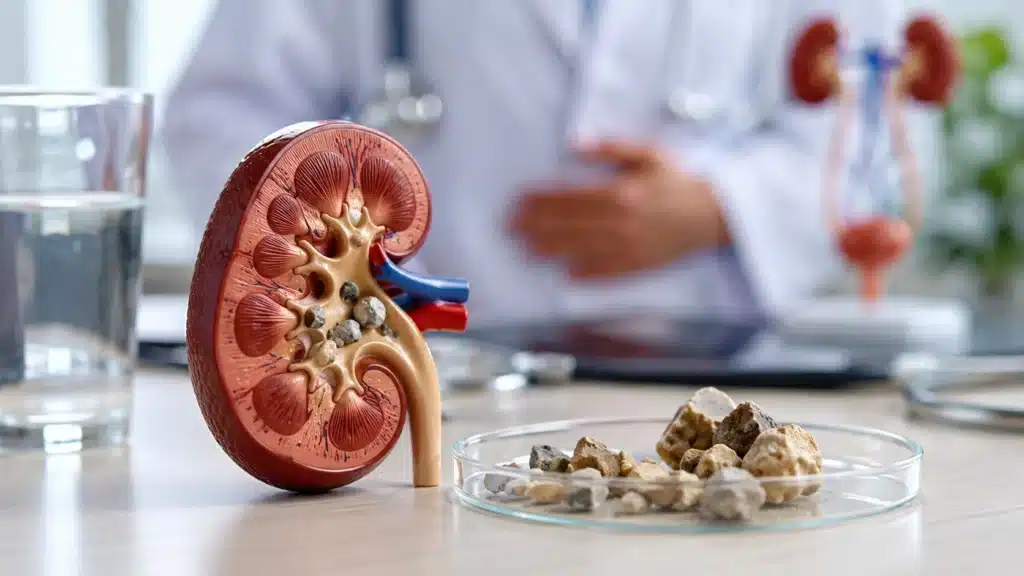
When the kidneys suddenly stop working, in the middle of a serious illness, after major surgery, or during a life-threatening complication, every hour matters.
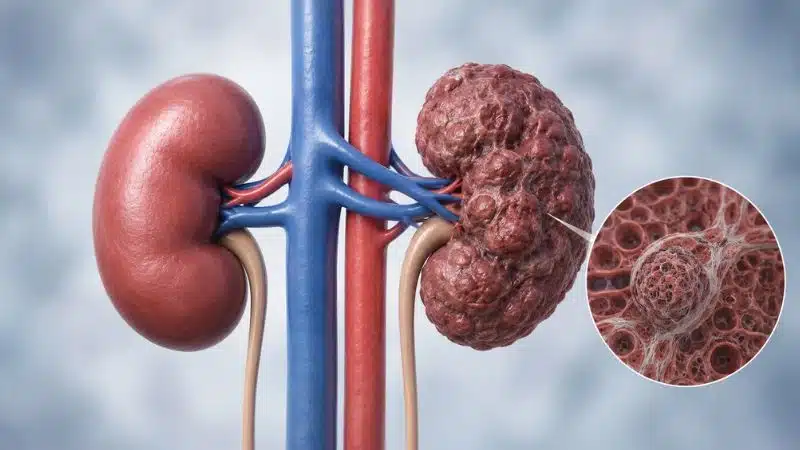
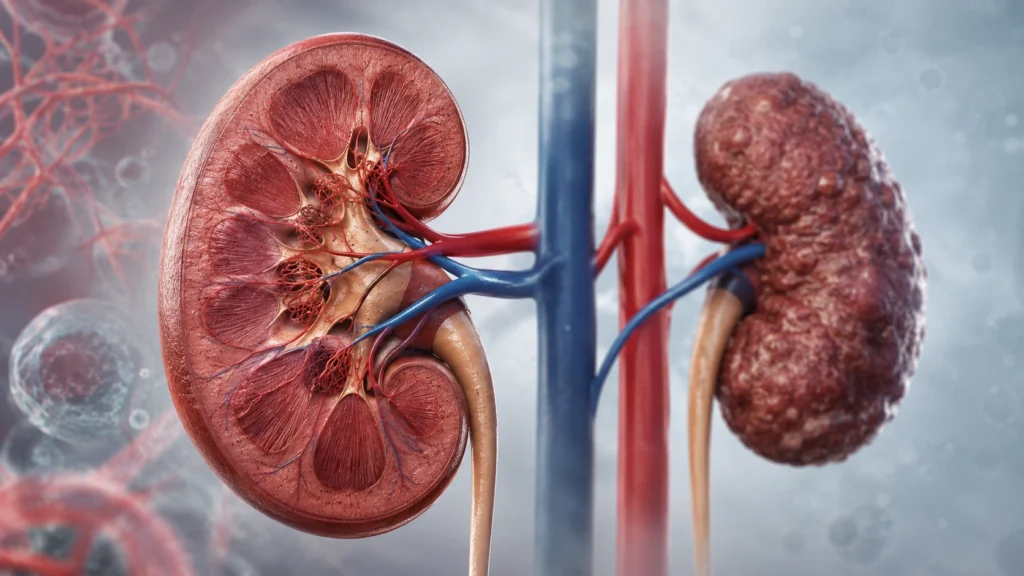
The kidneys do far more than most people realize. They filter waste, balance fluids, regulate blood pressure, and maintain the chemical environment your heart, brain, and lungs depend on. When they fail suddenly, the body’s entire internal balance collapses, and standard treatments are often too aggressive for someone who is already critically ill.
That’s where CRRT: Continuous Renal Replacement Therapy, comes in.
Unlike conventional dialysis that runs for 3 to 4 hours and can cause significant fluid and pressure shifts, CRRT works gently and continuously, 24 hours a day. It mimics the kidney’s natural, steady filtering process. It keeps critically ill patients stable while their bodies, and their kidneys, have time to recover.
At Rama Hospital, our critical care nephrology team manages CRRT within our advanced ICU environment, combining experienced specialists, state-of-the-art equipment, and round-the-clock monitoring to give the most vulnerable patients the best possible chance of recovery.
What is CRRT (continuous renal replacement therapy)?
CRRT is a slow, gentle, 24-hour kidney support therapy designed for patients who are too critically ill to tolerate conventional dialysis.
Think of it this way:
Normal kidneys filter blood continuously, quietly, and steadily every minute of every day. CRRT replicates that process when the kidneys can no longer do it themselves.
How it works:
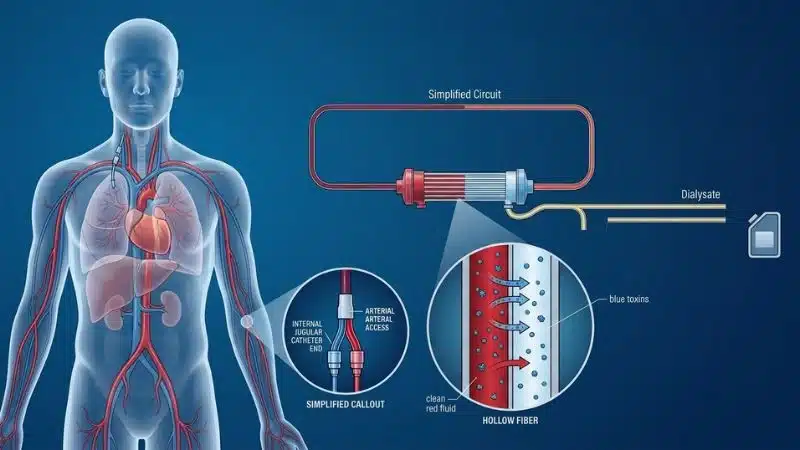
- A thin catheter (tube) is placed in a large vein, usually the neck, chest, or groin.
- Blood is slowly drawn from the body through this catheter.
- It passes through a special filter outside the body, which removes waste products, excess fluids, and harmful substances.
- The cleaned blood is returned to the body.
- This cycle runs continuously, 24 hours a day, typically for several days.
What makes CRRT different from regular dialysis:
|
CRRT
|
Conventional Dialysis
|
| Duration |
24 hours/day |
3–4 hours, 3x/week |
| Speed |
Slow and gentle |
Fast and intense |
| Fluid removal |
Gradual |
Rapid |
| Suitable for |
Critically ill, unstable patients |
Stable patients |
| Setting |
ICU only |
Dialysis unit or home |
| Blood pressure impact |
Minimal |
Can cause drops |
CRRT is not a cure: it supports the kidneys while the underlying cause is treated and recovery is given time to happen.
What conditions are treated with CRRT?
CRRT is primarily used for acute kidney failure in critically ill patients, but its gentle, continuous nature makes it valuable across a range of serious medical conditions.
Acute Kidney Injury (AKI)
- The most common reason for CRRT.
- Kidneys suddenly lose function from sepsis, surgery, medications, or low blood pressure.
- CRRT supports kidney function while the injury resolves.
- Buys critical time for the kidneys to recover.
Chronic Kidney Disease (CKD)
- Patients with existing chronic kidney disease can develop sudden worsening.
- Conventional dialysis may be too harsh during acute decompensation.
- CRRT provides gentler support until stability is restored.
Sepsis and Septic Shock
- Severe infections trigger a massive inflammatory response that damages kidneys rapidly.
- CRRT removes inflammatory mediators alongside waste, helping control the systemic inflammatory response.
- One of the most critical applications of CRRT in modern ICU care.
Drug Toxicity and Poisoning
- Certain medications and toxins accumulate in the blood and damage kidneys.
- CRRT can continuously remove these harmful substances.
- Particularly valuable when the toxic agent builds up faster than the liver can process.
Cardiorenal Syndrome
- Heart failure and kidney failure frequently occur together, each making the other worse.
- CRRT gently removes excess fluid without the blood pressure swings that standard dialysis causes.
- Critically important when conventional fluid management fails.
Severe Burns
- Major burns cause massive fluid shifts, kidney stress, and metabolic imbalance.
- CRRT manages fluid overload and electrolyte chaos in severely burned patients.
Severe Electrolyte and Metabolic Disorders
- Life-threatening imbalance, dangerously high potassium, severe acidosis, or extreme fluid overload.
- When medications alone cannot correct these fast enough.
- CRRT provides continuous, precise correction.
Multiple Organ Dysfunction Syndrome (MODS)
- When several organs fail simultaneously in a critically ill patient.
- CRRT supports kidney function while the ICU team manages other failing systems.
- An essential pillar of multi-organ support in intensive care.
Hepatic Encephalopathy / Liver Failure
- Severe liver failure causes toxins (particularly ammonia) to accumulate and affect brain function.
- CRRT can assist with toxin removal when the liver cannot perform this role.
- Used in combination with liver support therapies in selected patients.
Rhabdomyolysis
- Massive muscle breakdown releases myoglobin into the bloodstream, which is highly toxic to kidneys.
- CRRT removes myoglobin and other breakdown products while protecting the kidneys from further damage.
- Common after crush injuries, severe exercise, or certain medications.
Post-Cardiac Surgery Kidney Failure
- Open heart surgery can trigger acute kidney injury from reduced blood flow during the procedure.
- CRRT is the preferred renal support method in the cardiac surgery ICU.
Who needs CRRT?
Not every patient with kidney failure needs CRRT. It is specifically designed for the most critically ill.
A patient typically needs CRRT if:
- They are in the ICU with acute kidney failure.
- Their blood pressure is unstable, making conventional dialysis too risky.
- They have severe fluid overload that is not responding to medications.
- They have dangerously high potassium (hyperkalemia) or severe acid-base imbalances.
- They are on mechanical ventilation or multiple life-support systems.
- Conventional dialysis has caused dangerous blood pressure drops.
- They have multi-organ failure requiring gentle, continuous kidney support.
- They have drug toxicity or poisoning requiring continuous removal.
CRRT is specifically preferred over conventional dialysis when:
- The patient cannot tolerate rapid fluid shifts.
- Haemodynamic (blood pressure and heart) stability is critical.
- Precise, hour-by-hour fluid balance control is essential.
- The patient’s condition is too unstable for a 4-hour dialysis session.
How is CRRT diagnosed and monitored?
CRRT is initiated based on a comprehensive clinical and laboratory assessment. Your ICU team at Rama Hospital evaluates several parameters before starting and monitors them continuously throughout.
Blood Tests
- Serum Creatinine & Urea (BUN): Check how well the kidneys are working.
- eGFR: Measures the kidney’s filtering ability.
- Serum Potassium: High levels may require urgent CRRT.
- Arterial Blood Gas (ABG): Checks acid levels in the blood.
- Serum Sodium & Chloride: Detects electrolyte imbalances.
- Lactate: Helps identify severe infection or shock.
- Complete Blood Count (CBC): Checks for infection and anemia.
- Liver Function Tests (LFT): Evaluates liver health.
- Coagulation Profile (PT, APTT, INR): Assesses blood clotting ability.
Urine Tests
- Urine Output Monitoring: Tracks how much urine the kidneys produce.
- Urinalysis: Looks for blood, protein, or infection.
- Urine Sodium & Osmolality: Helps determine the cause of kidney injury.
- Urine Microscopy: Examines urine for signs of kidney damage.
Imaging Tests
- Renal Ultrasound: Checks kidney size and looks for blockages.
- Chest X-ray: Detects fluid buildup in the lungs.
- Echocardiogram: Evaluates heart function.
- CT Scan: Identifies underlying causes such as obstruction or infection.
Monitoring during CRRT
- Fluid Balance: Tracks fluid intake and removal.
- Filter Pressure Monitoring: Detects circuit blockage or clotting.
- Anticoagulation Monitoring: Ensures blood-thinning medications are working safely.
- Electrolyte Checks: Monitors potassium, sodium, calcium, and phosphate levels.
- Temperature Monitoring: Prevents body temperature from dropping.
- Blood Glucose Monitoring: Tracks blood sugar levels during treatment.
Types of CRRT: Explained simply
CRRT is not a single technique; it’s a family of related therapies. At Rama Hospital, our ICU team selects the most appropriate modality based on your condition.
CVVH (Continuous Veno-Venous Hemofiltration)
- Removes waste and extra fluid using filtration.
- Replacement fluid is added back to maintain balance.
- Best for patients with fluid overload and severe infections (sepsis).
- Most commonly used CRRT method in ICUs.
CVVHD (Continuous Veno-Venous Hemodialysis)
- Removes waste through a dialysis process.
- Effective at clearing urea and creatinine.
- Slower and gentler than regular dialysis.
- Best for patients who mainly need waste removal.
CVVHDF (Continuous Veno-Venous Hemodiafiltration)
- Combines filtration and dialysis in one treatment.
- Removes both waste products and excess fluid.
- Provides the most complete blood purification.
- Best for critically ill patients needing comprehensive support.
SCUF (Slow Continuous Ultrafiltration)
- Removes excess fluid only.
- Does not clear waste products.
- The gentlest CRRT option.
- Best for fluid overload, especially in heart failure.
SLED (Sustained Low Efficiency Dialysis)
- A middle ground between CRRT and regular dialysis.
- Runs for 8–12 hours instead of continuously.
- Gentler than conventional dialysis.
- Best for patients becoming more stable after critical illness.
The CRRT procedure: what actually happens?
Here is a clear, step-by-step explanation of how CRRT is set up and run at Rama Hospital:
Step 1: Central Venous Catheter Placement
Before CRRT begins, a special catheter is placed into a large vein to provide access for blood flow.
- A double- or triple-lumen catheter is inserted into a large vein.
- Common sites include the neck, chest, or groin.
- Ultrasound guidance is used for accurate placement.
- One channel carries blood to the CRRT machine.
- Another channel returns filtered blood to the body.
- A chest X-ray may be performed to confirm proper positioning.
Step 2: CRRT Circuit Setup
The CRRT machine is prepared and connected to the patient.
- The machine is set up at the bedside in the ICU.
- Blood tubing and the filter are connected.
- Dialysate and replacement fluid bags are attached.
- Blood flow rates are programmed for slow, continuous treatment.
- Fluid removal targets are customized to the patient’s needs.
- Safety settings and monitoring parameters are checked.
Step 3: Anticoagulation
Anticoagulation helps prevent blood clotting inside the CRRT circuit.
- Blood can clot when it passes through the tubing and filter.
- Citrate anticoagulation is commonly used because it reduces bleeding risk.
- Heparin may be used in selected patients.
- Saline flushing may be chosen for patients with a high bleeding risk.
- The method is selected based on the patient’s overall condition.
Step 4: Continuous Treatment
Once started, CRRT runs continuously to support kidney function.
- Treatment operates 24 hours a day.
- Blood passes slowly through the filter.
- Waste products are continuously removed.
- Excess fluid is removed gradually and safely.
- Electrolyte imbalances are corrected over time.
- Replacement fluids help maintain normal blood chemistry.
Step 5: Filter Changes
The filter is replaced periodically to maintain treatment effectiveness.
- Filters generally last between 24 and 72 hours.
- Filter lifespan varies from patient to patient.
- Clotting can shorten filter life.
- Routine filter changes are performed at the bedside.
- The ICU team monitors filter performance throughout treatment.
Step 6: Monitoring and Adjustments
Patients are closely monitored while receiving CRRT.
- Blood tests are performed regularly.
- Fluid balance is assessed throughout the day.
- Electrolyte and acid-base levels are checked frequently.
- Blood pressure and heart function are monitored continuously.
- Treatment settings are adjusted as the patient’s condition changes.
- Built-in machine alarms help detect potential issues early.
Step 7: Transitioning Off CRRT
CRRT is gradually discontinued as the patient’s condition improves.
- Kidney function is assessed regularly.
- Increasing urine output is a positive recovery sign.
- Fluid and electrolyte levels are monitored closely.
- Some patients transition to SLED or conventional dialysis.
- Others may require long-term dialysis if kidney function does not recover.
- In some cases, kidney function returns sufficiently, and dialysis is no longer needed.
What are the benefits of CRRT?
For critically ill patients with acute kidney failure, CRRT offers advantages that no other kidney support therapy can match:
Clinical Benefits
- Stable blood pressure – Gentle treatment helps avoid sudden drops in blood pressure.
- Better fluid control – Allows precise removal of excess fluid from the body.
- Balanced electrolytes – Helps maintain healthy potassium, sodium, and acid levels.
- Supports sepsis care – May help remove harmful inflammatory substances from the blood.
- Protects the brain – Gradual treatment reduces the risk of sudden chemical shifts.
- Safe with ventilators – Can be used without affecting breathing support.
- Improves nutrition support – Allows patients to receive needed nutrition safely.
- Supports kidney recovery – Gives injured kidneys time to heal and recover.
Practical Benefits
- Works continuously – Provides 24/7 blood purification and fluid management.
- Done at the bedside – No need to move critically ill patients.
- Easy to adjust – Treatment settings can be changed based on the patient’s condition.
- Works alongside ICU treatments – Can be used together with other critical care therapies.
Risks and complications of CRRT
CRRT is a life-saving treatment, but like all intensive medical therapies, it carries risks. At Rama Hospital, our ICU team takes every precaution to minimize these.
- Infection: Risk of infection at the catheter site or in the bloodstream.
- Bleeding: Minor bleeding can occur where the catheter is inserted.
- Collapsed Lung (Pneumothorax): A rare complication during catheter placement.
- Blood Clots: Clots may form around the catheter and affect blood flow.
- Filter Clotting: The CRRT filter can clot and may need replacement.
- Air Embolism: Rarely, air can enter the bloodstream through the circuit.
- Blood Loss: Blood leakage can occur if the tubing becomes disconnected.
- Low Body Temperature: Blood can cool while circulating through the machine.
- Low Phosphate Levels: CRRT may remove phosphate from the body.
- Electrolyte Imbalances: Sodium, potassium, and other minerals may become unbalanced.
- Blood Thinner Side Effects: Anticoagulants used during CRRT can increase bleeding risk.
- Medication Removal: Some medicines may be filtered out and require dose adjustments.
- Long-Term Kidney Damage: Some patients may still need ongoing dialysis after CRRT.
Tips for families, supporting your loved one during CRRT
When a family member is in the ICU on CRRT, it can feel frightening and overwhelming. Here’s how you can support them and what to expect:
Understanding What You’re Seeing
- The CRRT machine is temporarily doing the kidneys’ job.
- Tubes connected to the neck or chest carry blood to and from the machine.
- The fluid bags attached to the machine help clean and balance the blood.
- Seeing these machines and tubes is normal during CRRT treatment.
- Their presence does not automatically mean the condition is worsening.
Questions to Ask the Medical Team
- Is kidney function showing signs of improvement?
- Is urine output increasing?
- Is the body’s fluid balance stable?
- Are electrolyte levels normal?
- When might CRRT be reduced or stopped?
- Is the underlying illness being controlled?
What You Can Do
- Stay calm and be present with your loved one.
- Speak regularly with the doctors and nurses.
- Share any history of kidney disease, medications, or allergies.
- Ask about nutrition and feeding plans.
- Stay informed and trust the treatment process.
Signs of Recovery
- Urine output starts increasing.
- The patient becomes more awake and alert.
- Blood pressure becomes more stable.
- Kidney function test results begin to improve.
- Creatinine and potassium levels move closer to normal.
Why choose Rama Hospital for CRRT?
CRRT is one of the most complex and technically demanding therapies in critical care. Outcomes depend heavily on the experience of the team, the quality of monitoring, and the speed of decision-making.
- Advanced ICU Care – Dedicated CRRT machines with continuous monitoring for critically ill patients.
- Expert Specialists – Experienced nephrologists and intensivists work together to provide the best care.
- 24/7 Medical Support – Specialist teams are available around the clock for immediate attention.
- Safer CRRT Treatment – Advanced anticoagulation techniques help reduce bleeding risks during therapy.
- Team-Based Care – Multiple specialists collaborate to manage every aspect of the patient’s health.
- Nutrition Support – Personalized nutrition plans help patients stay stronger during recovery.
- Smooth Recovery Planning – Clear treatment pathways support kidney recovery and ongoing care.
- Family-Centered Communication – Regular updates keep families informed and involved throughout treatment.
When should you see a doctor?
For patients already diagnosed with kidney disease:
- Sudden significant reduction in urine output.
- Rapid unexplained weight gain from fluid retention.
- Severe leg, ankle, or facial swelling appearing quickly.
- Confusion, excessive drowsiness, or difficulty waking up.
- Breathing difficulty, particularly when lying flat.
- Nausea and vomiting that won’t settle.
Frequently Asked Questions (FAQs)
What is the difference between CRRT and regular dialysis?
Regular dialysis (haemodialysis) runs for 3 to 4 hours, 3 times a week, and removes waste and fluid rapidly. CRRT runs continuously, 24 hours a day, and removes waste and fluid very slowly and gently. CRRT is specifically designed for patients who are too critically ill to tolerate the rapid fluid and pressure shifts that conventional dialysis causes.
Does CRRT cure kidney failure?
No, CRRT is a support therapy, not a cure. It takes over the kidneys’ function while the underlying cause of kidney failure is treated. If the kidneys recover, CRRT is stopped. If they don’t, the patient transitions to long-term dialysis.
How long does a patient stay on CRRT?
There is no fixed duration. Some patients need CRRT for a few days; others may require it for weeks. It continues until the kidneys recover enough to work independently or until a decision is made to transition to a different form of renal replacement therapy.
Is CRRT painful?
CRRT itself is not painful once it is running. The catheter insertion is performed under local anesthesia. Most ICU patients on CRRT are sedated or too unwell to experience the therapy directly.
Can kidneys recover after CRRT?
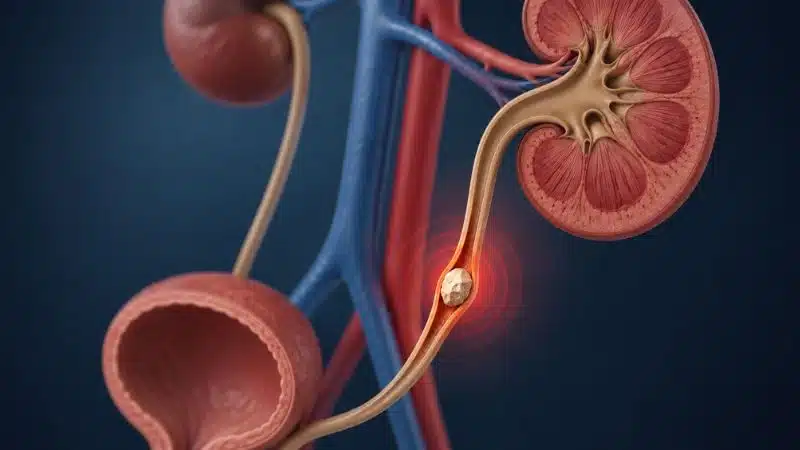
Yes, kidney recovery after CRRT is absolutely possible and happens in a significant proportion of patients, particularly when the underlying cause (sepsis, drug toxicity, or obstruction) is effectively treated.
What happens if the CRRT machine stops or clots?
If the circuit clots or the machine stops, the ICU nursing team immediately responds, either troubleshooting the circuit, changing the filter, or restarting the machine. Brief interruptions are managed safely.
Will the patient need dialysis permanently after CRRT?
Not necessarily. If the kidneys recover, dialysis may not be needed at all. If the kidneys do not recover, due to severe or pre-existing damage, the patient may transition to long-term hemodialysis or peritoneal dialysis.
Is CRRT available around the clock at Rama Hospital?
Yes. CRRT at Rama Hospital runs 24 hours a day, 7 days a week, with trained ICU nurses managing the machine at the bedside and nephrologists and intensivists available around the clock for any adjustments or complications.
Can children receive CRRT?
Yes, CRRT is used in children, including infants, with appropriate modifications to circuit volumes, flow rates, and filter sizes. Pediatric CRRT requires specialist expertise and equipment.
What can families do while their loved one is on CRRT?
Being present, calm, and communicative is the most valuable thing families can do. Speak to the nursing and medical team daily for updates. Ensure the team has complete information about the patient’s medical history and medications.
Conclusion
Acute kidney failure in a critically ill patient is one of the most challenging medical situations in modern medicine. It is frightening, fast-moving, and requires around-the-clock expert management.
CRRT is the most gentle, precise, and effective kidney support therapy available for patients who are too unwell for conventional dialysis. It doesn’t just replace kidney function; it does so in a way that is compatible with the fragile physiology of someone fighting for their life in the ICU.
At Rama Hospital, CRRT is delivered within an advanced critical care environment by a dedicated team of nephrologists, intensivists, and trained ICU nurses, with 24-hour specialist coverage, regional citrate anticoagulation protocols, and a genuine commitment to giving every patient the best possible chance of recovery.