
Most people think of a heart problem as something sudden, a chest pain episode, a collapse, an emergency room visit, or a dramatic event that appears without warning. In reality, one of the most common and dangerous heart diseases usually begins silently, years before the first major symptom shows up.
That disease is coronary artery disease (CAD).
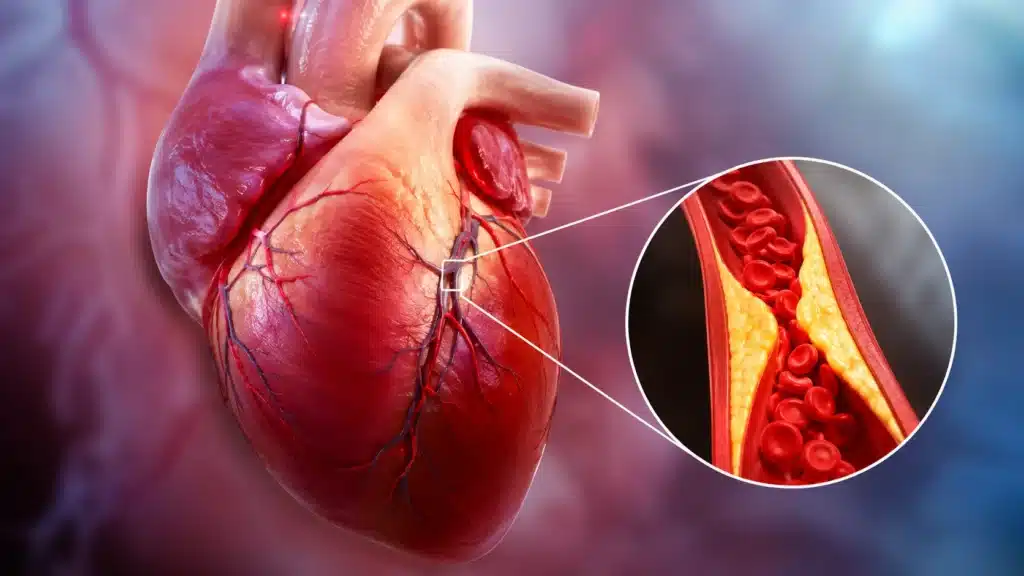
Coronary artery disease develops when the arteries that supply blood to the heart muscle become narrowed or blocked, usually because of plaque buildup inside the artery walls. Over time, this reduces blood flow to the heart, especially during physical activity or stress. The result may be chest discomfort, shortness of breath, fatigue, palpitations, or, in severe cases, a heart attack.
What makes coronary artery disease especially serious is that it often progresses quietly. A person may feel “mostly fine” for years while the disease slowly worsens in the background. By the time symptoms become obvious, the arteries may already be significantly narrowed. That is why early awareness, timely testing, and preventive care are so important.
Coronary Artery Disease is a condition in which the arteries that supply oxygen-rich blood to the heart become narrowed, hardened, or blocked. These arteries are called the coronary arteries. Their job is to nourish the heart muscle so it can keep pumping blood to the rest of the body.
In coronary artery disease, fatty deposits called plaque build up inside the artery walls. This process is known as atherosclerosis. As plaque accumulates, the blood vessel becomes narrower and less flexible. Blood flow to the heart muscle decreases, and the heart may not get enough oxygen, especially during exertion.
When blood flow is reduced, symptoms such as chest pain or pressure can appear. If an artery becomes completely blocked, part of the heart muscle may die, leading to a heart attack.
Coronary artery disease can range from mild narrowing that causes symptoms only during exertion to severe blockage that can cause symptoms at rest or sudden cardiac events.
Coronary artery disease does not happen overnight. It is usually the result of years of slow changes in the blood vessels.
This plaque rupture is often what triggers a heart attack.
Why this matters: Even if symptoms are not severe in the beginning, the disease may still be progressing. That is why patients with risk factors such as diabetes, high BP, smoking, obesity, or family history should not ignore even mild symptoms.
Coronary artery disease is strongly linked to lifestyle, medical conditions, age, and family history. Some risk factors can be changed, while others cannot.
Coronary artery disease symptoms can vary widely. Some people have classic chest pain, while others may only have mild breathlessness or unusual fatigue. In some cases, the disease is discovered only after a heart attack.
Angina is the chest discomfort caused by reduced blood flow to the heart. It often:
Some people, especially those with diabetes or older age, may have little or no chest pain even when CAD is present. They may notice:
Call for urgent help if there is:
Coronary artery disease is not a single pattern. It can appear in different forms depending on how much the arteries are blocked and how the symptoms present.
This is the most common type of coronary artery disease. Symptoms usually occur in a predictable pattern and improve with rest or medication.
Key features:
This is a more serious and potentially life-threatening form of coronary artery disease. Symptoms can occur suddenly and may indicate an impending heart attack.
Key features:
In silent coronary artery disease, reduced blood flow to the heart occurs without obvious warning signs. Many people are unaware they have the condition until it is detected during testing.
Key features:
This occurs when blockages develop in two or more coronary arteries, reducing blood supply to multiple areas of the heart.
Key features:
This type affects the left main coronary artery, which supplies blood to a large portion of the heart muscle. It is considered one of the highest-risk forms of coronary artery disease.
Key features:
Understanding the different types of coronary artery disease helps patients recognize symptoms early and seek appropriate treatment before serious complications develop.
Coronary artery disease is diagnosed using a combination of clinical history, examination, blood tests, ECG, imaging, and sometimes more advanced heart tests.
Treatment for coronary artery disease depends on the severity of the disease, symptoms, test results, and overall health of the patient. The main goals are to relieve symptoms, improve blood flow, prevent heart attack, and reduce future cardiac risk.
Lifestyle changes are the foundation of CAD management and prevention.
Medicines are used to improve blood flow, reduce symptoms, and prevent complications. These medicines should always be taken exactly as prescribed. Common medicines may include:
For patients with angina, medicines help:
If a coronary artery has a significant blockage, the doctor may recommend angioplasty. Angioplasty may be suitable for patients with specific blockages and symptoms. This involves:
If blockages are severe, multiple, or in important arteries, coronary artery bypass grafting (CABG) may be recommended. Bypass surgery:
Rehabilitation helps patients recover and reduce future risk. It may include:
Coronary artery disease treatment is not limited to procedures and medicines. Many patients need a long-term support plan.
Managing these conditions is essential because they directly affect heart risk. Coronary artery disease often coexists with:
The goals of treatment are not only to reduce chest pain but also to protect the heart for the long term.
With proper treatment, many people with coronary artery disease can:
Prevention is one of the most powerful tools in heart care. Even after diagnosis, lifestyle changes can significantly improve outcomes.
Untreated or poorly controlled CAD can lead to serious complications.
Why early treatment matters: The earlier CAD is identified and managed, the more heart muscle can be preserved and the lower the risk of major events.
A doctor should be consulted if you have:
Rama Hospital provides comprehensive evaluation and treatment for Coronary Artery Disease, with a focus on early diagnosis, correct risk assessment, and personalized cardiac care.
Why this matters: Heart disease is often chronic, so treatment must be consistent and carefully monitored. Patients need both medical expertise and long-term support.
Coronary Artery Disease is a condition where the arteries supplying blood to the heart become narrowed or blocked by plaque buildup. This reduces blood flow and can cause chest pain, breathlessness, or heart attack.
No. CAD is the underlying disease that causes narrowing of the heart arteries. A heart attack happens when one of those arteries becomes blocked suddenly and part of the heart muscle is damaged.
Yes. Many patients can be treated with medicines, lifestyle changes, and close monitoring. Surgery or angioplasty is needed only in selected cases depending on blockage severity.
The first symptoms are often chest discomfort during exertion, shortness of breath, fatigue, or heaviness in the chest. Some people may have very mild or even no symptoms initially.
No. Chest pain can have many causes, including acid reflux, muscle strain, or anxiety. But any unexplained chest pain should be checked because CAD can be serious.
Yes. Stopping smoking, controlling BP and sugar, maintaining healthy cholesterol, exercising, and eating a heart-healthy diet can greatly lower the risk.
People with diabetes, high BP, high cholesterol, smoking history, obesity, family history of heart disease, and sedentary habits are at higher risk.
If you have chest pain, breathlessness, fatigue, or a strong family history of heart disease, you should get a medical evaluation. Early testing is especially important if you have diabetes or BP.
Coronary Artery Disease is one of the most important causes of heart disease worldwide, but it is also one of the most manageable when detected early. Because it often develops silently, many people do not realize they have it until symptoms become serious. That is why awareness, timely diagnosis, and long-term care matter so much.
The good news is that coronary artery disease can be treated effectively. With the right combination of medicines, lifestyle changes, procedures when needed, and regular follow-up, many patients can live active and productive lives while reducing their risk of heart attack and other complications.
For any patient with chest discomfort, breathlessness, reduced exercise tolerance, or major heart risk factors, early cardiac evaluation is the safest step. Rama Hospital can help identify the cause, guide the right treatment, and support long-term heart health.

Over the years, small everyday habits begin putting pressure on the kidneys without obvious warning signs.
Most people use these terms like they mean the same thing. They don’t. And understanding the difference could genuinely save your life, or someone in your family’s life.
Indians develop heart disease 10 years earlier than most Western populations.
Most people know diabetes damages the kidneys. Fewer know about the seven other risks silently doing the same thing.
No rows found.