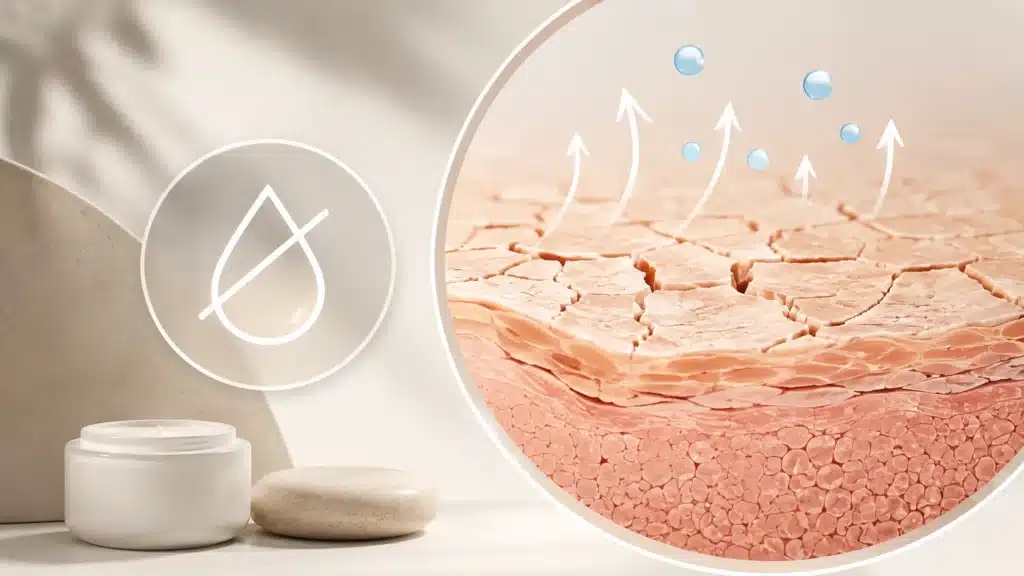
Dry skin is a common condition in which the skin loses too much moisture and natural oil. The medical term for dry skin is xerosis or xeroderma. It may appear as roughness, flaking, itching, tightness, peeling, redness, or fine cracks. It can affect any part of the body, but the hands, arms, legs, elbows, knees, feet, lips, and face are commonly involved.
For many people, dry skin is temporary. It may appear during winter, after frequent bathing, because of air conditioning, or after using harsh soaps and detergents. However, persistent dryness may also be linked to skin conditions such as eczema, psoriasis, ichthyosis, or contact dermatitis. Sometimes it may be associated with medical conditions such as diabetes, thyroid disorders, kidney disease, or nutritional problems.
Dry skin is often treated as a minor cosmetic concern, but it can significantly affect comfort and quality of life. Persistent itching can interfere with sleep. Scratching can damage the skin barrier and create small openings through which bacteria may enter. Deep cracks can become painful and may bleed or become infected.
Dry skin occurs when the skin does not retain enough water or natural oil to maintain its protective barrier. The outermost layer of the skin normally contains water, fats, and natural oils that help prevent excessive moisture loss. When this barrier is disturbed, water escapes more easily from the skin surface.
The result may be:
Dry skin is not always caused by a lack of water in the body. A person may drink enough water and still have dry skin because the skin barrier has been damaged by hot water, harsh products, cold weather, low humidity, frequent washing, or an underlying skin condition.
Healthy skin has a natural protective barrier. This barrier consists of skin cells, oils, fats, and other substances that keep moisture inside and protect the skin from irritants, allergens, and microorganisms.
When a person uses strong soaps, scrubs frequently, bathes in hot water, or spends prolonged periods in dry weather, the skin’s natural oils may be removed. Once the barrier becomes weak, the skin may become more sensitive and lose moisture faster.
Breaking this cycle is an important part of dry skin treatment. This can create a cycle:
Dry skin may be classified according to its cause, location, appearance, and severity.
Simple or environmental dry skin: This is usually caused by weather, bathing habits, air conditioning, heating, or unsuitable skin-care products. It often improves when the trigger is removed and moisturising is started regularly.
Dry skin due to skin disease: In these cases, moisturiser alone may not control all symptoms. The underlying skin condition may require medical treatment. Dryness may occur as part of:
Localised dry skin: Localised dryness may result from repeated exposure to water, detergents, friction, cosmetics, footwear, shaving, or a local skin disease. Dryness may be limited to a specific area, such as:
Generalised dry skin: Generalised xerosis affects large areas of the body. It may be linked to cold weather, aging, medication, a systemic illness, or a widespread skin condition.
Severe dry skin: Severe or persistent dryness should be examined by a dermatologist. Severe dryness may involve:
Dry skin has several possible causes. In many cases, more than one factor is involved.
Bathing and washing habits
Skin-care products
Sun exposure
Repeated sun exposure can damage the skin barrier and contribute to dryness, roughness, uneven pigmentation, and premature skin ageing. Sun damage may also make the skin more sensitive to other products and environmental irritants.
Sun protection should be part of a dry skin-care routine, especially for people who spend time outdoors. A broad-spectrum sunscreen with SPF 30 or higher may be recommended, along with shade and protective clothing.
Underlying skin conditions
The presence of intense itching, persistent redness, thick plaques, a recurring rash, or dryness in a particular pattern may suggest an underlying skin condition. Dryness can be a symptom of a skin disease rather than a simple moisture problem.
Possible conditions include:
Medical conditions
Dry skin may sometimes be associated with:
Medicines
Do not stop a prescribed medicine without discussing it with the treating doctor. A physician may adjust the dose, change the timing, recommend a different option, or provide supportive skin treatment. Certain medicines can cause or worsen dryness. Examples may include:
People who work in healthcare, hospitality, cleaning, food preparation, construction, or industrial environments may develop hand dryness due to repeated washing, glove use, detergents, or chemical exposure. Some people are more likely to develop dry skin.
Symptoms vary depending on the severity and cause.
Symptoms on the face
Facial dryness can sometimes be confused with eczema, contact dermatitis, rosacea, fungal infection, or irritation from skincare products. Persistent facial dryness should not automatically be treated with strong steroid creams without medical advice.
Symptoms on the hands
Hand dryness is common in people who wash their hands repeatedly or come into contact with cleaning chemicals.
Symptoms on the legs
Dry skin on the lower legs is common in older adults, especially during colder months.
Symptoms on the feet
Cracking between the toes may also be caused by a fungal infection, so it is important to distinguish simple dryness from infection.
Symptoms on the scalp
Dry scalp may be confused with dandruff or seborrhoeic dermatitis. Dandruff often involves oiliness and larger flakes, while simple dryness may occur with tight, dry skin. A dermatologist can help determine the cause.
Itching is one of the most uncomfortable symptoms of dry skin. It may be mild during the day but become worse at night when there are fewer distractions.
Why dry skin itches
How itching can cause problems
Keeping nails short, applying moisturiser regularly, and treating the underlying cause can help reduce the itch-scratch cycle.
Children can develop dry skin due to weather, bathing habits, eczema, sensitive skin, or exposure to soaps and detergents.
Care tips for children
Most cases can be diagnosed through a clinical examination. The dermatologist will inspect the affected areas and ask about the patient’s routine, symptoms, products, medicines, and medical history.
The main goals of treatment are to restore moisture, repair the skin barrier, reduce itching, treat inflammation, and manage any underlying condition.
1. Moisturisers
Moisturisers are the foundation of dry skin treatment. They help replace lost oils, reduce water loss, and improve the skin barrier.
Moisturisers may contain:
2. Gentle cleansing
A cleanser should remove dirt and sweat without stripping the skin’s natural oils.
Choose:
Avoid:
3. Treatment for inflammation
If dry skin is associated with eczema, dermatitis, or another inflammatory condition, the doctor may prescribe:
4. Treatment for infection
Dry, cracked skin may become infected. The doctor may prescribe:
5. Treatment of the underlying medical condition
If dry skin is related to diabetes, thyroid disease, kidney disease, a nutritional deficiency, or another condition, managing that condition is an important part of treatment.
6. Itch management
Depending on the cause, the doctor may recommend:
Avoiding triggers is as important as applying treatment. If the cause continues, even a good moisturiser may provide only temporary relief. Some habits can prolong or worsen dryness.
Dry skin is usually manageable, but untreated or severe dryness may lead to complications.
Many mild cases improve with a gentle skin-care routine, but professional evaluation is recommended in several situations.
Dry skin may be simple environmental xerosis, but it can also be a visible sign of eczema, psoriasis, contact allergy, infection, or an underlying medical condition. A dermatologist can assess the pattern of dryness and develop a treatment plan suited to the patient’s skin type, age, symptoms, and health history.
Common causes include cold or dry weather, hot showers, frequent bathing, harsh soaps, low humidity, ageing, sun exposure, and irritating products. Eczema, psoriasis, diabetes, thyroid disorders, medicines, and other conditions may also contribute.
Use lukewarm water, take short showers, choose a gentle fragrance-free cleanser, and apply a thick moisturiser while the skin is still damp. Reapply moisturiser during the day and avoid scrubbing or scratching dry patches.
Drinking water does not always correct a damaged skin barrier. Dry weather, frequent washing, harsh products, eczema, medicines, or medical conditions may still be responsible. Persistent dryness should be assessed rather than treated only by increasing water intake.
Yes. Eczema often causes dry, itchy, inflamed, and recurring patches. If dryness is associated with redness, rash, intense itching, or recurrent flares, a dermatologist can check whether eczema or another condition is present.
Diabetes may contribute to dry or itchy skin through dehydration, changes in circulation, nerve involvement, or increased susceptibility to infection. People with diabetes should seek advice for cracks, wounds, or non-healing areas.
Dry skin can often be reduced by using gentle cleansers, avoiding hot water, moisturising after bathing, protecting the skin from cold and sun, and using gloves during cleaning. People with eczema or medical conditions may also need a personalised prevention plan.
Simple environmental dryness may resolve once triggers are removed and the skin barrier recovers. Dryness caused by eczema, psoriasis, medicines, or chronic illness may need long-term management. Regular care can control symptoms and reduce flare-ups.
Dry skin is common, but persistent or severe dryness should not always be dismissed as a cosmetic problem. It may result from weather, hot water, harsh soaps, frequent washing, ageing, sun exposure, or low humidity. However, it can also be associated with eczema, psoriasis, allergies, infections, medicines, diabetes, thyroid disease, kidney disease, or other health conditions.
The main goals of treatment are to restore the skin barrier, reduce moisture loss, relieve itching, avoid triggers, and treat any underlying cause. Regular use of a suitable moisturiser, gentle cleansing, short lukewarm baths, protection from environmental exposure, and avoidance of scratching can improve many cases.
If the skin continues to crack, bleed, itch severely, become inflamed, or develop signs of infection, professional medical evaluation is important. A dermatologist can distinguish simple xerosis from eczema, psoriasis, contact dermatitis, fungal infection, or a systemic condition and recommend appropriate treatment.
Dry skin causes your skin to have a rough texture because it doesn’t have enough moisture. Dry skin is very common.
No rows found.