

Imagine an organ in your body slowly losing its ability to work, month after month, without causing a single shred of physical pain. That is exactly how chronic kidney disease symptoms begin silently. Your kidneys are masterful multi-taskers, filtering waste, balancing fluids, and controlling blood pressure. Because they are so efficient, they keep working hard even when they are damaged, hiding the problem until things become serious.
Many people assume that a kidney issue would immediately cause intense back pain or make them feel extremely sick. Unfortunately, chronic kidney disease symptoms are so mild in the early stages that they are easily blamed on a busy work week or a bad night’s sleep.
This comprehensive guide uses clear, point-by-point details to explain the hidden warnings of chronic kidney disease symptoms across all stages. If you are wondering, how do I know if I have kidney disease? Learning these patterns is your first line of defense. If you have risk factors like diabetes or high blood pressure, getting an early check-up with a specialized nephrologist in Noida or finding a trusted kidney disease treatment in Noida at a world-class facility like Rama Hospital can save your health.
How Does Kidney Disease Start?
To understand how kidney disease starts, it helps to look at the early phases. Doctors split kidney damage into five distinct stages based on how well your internal filters (nephrons) are cleaning your blood.
| THE HIDDEN PROGRESSION OF CKD | ||
| Disease Stage | Kidney Function Level | What You Actually Feel |
| Stage 1 | Normal (90% or higher) with mild kidney damage | Chronic kidney disease symptoms are 100% silent |
| Stage 2 & 3 | Mild to Moderate drop (30% to 89% function) | Tiny, easily missed changes like mild fatigue or swelling. |
| Stage 4 & 5 | Severe loss to failure (Below 30% function) | Severe full-body symptoms, requiring immediate care. |
The Filtration Buffer: You can lose up to 50% of your kidney function before developing any obvious chronic kidney disease symptoms.
Stage 1 Kidney Disease Symptoms: At this baseline level, your blood tests might show perfect filtration numbers, meaning the initial damage can only be spotted through specialized urine checks looking for hidden proteins.
Compensatory Overwork: The remaining healthy parts of your kidneys grow larger and work twice as hard to clear away toxins, covering up the damage until the organs are deeply exhausted.
Why Early Detection Matters: Caught during the initial stages, chronic kidney disease symptoms can often be completely paused or managed with simple daily lifestyle updates.
Chronic Kidney Disease Symptoms: The Signs You Might Be Ignoring
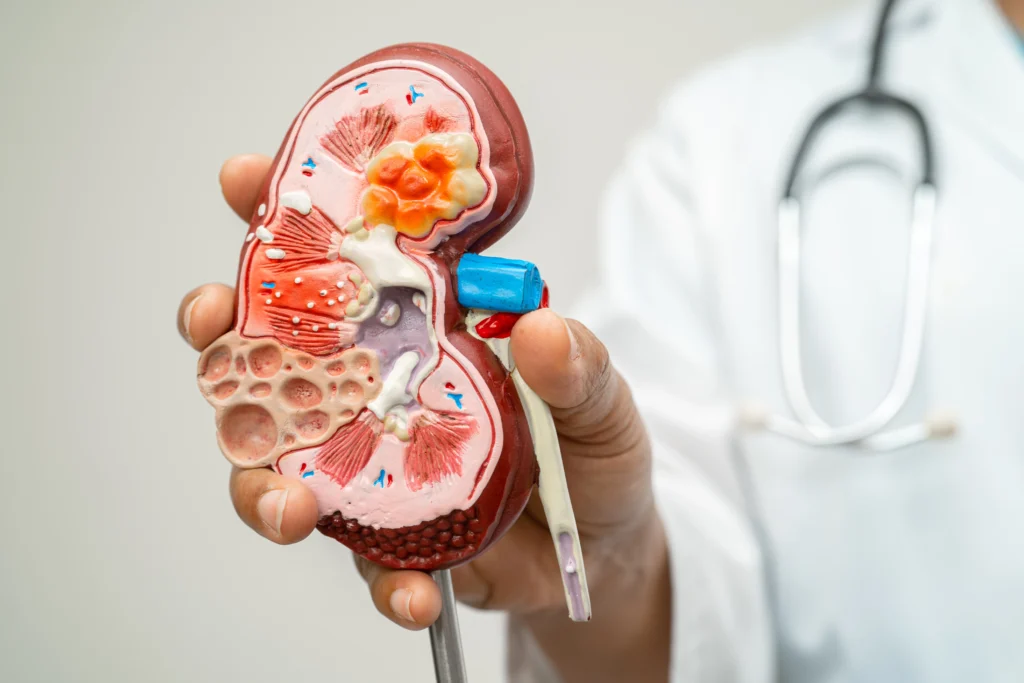
During the initial phases, your body drops very subtle clues. If you don’t know what to look for, these chronic kidney disease symptoms will easily pass under your radar.
1. Chronic Fatigue and Weakness
- The Toxin Build-up: When kidney function drops, harmful toxins and metabolic wastes slowly pile up in your blood rather than exiting through your urine.
- Feeling Constantly Drained: This internal toxic buildup leaves you feeling physically exhausted, mentally sluggish, and weak, even after resting all weekend.
- Anemia Link: Healthy kidneys create a vital hormone called erythropoietin (EPO), which tells your bone marrow to make red blood cells. Damaged kidneys make less EPO, causing your red blood cell count to drop and triggering severe, chronic tiredness, one of the most overlooked chronic kidney disease symptoms.
2. Mild Swelling in Feet or Ankles
- Sodium Retention Problems: Your kidneys act as your body’s primary fluid drain. When they slow down, they fail to clear out extra salt.
- The Gravity Effect: The extra salt holds onto water, and gravity pulls that fluid down into your lower extremities, causing mild swelling in feet or ankles, a classic sign among chronic kidney disease symptoms.
- Sock Ring Impressions: You might notice deep, distinct indents on your skin after taking off your socks or shoes at the end of a long desk shift.
3. Frequent Urination (Especially at Night)
- Damaged Filter Architecture: When the microscopic filters inside your kidneys break down, they lose the ability to concentrate your urine correctly.
- Midnight Disruptions: This damage forces your bladder to fill up much faster, waking you up multiple times throughout the night to use the bathroom.
- The Interrupted Sleep Cycle: Many people think this is just a sign of getting older or drinking water before bed, completely missing it as one of the key chronic kidney disease symptoms.
4. Loss of Appetite and Mild Nausea
- Altered Taste Buds: As urea and other waste products accumulate in your system, they change how your food tastes, often leaving a strange metallic flavor in your mouth.
- Mild Nausea: The slow, steady buildup of waste irritates your stomach lining, causing a persistent, low-grade morning nausea that kills your desire to eat.
- Unexplained Weight Loss: Because food loses its appeal and makes you feel slightly sick, you might start losing weight without actively trying to diet, another subtle marker of chronic kidney disease symptoms.
Progressing Symptoms: Signs the Damage Is Advancing
If the early warnings are missed, the kidney damage moves deeper. At this point, the undetected chronic kidney disease symptoms become much more visible and harder to ignore.
- Foamy Urine: If your urine looks highly bubbly—resembling whipped eggs or thick soap foam, it means large amounts of albumin (protein) are leaking through your cracked kidney filters.
- Blood in Urine: When the internal filters are physically torn, actual red blood cells leak out into your bladder, making your urine look visibly pink, dark red, or smoky brown.
- Back or Flank Pain: While standard CKD doesn’t hurt, specific causes like cysts or a severe kidney infection or long-term damage triggers can cause a deep, heavy ache right under your lower rib cage.
- High Blood Pressure: Your kidneys regulate your body’s vascular pressure. Damaged kidneys release too much of a hormone called “renin,” causing your blood pressure to spike rapidly, which is one of the more serious advancing chronic kidney disease symptoms.
- Puffiness Around Eyes: The massive loss of protein in your urine changes the fluid balance in your blood vessels, causing clear, watery fluid to collect around your eyelids, especially right when you wake up.
Advanced Symptoms: When the System Overloads
When kidney function drops into dangerous territory, chronic kidney disease symptoms escalate into a severe metabolic overload. Every single major organ system begins to struggle as toxins flood the bloodstream.
- Shortness of Breath: Fluid builds up directly inside your lungs, making it feel like you are drowning or running out of air even while sitting completely still.
- Severe Fatigue: Extreme anemia combined with high toxic waste leaves you feeling completely wiped out, unable to finish basic daily chores.
- Muscle Cramps: Severe imbalances in vital blood minerals like calcium and phosphorus cause your leg muscles to painfully knot up and spasm at night.
- Confusion or Concentration Issues: High levels of urea in your blood act like a sedative on your brain, causing deep mental fog, forgetfulness, and trouble focusing, advanced chronic kidney disease symptoms that demand immediate medical attention.
- Reduced Urine Output: In the final stages, your kidneys slow down to a crawl, causing your daily urine output to drop to a tiny fraction of what is normal.
Root Causes: Why Do Kidneys Start Failing Silently?
The Diabetes and High Blood Pressure Connection
- Uncontrolled Sugar Kidney Damage: Constant high blood sugar acts like sandpaper inside your blood vessels, scarring the delicate filters over time and quietly triggering chronic kidney disease symptoms.
- High Blood Pressure Kidney Damage: Chronic high pressure forces blood forcefully through the tiny filters, causing them to stiffen, thicken, and fail completely.
- The Silent Duo: Both of these conditions can quietly destroy your kidneys for a decade without causing any direct pain, making regular medical screening essential.
Hidden Everyday Risks
- Dehydration and Kidney Problems: Consistently failing to drink enough water makes your kidneys work twice as hard to concentrate waste, increasing your risk for permanent structural damage.
- NSAIDs Kidney Damage: Frequently taking over-the-counter painkillers (like ibuprofen or diclofenac) for everyday headaches or joint pain severely reduces blood flow to your kidneys, causing hidden, irreversible scarring.
- Family History of Kidney Disease: If your parents or siblings have dealt with kidney failure, your genes may make your filters much more vulnerable, raising the likelihood of developing chronic kidney disease symptoms earlier in life.
How to Detect Kidney Disease Early
Because chronic kidney disease symptoms are so quiet, you cannot rely on how you feel to know if your organs are healthy. You must take a proactive approach to check your numbers.
- Get an Annual eGFR Blood Test: A simple blood test measures your creatinine levels to find your exact estimated Glomerular Filtration Rate (eGFR), telling you exactly how well your filters are working.
- Order a Routine Urine ACR Test: This quick urine check looks for tiny traces of a protein called albumin, allowing doctors to spot chronic kidney disease symptoms long before any physical signs ever show up.
- Check Your Blood Pressure Regularly: Keeping your blood pressure consistently below 130/80 mmHg is one of the single best ways to protect your delicate kidney tissues from tearing.
- Review Your Daily Medications: Always talk to a medical professional before taking daily pain relievers or heavy fitness supplements to make sure they are safe for your kidneys.
Advanced Treatment Options
If you discover that your kidney numbers are dropping, you shouldn’t panic. Modern medicine offers highly effective ways to protect your remaining kidney function and keep you feeling great.
- Early Nephrology Care: Working with a specialist helps you create a custom plan using targeted blood pressure medications (like ACE inhibitors) that actively shield your kidney filters from extra stress.
- Dietary Management: A renal dietitian can help you balance your daily intake of protein, sodium, and potassium, reducing the filtration workload on your kidneys.
- State-of-the-Art Care Facilities: If your chronic kidney disease symptoms have already reached an advanced stage, visiting a modern dialysis center in Noida ensures you receive highly precise, comfortable, and safe blood-cleansing treatments.
To get the best results, it is vital to work with an experienced nephrologist in Noida. Booking a consultation for advanced kidney disease treatment in Noida at a premier, fully equipped hospital like Rama Hospital gives you access to top-tier diagnostic labs and advanced kidney care specialists all under one roof.
Frequently Asked Questions (FAQ)
Can your kidneys heal themselves once damage has occurred?
Chronic kidney disease involves permanent tissue scarring, meaning fully scarred filters cannot repair or grow back. However, if the damage is caught early, the remaining healthy kidney tissue can be protected and preserved. With the right medical care, you can often stop the disease from getting worse, allowing you to live a long life without ever needing dialysis.
How does a doctor find out if pain is from a kidney or just a normal back muscle?
Muscle pain usually feels like a sharp ache that hurts more when you bend, twist, or stretch your back. Kidney pain sits higher up on your back, right under your ribs, and feels like a deep, throbbing ache that stays exactly the same no matter how you move your body. A quick urine or ultrasound test can easily tell your doctor what is causing the discomfort.
What is the difference between an acute kidney injury and chronic kidney disease?
An acute kidney injury (AKI) is a sudden, rapid drop in kidney function, often caused by severe dehydration, an unexpected infection, or a reaction to a medication. With fast treatment, AKI can often be completely reversed. Chronic kidney disease (CKD), on the other hand, is a slow, steady loss of function that develops quietly over several years.
Can eating a very high-protein diet damage perfectly healthy kidneys?
For someone with normal, healthy organs, a high-protein diet is usually safe if they drink plenty of water. However, if you have hidden, early-stage kidney disease, eating massive amounts of protein forces your filters to work extra hard to clear out nitrogen waste. This extra pressure can accelerate tissue wear and tear, making early screening highly important for fitness enthusiasts.
Why does kidney disease cause severe, unyielding skin itching?
As your kidneys lose their filtering power, they fail to clear out a mineral waste product called phosphorus. When phosphorus builds up to high levels in your bloodstream, it mixes with calcium and settles directly inside your skin tissue. This triggers a deep, intense, and constant itching sensation that creams or lotions cannot seem to soothe.
Conclusion: Take Charge of Your Kidney Health
To sum it all up, understanding the silent symptoms of chronic kidney disease helps you protect your long-term health before it is too late. You cannot wait for severe pain or major illness to tell you that something is wrong. Paying close attention to minor body changes, like waking up to pee at night, slight ankle puffiness, or unusual afternoon fatigue, can give you the early warning you need to protect your body. If you have risk factors like diabetes, high blood pressure, or a family history of kidney issues, do not leave your health to guesswork. Scheduling a preventive check-up with a skilled nephrologist in Noida will give you a clear, accurate look at your internal numbers. Reach out to the expert team at Rama Hospital today to discover advanced kidney disease treatment in Noida options and build a personalized plan to keep your kidneys healthy for years to come.