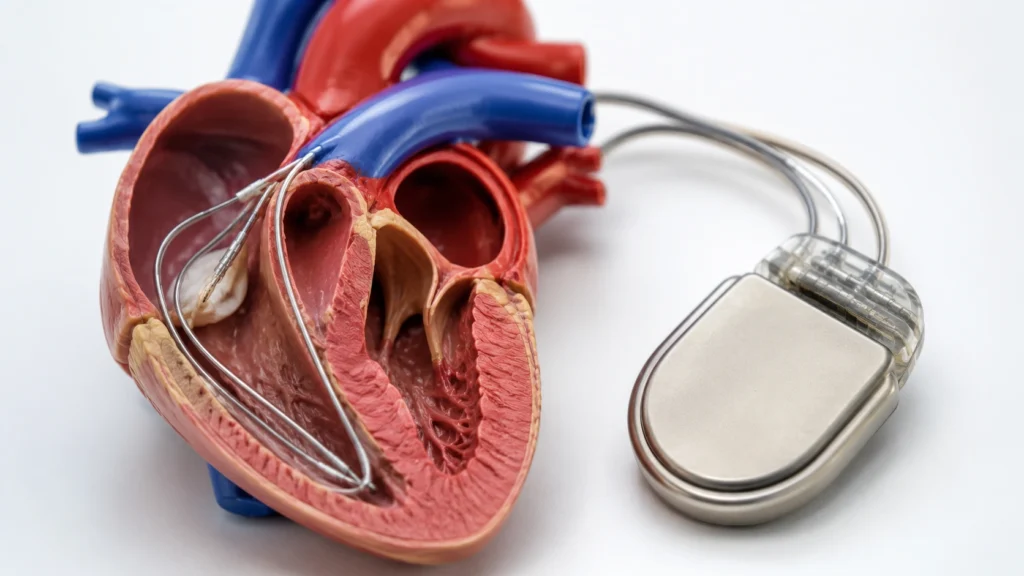
An Implantable Cardioverter Defibrillator, commonly called an ICD, is a small battery-powered device placed under the skin, usually near the collarbone, to monitor the heart and deliver treatment if a dangerous rhythm is detected. It is designed to prevent sudden death in people at high risk of life-threatening arrhythmias such as ventricular tachycardia and ventricular fibrillation.
For many patients, an ICD is not just a device; it is long-term protection against sudden cardiac death. It continuously checks heart rhythm, responds when needed, and can restore a normal rhythm with pacing or a shock if the heart enters a dangerous rhythm.
ICD therapy is especially important in patients who have already survived cardiac arrest or who have structural heart disease that puts them at significant risk. In modern cardiology, ICDs are used both for secondary prevention, after a life-threatening event, and for primary prevention in carefully selected patients who are at high risk before an event occurs.
At Rama Hospital, ICD treatment is offered as part of comprehensive cardiac rhythm care. The focus is not only on implantation, but also on accurate patient selection, pre-procedure evaluation, device programming, recovery support, and long-term follow-up.
An ICD is a cardiac implantable electronic device that detects and treats dangerous fast heart rhythms. It is placed beneath the skin and connected to the heart through thin wires, called leads, which sense the heartbeat and deliver treatment when necessary.
The device works by constantly monitoring the heart rhythm. If it detects an abnormal rhythm, it can respond in different ways depending on the rhythm and how the device is programmed. These responses may include anti-tachycardia pacing, cardioversion, or a shock to bring the heart back to a safer rhythm.
The main purpose of an ICD is to stop sudden cardiac death caused by ventricular arrhythmias. It is different from a pacemaker, which is mainly used to treat slow heart rhythms. Some ICDs also include pacing functions, so the device can treat both slow and fast rhythm problems in selected patients.
ICDs are available as transvenous devices and subcutaneous devices. A transvenous ICD uses leads placed inside the heart, while a subcutaneous ICD is placed under the skin and does not use heart-chamber leads. The right option depends on the patient’s diagnosis, anatomy, and rhythm needs.
ICD treatment is recommended for selected patients who are at risk of dangerous ventricular arrhythmias or sudden cardiac arrest. It is not given to everyone with heart disease, and it is only considered after a detailed cardiology evaluation.
ICDs may also be recommended after a heart attack, after revascularization in some patients, or after evaluation for unexplained syncope when ventricular arrhythmia is suspected. The final decision is always based on guideline-based assessment and the patient’s overall health and expected survival.
You may need an ICD if you have:
An ICD is used to reduce the risk of sudden cardiac death in patients with serious rhythm problems or structural heart disease. It may be used in the following conditions.
High-risk heart rhythm conditions
Heart muscle and pump problems
Inherited and structural conditions
An ICD does not cure the heart disease itself. Instead, it protects the patient from sudden rhythm-related death while the underlying heart condition continues to be managed with medicines, lifestyle measures, and follow-up care.
Dangerous ventricular arrhythmias can stop the heart from pumping blood effectively. When that happens, the person may collapse suddenly, lose consciousness, or die within minutes if treatment is not given immediately.
An ICD is needed because these rhythm events often happen without warning. Even when a patient is on medication, the device can act as a safety net and intervene immediately if a life-threatening rhythm occurs.
This is why ICD therapy is considered one of the most important treatments in modern preventive cardiology. It can save lives in patients who are vulnerable to sudden cardiac death and may not be protected by medicine alone.
The risk of sudden cardiac death rises when the heart is structurally weak or electrically unstable. Several medical conditions can increase this risk. Risk factors matter because they help identify patients who may benefit from primary prevention ICD implantation before a cardiac arrest occurs. Proper risk assessment is one of the most important steps in deciding whether ICD therapy is appropriate.
Common risk factors include:
Not every ICD candidate has symptoms, but many have warning signs of serious heart disease. In some patients, the first serious symptom may be sudden cardiac arrest itself. That is why people with known heart disease, especially those with reduced ejection fraction or prior ventricular arrhythmia, need regular specialist review. These may include:
The decision to implant an ICD depends on tests that evaluate heart function, rhythm risk, and overall suitability. The goal is to find patients who are most likely to benefit and to avoid unnecessary implantation in those who do not meet criteria.
ICD implantation is generally not considered if the arrhythmia risk is due to a correctable cause alone, or if the patient does not have a reasonable expectation of survival with acceptable function for at least one year.
Common diagnostic tests include:
Key measurements doctors look at:
Different ICD types are used depending on the patient’s condition. The main options include transvenous ICDs and subcutaneous ICDs.
ICD device options
The type of device is chosen based on rhythm needs, anatomy, and long-term treatment goals. A cardiology and electrophysiology team usually makes this decision after detailed evaluation.
| ICD type | How it works | Common use |
| Transvenous ICD | Leads are placed through veins into the heart | Most common option for patients who need pacing and shock therapy |
| Subcutaneous ICD | Device is placed under the skin without heart leads | Used in selected patients when pacing inside the heart is not needed |
| ICD with pacing features | Can treat slow rhythms and fast rhythms | Used when the patient may also need pacing support |
Before the Procedure
Before ICD implantation, the hospital team performs careful planning to ensure the procedure is safe and appropriate. Patients usually undergo clinical review, heart testing, medication review, and counseling about what the device can and cannot do.
Pre-procedure checklist:
This stage is important because the ICD must be matched to the right patient. A device is most effective when the underlying problem, rhythm risk, and long-term treatment plan are all clearly understood.
ICD implantation is usually performed in a cardiac procedure room or electrophysiology lab. The procedure may take a few hours depending on the type of device, anatomy, and whether it is a new implant or a replacement.
ICD implantation process
| Step | What happens | Purpose |
| 1. Preparation | Patient is prepared and monitored | Ensures safety and readiness |
| 2. Anesthesia | Local anesthesia with sedation or general anesthesia in selected cases | Reduces pain and discomfort |
| 3. Incision | Small cut is made near the collarbone | Creates access for the device |
| 4. Lead placement | Leads are guided into the heart through a vein, if transvenous ICD is used | Allows rhythm sensing and treatment |
| 5. Device connection | Leads are connected to the pulse generator | Links sensing and shock functions |
| 6. Device pocket | Generator is placed under the skin | Keeps the ICD secure |
| 7. Testing | Device may be tested and programmed | Confirms proper function |
| 8. Closure | Incision is closed and dressed | Supports healing and infection prevention |
More detailed procedure points:
In selected patients, defibrillation threshold testing may be done, though many centers use individualized approaches based on device type and patient profile. The exact process depends on hospital protocol and clinical judgment.
After ICD implantation, most patients are observed for a short period to make sure the device is functioning properly and there are no immediate complications. The team checks wound status, rhythm stability, pain control, and any signs of bleeding or swelling.
The length of hospital stay depends on the patient’s condition, overall heart disease severity, and whether the device was implanted as a planned elective procedure or after a serious event.
Patients are usually educated about:
Once implanted, the ICD continuously watches the heart rhythm. If it detects a rhythm that is too fast or dangerous, it uses programmed therapy to correct it. The patient may feel a shock as a sudden jolt if the ICD treats a serious rhythm. This can be frightening, but it is often life-saving. The care team should explain what to do after a shock and when to seek urgent review.
The device may respond in several ways:
ICDs are widely used because they save lives in carefully selected patients. They are one of the most effective therapies for preventing sudden cardiac death in people at high risk of ventricular arrhythmias.
Main benefits of ICD treatment
| Benefit | Why it matters |
| Prevents sudden cardiac death | Treats dangerous rhythms immediately |
| Monitors heart rhythm 24/7 | Provides continuous protection |
| Responds automatically | No delay in treatment when arrhythmia occurs |
| Works as secondary prevention | Helpful after cardiac arrest or VT/V |
| Supports high-risk primary prevention | Helps selected patients before an event occurs |
| Gives rhythm data to doctors | Helps with long-term heart management |
Other important benefits include:
ICD implantation is generally safe, but like any procedure, it carries some risks. Patients should understand these risks before the surgery and during long-term device follow-up. Long-term care is important because the device battery will eventually need replacement, and the leads and settings may need review over time. Regular follow-up helps detect issues early and keeps the device working properly.
Possible complications include:
Recovery depends on the patient’s general health and whether the ICD was implanted electively or after a cardiac event. Most patients can gradually return to normal activities, but they need to follow the hospital’s instructions carefully during the first few weeks.
Patients are also advised on what to do if they experience a shock. A single shock may require prompt review, while repeated shocks, fainting, chest pain, or breathlessness need urgent medical evaluation.
Recovery tips:
Living with an ICD usually means living normally with a few safety precautions. Most patients can return to work, travel, and regular daily activities once they have healed and been cleared by their doctor. The patient should also know that ICDs do not treat every cause of feeling unwell. If symptoms continue despite the device, the underlying heart disease still needs medical management.
Important lifestyle points:
Urgent evaluation is needed after repeated ICD shocks, collapse, severe symptoms, or signs of infection at the device site. Quick review can help determine whether the rhythm problem, the device, or the underlying heart condition needs attention.
You should see a doctor if you have:
Rama Hospital offers structured cardiac care for patients who may benefit from ICD implantation. The goal is to provide safe treatment, careful selection, and long-term support for patients at risk of sudden cardiac death.
An ICD is designed for long-term use, but the battery does not last forever. The device will need monitoring, and the generator may need replacement in the future.
The procedure is done with anesthesia, so patients should not feel pain during implantation. Some soreness afterward is normal and usually improves with recovery.
Yes, many patients live active and productive lives with an ICD. After healing, most daily activities can continue with a few safety precautions and regular follow-up.
If the ICD delivers therapy for a dangerous rhythm, you may feel a sudden jolt. It can be alarming, but it is meant to correct a life-threatening heart rhythm.
No, an ICD protects against sudden rhythm-related death, but it does not cure the underlying heart disease. Medicines and ongoing cardiac care are still very important.
ICD treatment is one of the most important therapies for preventing sudden cardiac death in patients with high-risk arrhythmias and structural heart disease. It provides continuous rhythm monitoring and fast intervention when dangerous rhythms occur, which can be life-saving in the right patient.
For patients and families, the decision to receive an ICD should always be guided by a specialist evaluation, heart testing, and a clear understanding of the benefits and risks. When implanted in the right patient and followed properly, an ICD can offer both protection and peace of mind.
At Rama Hospital, ICD treatment is approached as a complete care pathway, from diagnosis and procedure planning to recovery and long-term device follow-up. The focus is on safety, expert decision-making, and long-term support for heart rhythm health.
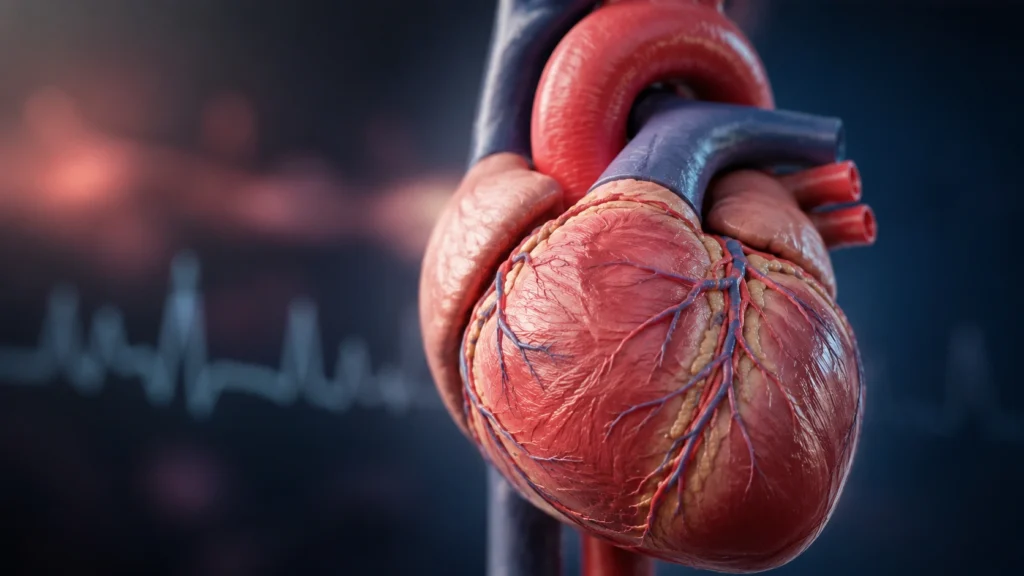
An implantable cardioverter-defibrillator, also called an ICD, is a small battery-powered device placed in the chest.
No rows found.