Dialysis: Types, Procedure, Benefits, Risks & Recovery

Your kidneys do something remarkable, quietly, continuously, without you ever thinking about it. Every single day, they filter about 200 liters of blood, removing waste products, balancing fluids, regulating blood pressure, and producing hormones essential for your health. When they are working, you never notice them. When they stop working, everything changes.

Kidney failure, whether it happens suddenly or builds up over years, is a life-altering diagnosis. When the kidneys can no longer do their job, waste products and excess fluid accumulate in the body. Left untreated, this is life-threatening. That’s where dialysis steps in.

Dialysis is a medical treatment that takes over the kidneys’ most critical functions when they can no longer do so themselves. It doesn’t cure kidney disease, but it keeps you alive, keeps toxins out of your body, and for many patients, sustains a good quality of life for years or even decades.

Kidney disease can be overwhelming, but the right care and support can make all the difference. Rama Hospital offers comprehensive dialysis services, including emergency services for critical kidney conditions, as well as long-term hemodialysis and peritoneal dialysis programs tailored to each patient’s needs.

Our experienced nephrology team focuses not just on treatment but on helping patients live better with kidney disease. From diagnosis and treatment planning to ongoing care, every patient receives compassionate support, expert medical attention, and personalized care at every step of their journey. Whether you are newly diagnosed or looking for a trusted dialysis center, Rama Hospital is here to support you.

What is dialysis?

Dialysis is a treatment that artificially replaces the filtering function of the kidneys.

When the kidneys fail, either suddenly or gradually, they can no longer:

  • Remove waste products (like urea and creatinine) from the blood.
  • Balance the body’s fluid levels.
  • Regulate electrolytes like potassium, sodium, and phosphate.
  • Maintain blood pressure and acid-base balance.

Dialysis does all of this artificially, keeping the blood clean and the body’s chemistry in balance.

Two important things to understand about dialysis:

  • It is a treatment, not a cure; it manages kidney failure but does not restore kidney function.
  • For patients with end-stage kidney disease (ESKD), this is a long-term commitment, typically three sessions per week for hemodialysis or daily exchanges for peritoneal dialysis.
  • For patients with acute kidney injury (AKI), dialysis may be temporary; the kidneys sometimes recover once the underlying cause is treated.

What conditions require dialysis?

Dialysis is most commonly associated with chronic kidney disease and kidney failure, but it is used for several other serious medical conditions where the body needs urgent filtration or toxin removal.

1. Chronic kidney disease (CKD): Stage 5 (End-Stage Renal Disease)

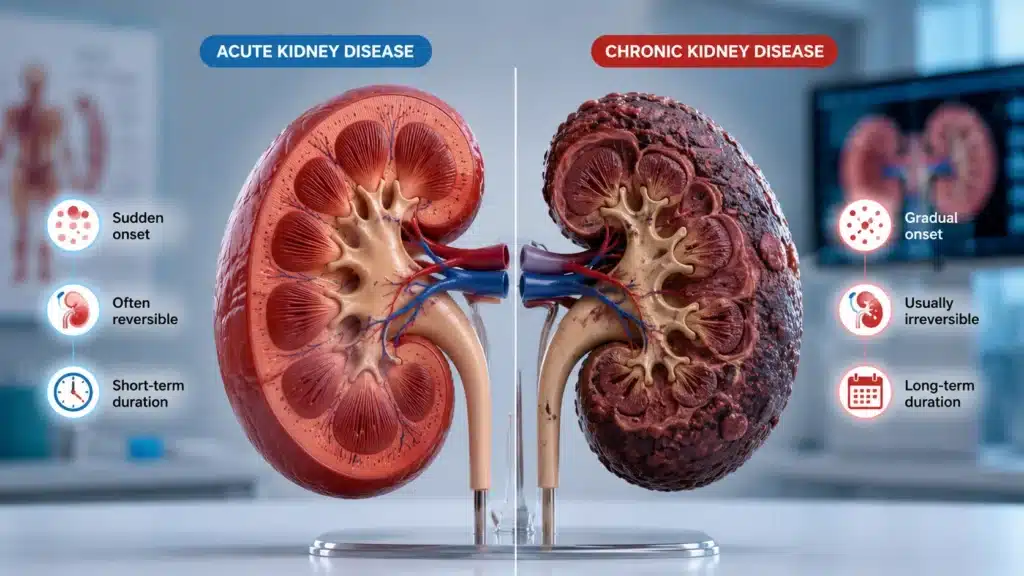
The most common reason for long-term commitment. Chronic kidney disease progresses through five stages. Stage 5, also called End-Stage Renal Disease (ESRD) or End-Stage Kidney Disease (ESKD), is when kidney function falls below 15% of normal. At this point, dialysis or a kidney transplant becomes necessary to sustain life.

2. Acute kidney disease (AKD)

A sudden, rapid loss of kidney function, sometimes reversible with treatment of the underlying cause.

Once the underlying cause is treated, kidney function may recover, and dialysis can be stopped.

Dialysis may be needed urgently to

  • Remove dangerous levels of potassium (hyperkalaemia).
  • Control severe fluid overload.
  • Clear uremic toxins causing confusion or seizures.
  • Maintain acid-base balance.

3. Diabetic nephropathy

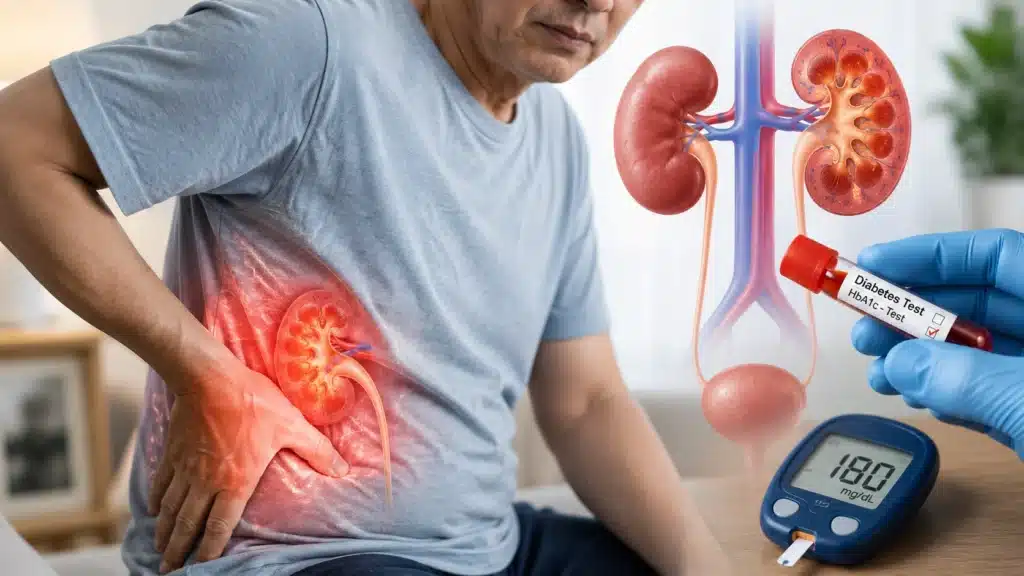
Diabetes is the leading cause of kidney failure worldwide. Long-standing, poorly controlled diabetes damages the kidney’s filtering units (glomeruli) over years, eventually leading to end-stage kidney disease requiring dialysis. Many patients on long-term dialysis have diabetic nephropathy as their underlying diagnosis.

4. Hypertensive nephrosclerosis

Chronically uncontrolled high blood pressure damages kidney blood vessels over time, leading to progressive kidney damage and eventually kidney failure requiring dialysis.

5. Glomerulonephritis

Inflammatory conditions affecting the kidney’s filtering units (glomeruli), including IgA nephropathy, lupus nephritis, and rapidly progressive glomerulonephritis, can lead to acute or chronic kidney failure requiring dialysis.

6. Polycystic kidney disease (PKD)

An inherited condition where fluid-filled cysts replace normal kidney tissue over decades, eventually causing kidney failure and the need for long-term dialysis or transplant.

7. Drug toxicity and poisoning

Dialysis can rapidly clear certain drugs, toxins, and poisons from the bloodstream, including aspirin overdose, methanol, ethylene glycol, lithium toxicity, and some other medications, when the body’s natural clearance mechanisms are overwhelmed.

8. Severe electrolyte imbalances

Life-threatening electrolyte disturbances, particularly dangerous hyperkalaemia (high potassium) or severe hyponatraemia, that cannot be corrected with medication alone may require emergency dialysis.

9. Severe metabolic acidosis

When the blood becomes dangerously acidic, a state called severe metabolic acidosis, and other treatments are insufficient, this corrects the acid-base imbalance rapidly and safely.

10. Hepatorenal syndrome

A serious complication of advanced liver disease (cirrhosis) where kidney function deteriorates severely. Dialysis may be used as a bridge while awaiting liver transplantation or as the kidneys recover following liver treatment.

11. Multiple organ failure (ICU Setting)

In critically ill patients in the Intensive Care Unit (ICU) with multiple organ failure, including the kidneys, Continuous Renal Replacement Therapy (CRRT) is a slow, continuous form of dialysis performed at the bedside to gently support kidney function without the hemodynamic stress of conventional hemodialysis.

Who needs dialysis?

Dialysis is recommended when kidney function has declined to a point where the body can no longer maintain normal health without artificial support.

Your doctor may recommend if

  • Your kidney function has dropped to a very low level (advanced kidney failure).
  • You experience symptoms such as nausea, vomiting, loss of appetite, extreme tiredness, confusion, or difficulty concentrating due to toxin build-up in the blood.
  • Potassium levels become dangerously high and cannot be controlled with medicines or diet changes.
  • Excess fluid builds up in the body, causing swelling or breathlessness, especially if it affects the lungs.
  • Your body develops a severe acid imbalance that cannot be corrected with medications.
  • A sudden kidney injury leads to serious complications.
  • Certain drug overdoses or poisonings require urgent removal of harmful substances from the blood.
  • Long-term kidney diseases such as diabetes-related kidney damage, high blood pressure, glomerulonephritis, or polycystic kidney disease have progressed to end-stage kidney disease.

Remember: Starting dialysis is not based on a single test result. Your nephrologist will consider your kidney function, symptoms, overall health, lifestyle, and personal needs before deciding the right time to begin treatment. The decision is made together with you and your family to ensure the best possible care.

What are the types of dialysis?

There are two main types of dialysis, hemodialysis and peritoneal dialysis, along with specialized variants used in critical care settings. The right type for you depends on your medical condition, lifestyle, home situation, and personal preference.

1. Hemodialysis

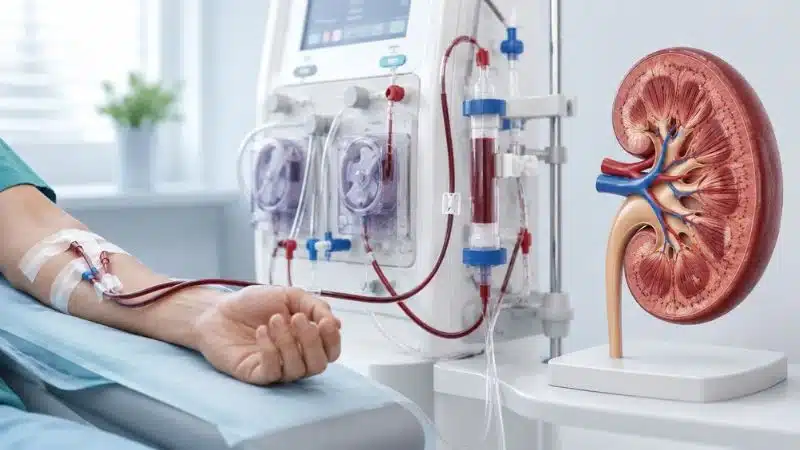
Hemodialysis is the most widely used form of dialysis. It filters your blood through an external machine.

How it works:

  • Blood is taken from the body through a dialysis access.
  • It passes through a dialyser, often called an artificial kidney.
  • The dialyser filters out waste products and excess fluid.
  • The cleaned blood is then returned to the body.
  • Each session usually takes 3–5 hours.
  • Most patients need 3 times a week.

Vascular access: Your lifeline

  1. Arteriovenous Fistula (AVF)
    • The preferred and most reliable access option.
    • Created by joining an artery and a vein, usually in the arm.
    • Takes a few weeks to mature before use.
    • Lowest risk of infection and lasts the longest.
  2. Arteriovenous Graft (AVG)
    • Uses a soft synthetic tube to connect an artery and vein.
    • An option when a fistula cannot be created.
    • Can be used sooner than an AVF.
    • Slightly higher risk of infection and clotting.
  3. Central Venous Catheter (CVC)
    • A tube placed in a large vein in the neck or chest.
    • Often used when is needed urgently.
    • Can be used temporarily while waiting for a fistula or graft.
    • Higher risk of infection compared to AVF or AVG.

Where is hemodialysis performed?

  • In-center hemodialysis: At Rama Hospital’s dedicated unit under direct nursing and medical supervision, the most common setting.
  • Home hemodialysis: For motivated, trained patients; allows more frequent sessions and greater flexibility; requires home setup and training.

2. Peritoneal dialysis

Peritoneal dialysis uses the body’s own peritoneal membrane, the lining of the abdominal cavity, as a natural filter.

How it works:

  • A soft tube called a catheter is placed in the abdomen through a minor surgical procedure.
  • A special cleansing fluid (dialysate) is filled into the abdominal cavity through the catheter.
  • The lining of the abdomen acts as a natural filter, removing waste and extra fluid from the blood.
  • After a few hours, the used fluid is drained out and replaced with fresh fluid.
  • This process is called an exchange.

Two main forms of peritoneal dialysis:

  1. CAPD (Continuous Ambulatory Peritoneal Dialysis):
    • Performed manually by the patient, typically 3 to 5 exchanges per day.
    • Each exchange takes approximately 30 minutes.
    • No machine required, fully portable and flexible.
    • Can be done at home, at work, or while traveling.
    • Provides continuous, gentle care around the clock.
  2. CCPD / APD (Automated Peritoneal Dialysis):
    • Uses a machine (cycler) to perform exchanges automatically.
    • Usually done overnight while sleeping.
    • Treatment typically lasts 8–10 hours.
    • Keeps the daytime free for daily activities.
    • May require an additional daytime exchange in some patients.

Advantages of peritoneal dialysis:

  • Can be done at home, offering greater independence.
  • Flexible and convenient for daily life.
  • Gentle on the heart and blood vessels.
  • Provides continuous waste removal, similar to natural kidney function.
  • No needles are required.
  • Helps preserve remaining kidney function for longer.
  • Suitable for people who want to continue working, studying, or traveling.

3. Continuous Renal Replacement Therapy (CRRT)

When every minute matters, CRRT provides continuous kidney support while giving the body the stability it needs to recover.

  • A special type of dialysis used for critically ill patients in the ICU.
  • Runs continuously over 24 hours, providing slow and steady treatment.
  • Much gentler on the body and blood pressure compared to regular.
  • Helps remove excess fluid, waste, and toxins gradually without putting extra strain on vital organs.
  • Commonly used for patients with acute kidney injury, severe infections (sepsis), multiple organ failure, and other critical conditions.
  • Delivered under the close supervision of experienced critical care and nephrology specialists at Rama Hospital.

4. Sustained low-efficiency dialysis (SLED)

A hybrid between conventional hemodialysis and CRRT:

  • Runs for longer sessions (8 to 12 hours) at slower flow rates than standard hemodialysis.
  • Better tolerated hemodynamically than conventional hemodialysis.
  • Used for haemodynamically unstable patients who need more efficient solute removal than CRRT alone provides.
  • A flexible, effective option in the critical care and step-down setting.

5. Intermittent hemodialysis (IHD)

Standard in-center hemodialysis, three times weekly sessions, is described in detail in the hemodialysis section above. The most commonly used long-term dialysis modality worldwide.

What are the causes and risk factors of kidney failure requiring dialysis?

Leading causes

  • Diabetes.
  • High Blood Pressure.
  • Kidney Inflammation (Glomerulonephritis).
  • Polycystic Kidney Disease (PKD).
  • Repeated Kidney Infections.
  • Urinary Blockage.
  • Overuse of Painkillers.
  • Autoimmune Diseases.

Risk factors

  • Poorly Controlled Diabetes.
  • Uncontrolled High Blood Pressure.
  • Family History of Kidney Disease.
  • Obesity or Excess Weight.
  • Smoking.
  • Older Age.
  • Previous Kidney Injury.
  • Frequent Use of Certain Medicines (especially painkillers).
  • Heart Disease or Other Cardiovascular Conditions.
  • Recurring Kidney Stone.

What are the signs and symptoms?

Kidney failure is called a “silent disease” for good reason; it often progresses without obvious symptoms until function is severely reduced. Knowing the warning signs can make a life-saving difference.

Early warning signs of kidney failure

  • Constant tiredness or lack of energy.
  • Swelling in the feet, ankles, legs, or face.
  • Frequent urination, especially at night.
  • Foamy urine.
  • Reduced urine output.
  • Loss of appetite.
  • Feeling nauseous or sick.

As kidney failure progresses

  • Shortness of breath.
  • High blood pressure that is difficult to control.
  • Persistent itching.
  • Muscle cramps.
  • Pale skin or weakness.
  • Bone and joint pain.

Signs of advanced kidney failure (Need immediate medical attention)

  • Confusion or difficulty concentrating.
  • Extreme drowsiness.
  • Severe nausea and vomiting.
  • Seizures.
  • Chest pain.
  • Metallic taste in the mouth.
  • Very little or no urine output.

Remember: Kidney failure often develops silently. Early symptoms can be easy to miss, so regular check-ups are important, especially for people with diabetes, high blood pressure, or existing kidney disease.

Diagnosis for dialysis

Doctors don’t decide on dialysis based on a single test. They look at your kidney function, symptoms, and overall health to understand how well your kidneys are working.

Blood tests

  • Serum Creatinine & eGFR: Measure how effectively the kidneys are filtering waste from the blood.
  • Blood Urea: High levels indicate waste products are building up in the body.
  • Potassium Levels: High potassium can affect the heart and may require urgent steps.
  • Sodium & Bicarbonate: Help assess fluid balance and acid levels in the body.
  • Calcium & Phosphate: Important for monitoring bone and kidney health.
  • Complete Blood Count (CBC): Checks for anemia, a common complication of kidney disease.

Urine tests

  • Protein in Urine (ACR/PCR): Excess protein can be a sign of kidney damage.
  • Urine Microscopy: Helps identify infections, inflammation, crystals, or other kidney problems.
  • 24-Hour Urine Collection: Measures kidney function and protein loss more accurately.

Imaging tests

  • Kidney Ultrasound: Checks kidney size, structure, blockages, cysts, or other abnormalities.
  • CT Scan: Provides a more detailed view when additional investigation is needed.

Kidney biopsy (In selected cases)

  • A small sample of kidney tissue may be taken to identify the exact cause of kidney disease and guide treatment.

Symptoms doctors also consider

Dialysis may be needed if kidney failure causes the following:

  • Severe swelling
  • Persistent nausea or vomiting
  • Extreme tiredness
  • Shortness of breath
  • Loss of appetite
  • Difficulty controlling blood pressure
  • Dangerous electrolyte imbalances

The decision to start dialysis is based on a combination of test results, symptoms, and overall kidney health, not just one number alone.

The dialysis procedure: What actually happens?

Step-by-Step Process of Haemodialysis

Step 1: Preparation

  • Your weight and blood pressure are checked.
  • The access (fistula, graft, or catheter) is prepared.

Step 2: Connecting to the Machine

  • Blood is taken from your body through the machine.
  • It flows into the machine through special tubing.

Step 3: Blood Cleaning

  • The machine filters waste, toxins, and extra fluid from the blood.
  • Clean blood is then returned to your body.

Step 4: Monitoring During Process

  • Healthcare staff regularly monitor your blood pressure and overall condition.
  • Most patients relax, read, watch TV, or rest during the session.

Step 5: Completing the Session

  • The machine is disconnected.
  • Your weight and blood pressure are checked again.

Step 6: After Procedure

  • You can return home and continue your daily activities.
  • Some people may feel tired and benefit from resting after the session.

What are the benefits of dialysis?

This is more than a treatment; it helps patients maintain their health, independence, and quality of life despite kidney failure.

  • Removes harmful waste and toxins from the body when the kidneys can no longer do so.
  • Helps control excess fluid and reduces swelling and breathlessness.
  • Maintains healthy electrolyte levels and prevents dangerous imbalances.
  • Relieves symptoms such as fatigue, nausea, itching, and weakness.
  • Supports better blood pressure management.
  • Helps improve anemia when combined with appropriate treatment.
  • Enables patients with kidney failure to live longer and healthier lives.
  • Keeps patients stable and healthy while waiting for a kidney transplant.
  • Offers greater convenience through home dialysis options for eligible patients.
  • Provides peace of mind by supporting the body’s essential functions and improving overall well-being.

What are the risks and complications of dialysis?

Dialysis is a life-saving treatment, but like any medical procedure, it can sometimes cause side effects or complications. Most of these can be managed with regular monitoring and proper care.

  • Low blood pressure during or after the procedure.
  • Muscle cramps.
  • Headache, nausea, or tiredness.
  • Infection at the access or catheter site.
  • Blood clotting that may block the access.
  • Anemia (low red blood cell count).
  • Weak bones due to mineral imbalance.
  • Increased risk of heart-related problems.
  • Infection inside the abdomen in peritoneal dialysis (peritonitis).
  • Catheter blockage or movement in peritoneal dialysis.
  • Hernia due to increased abdominal pressure.
  • High blood sugar levels, especially in people with diabetes.

Remember: Most of the complications can be prevented or treated when detected early through regular follow-ups and proper care.

Tips for better life on dialysis

A healthy and active life is possible on dialysis. Small daily habits can make a big difference to your overall health and well-being.

Don’t miss your sessions

  • Attend every scheduled session.
  • Missing sessions can lead to a build-up of toxins and excess fluid in the body.
  • If you’re feeling unwell, inform your healthcare team rather than skipping treatment.

Manage your fluid intake

  • Follow the fluid limit recommended by your doctor.
  • Too much fluid can cause swelling, breathlessness, and high blood pressure.
  • Sip fluids slowly throughout the day to help control thirst.

Follow a kidney-friendly diet

  • Limit foods high in salt, potassium, and phosphorus.
  • Choose healthy protein sources as advised by your dietitian.
  • Follow your meal plan carefully to support your treatment.

Take your medicines regularly

  • Take all prescribed medicines on time.
  • Do not stop or change medications without consulting your doctor.

Why choose Rama Hospital for dialysis?

Choosing where to receive dialysis is one of the most important healthcare decisions a patient and family will ever make. Here’s why patients across the region trust Rama Hospital:

  • Advanced unit with modern technology and patient monitoring.
  • Experienced nephrologists for expert kidney care.
  • Complete services, including hemodialysis and peritoneal dialysis.
  • Comprehensive care for chronic kidney disease (CKD) and pre-dialysis patients.
  • Expertise in AV fistula and vascular access procedures.
  • Personalized diet plans from a dedicated renal dietitian.
  • Emotional, psychological, and counseling support for patients and families.
  • Guidance and support for kidney transplant evaluation and preparation.
  • Skilled nursing and technicians ensuring safe treatment.
  • Patient-centred care focused on comfort, safety, and long-term well-being

When should I see a doctor?

See a nephrologist promptly if you have:

  • Persistent swelling in the legs, feet, or face.
  • Foamy urine: suggests protein in the urine, a sign of kidney damage.
  • Blood in the urine: pink, red, or brown urine.
  • Persistent fatigue not explained by other causes.
  • High blood pressure that is difficult to control.
  • Diabetes or hypertension: you should have your kidney function checked annually even without symptoms.
  • Family history of kidney disease: particularly polycystic kidney disease or glomerulonephritis.

Frequently Asked Questions (FAQs)

Is dialysis painful?

Hemodialysis itself is not painful; the procedure involves two needle insertions into the fistula at the start of each session, which most patients tolerate well. Some patients experience mild cramping during sessions if fluid is removed quickly. Peritoneal dialysis involves no needles at all once the catheter is in place; exchanges are generally comfortable. Most patients find that after an initial adjustment period, sessions become a routine, manageable part of their week.

How long do I need to be on dialysis?

For patients with end-stage kidney disease, this is typically a long-term, life-sustaining treatment. Patients remain on the procedure until they receive a kidney transplant or until a decision is made together with the medical team. For patients with acute kidney disease (AKD), this may be temporary; the kidneys sometimes recover once the underlying cause is treated, and dialysis can be stopped.

Can I eat normally on dialysis?

Not quite, but you can absolutely eat well and enjoyably. Dialysis patients need to follow a renal diet, managing potassium, phosphate, salt, protein, and fluid intake carefully. The specifics depend on your dialysis type and blood test results. Our specialist renal dietitian at Rama Hospital will work with you to create a practical, enjoyable eating plan that fits your tastes, culture, and nutritional needs.

Can I work while on dialysis?

Many people on dialysis continue to work, particularly those on peritoneal dialysis or home hemodialysis, which offer greater scheduling flexibility. In-center hemodialysis patients typically attend three sessions per week (morning, afternoon, or evening slots), and many maintain employment around their schedule. Your medical team will work to schedule sessions at times that minimize disruption to your life.

Can I travel while on dialysis?

Yes, with planning. Peritoneal dialysis (CAPD/APD) is particularly travel-friendly; dialysate supplies can be arranged at destinations globally. For hemodialysis patients, holiday dialysis can be arranged at partner units in many cities and countries.

Which is better, hemodialysis or peritoneal dialysis?

Neither is universally “better”; each has distinct advantages depending on the patient. Peritoneal dialysis offers home-based freedom, no needles, gentler cardiovascular impact, and continuous filtration. Hemodialysis is supervised at a center, very effective, and requires no daily patient involvement at home. The right choice depends on your medical condition, home situation, lifestyle preferences, and personal priorities.

Is dialysis a permanent treatment?

For end-stage renal disease (ESRD), dialysis is permanent unless a kidney transplant is performed. A successful transplant eliminates the need for dialysis, which is why transplantation, when possible, is considered the gold standard treatment for eligible patients.

What is a fistula and why is it so important?

An arteriovenous fistula (AVF) is a surgically created connection between an artery and a vein usually in the forearm. Over 4 to 8 weeks, the vein enlarges and strengthens, creating a robust, durable access point for hemodialysis needles. The fistula is considered the gold standard for vascular access because it has the longest lifespan, lowest infection risk, and best dialysis adequacy of all access types.

What happens if I miss a dialysis session?

Missing dialysis sessions is dangerous. Toxins and fluid accumulate rapidly between sessions. Missing even one session leads to elevated potassium, fluid overload, and worsening uremia, all potentially serious or life-threatening.

Can dialysis patients receive a kidney transplant?

Yes, and kidney transplantation is the preferred long-term treatment for eligible patients with end-stage kidney disease. A successful transplant gives better quality of life, longer survival, and complete freedom from dialysis. A transplant can come from a living donor (relative or compatible non-relative) or a deceased donor.

Conclusion

Kidney failure changes life, but it does not have to end it. Dialysis is a remarkable medical achievement, giving hundreds of thousands of patients the ability to live, work, love, and find joy despite their kidneys no longer functioning. With the right treatment, the right team, and the right support, a good life on dialysis is genuinely possible.

Our experienced nephrology and dialysis team provides complete dialysis care, from diagnosis and treatment planning to long-term support. With advanced dialysis services, expert access care, dietary guidance, and personalized attention, the focus remains on helping patients live healthier and better lives.

Whether you are newly diagnosed with kidney failure, looking for a better dialysis center, considering your options, or supporting a family member through this journey, Rama Hospital is here. Reach out to our team today and let us help you take the next step with confidence, clarity, and care.
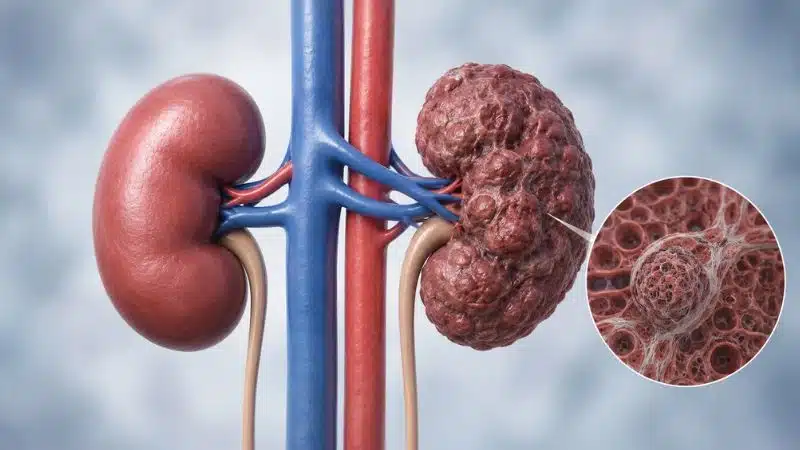
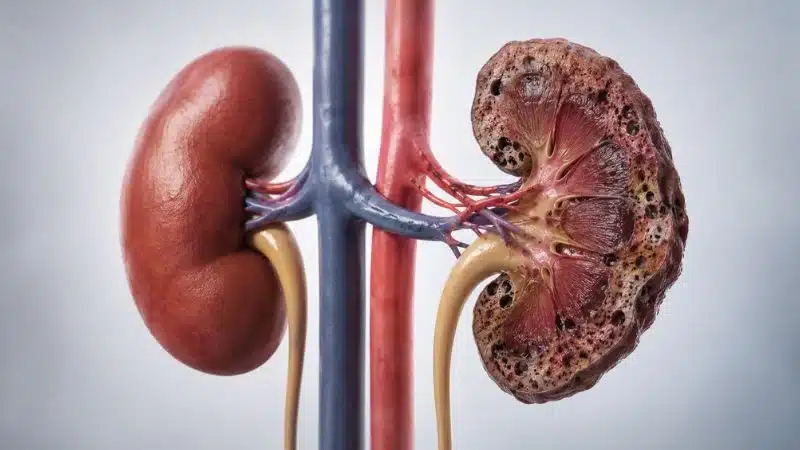
Table of Contents

Explore More

What to Know More About Dialysis

Find Ailments & Treatments

Search Ailments

Quickly find the information you need. Search our database to explore detailed information on various diseases and conditions, including symptoms, causes, and treatment options.

Search Treatments

Quickly find the information you need. Search our database to explore detailed information on various diseases and conditions, including symptoms, causes, and treatment options.

Recommended Reading

Video Playlist

No rows found.

Experience Healthcare the Rama Way

Emergency • OPD • Surgery • ICU Care

Need Help? Talk to our experts

Get a callback from our experts

SEO Noida

  • No items found.

Request a callback