
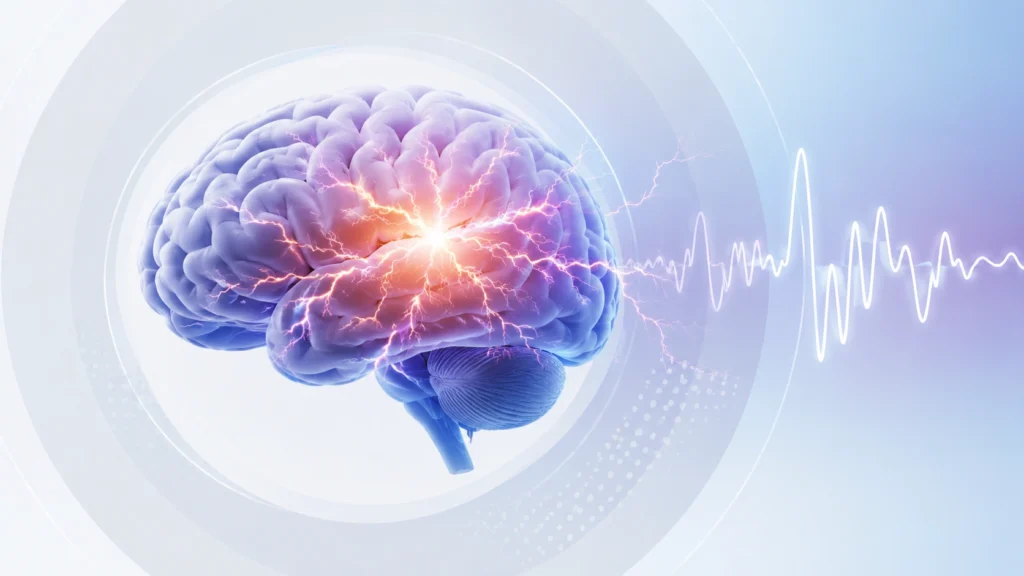
Epilepsy is a neurological condition that causes repeated seizures. A seizure happens when there is sudden, abnormal electrical activity in the brain. This can lead to changes in movement, awareness, behavior, emotions, sensations, or consciousness. Some seizures are very obvious, with shaking or loss of awareness, while others may be subtle, such as staring spells, brief confusion, or unusual sensations.
Many people misunderstand epilepsy because they only think of seizures as dramatic convulsions. In reality, epilepsy can look very different from person to person. Some patients have a single seizure type, while others experience more than one. Some people develop epilepsy in childhood, while others are diagnosed in adulthood or older age. The condition can affect school, work, driving, sleep, confidence, mental health, and family life if it is not properly understood and treated.
Epilepsy is a chronic brain condition in which a person has recurrent seizures that are not caused by a one-time temporary issue alone. A seizure happens when nerve cells in the brain send out sudden, abnormal electrical signals. These signals interrupt normal brain activity for a short time and may affect awareness, movement, speech, memory, or behavior.
A person is usually considered to have epilepsy when they have repeated unprovoked seizures, or when medical testing shows that the brain is likely to continue having seizures. Epilepsy is not a mental illness and it is not contagious. It is a medical condition that needs proper neurologic evaluation and management.
The condition can begin at any age. Some people have their first seizures in childhood, while others develop epilepsy after a head injury, stroke, infection, brain tumor, or another neurological condition. In some cases, the cause is never found, which is called idiopathic or unknown epilepsy.
The brain works through a complex system of electrical and chemical signals. Under normal circumstances, these signals are carefully balanced. In epilepsy, this balance is disrupted. Groups of nerve cells begin to fire too quickly and too strongly, creating a seizure.
The effect of a seizure depends on where in the brain the abnormal activity starts and how far it spreads. If the seizure begins in one area, it may cause localized symptoms like twitching, unusual sensations, or staring. If it spreads across the brain, it may cause loss of awareness, falls, stiffness, or full-body shaking.
Epilepsy is not one single condition. It includes several seizure patterns and disease types. Understanding the type helps doctors choose the right treatment.
Based on seizure onset
Based on seizure pattern
Based on cause
Epilepsy can happen for many different reasons. In some patients, there is a clear cause. In others, no exact cause can be found even after testing.
Common causes include:
Why these causes matter: All of these conditions can irritate or damage the brain, making it more likely for abnormal electrical discharges to occur. Once seizures become recurrent, the brain may continue to be seizure-prone even after the original trigger has been treated.
Some people are more likely to develop epilepsy than others.
Higher-risk groups
Why risk increases
Epilepsy symptoms vary widely. Not all seizures involve shaking or collapse. Some are very subtle and may be mistaken for daydreaming, panic, or behavior problems.
Common seizure symptoms
Before a seizure
Some people experience warning signs called an aura. This may include:
After a seizure
A seizure may appear different depending on its type. While some cause noticeable shaking and muscle spasms, others manifest as brief staring spells, sudden confusion, or temporary loss of awareness. Recognizing these subtle distinctions is essential for providing prompt and accurate first aid.
Focal seizure signs
Generalized seizure signs
Absence seizure signs
Children may show different seizure patterns than adults. Some childhood epilepsies are mild and improve with age, while others need long-term treatment.
Common signs in children
Why children need careful evaluation: Children may not be able to describe warning signs or symptoms clearly. Teachers or parents may notice the seizures first. Early diagnosis helps prevent academic, emotional, and safety problems.
Adults may develop epilepsy due to head injury, stroke, infection, tumor, alcohol use, or unknown causes. Adults often need a balanced care plan that treats the seizures while preserving independence and quality of life.
Adult concerns may include:
New epilepsy in older adults is often linked to structural brain problems such as stroke or degenerative disease.
Important points in older adults
How Epilepsy is Diagnosed: Diagnosis is based on history, witness description, examination, and brain tests. Because seizures may stop before a doctor sees them, patient and family details are very important.
Diagnosis usually includes:
Common diagnostic tests
Why diagnosis can be difficult: Some conditions can look like epilepsy, including fainting, panic attacks, sleep disorders, low blood sugar, movement disorders, and psychological events. Proper testing helps identify the exact cause.
EEG: EEG helps detect abnormal electrical patterns in the brain. It may show a tendency toward seizures even between events. A normal EEG does not completely rule out epilepsy, but it is very useful in diagnosis.
MRI: MRI looks for brain structure problems such as scars, tumors, malformations, old bleeding, or stroke damage. It is especially important when epilepsy begins in adulthood or when focal seizures are suspected.
The main goal of treatment is to stop seizures or reduce them as much as possible while maintaining normal life and minimal side effects.
1. Anti-seizure medicines
Anti-seizure medicines, also called anticonvulsants or antiseizure drugs, are the first-line treatment for most epilepsy patients. Common goals of medicine treatment:
Important points about medicines
2. Lifestyle and trigger control
Lifestyle does not replace medicine, but it plays a major role in seizure control. Helpful measures include:
3. Surgery
If seizures continue despite medicine and are coming from one area of the brain, surgery may be considered. Surgery is usually considered only after specialist evaluation, imaging, and video EEG testing. Surgical options may include:
4. Neurostimulation and devices
In selected patients, devices can help reduce seizures. These are usually considered when medicines alone are not enough and surgery is not suitable. These may include:
5. Ketogenic or special diets
Some patients, especially children, may benefit from a medically supervised diet plan such as a ketogenic diet.
6. Treating the cause
If epilepsy is due to a tumor, infection, stroke, autoimmune disease, or metabolic problem, that underlying cause must be treated too.
Epilepsy affects more than seizures. It can influence confidence, school, work, travel, driving, relationships, and emotional health.
Important living tips
Knowing how to handle a seizure can make all the difference when seconds count. It’s mostly about keeping the person safe, staying calm, and knowing when it’s time to call for emergency help. With a few basic steps, anyone can step in and provide the right support until the seizure passes.
What to do
What not to do
Call emergency help if
When epilepsy isn’t well controlled, frequent or unpredicted seizures can quietly impact daily life. Over time, this can increase the risk of physical injuries, interfere with mental health, and lead to potentially serious medical complications. Managing the condition effectively is key to avoiding these risks and staying safe.
Complications may include:
Why control matters: Good seizure control lowers these risks. This is why medicine adherence, follow-up, and trigger avoidance are so important.
Medical review is important if a person has possible seizures or known epilepsy that is not well controlled.
Epilepsy needs careful diagnosis, long-term follow-up, and individualized treatment. A specialist hospital can help find the seizure type, identify the cause, choose the right medicine, and support the patient through recovery and daily life.
Epilepsy is a brain disorder that causes repeated seizures. It happens because of abnormal electrical activity in the brain. Seizures can affect movement, awareness, behavior, or sensation.
Some people outgrow certain childhood epilepsies, while others need long-term treatment. Many patients can live well with treatment even if epilepsy is not completely “cured.” The main goal is good seizure control.
Epilepsy can be caused by head injury, stroke, infection, brain tumors, birth injury, genetics, or sometimes no known cause. In many cases, more than one factor may contribute.
Yes, epilepsy is treatable in many cases. Medicines help most patients, and some people may benefit from surgery, devices, or diet therapy depending on the seizure type and cause.
A seizure can look like staring, jerking, stiffening, sudden falls, confusion, or loss of awareness. Some seizures are very brief and subtle, so they can be missed.
Some forms of epilepsy have a genetic link, but not every case is inherited. A family history can increase risk, but many people with epilepsy do not have relatives with seizures.
Yes, many people with epilepsy live active, productive lives. Good treatment, regular medicine use, and safety precautions help people work, study, and manage daily activities well.
You should see a doctor after any unexplained seizure or seizure-like episode. Emergency care is needed if the seizure is long, repeated, causes injury, or does not stop normally.
Epilepsy is a long-term neurological condition that causes repeated seizures, but it does not define a person’s life. With timely diagnosis, the right treatment, and regular follow-up, many patients achieve good seizure control and can continue their normal routines.
The most important step is to understand the seizure type and find the underlying cause when possible. After that, treatment can be tailored through medicines, lifestyle support, and in selected cases, surgery or device therapy. Education and seizure first aid are also important for families and caregivers.
Rama Hospital can help evaluate epilepsy, confirm the diagnosis, choose the right treatment plan, and provide long-term neurological care focused on safety, confidence, and quality of life.

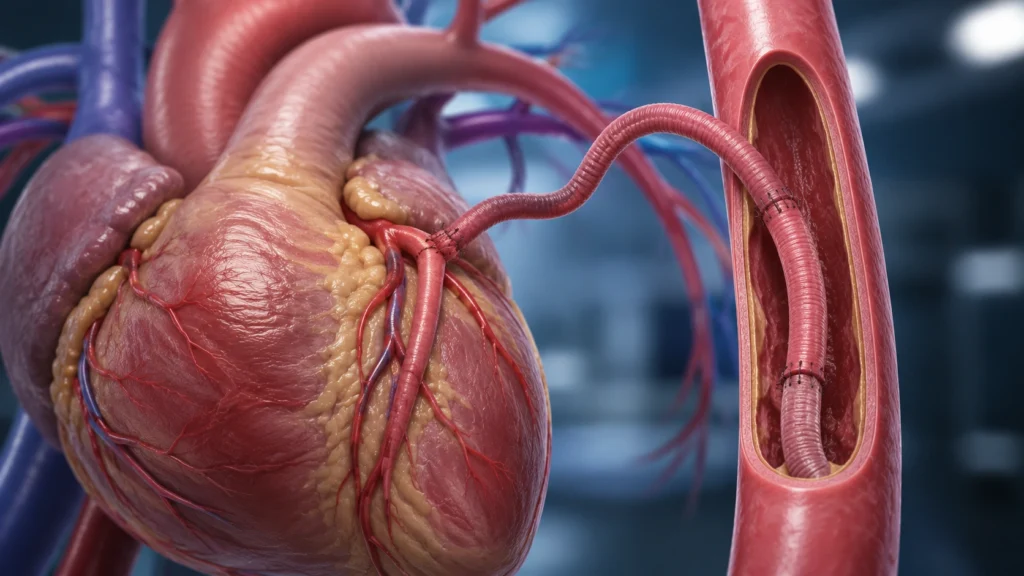
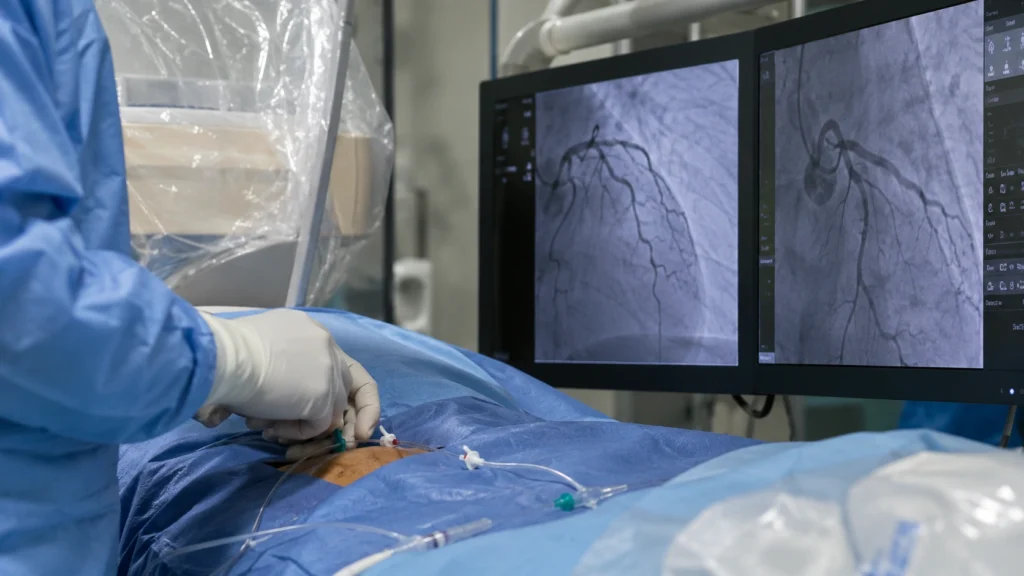
Epilepsy is a long-term condition that causes seizures due to unusual electrical activity in your brain.
No rows found.