Most people with high blood pressure feel completely fine.
No pain. No obvious discomfort. No dramatic warning.
That is exactly what makes hypertension one of the most dangerous conditions in the world. It earns its nickname, the “silent killer,” not because it is rare, but because it gives almost no advance notice before causing a heart attack or stroke.
In India, over 220 million adults live with elevated blood pressure. Most of them do not know it. And many who do know are not taking it seriously enough.
The truth is, high blood pressure symptoms do exist. They are subtle. Easy to dismiss. Often mistaken for stress, tiredness, or just a bad day. But if you know what to look for, you can catch this condition early, act fast, and protect your heart before the damage becomes permanent.
What is high blood pressure, and why does it matter?
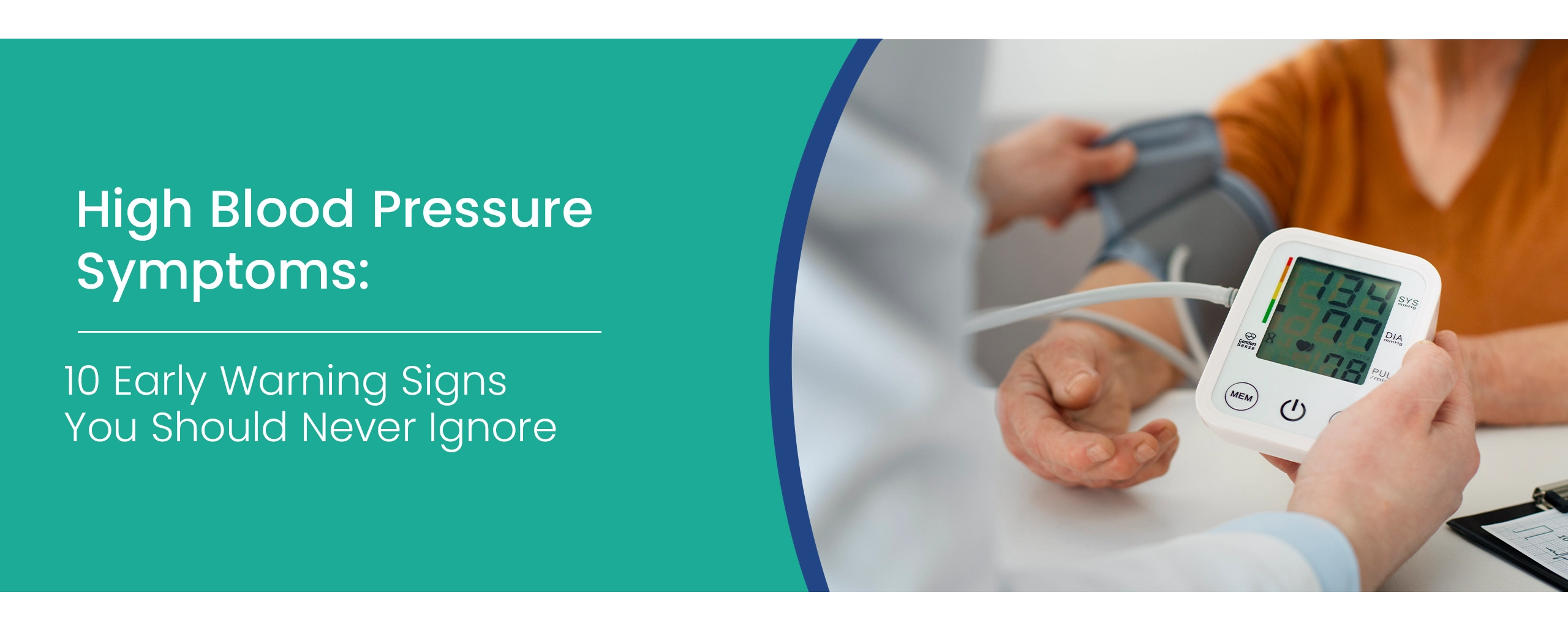
Blood pressure is the force your blood exerts against the walls of your arteries as it flows through your body. It is measured in two numbers: systolic (the pressure when your heart beats) and diastolic (the pressure between beats).
A healthy blood pressure level is typically below 120/80 mmHg.
- 120–129 / below 80: Elevated.
- 130–139 / 80–89: Stage 1 Hypertension.
- 140 or above / 90 or above: Stage 2 hypertension.
- 180+ / 120+: Hypertensive Crisis. Seek emergency care immediately.
When blood pressure stays high for too long, it quietly damages your arteries, heart, kidneys, brain, and eyes. The longer it goes undetected, the higher the risk of heart disease, stroke, and kidney failure. This is why recognizing high BP symptoms early is so important.
10 early warning signs of high blood pressure

1. Persistent or unexplained headaches
One of the most commonly reported high blood pressure symptoms is a dull, throbbing headache, usually felt at the back of the head or across the forehead.
Headaches and high blood pressure are closely linked, especially during hypertensive episodes. If you are getting unexplained morning headaches regularly, do not brush them off. Get your blood pressure checked.
These headaches often appear in the morning and can feel different from typical tension or migraine headaches.
2. Dizziness or lightheadedness
Feeling suddenly dizzy when you stand up or experiencing a spinning sensation without any obvious cause, this is one of the common symptoms of hypertension that many people overlook.
Dizziness that comes and goes, or feels worse in the morning or after meals, deserves attention. It is not something to ignore or power through.
3. Blurred or impaired vision
Your eyes contain some of the smallest and most delicate blood vessels in your entire body.
When blood pressure stays elevated for too long, it damages these vessels, a condition called hypertensive retinopathy. The result is blurred vision that comes on suddenly or builds gradually over time.
If you notice your vision becoming hazy, spotty, or inconsistent, do not assume it is just eye strain. Get your blood pressure checked alongside an eye examination.
4. Unexplained fatigue
You slept 7–8 hours. You did not do anything particularly strenuous. And yet you feel completely drained by noon.
When fatigue does not improve with rest and has no other obvious explanation, it is worth investigating high blood pressure symptoms as a potential cause.
5. Shortness of breath
Feeling winded after climbing a single flight of stairs? Struggling to catch your breath during activity that never used to bother you?
Symptoms of hypertension like breathlessness should never be dismissed, especially if they are getting worse or appearing at rest. This is a signal your cardiovascular system is under stress.
6. Chest discomfort or tightness
Chest discomfort is one of the additional warning signs that hypertension may be affecting your heart directly.
Chest discomfort and high blood pressure together are a medical situation that requires prompt evaluation. This combination can be an early sign of angina (reduced blood flow to the heart) or the beginning stages of a cardiac event.
If you experience chest discomfort even mildly, do not wait. Get checked the same day.
7. Nosebleeds
Nosebleeds are not always caused by dry air or a minor knock.
Nosebleeds and high blood pressure are linked, particularly during hypertensive spikes. The delicate blood vessels lining the nasal passages are vulnerable to increased pressure.
8. Irregular heartbeat
A heart that flutters, skips, pounds, or races without obvious cause is not something to ignore.
Palpitations that last more than a few seconds, or that happen frequently throughout the day, are a reason to see a cardiologist. The connection between high BP symptoms and heart rhythm problems is well established.
9. Facial Flushing
That sudden rush of warmth to your face, the redness, the heat, and the visible flushing can sometimes be more than just embarrassment or heat exposure.
While flushing alone is rarely a reliable indicator of hypertension, when it appears alongside other common symptoms like headache, racing heart, or dizziness, the combination becomes meaningful. It reflects sudden vascular changes that can accompany blood pressure spikes.
10. Anxiety and emotional restlessness
Anxiety and elevated blood pressure have a two-way relationship that most people do not fully understand.
Persistent anxiety that does not have a clear emotional cause, especially alongside physical symptoms, should be evaluated from a cardiovascular health perspective too.
Anxiety can trigger blood pressure spikes. But prolonged, uncontrolled hypertension can also produce feelings of restlessness, tension, and psychological unease, even when there is no obvious external stressor.
Why most people miss these symptoms
Here is the honest truth: most of these high blood pressure symptoms are easy to explain away.
- Headache? Must be stress.
- Tired? Probably not sleeping enough.
- Dizzy? Skipped breakfast.
- Blurred vision? Too much screen time.
This is why blood pressure monitoring is so important, even when you feel broadly fine. The symptoms of hypertension are rarely dramatic. They build slowly. They overlap with dozens of everyday complaints. And they are often ignored until something serious happens.
If you are over 30, overweight, have a family history of hypertension or heart disease, or lead a sedentary lifestyle, regular blood pressure checks are not optional; they are essential.
When should you see a doctor?
Early detection is everything. Most cases of hypertension are completely manageable with lifestyle changes for hypertension, medication, and consistent monitoring. What you cannot manage is a condition you never discovered.
If your blood pressure reading is 180/120 mmHg or higher, especially when accompanied by chest pain, a severe headache, difficulty speaking, or shortness of breath, seek emergency medical care immediately. Visit the best hospital in Noida for prompt evaluation and treatment of a hypertensive crisis.
Lifestyle changes that actually help
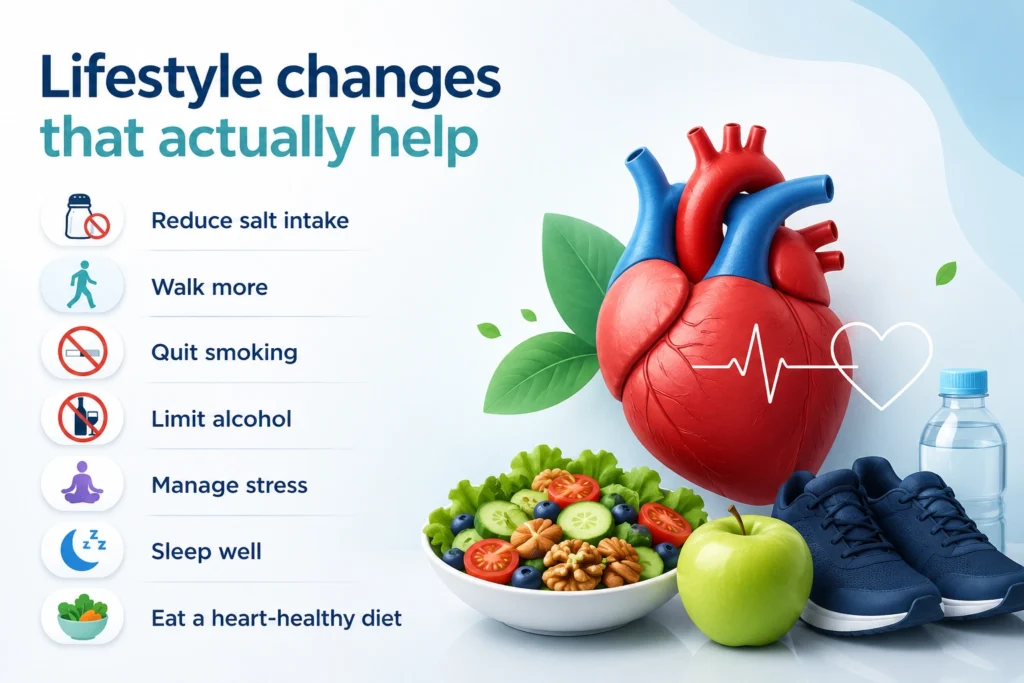
These are not small adjustments. Done consistently, they can lower blood pressure by 10–20 mmHg without a single tablet.
Managing high blood pressure is not just about medication. These changes make a measurable difference:
- Reduce salt intake: aim for less than 5 g per day.
- Move more: 30 minutes of moderate exercise, five days a week.
- Quit smoking: nicotine causes immediate, significant BP spikes.
- Limit alcohol: even moderate consumption raises blood pressure over time.
- Manage stress: chronic stress is a genuine cardiovascular risk.
- Sleep well: poor sleep elevates blood pressure consistently.
- Eat a heart-healthy diet: more fruits, vegetables, and whole grains; less processed food.
High blood pressure treatment in Noida
If you are in Noida or surrounding areas and experiencing any of the high blood pressure symptoms described above, do not wait.
Early diagnosis at Rama Hospital means more options, better outcomes, and a healthier future.
At Rama Hospital, our cardiology team offers:
- Comprehensive blood pressure evaluation and cardiovascular risk assessment.
- Advanced diagnostics including ECG, echocardiography, and 24-hour ambulatory BP monitoring.
- Personalized high blood pressure treatment in Noida, both medication-based and lifestyle-led.
- Access to the best cardiologists in Noida with decades of combined experience in managing hypertension, heart disease, and stroke prevention.
Book your blood pressure check today. It takes 5 minutes. It could change everything.
Frequently Asked Questions (FAQs)
Q1. My blood pressure was high once at a pharmacy machine. Does that mean I have hypertension?
Not necessarily. A single elevated reading does not confirm hypertension. Blood pressure fluctuates throughout the day based on activity, stress, and even posture. Diagnosis typically requires multiple readings taken at different times. See a doctor for a proper evaluation.
Q2. I feel completely fine. Can I still have high blood pressure?
Yes, and this is exactly why it is called the silent killer. Most people with high blood pressure feel no symptoms at all, especially in the early stages. The only reliable way to know is to measure it regularly.
Q3. Can stress alone cause high blood pressure?
Stress causes temporary spikes in blood pressure, but chronic stress over a long period can contribute to sustained high BP. Managing stress is genuinely part of managing cardiovascular health, not just good advice.
Q4. My headaches happen every morning. Should I be worried?
Morning headaches are worth investigating. They can be linked to elevated blood pressure, poor sleep, or other conditions. Rather than self-diagnosing, get your blood pressure measured in the morning before you get out of bed and discuss the pattern with your doctor.
Q5. At what age should I start getting my blood pressure checked?
Ideally from age 25 onwards if you have risk factors like family history, obesity, or diabetes. For everyone else, regular checks from age 30 are recommended. Annual monitoring is good practice regardless of whether you have symptoms.
Q6. Can young people get high blood pressure?
Absolutely. Hypertension in young adults is rising in India, driven largely by high-stress lifestyles, poor diet, physical inactivity, and increasing rates of obesity. Age is not a protection from hypertension.
Q7. My doctor prescribed medication, but I feel fine now. Can I stop taking it?
No. Stopping blood pressure medication without medical guidance is dangerous. Feeling fine is often because the medication is working. Stopping abruptly can cause a sudden, serious spike. Always speak to your doctor before making any changes to your treatment.
Q8. Is high blood pressure genetic? If my parents had it, will I get it too?
Family history is a significant risk factor, but it is not a certainty. Having a parent with hypertension raises your risk, but lifestyle changes for hypertension, diet, exercise, weight management, and avoiding smoking can significantly reduce that risk or delay its onset.