
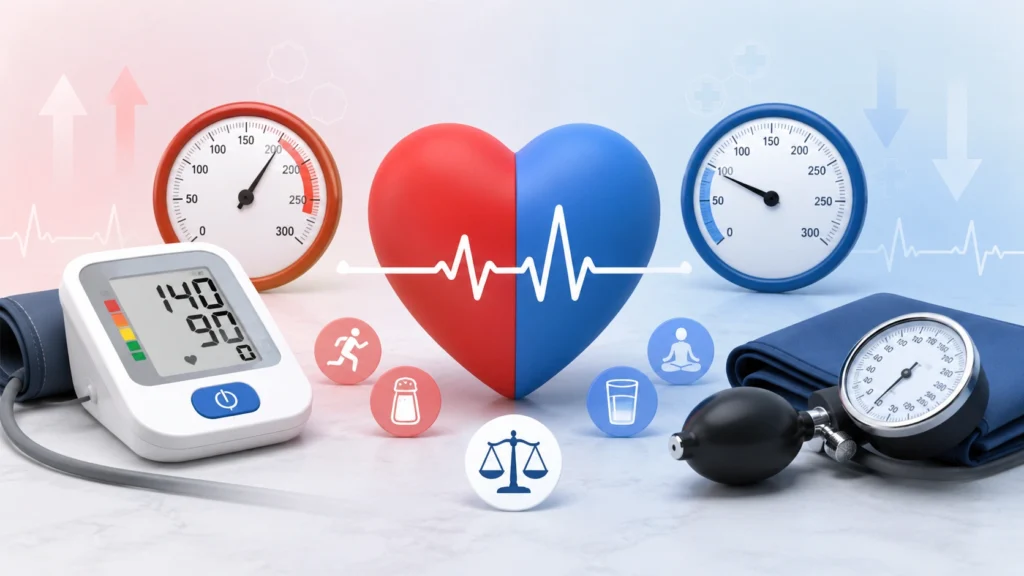
Blood pressure is the force of blood pushing against the walls of the arteries. It naturally rises and falls during the day based on activity, stress, hydration, food, sleep, and overall health. When blood pressure stays too high or drops too low, it can begin to affect the heart, brain, kidneys, and other organs.
High blood pressure is especially dangerous because it often develops silently. Many people do not know they have hypertension until it is found during a routine checkup or after a complication such as stroke, heart disease, or kidney damage. Low blood pressure may seem less dangerous to some people, but it can also lead to serious problems if it causes fainting, falls, shock, poor circulation, or organ underperfusion.
That is why blood pressure management is not only about numbers. It is about understanding symptoms, identifying the cause, preventing complications, and building a long-term plan that fits the patient’s health condition and lifestyle. A good hospital-based approach helps patients control blood pressure safely, reduce future risk, and improve daily quality of life.
Blood pressure is measured using two numbers:
A normal reading may vary slightly depending on age, health status, and activity, but the main goal is to keep blood pressure within a safe range. When blood pressure remains high, the arteries are under extra strain. When blood pressure is too low, the body may not get enough blood flow to important organs.
Blood pressure is not a single fixed number. It changes throughout the day. What matters most is whether the pressure remains too high or too low consistently, and whether it is causing symptoms or organ stress.
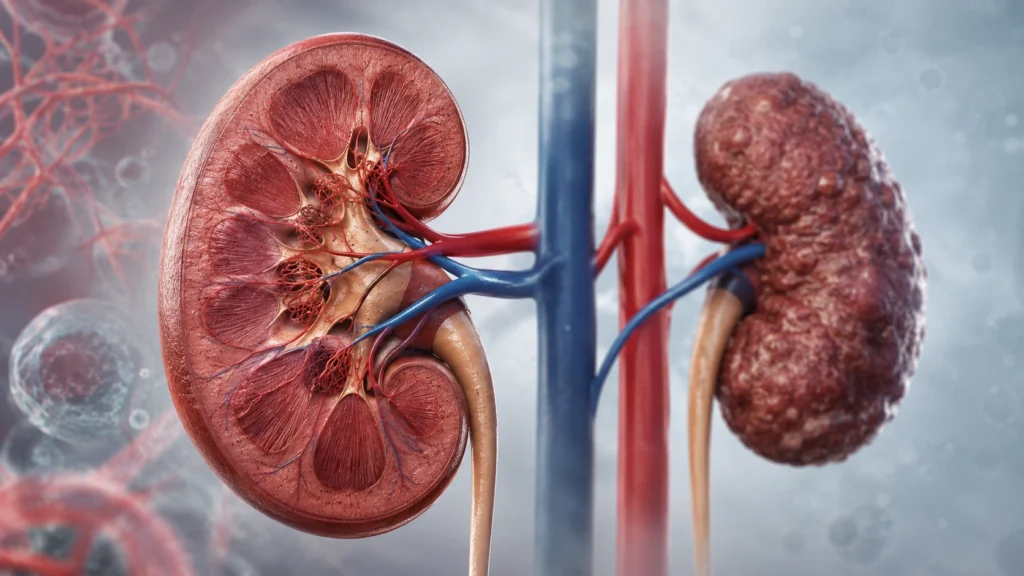
Blood pressure problems can affect nearly every major organ in the body. The heart has to work harder when blood pressure is high. The brain may be at risk of stroke or fainting. The kidneys may slowly lose function. The eyes may develop damage. The blood vessels themselves may become stiff or weak over time.
For this reason, blood pressure management is one of the most important parts of preventive and long-term medical care. It is not just for people with symptoms. It is also for people with risk factors such as diabetes, obesity, smoking, family history, kidney disease, thyroid problems, dehydration, and heart disease.
Good management can:
Blood pressure treatment and follow-up may be needed by people with either high or low BP, depending on the cause and severity.
Patients may also need regular blood pressure monitoring if they are pregnant, elderly, dehydrated, recovering from surgery, or taking medicines that affect circulation.
You may need medical help if you have:
High blood pressure is called hypertension. It often has no obvious symptoms in the beginning, which is why it can go unnoticed for years. Over time, uncontrolled hypertension can damage the heart, brain, kidneys, and blood vessels.
There are many possible reasons for high blood pressure. In some people, the exact cause is not obvious. In others, it develops because of lifestyle, disease, or medication effects.
Common causes and risk factors include:
Many patients with high blood pressure do not feel any symptoms. This is why it is often called a silent condition. When symptoms do occur, they may include:
If blood pressure rises to a severe level, it can become a medical emergency.
Untreated hypertension may lead to:
Because of these risks, high blood pressure must be managed consistently, not just treated when it becomes high.
Low blood pressure is called hypotension. For some people, a naturally lower reading is normal and harmless. For others, a drop in blood pressure may cause symptoms, poor circulation, and serious weakness.
Low blood pressure can happen for many reasons:
Low blood pressure may cause:
In severe cases, low blood pressure can reduce blood supply to the brain and organs, so it should not be ignored.
Management depends on identifying why the pressure is low and whether the problem is temporary or ongoing. Low BP can become dangerous when it causes:
|
Condition |
What it means | Common symptoms |
Main concern |
| High blood pressure | Blood pressure stays above the safe range. | Often no symptoms, sometimes headache, dizziness, blurred vision. | Stroke, heart attack, kidney disease. |
| Low blood pressure | Blood pressure drops below what the body needs. | Dizziness, fainting, weakness, blurred vision. | Falls, shock, reduced organ perfusion. |
| BP fluctuations | Blood pressure goes up and down suddenly. | Variable symptoms depending on the cause. | Instability, medication issues, dehydration, heart or hormone problems. |
Diagnosis begins with accurate measurement and a complete understanding of the patient’s health history. A single reading is not always enough, especially if stress, pain, caffeine, dehydration, or illness may be affecting the number.
Common diagnostic steps
|
Test or Check |
Why it is done |
What it can show |
| Office blood pressure reading | Confirms current BP level. | High, low, or variable readings. |
| Home BP log | Tracks BP over time. | White-coat hypertension, masked hypertension, BP trends. |
| Blood tests | Checks possible causes. | Kidney problems, diabetes, anemia, thyroid issues. |
| ECG | Reviews heart rhythm and strain. | Heart disease, rhythm problems, cardiac effects of BP. |
High blood pressure is usually treated without surgery. Most patients need a combination of lifestyle changes, medicine, and regular follow-up.
Lifestyle treatment for high blood pressure
Medicine-based treatment
Additional management goals
Low blood pressure management depends on the cause. Some patients only need hydration and simple lifestyle changes, while others need investigation and medical treatment.
Lifestyle treatment for low blood pressure
Medical treatment for low blood pressure
Low BP management is very individualized because the right treatment depends on the underlying cause.
Blood pressure management should follow a stepwise and personalized approach. The exact plan depends on whether the patient has high BP, low BP, or fluctuating BP.
Step 1: Confirm the diagnosis
Step 2: Identify the cause
Step 3: Assess risk
Step 4: Start targeted treatment
Step 5: Monitor and adjust
|
High Blood Pressure Management |
Low Blood Pressure Management |
| Reduce salt and improve heart-healthy habits. | Improve hydration and review triggers. |
| Take BP medicines as prescribed. | Treat the cause, such as dehydration or blood loss. |
| Monitor for stroke, kidney, and heart risk. | Monitor for fainting, weakness, and shock. |
| Regular follow-up is essential. | Regular follow-up is essential if symptoms recur. |
Some symptoms need prompt review because they may suggest a serious BP problem.
Urgent high BP symptoms
Urgent low BP symptoms
These symptoms should never be ignored because they may require immediate medical attention.
When blood pressure is well managed, patients often feel better and live with less risk.
Benefits include:
Blood pressure management is one of the most powerful ways to prevent future illness.
Poorly controlled blood pressure can lead to major problems.
High blood pressure complications
Low blood pressure complications
Blood pressure treatment is often a long-term journey. Some patients need treatment for a short period due to illness or dehydration, while others need lifelong care.
Long-term management for high BP
Long-term management for low BP
Rama Hospital provides structured care for both hypertension and hypotension, with a focus on diagnosis, cause-based treatment, and long-term monitoring.
You should see a doctor if:
The best treatment depends on the cause and severity. It often includes diet changes, exercise, reduced salt intake, and medicines prescribed by a doctor.
Yes, low blood pressure can be dangerous if it causes fainting, shock, or poor blood flow to the brain and organs. It should be evaluated if symptoms keep happening.
Yes, blood pressure naturally changes with stress, movement, food, sleep, and activity. What matters is whether it stays too high or too low over time.
No, many people have no symptoms at all. This is why routine checks are important, especially if you have risk factors.
Yes, dehydration is one of the common causes of low blood pressure. It can make you feel weak, dizzy, or lightheaded.
Yes, some medicines may lower blood pressure too much if the dose is high or if the patient is dehydrated or unwell. That is why follow-up is important.
For many people, yes. Some causes are temporary, but chronic hypertension or recurrent hypotension often needs long-term monitoring and care.
High and low blood pressure both need proper attention, even though they may look very different. High blood pressure often develops silently and can damage the heart, brain, kidneys, and eyes over time. Low blood pressure may cause dizziness, fainting, weakness, and poor circulation if it is persistent or severe.
At Rama Hospital, blood pressure management is designed to be clear, personalized, and medically effective. The goal is to identify the cause, treat the condition, prevent complications, and help patients regain stable, healthy blood pressure with confidence.

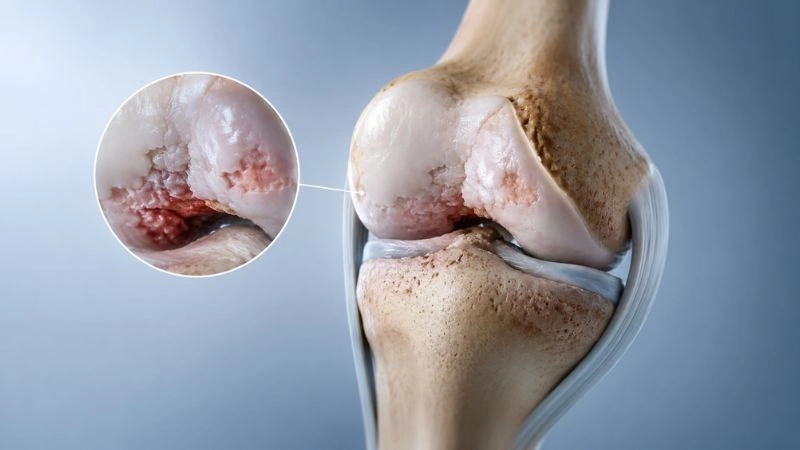
If you have high blood pressure, you may wonder if you need to take medicine to treat it. But lifestyle changes also play a big role in treating the condition.
No rows found.