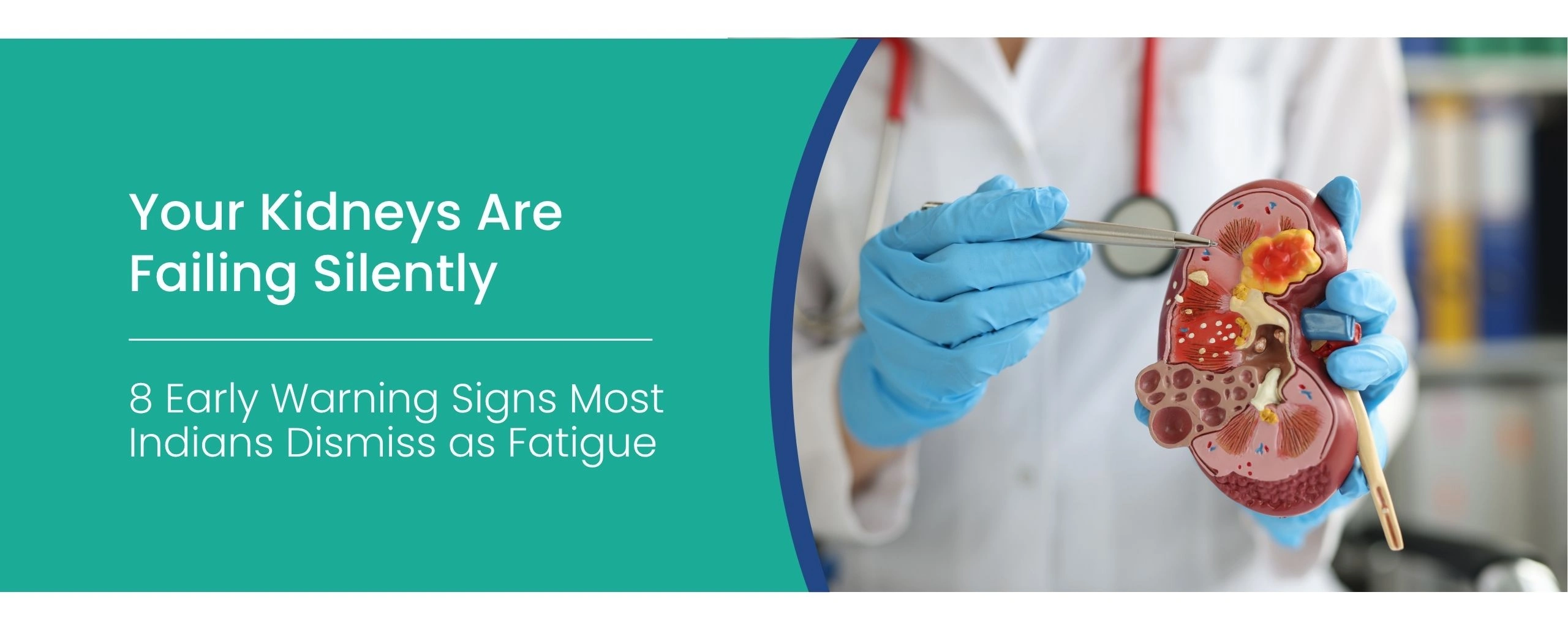
Most people associate kidney disease with severe illness, dialysis, or hospitalization. However, kidney problems rarely begin with dramatic symptoms. In fact, the kidneys can lose a significant portion of their function before noticeable signs appear.
This is why many people ignore the early signs of kidney failure, assuming they are simply tired, stressed, aging, or overworked. Unfortunately, by the time symptoms become obvious, substantial kidney damage may already have occurred.
The kidneys play a vital role in filtering waste, balancing fluids, controlling blood pressure, maintaining electrolyte levels, and supporting overall health. When kidney function starts declining, the body often sends subtle warning signals that are easy to dismiss.
Recognizing the early signs of kidney failure can help detect kidney disease before it progresses to advanced stages. Early diagnosis often means better treatment outcomes, fewer complications, and a lower risk of dialysis.
Why kidney disease often goes undetected?
Kidney disease is often called a “silent disease” because symptoms develop gradually. Unlike some conditions that cause immediate pain or discomfort, kidney damage may progress quietly over several years.
Many people continue their daily activities without realizing their kidneys are under stress.
Common reasons why people miss the early signs of kidney failure include:
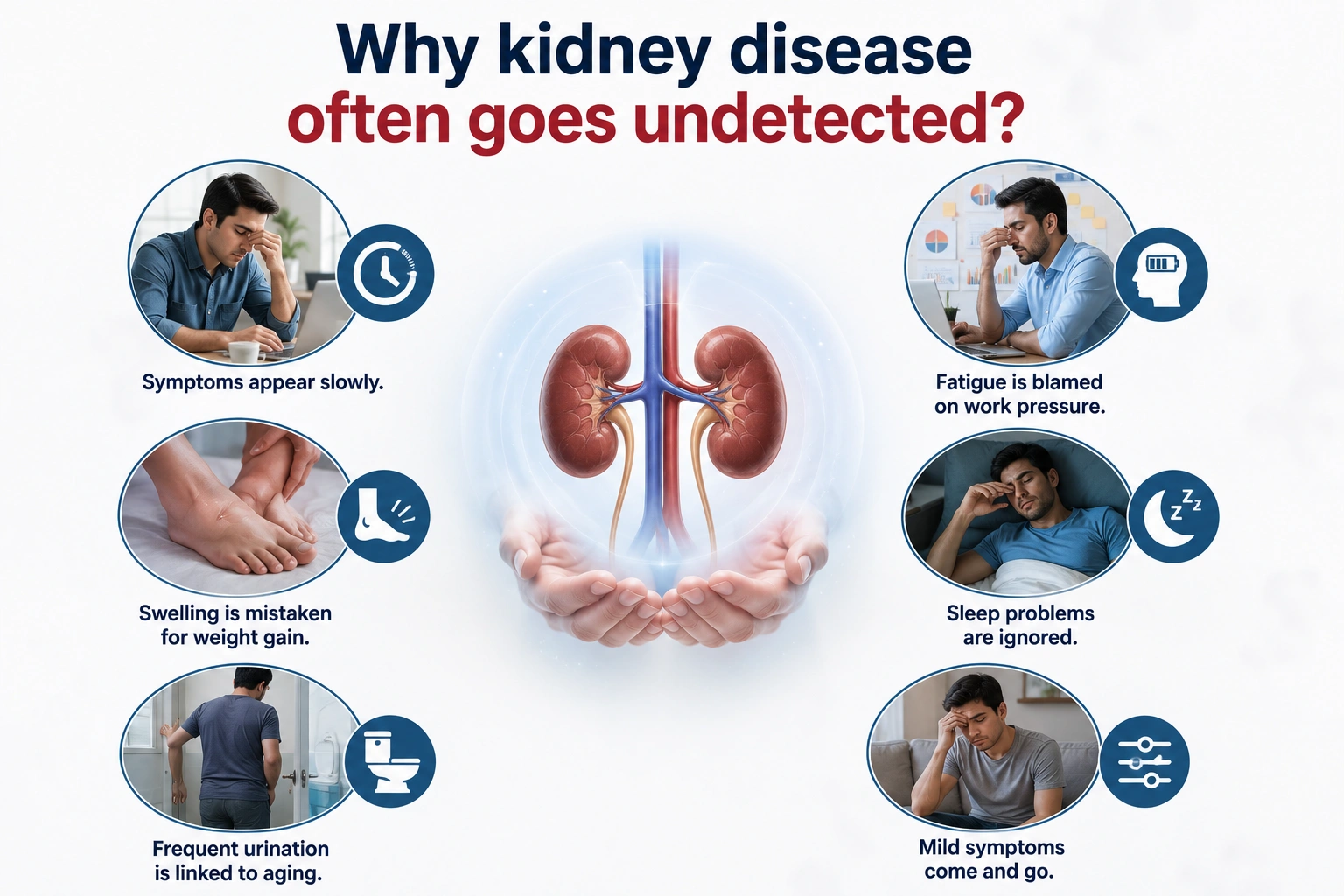
- Symptoms appear slowly.
- Fatigue is blamed on work pressure.
- Swelling is mistaken for weight gain.
- Sleep problems are ignored.
- Frequent urination is linked to aging.
- Mild symptoms come and go.
The challenge is that these silent kidney disease symptoms may seem unrelated to kidney health.
By the time obvious kidney disease symptoms appear, kidney function may already be significantly reduced.
Why fatigue can be a warning sign of kidney problems?
Feeling tired after a busy day is normal. However, persistent fatigue that doesn’t improve with rest may indicate something more serious.
Healthy kidneys remove waste products from the blood. When kidney function declines, toxins begin accumulating in the body. This buildup can affect energy levels, concentration, and overall well-being.
People experiencing early signs of kidney failure often report:
- Constant tiredness
- Low energy levels
- Mental fog
- Difficulty concentrating
- Reduced stamina
Another reason for kidney disease fatigue is anemia. Diseased kidneys produce lower amounts of erythropoietin, a hormone that helps the body make red blood cells.
When anemia develops:
- Oxygen delivery decreases.
- Muscles tire easily.
- Weakness becomes more noticeable.
If fatigue persists for weeks without a clear cause, it should not be ignored as it may represent one of the earliest kidney failure warning signs.
8 early warning signs of kidney disease
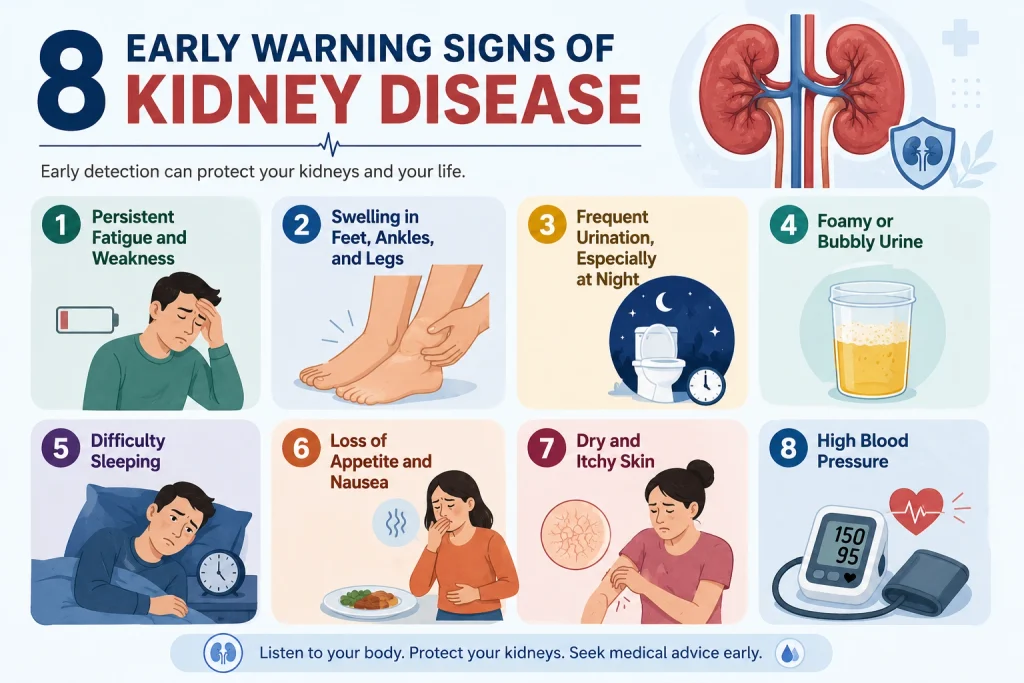
The following symptoms are among the most common early signs of kidney failure that many Indians overlook.
1. Persistent Fatigue and Weakness
One of the earliest and most overlooked early signs of kidney failure is ongoing fatigue. These are common kidney damage symptoms that deserve medical attention.
When kidneys cannot remove toxins effectively:
- Waste accumulates in the bloodstream.
- Energy levels decrease.
- Physical performance declines.
Watch for:
- Feeling exhausted despite adequate sleep
- Low productivity
- Constant weakness
- Lack of motivation
2. Swelling in Feet, Ankles, and Legs
Healthy kidneys help regulate fluid balance. When kidney function declines, excess fluid begins accumulating in body tissues.
Common areas affected include:
- Feet
- Ankles
- Legs
- Hands
- Face
Swelling is one of the most recognizable early signs of kidney failure and often becomes more noticeable toward the end of the day.
Many patients dismiss swelling as prolonged standing, travel, or aging. However, persistent swelling can indicate underlying kidney disease.
3. Frequent Urination, Especially at Night
Changes in urination patterns are important signs your kidneys are failing.
You may notice:
- Increased urination
- Waking frequently at night
- Larger urine volume
- Urgent need to urinate
These changes occur because damaged kidneys struggle to concentrate urine properly. Among the various early kidney disease symptoms, nighttime urination is particularly common.
4. Foamy or Bubbly Urine
Healthy kidneys prevent protein from leaking into urine. Damaged kidneys may allow protein to escape, causing urine to appear foamy.
Persistent foamy urine may indicate:
- Protein leakage
- Kidney filter damage
- Early kidney disease
This symptom is often one of the first measurable early signs of kidney failure. Patients frequently overlook it because there is no pain associated with the condition.
5. Difficulty Sleeping
Many people do not realize poor sleep can be linked to kidney disease. When kidneys cannot filter waste effectively:
- Toxins remain in circulation.
- Sleep quality declines.
- Restlessness increases.
Sleep-related kidney disease symptoms may include:
- Difficulty falling asleep
- Frequent awakening
- Restless sleep
- Daytime fatigue
Poor sleep combined with other hidden kidney disease symptoms should be evaluated by a specialist.
6. Loss of Appetite and Nausea
A declining kidney function can affect digestion and appetite. As waste accumulates in the bloodstream, patients may experience:
- Reduced appetite
- Nausea
- Metallic taste in the mouth
- Unexplained weight loss
These chronic kidney disease signs are commonly ignored because they resemble common stomach issues. Persistent symptoms should not be overlooked.
7. Dry and Itchy Skin
The kidneys help maintain proper mineral and electrolyte balance.
When kidney function declines:
- Skin becomes dry
- Itching increases
- Skin irritation develops
Dry skin alone may not indicate kidney disease, but when combined with other early signs of kidney failure, it deserves further investigation. This symptom is often among the less recognized silent kidney disease symptoms.
8. High Blood Pressure
Kidneys and blood pressure are closely connected. High blood pressure can damage kidneys, and damaged kidneys can further raise blood pressure. People with uncontrolled blood pressure should undergo regular kidney evaluations. This creates a harmful cycle.
Persistent hypertension may be one of the most important kidney failure warning signs, especially when accompanied by:
- Swelling
- Fatigue
- Urinary changes
Who is most at risk of chronic kidney disease?
Certain individuals have a significantly higher risk of developing kidney disease.
Risk factors include:
- Diabetes
- High blood pressure
- Obesity
- Smoking
- Family history of kidney disease
- Heart disease
- Age above 60 years
- Long-term use of painkillers
People with these conditions should be especially aware of early signs of kidney failure. The earlier kidney disease is detected, the greater the chance of preserving kidney function.
When should you get your kidney function tested?
Many people wait until symptoms become severe before seeking medical care. However, screening should begin much earlier.
You should consider a kidney function test in Noida if:
- You have diabetes.
- You have hypertension.
- You experience swelling.
- You notice urinary changes.
- You have a family history of kidney disease.
- You experience persistent fatigue.
Do not wait for severe symptoms to develop. Recognizing early signs of kidney failure and undergoing timely testing can help prevent irreversible damage.
How kidney disease is diagnosed?
Modern diagnostic tests can identify kidney disease before symptoms become severe.
Common investigations include:
| Test | Purpose |
| Serum Creatinine | Measures kidney function |
| eGFR | Evaluates filtration rate |
| Urine Routine Test | Detects abnormalities |
| Urine Protein Test | Checks protein leakage |
| Blood Pressure Monitoring | Assesses risk factors |
| Kidney Ultrasound | Examines kidney structure |
These tests help doctors determine whether the early signs of kidney failure are linked to underlying kidney disease.
For individuals experiencing symptoms, consulting a kidney specialist in Noida can ensure accurate diagnosis and timely treatment.
Can early kidney damage be prevented?
In many cases, yes. The progression of kidney disease can often be slowed or prevented when detected early.
Important preventive measures include:
- Control Blood Pressure: High blood pressure is one of the leading causes of kidney damage.
- Manage Diabetes Effectively: Stable blood sugar levels help reduce kidney stress.
- Stay Hydrated: Adequate hydration supports healthy kidney function.
- Follow a Healthy Diet: Focus on:
- Fruits
- Vegetables
- Whole grains
- Lean protein
- Exercise Regularly: Physical activity improves:
- Blood pressure
- Blood sugar control
- Weight management
- Avoid Smoking: Smoking accelerates blood vessel damage and increases kidney disease risk. These habits can significantly reduce the likelihood of developing severe kidney disease.
Frequently Asked Questions (FAQs)
Can kidney disease cause extreme tiredness?
Yes. One of the most common early signs of kidney failure is persistent fatigue. As kidney function declines, waste products build up in the bloodstream and anemia may develop, leading to ongoing tiredness and weakness.
What is the first symptom of kidney failure?
The first symptom varies from person to person, but fatigue, frequent urination, and foamy urine are among the most common early signs of kidney failure. Many people experience subtle symptoms long before severe kidney damage occurs.
How often should kidney function be checked?
People with diabetes, hypertension, obesity, or a family history of kidney disease should have kidney function tested at least once a year. Individuals experiencing kidney disease symptoms may require more frequent monitoring.
Can early kidney disease be treated?
Yes. Early kidney disease can often be managed successfully through medication, lifestyle changes, blood pressure control, and diabetes management. Early diagnosis offers the best chance of slowing disease progression.
Is swelling in feet related to kidney disease?
Yes. Swelling in the feet, ankles, and legs is one of the common early signs of kidney failure. It occurs when damaged kidneys cannot effectively remove excess fluid from the body.
What blood tests detect kidney disease?
Important blood tests include serum creatinine, estimated glomerular filtration rate (eGFR), blood urea nitrogen (BUN), and electrolyte testing. These tests help evaluate kidney function and detect disease at an early stage.
Conclusion
Kidney disease rarely announces itself loudly. Instead, it develops quietly through symptoms that many people dismiss as stress, aging, or everyday fatigue. Unfortunately, ignoring these warning signs can allow kidney damage to progress unnoticed.
Recognizing the early signs of kidney failure can make a significant difference. Symptoms such as persistent tiredness, swelling, urinary changes, foamy urine, poor sleep, and high blood pressure should never be ignored.
The good news is that early diagnosis and timely treatment can help slow disease progression, preserve kidney function, and improve quality of life.
Don’t ignore persistent fatigue, swelling, urinary changes, or other warning signs. Consult an experienced kidney specialist in Noida for a comprehensive evaluation.
For advanced kidney disease treatment in Noida, expert care from the best nephrologist in Noida, accurate kidney function test in Noida, and comprehensive treatment aba leading best hospital in Noida and take the first step toward better kidney health today.