-

-

Elbow replacement

Elbow replacement

Elbow replacement

Elbow Replacement Surgery: Procedure, Benefits, Recovery & Risks

The elbow joint plays a crucial role in almost every movement of the upper limb. It helps with lifting, carrying, pushing, pulling, writing, eating, dressing, and many other daily tasks. When the elbow becomes severely damaged due to arthritis, trauma, or long-term wear and tear, even simple movements can become painful and difficult.

Elbow replacement surgery is designed to replace the damaged parts of the elbow with a prosthetic implant that mimics the natural joint. The goal is not to create a super-strong athletic elbow, but to provide stable, pain-free movement for routine activities. For many patients, this surgery can significantly improve independence, reduce chronic pain, and restore confidence in using the arm.

Unlike knee or hip replacement, elbow replacement is less common and more technically demanding. It is usually reserved for carefully selected patients who have exhausted non-surgical options and whose elbow condition is affecting their quality of life. 

What Is Elbow Replacement Surgery?

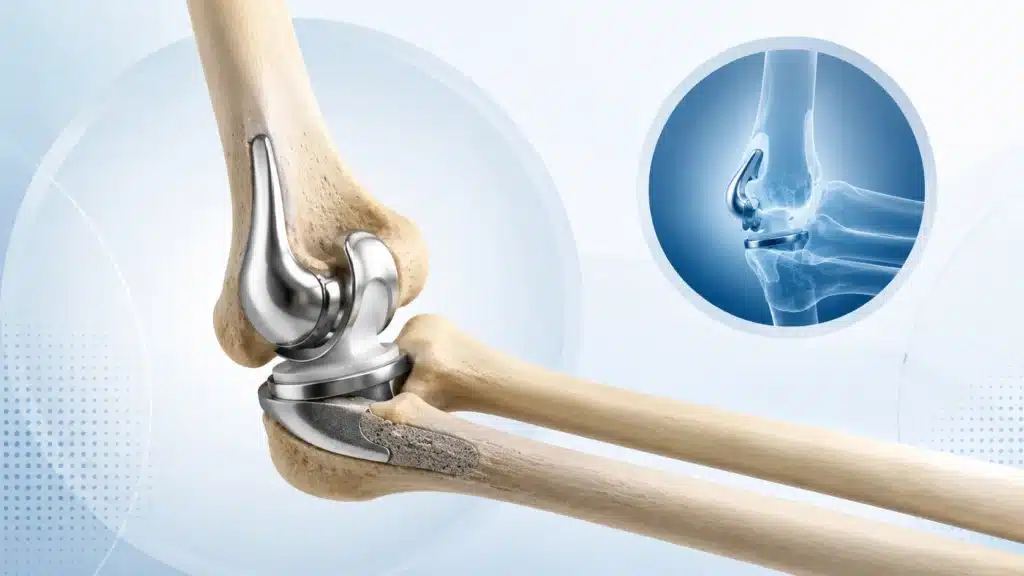
Elbow replacement surgery involves removing the damaged surfaces of the elbow joint and replacing them with artificial components made of metal and plastic. The implant is designed to allow smooth movement while reducing pain and instability.

The procedure is also known as:

  • Total elbow arthroplasty.
  • Elbow joint replacement.
  • TEA.
  • Elbow prosthesis surgery.
  • Artificial elbow joint surgery.

Elbow replacement is different from elbow repair or ligament reconstruction. It is a joint replacement procedure that addresses the bone and cartilage damage rather than just the soft tissue.

Who Needs Elbow Replacement?

Elbow replacement is not the first treatment for elbow pain. It is generally considered when conservative care no longer provides relief and the joint damage is severe.

Patients must be evaluated by an orthopedic surgeon to confirm whether elbow replacement is appropriate, as not all elbow problems are suitable for this surgery.

You may be a candidate for elbow replacement if you have:

  • Severe elbow arthritis that limits daily function.
  • Chronic pain that does not improve with medicines or therapy.
  • Stiffness that prevents basic elbow movement.
  • Complex fractures that cannot be reconstructed.
  • Joint destruction from long-standing rheumatoid arthritis.
  • Failed previous elbow surgery.
  • Bone loss or deformity around the elbow.
  • Instability that cannot be corrected with other methods.
  • Pain that interferes with sleep, work, or self-care.

What Conditions Are Treated With Elbow Replacement?

Elbow replacement is primarily used for end-stage elbow disease. The most common conditions include:

  1. Rheumatoid arthritis: Rheumatoid arthritis can cause severe joint inflammation, cartilage loss, and bone erosion. When the elbow is badly affected, replacement may be considered to reduce pain and improve motion.
  2. Osteoarthritis: Although less common in the elbow than in the knee or hip, osteoarthritis can cause cartilage wear, bone spurs, and stiffness. In advanced cases, joint replacement may be recommended.
  3. Post-traumatic arthritis: After a severe elbow fracture or dislocation, the joint surface may become irregular and painful. Over time, this can lead to arthritis and loss of function.
  4. Complex fractures: In elderly patients or those with poor bone quality, certain fractures around the elbow may not heal well with fixation alone. In such cases, replacement may offer better function.
  5. Failed previous surgery: Some patients who have had prior elbow surgery may develop persistent pain, instability, or joint collapse. Elbow replacement may be considered as a salvage procedure.
  6. Joint destruction from other causes: Less common causes include infection-related damage (once infection is controlled), tumor-related bone loss, or severe deformity.

Causes and Risk Factors for Elbow Joint Damage

Elbow joint damage can result from a combination of disease, injury, and lifestyle factors. Understanding the cause helps the surgeon plan the surgery and set realistic expectations.

Common causes and risk factors include:

  • Rheumatoid or inflammatory arthritis.
  • Osteoarthritis.
  • Severe elbow fractures or dislocations.
  • Repetitive stress or overuse in some cases.
  • Previous elbow surgery.
  • Poor bone quality or osteoporosis.
  • Age-related wear and tear.
  • Autoimmune conditions.
  • Infection in the joint (if not treated early).
  • Long-term heavy manual work or high-demand elbow use.

Signs and Symptoms of Severe Elbow Joint Disease

Patients who may need elbow replacement often have long-standing symptoms that gradually worsen. If symptoms affect daily life despite treatment, surgical evaluation may be appropriate.

Common symptoms include:

  • Persistent elbow pain.
  • Stiffness and reduced range of motion.
  • Difficulty bending or straightening the elbow.
  • Pain during simple activities like lifting a cup or combing hair.
  • Swelling or deformity around the joint.
  • Grinding or clicking sensation.
  • Weakness in the arm.
  • Inability to perform daily tasks comfortably.
  • Sleep disturbance due to pain.
  • Dependence on painkillers for routine function.

Diagnosis Before Elbow Replacement

Before recommending elbow replacement, doctors perform a detailed evaluation to confirm the diagnosis and assess suitability.

Common diagnostic steps

  • Physical examination of the elbow.
  • Review of medical history and prior treatments.
  • X-rays to assess bone and joint damage.
  • CT scan or MRI in selected cases.
  • Blood tests to check for infection or inflammatory markers.
  • Assessment of overall health and fitness for surgery.
  • Evaluation of bone quality and ligament stability.

The goal is to confirm that the elbow is a suitable candidate for replacement and that other treatment options have been adequately tried.

Test or Evaluation

Purpose

What It Shows

X-ray Assess joint damage and bone condition. Arthritis severity, bone spurs, deformity.
CT scan Detailed bone imaging. Complex fractures, bone loss, surgical planning.
MRI Soft tissue and cartilage assessment. Ligament condition, cartilage loss, inflammation.
Blood tests Check for infection or systemic disease. Inflammatory markers, infection, general health.

Elbow Replacement at a Glance

Topic

What It Means

Purpose Replace damaged elbow joint surfaces to reduce pain and improve function.
Main use Severe arthritis, complex fractures, joint destruction, or failed prior surgery.
Implant type Metal and plastic components that mimic the natural elbow.
Hospital stay Usually a few days, depending on recovery and health status.
Recovery Gradual improvement over weeks to months with physiotherapy and restrictions.

How Elbow Replacement Differs From Other Elbow Surgeries

Feature

Elbow Replacement Elbow Arthroscopy

Open Elbow Surgery

Main goal Replace joint surfaces. Clean or repair structures inside the joint. Repair fractures, ligaments, or remove bone spurs.
Best for Severe arthritis or joint destruction. Early arthritis, loose bodies, minor damage. Fractures, ligament injuries, deformity correction.
Invasiveness Major joint replacement surgery. Minimally invasive keyhole surgery. Open surgical approach.
Recovery Longer, with activity restrictions. Faster recovery in many cases. Varies by procedure.
Durability Long-term pain relief in selected patients. May delay need for replacement. Depends on injury and repair quality.

Non-Surgical Treatment for Elbow Joint Disease

Before considering elbow replacement, most patients undergo non-surgical management.

Non-surgical treatment may help for months or years, but in advanced joint destruction, it may no longer provide adequate relief.

Common non-surgical options

  • Pain relief medicines.
  • Anti-inflammatory drugs.
  • Physiotherapy and stretching.
  • Activity modification.
  • Bracing or splinting.
  • Steroid injections in selected cases.
  • Treatment of underlying arthritis.
  • Rest and gradual return to activity.

Elbow Replacement Procedure: Step by Step

Elbow replacement is a carefully planned orthopedic surgery performed under sterile conditions with advanced imaging and instrumentation.

Step 1: Pre-operative evaluation

  • The surgeon reviews X-rays, CT scans, and medical history.
  • The patient’s overall health is assessed for anesthesia fitness.
  • Blood tests and cardiac evaluation are done if needed.
  • The surgical plan is discussed with the patient and family.
  • Consent is taken after explaining benefits, risks, and alternatives.

Step 2: Pre-operative preparation

  • The patient is instructed about fasting before surgery.
  • Medicines may be adjusted, especially blood thinners.
  • The elbow is marked and prepared for surgery.
  • Antibiotics may be given before the procedure.
  • The anesthesia team reviews the patient’s health status.

Step 3: Anesthesia

  • The surgery is usually done under general anesthesia.
  • Regional anesthesia may be added for pain control.
  • The patient remains asleep and pain-free during the operation.
  • Vital signs are closely monitored throughout.
  • The anesthesia plan is individualized based on health.

Step 4: Surgical approach

  • An incision is made at the back of the elbow.
  • The surgeon carefully moves muscles and nerves aside.
  • The damaged joint surfaces are exposed.
  • The elbow is positioned for accurate implant placement.
  • Soft tissues are protected during the procedure.

Step 5: Bone preparation

  • The damaged bone ends are carefully removed.
  • Special instruments shape the bone to fit the implant.
  • The humerus and ulna are prepared for the prosthesis.
  • Bone quality is assessed during preparation.
  • Alignment is checked to ensure proper positioning.

Step 6: Implant placement

  • The metal components are placed on the prepared bone.
  • A plastic spacer is inserted to allow smooth movement.
  • The implant may be fixed with cement or press-fit.
  • Stability and range of motion are tested.
  • Adjustments are made if needed for proper function.

Step 7: Closure and dressing

  • The incision is closed in layers.
  • Stitches or staples are used for skin closure.
  • A sterile dressing is applied.
  • A splint or brace may be used for support.
  • The elbow is positioned for comfort and protection.

Step 8: Immediate post-operative care

  • The patient is moved to recovery and monitored.
  • Pain relief is provided through medicines.
  • The arm is kept elevated to reduce swelling.
  • Finger and shoulder movement may be encouraged early.
  • The surgical team checks circulation and nerve function.

Procedure Pointers for Elbow Replacement

Procedure Stage

Key Points

Pre-op planning Review imaging, health status, and surgical risks.
Anesthesia General anesthesia with pain management plan.
Incision Usually a posterior approach at the back of the elbow.
Bone preparation Damaged bone removed and shaped for implant.
Implant placement Metal and plastic components inserted and tested.
Closure Layered closure with dressing and splint.

Types of Elbow Implants

Elbow implants may vary depending on the patient’s anatomy and the surgeon’s preference.

The choice of implant depends on the condition of the elbow, bone quality, and surgical plan.

  1. Linked implants: These have a mechanical hinge that connects the humeral and ulnar components. They provide stability and are often used when ligaments are weak or damaged.
  2. Unlinked implants: These rely more on the patient’s own ligaments and soft tissues for stability. They may allow more natural movement but require good soft tissue support.
  3. Custom or revision implants: In complex cases or revision surgery, special implants may be used to address bone loss, deformity, or previous failure.

Benefits of Elbow Replacement Surgery

Elbow replacement is performed to improve quality of life, not to create a high-performance athletic joint.

For carefully selected patients, elbow replacement can provide lasting relief and improved function.

Benefits include:

  • Significant pain reduction.
  • Improved ability to perform daily tasks.
  • Better range of motion in many patients.
  • Reduced dependence on pain medicines.
  • Improved sleep and comfort.
  • Greater independence in self-care.
  • Better function for eating, dressing, and grooming.

Risks and Complications of Elbow Replacement

Elbow replacement is a major surgery and carries risks that must be understood before proceeding.

Possible risks

  • Infection.
  • Nerve injury.
  • Implant loosening.
  • Implant wear over time.
  • Fracture around the implant.
  • Stiffness or limited motion.
  • Instability.
  • Need for revision surgery in the future.
  • Blood clots.
  • Anesthesia-related risks.

Activity restrictions

  • Heavy lifting is generally discouraged.
  • Repetitive heavy loading may shorten implant life.
  • High-impact sports are usually not recommended.
  • Patients must follow activity guidelines to protect the implant.

Understanding these risks helps patients make an informed decision and follow post-operative instructions carefully.

Risk Factor

Impact on Surgery

Poor bone quality May affect implant stability.
Active infection Usually a contraindication for replacement.
High-demand use May increase wear and risk of failure.
Non-compliance Can increase complication risk.

Recovery After Elbow Replacement

Recovery after elbow replacement is gradual and requires patience, protection, and guided rehabilitation.

Hospital stay

  • Patients usually stay in the hospital for a few days.
  • Pain control and wound care are prioritized.
  • Early finger, wrist, and shoulder movement may be encouraged.
  • The elbow is protected with a splint or brace.
  • Discharge planning includes home care instructions.

Early recovery at home

  • Keep the incision clean and dry.
  • Take medicines as prescribed.
  • Elevate the arm to reduce swelling.
  • Attend follow-up appointments.
  • Begin gentle movement as advised.

Physiotherapy and rehabilitation

  • A structured therapy program is essential.
  • Early therapy focuses on gentle range of motion.
  • Strengthening is introduced gradually.
  • Patients are taught how to protect the elbow.
  • Therapy continues for weeks to months.

Long-term recovery goals

  • Pain-free daily function.
  • Improved ability to perform routine tasks.
  • Stable, comfortable elbow movement.
  • Realistic activity levels that protect the implant.
  • Regular follow-up to monitor implant health.

Tips for Better Recovery and Long-Term Implant Care

A successful outcome depends on both surgery and aftercare.

Helpful recovery tips

  • Follow all instructions from the surgeon and therapist.
  • Do not rush into heavy activity.
  • Keep the wound clean and report any redness or discharge.
  • Take pain medicines as directed.
  • Attend all scheduled physiotherapy sessions.
  • Avoid smoking, which can impair healing.
  • Maintain good nutrition for bone and tissue health.
  • Report any new pain, instability, or loss of function.

Long-term care

  • Avoid heavy lifting beyond recommended limits.
  • Protect the elbow from high-impact activities.
  • Continue periodic follow-up with the orthopedic team.
  • Report any new symptoms promptly.
  • Understand that the implant may not last forever and may need revision in the future.

Why Choose Rama Hospital for Elbow Replacement?

Rama Hospital provides expert orthopedic evaluation and surgical support for patients with severe elbow joint disease. The focus is on appropriate patient selection, careful surgical planning, and structured rehabilitation.

  • Detailed pre-operative assessment of the elbow.
  • Clear explanation of benefits, risks, and alternatives.
  • Experienced orthopedic and anesthesia support.
  • Sterile surgical environment with advanced instruments.
  • Structured post-operative care and physiotherapy guidance.
  • Long-term follow-up for implant monitoring.

Why this matters: Elbow replacement is a complex procedure that requires careful planning and realistic expectations. A hospital-based approach helps ensure safety, proper rehabilitation, and long-term monitoring.

When Should You See an Orthopedic Surgeon?

You should consider seeing an orthopedic surgeon if you have:

  • Persistent elbow pain that does not improve.
  • Stiffness that limits daily activities.
  • Difficulty bending or straightening the elbow.
  • A history of severe elbow fracture or arthritis.
  • Weakness or instability in the elbow.
  • Dependence on pain medicines for routine function.
  • Sleep disturbance due to elbow pain.

Frequently Asked Questions (FAQs)

Who is a good candidate for elbow replacement?

Good candidates are patients with severe arthritis, complex fractures, or joint destruction who have not improved with non-surgical treatment.

Is elbow replacement painful?

There is pain after surgery, but it is managed with medicines and gradually improves as healing progresses.

How long is recovery after elbow replacement?

Recovery happens in stages and may take several weeks to months. Most patients see significant improvement within three to six months.

Will I regain full elbow movement after surgery?

Many patients gain useful movement for daily activities, but full normal motion is not always expected. The main goal is pain relief and functional improvement.

How long does an elbow implant last?

Elbow implants can last many years, but they may wear out over time, especially with heavy use. Some patients may eventually need revision surgery.

Can I do heavy work or sports after elbow replacement?

Heavy lifting, repetitive loading, and high-impact sports are generally discouraged to protect the implant and reduce the risk of failure.

What are the main risks of elbow replacement?

Risks include infection, nerve injury, implant loosening, stiffness, instability, and the possibility of future revision surgery.

Can both elbows be replaced at the same time?

In selected cases, both elbows may be replaced, but this depends on the patient’s overall health, bone condition, and surgical risk.

What should I do if I have persistent pain after surgery?

Persistent or worsening pain should be reported to the surgeon. It may require evaluation for infection, implant issues, or other complications.

What activities are safe after elbow replacement?

Light daily activities such as eating, dressing, grooming, and writing are usually safe. Heavy lifting and high-impact activities should be avoided.

When can I return to work after elbow replacement?

Return to work depends on the type of job and recovery progress. Office work may be possible sooner, while manual work may require longer restrictions.

Conclusion

Elbow replacement surgery is a specialized treatment for patients with severe elbow pain, stiffness, and loss of function due to advanced arthritis, complex fractures, or joint destruction. It is not a first-line treatment, but for carefully selected patients, it can provide significant pain relief, improved ability to perform daily tasks, and better overall quality of life.

At Rama Hospital, elbow replacement is approached with detailed pre-operative evaluation, experienced surgical planning, and structured post-operative care. The focus is not only on the surgery itself, but also on setting realistic expectations, protecting the implant, and guiding patients through recovery and long-term follow-up.

If you are struggling with chronic elbow pain, limited movement, or difficulty performing routine activities despite treatment, a consultation with an orthopedic surgeon can help you understand whether elbow replacement is the right option for your condition.
Table of Contents

Explore More

What to Know More About Elbow replacement

Find Ailments & Treatments

Search Ailments

Quickly find the information you need. Search our database to explore detailed information on various diseases and conditions, including symptoms, causes, and treatment options.

Search Treatments

Quickly find the information you need. Search our database to explore detailed information on various diseases and conditions, including symptoms, causes, and treatment options.

Recommended Reading

Video Playlist

No rows found.

Experience Healthcare the Rama Way

Emergency • OPD • Surgery • ICU Care

Need Help? Talk to our experts

Get a callback from our experts

Request a callback