
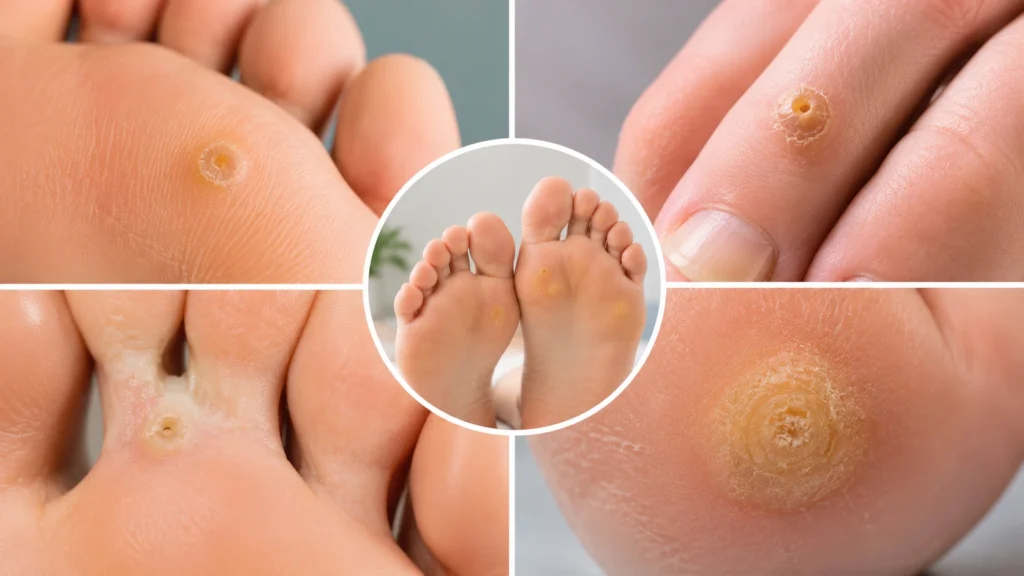
Corns are one of the most common foot problems affecting people of all ages. They develop when the skin repeatedly experiences friction or pressure, leading to thickened, hardened areas that protect the underlying tissues. While these growths may seem like a minor concern initially, if left untreated the condition can become painful, interfere with walking, and significantly affect daily activities.
Many people search for effective foot corn treatment, removal, or medicine because they often mistake this hardened skin for calluses or warts. Understanding the difference is important because each condition requires a different treatment approach. Fortunately, modern dermatology offers several effective solutions ranging from corn treatment cream and medicated plasters to advanced procedures such as corn removal surgery for persistent cases.
Corns are small, thickened areas of skin that develop due to repeated pressure or friction. They commonly appear on the feet, especially over bony areas where the skin experiences continuous rubbing against footwear. In some individuals, similar hardened patches may also develop on the hands because of repetitive manual work.
Unlike normal skin, this hardened growth has a dense central core that presses into deeper tissues, making it painful when standing or walking.
Although these lesions are not dangerous or contagious, they can become uncomfortable if left untreated. Early diagnosis and appropriate foot corn treatment help relieve pain, improve mobility, and prevent complications.
People often confuse the two because both develop due to repeated pressure. However, there are several important differences.
| Feature | Corn | Callus |
|---|---|---|
| Size | Small | Larger |
| Shape | Circular with a central core | Diffuse thickened skin |
| Pain | Usually painful | Usually painless |
| Location | Toes, feet, fingers | Soles, palms, heels |
| Cause | Concentrated pressure | Repeated friction |
| Appearance | Raised with a hard center | Flat thickened skin |
A dermatologist can easily distinguish between these two conditions during a physical examination, ensuring appropriate treatment.
There are several types, each differing in appearance, location, and symptoms.
| Type | Description | Key Characteristics | Common Location | Main Cause |
|---|---|---|---|---|
| Hard Corns | The most common variety. They appear as small, firm, circular areas of thickened skin with a dense central core. | Yellowish appearance; hard outer surface; dense central core; pain when pressure is applied | Tops of the toes, soles of the feet, and other bony prominences | Repeated mechanical pressure or friction, usually from poorly fitting shoes |
| Soft Corns | This variant develops between the toes where constant moisture keeps the skin soft and pliable. | Whitish appearance; soft texture; tender to touch; higher risk of infection due to moisture | Between the fourth and fifth toes | Continuous friction combined with trapped moisture. Proper footwear and keeping the feet dry help reduce recurrence |
| Seed Corns | Tiny, discrete lesions that usually appear on the bottom of the foot. | Very small in size; less common; may occur in clusters; often painless initially but can become uncomfortable over time | Bottom (sole) of the foot | Repeated pressure and friction. Unlike plantar warts, these lesions do not contain viral tissue |
Although they vary in size, these thickened patches usually have distinctive characteristics.
Common signs include:
People frequently notice these lesions on:
Knowing how this hardened skin appears helps distinguish it from warts and other skin conditions.
Yes. They often become painful because the central core pushes inward rather than outward.
Pain typically worsens during:
Some patients experience:
Ignoring persistent pain may allow the affected area to enlarge and increase discomfort over time.
This hardened skin develops when the surface is repeatedly exposed to friction, pressure, or rubbing over a prolonged period. As a natural defense mechanism, the body produces extra layers of dead skin cells to protect the underlying tissues. Over time, these layers become thicker and form a hard, compact core that presses into the skin, causing discomfort and pain.
While anyone can develop this condition, it is more common in people who wear ill-fitting footwear, have foot deformities, or perform activities that place repeated stress on the feet or hands.
| Cause | How It Contributes |
|---|---|
| Poorly Fitting Shoes | Shoes that are too tight, too loose, narrow at the toes, or have high heels create continuous friction and pressure on the feet. This is one of the most common triggers, particularly on the toes and the ball of the foot |
| Walking Barefoot | Walking barefoot on hard or rough surfaces increases direct pressure and friction on the soles of the feet, encouraging the skin to thicken over time |
| Abnormal Foot Structure | Conditions such as bunions, hammer toes, claw toes, flat feet, and high arches create uneven pressure while walking, often leading to repeated friction |
| Repetitive Activities | Prolonged standing, walking, running, or repeated hand movements can cause continuous pressure on specific areas. Construction work, farming, factory work, and hobbies like playing musical instruments may contribute |
| Improperly Fitting Socks | Loose, wrinkled, or poorly fitting socks can bunch up inside shoes, creating additional friction |
| Standing for Long Hours | Teachers, healthcare workers, retail employees, and factory workers place continuous pressure on their feet, increasing susceptibility |
| Not Wearing Protective Gloves | Individuals who frequently use tools, lift weights, garden, or perform manual labor without gloves may develop hardened patches on their hands |
| Footwear Without Cushioning | Shoes that lack proper cushioning or arch support increase pressure on the feet |
| Previous Foot Injuries | An old injury can alter the way you walk, causing abnormal pressure distribution that may result in recurrence |
You may be at higher risk if you:
The body naturally protects itself from repeated pressure. When a particular area experiences continuous friction, the outer skin begins producing excess keratin.
This leads to:
This explains why these lesions become painful despite being composed of dead skin cells.
Certain individuals have a higher risk of developing hardened skin, including:
People with diabetes should never attempt self-removal because foot wounds may heal slowly and become infected.
Although many cases remain harmless, untreated lesions can cause complications, including:
Patients with diabetes or poor circulation are particularly vulnerable to complications and should seek prompt medical care.
An accurate diagnosis is essential for selecting the most effective treatment. Consulting an experienced dermatologist at the best hospital for skin diseases ensures the condition is correctly distinguished from calluses, plantar warts, and other skin problems, allowing for a personalized treatment plan.
Clinical Examination
The dermatologist carefully examines size, shape, thickness, location, tenderness, and walking pattern. The characteristic central core often confirms the diagnosis.
Medical History
Your doctor may ask about footwear habits, occupation, sports activities, previous treatments, pain duration, walking difficulties, and medical conditions such as diabetes.
Skin Paring
In some cases, the thickened skin is gently pared using a sterile surgical blade. This helps differentiate the lesion from a plantar wart.
Imaging (Rarely Needed)
X-rays may be recommended if the dermatologist suspects bone deformities, joint abnormalities, or recurrent pressure points. These investigations help identify the underlying cause before planning long-term treatment.
Removing hardened skin depends on size, location, severity, and underlying cause. While mild cases often improve with home care and medicated products, persistent or painful lesions may require professional treatment by a dermatologist or podiatrist.
It is important to avoid cutting or digging into hardened skin at home, especially if you have diabetes, poor blood circulation, or nerve-related conditions. Improper removal can increase the risk of infection, bleeding, and delayed healing.
These lesions respond well to conservative treatment. The primary goal is to reduce pressure, soften thickened skin, and prevent further friction.
| Home Care Method | How It Helps | Key Recommendations | Benefits |
|---|---|---|---|
| Wear Proper Footwear | Comfortable, well-fitting shoes relieve pressure and reduce friction | Wide toe box; soft cushioning; good arch support; proper fit; low heels | Reduces pressure, prevents irritation, and lowers the risk of recurrence after removal |
| Soak Your Feet | Soaking in warm water for 10–15 minutes softens hardened skin | Gently dry the feet; use a pumice stone lightly; do not remove excessive skin; moisturize afterward | Softens thickened skin, improves comfort, and supports gentle exfoliation |
| Keep Feet Moisturized | Daily moisturizing reduces dryness and friction | Softens hardened skin; reduces cracking; improves flexibility; use an ointment if recommended by a dermatologist | Prevents excessive dryness and enhances treatment effectiveness |
| Use Protective Padding | Cushions minimize direct pressure and friction while walking | Foam pads; silicone sleeves; toe separators; gel cushions | Reduces pain, protects the area from further irritation, and promotes faster healing |
Yes, over-the-counter treatments can be helpful for mild cases when used correctly. However, people with diabetes, peripheral neuropathy, or poor circulation should consult a doctor before using medicated products.
This treatment cream is designed to soften thickened skin gradually, making it easier to remove dead skin over time. Most formulations help break down hardened skin, reduce roughness, improve hydration, and minimize discomfort. Regular application, combined with pressure relief, often produces the best results.
A dedicated cream works by moisturizing thick skin while encouraging gradual exfoliation. Benefits include softer skin, reduced pain, prevention of cracking, and improved comfort while walking. For optimal results, apply after washing and drying your feet.
A foot corn removal cream is specifically formulated for thick skin found on the soles and toes. It helps loosen dead skin, reduce pressure, improve skin texture, and ease discomfort. Most dermatologists recommend consistent use rather than expecting overnight results.
Several types of medicine are available depending on severity, including medicated creams, keratolytic solutions, medicated pads, protective dressings, and prescription options. Your dermatologist will recommend the most appropriate choice based on the size and location of the lesion.
This usually combines skin-softening ingredients with protective measures to reduce friction. Depending on the condition, treatment may include topical medications, moisturizing creams, pressure-relieving pads, or footwear modifications. Persistent lesions should always be evaluated by a specialist.
An ointment for removal helps soften hardened skin while reducing irritation. Advantages include easy application, a moisturizing effect, reduced cracking, and an improved healing environment. It should always be used according to medical advice.
Several medicated products are available for reducing thickened skin.
Corn Cap Treatment
This approach involves applying medicated caps directly over the affected area. The caps protect against friction, deliver medication gradually, help soften the lesion, and reduce discomfort. They should only be used on intact skin.
Corn Cap Removal
Proper removal of the cap is important to avoid skin damage. Never pull away softened skin forcefully. Instead, remove the cap as instructed, wash the area, gently clean dead skin if advised, and reapply if necessary.
Corn Cap Plaster
This plaster combines cushioning with medicated ingredients to soften thickened skin, offering continuous medication delivery, protection from pressure, easy application, and improved comfort.
Foot Corn Plaster
A foot corn plaster provides targeted protection for pressure points on the sole or toes. These plasters reduce friction, cushion painful areas, support healing, and improve walking comfort.
Most cases improve without surgery. However, surgery may be recommended when the lesion keeps returning, severe pain affects walking, bone deformities create constant pressure, conservative treatment fails, or toe deformities are present.
| Surgical Treatment | When Is It Recommended? | Procedure | Benefits |
|---|---|---|---|
| General Surgical Evaluation | Considered only when conservative treatments fail or when the underlying cause cannot be corrected non-surgically | A thorough evaluation is performed to identify the underlying structural problem before planning surgery | Addresses the root cause of recurrence, relieves pain, and improves long-term foot function |
| Corn Removal Surgery | Recommended for persistent or recurrent cases that do not respond to medications, footwear modifications, or protective padding | Focuses on eliminating the underlying cause rather than simply removing the thickened skin; may involve bone correction, toe realignment, or correction of structural deformities | Reduces pain, prevents recurrence, and improves walking comfort |
| Corn Surgery | Considered only after conservative treatment has failed and the lesion continues to cause significant discomfort | Performed by an orthopaedic surgeon or podiatric surgeon depending on the underlying condition; the approach varies based on severity and location | Provides long-term relief by addressing the underlying structural abnormality |
| Corn Operation | Recommended when foot deformities repeatedly cause excessive friction and pressure, leading to recurrence | May include hammer toe correction, bunion correction, or bone spur removal | Reduces the likelihood of future formation |
| Foot Corn Surgery | Suitable for chronic, recurrent, or severe cases with persistent pain or difficulty walking despite non-surgical treatment | Modern minimally invasive or conventional techniques correct pressure points and improve foot alignment | Offers long-term pain relief, improves mobility, and lowers recurrence risk |
| Corn Excision Surgery | Recommended in selected cases where a localized lesion causes persistent pain or repeatedly returns | The growth and underlying pressure-producing tissue are surgically removed, usually under local anesthesia | Relieves pressure, promotes healing, and helps prevent recurrence |
Recovery depends on the type of procedure, overall health, location of the lesion, and postoperative care. Most patients can resume light daily activities within a few days, while complete healing may take several weeks. Wearing appropriate footwear, keeping the surgical site clean, and attending follow-up appointments help ensure optimal recovery.
This condition does not develop overnight. It forms gradually when repeated friction or pressure stimulates the skin to produce extra layers of protective tissue.
The most common reasons include:
Ill-Fitting Footwear: Shoes that are too tight, narrow, or loose create excessive friction on specific areas of the foot.
High-Heeled Shoes: These shift body weight toward the front of the foot, increasing pressure on the toes and ball of the foot.
Foot Deformities: Structural abnormalities such as bunions, hammer toes, claw toes, flat feet, and high arches can create constant pressure points.
Walking Barefoot: Walking on hard surfaces without footwear increases direct friction between the skin and the ground.
Repetitive Activities: People who spend long hours standing, walking, running, or participating in sports are more likely to develop this condition.
Improper Socks: Loose, wrinkled, or poorly fitting socks can create additional rubbing that contributes to the problem.
Identifying the underlying foot corn reason is the first step toward preventing recurrence.
Seek medical advice if you experience:
Professional evaluation ensures accurate diagnosis and appropriate treatment.
Although this is a common foot condition, it should never be ignored, especially if it causes persistent pain or interferes with your daily activities. Early diagnosis, proper footwear, regular foot care, and timely treatment can help relieve discomfort, prevent recurrence, and reduce the risk of complications. While many mild cases respond well to conservative treatment, recurring or painful lesions may require professional medical evaluation. If your symptoms persist or keep returning, consult an experienced dermatologist at the best skincare hospital or the best hospital for skin diseases for an accurate diagnosis and a personalized treatment plan. Seeking care from the best skincare hospital ensures access to advanced diagnostic techniques and effective treatment options that help prevent future recurrence. With the right care and preventive measures from the best hospital for skin diseases, you can achieve lasting relief, improve your foot health, and maintain an active, pain-free lifestyle.
They are thickened areas of skin that develop due to repeated pressure or friction, usually on the feet or toes.
No. These lesions are not caused by bacteria or viruses and cannot spread from one person to another.
The most common causes include tight footwear, repeated pressure, abnormal foot structure, and prolonged standing or walking.
Small ones may improve once the source of pressure is removed, but persistent cases often require treatment.
Treatment depends on severity and may include medicated creams, protective padding, footwear modification, or professional removal by a dermatologist.
You should never cut or dig out hardened skin yourself. Mild cases may improve with proper foot care and over-the-counter products, but painful or recurrent ones should be evaluated by a healthcare professional.
Most cases do not require surgery. Surgical correction is usually considered only when underlying bone deformities cause repeated recurrence.
Recovery varies depending on the procedure. Many patients return to light activities within a few days, while complete healing may take several weeks.
Yes. People with diabetes should avoid self-treatment and seek medical advice promptly, as foot wounds can heal slowly and become infected.
Yes. If the source of friction or pressure is not corrected, recurrence is common.
Many become painful because their hard central core presses into deeper tissues, especially during walking or standing.
Wear properly fitting shoes, moisturize your feet, avoid prolonged pressure, use protective padding when needed, and inspect your feet regularly.
Corns and calluses are thick, hardened layers of skin that develop when the skin tries to protect itself against friction or pressure. They often form on feet and toes or hands and fingers.
Corns are hard, thickened areas of skin that typically occur on the feet. They’re similar to a callus, but are usually harder, smaller, and more painful. Corns aren’t dangerous, but they can cause irritation. They’re also more likely to affect women than men.
No rows found.