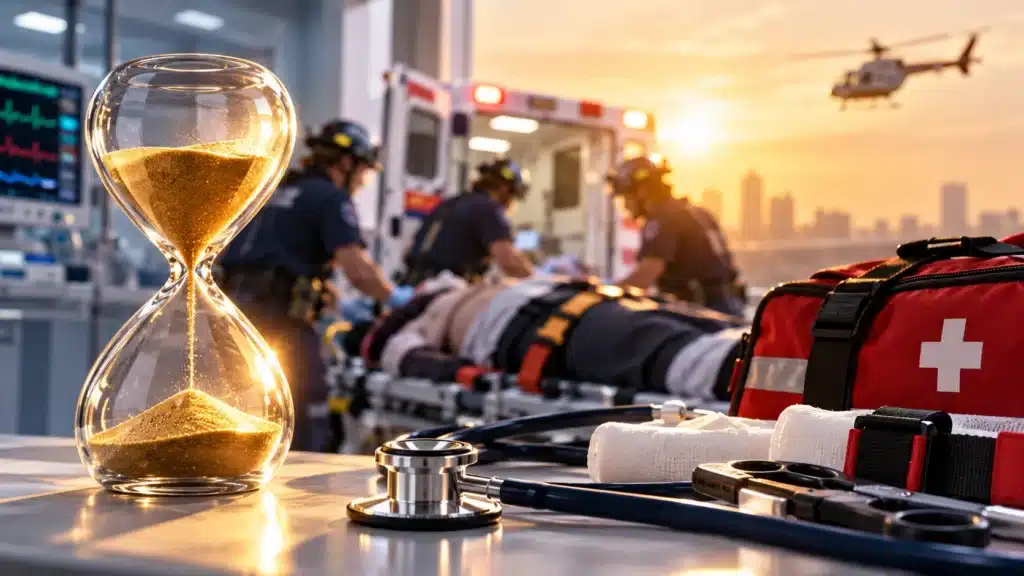
The golden hour is one of the most critical concepts in emergency and trauma care. It refers to the first hour after a serious injury or life-threatening medical event. During this time, prompt and appropriate medical treatment can significantly increase the chances of survival and reduce the risk of long-term complications. Every minute matters. Delays in assessment, resuscitation, or definitive treatment can lead to irreversible damage or death.
Trauma can result from road accidents, falls, industrial injuries, sports injuries, violence, burns, or medical emergencies such as heart attack, stroke, or severe bleeding. In all these situations, the body goes into shock, blood loss may be severe, and vital organs may not receive enough oxygen. The golden hour is the window where skilled emergency teams can stabilize the patient, control bleeding, secure the airway, support breathing, and prepare for surgery or intensive care.
What is the Golden Hour?
The golden hour is the first sixty minutes after a major injury or critical medical event. During this period, the body is most vulnerable, but also most responsive to life-saving interventions. If the patient receives the right care within this window, survival rates improve dramatically. If care is delayed, the risk of death or permanent disability increases.
The concept is based on the understanding that severe trauma leads to rapid physiological decline. Blood loss, shock, airway obstruction, breathing failure, and brain injury can all worsen quickly. Early intervention can stop this downward spiral.
The golden hour does not mean that treatment after one hour is useless. It means that the first hour is the most valuable. Even patients who arrive after the golden hour can benefit from expert trauma care, but the earlier the treatment, the better the outcome.
Why the Golden Hour Matters
The golden hour matters because the body cannot tolerate prolonged shock, oxygen deprivation, or uncontrolled bleeding.
Key reasons why early care is critical
- Blood loss can lead to shock within minutes.
- Airway obstruction can cause brain damage in a few minutes.
- Breathing failure reduces oxygen to the heart and brain.
- Brain injury can worsen rapidly without stabilization.
- Internal bleeding may not be obvious but can be fatal.
- Multiple injuries require coordinated, rapid assessment.
- Delays increase the risk of organ failure and death.
- Early resuscitation improves survival and recovery.
What happens without timely care
- Worsening shock and low blood pressure.
- Reduced oxygen supply to vital organs.
- Increased risk of cardiac arrest.
- Greater brain injury in head trauma.
- Higher chance of infection and complications.
- Longer hospital stay and slower recovery.
- Increased risk of permanent disability.
- Higher mortality rate.
Steps in Golden Hour Trauma Management
Trauma management in the golden hour follows a structured approach. This ensures that life-threatening problems are identified and treated in the right order.
1. Scene safety and initial response
- Ensure the scene is safe for rescuers and bystanders.
- Call emergency services immediately.
- Do not move the patient unnecessarily, especially if spine injury is suspected.
- Control visible bleeding with direct pressure if safe to do so.
- Keep the patient warm and calm.
2. Primary survey – ABCDE approach
The primary survey focuses on immediate life threats.
- Airway with cervical spine protection.
- Breathing and ventilation.
- Circulation with bleeding control.
- Disability or neurological status.
- Exposure and environmental control.
Each step is done quickly and in order. If a life-threatening problem is found, it is treated immediately before moving to the next step.
3. Airway management
- Check if the airway is open and clear.
- Remove any visible obstruction if safe.
- Protect the neck in case of spine injury.
- Use advanced airway tools if needed.
- Intubation may be required in severe cases.
4. Breathing support
- Assess chest movement and breathing effort.
- Provide oxygen immediately.
- Treat collapsed lung or chest injury if present.
- Assist breathing with bag-valve mask if needed.
- Monitor oxygen levels continuously.
5. Circulation and bleeding control
- Check pulse, blood pressure, and skin color.
- Control external bleeding with pressure or dressings.
- Start IV lines for fluids and blood products.
- Treat shock with fluids and blood transfusion.
- Prepare for emergency surgery if internal bleeding is suspected.
6. Disability and neurological assessment
- Check level of consciousness.
- Assess pupil size and reaction.
- Look for signs of head or spine injury.
- Use Glasgow Coma Scale for brain injury assessment.
- Protect the spine during all movements.
7. Exposure and examination
- Remove clothing carefully to examine all injuries.
- Keep the patient warm to prevent hypothermia.
- Look for hidden injuries on the back, limbs, and abdomen.
- Document all findings for the trauma team.
- Prevent heat loss with blankets and warming measures.
8. Secondary survey
Once the patient is stable, a detailed head-to-toe examination is done.
- Full history of the injury event.
- Complete physical examination.
- X-rays, ultrasound, or CT scans as needed.
- Laboratory tests for blood count, clotting, and organ function.
- Planning for definitive treatment such as surgery or ICU care.
Diagnosis in Golden Hour Trauma Care
Diagnosis during the golden hour must be fast and focused on life-threatening conditions.
Diagnostic steps
- Rapid clinical assessment by the trauma team.
- Continuous monitoring of vital signs.
- Bedside ultrasound to check for internal bleeding.
- X-rays for chest, pelvis, and spine.
- CT scan for head, chest, abdomen, or spine if stable.
- Blood tests for hemoglobin, clotting, and organ function.
- ECG for heart assessment in relevant cases.
Tests that may be done
- Focused Assessment with Sonography for Trauma.
- Chest X-ray to detect lung or rib injuries.
- Pelvic X-ray to check for fractures.
- CT head for suspected brain injury.
- CT abdomen and pelvis for internal bleeding.
- Arterial blood gas to assess oxygen and acid-base status.
- Blood grouping and cross-matching for transfusion.
Why rapid diagnosis matters
Delays in diagnosis can lead to missed injuries and worsening shock. Fast imaging and laboratory support help the trauma team decide whether the patient needs emergency surgery, intensive care, or further monitoring.
Treatment in Golden Hour Trauma Management
Treatment is focused on stabilizing the patient and preventing death from reversible causes.
1. Airway and breathing treatment
- Oxygen therapy for all major trauma patients.
- Intubation for patients who cannot breathe adequately.
- Chest tube insertion for collapsed lung or blood in the chest.
- Ventilator support in severe breathing failure.
- Continuous monitoring of oxygen saturation.
2. Bleeding control and resuscitation
- Direct pressure for external bleeding.
- Tourniquets for severe limb bleeding when needed.
- IV fluids to maintain blood pressure.
- Blood transfusion for significant blood loss.
- Emergency surgery for internal bleeding.
3. Shock management
- Rapid identification of shock type.
- Fluid resuscitation with crystalloids and blood.
- Medicines to support blood pressure if needed.
- Warming measures to prevent hypothermia.
- Continuous monitoring of urine output and vital signs.
4. Fracture and injury stabilization
- Splinting of broken bones.
- Cervical collar for neck protection.
- Pelvic binder for pelvic fractures.
- Wound cleaning and dressing.
- Pain management with appropriate medicines.
5. Head injury management
- Head elevation to reduce pressure.
- Avoiding low blood pressure and low oxygen.
- CT scan to assess brain injury.
- Neurosurgical consultation if needed.
- ICU monitoring for severe cases.
6. Abdominal and chest injury management
- Ultrasound and CT for internal injury detection.
- Emergency laparotomy for abdominal bleeding.
- Chest tube for blood or air in the chest cavity.
- Thoracic surgery for major chest trauma.
- ICU care for monitoring and support.
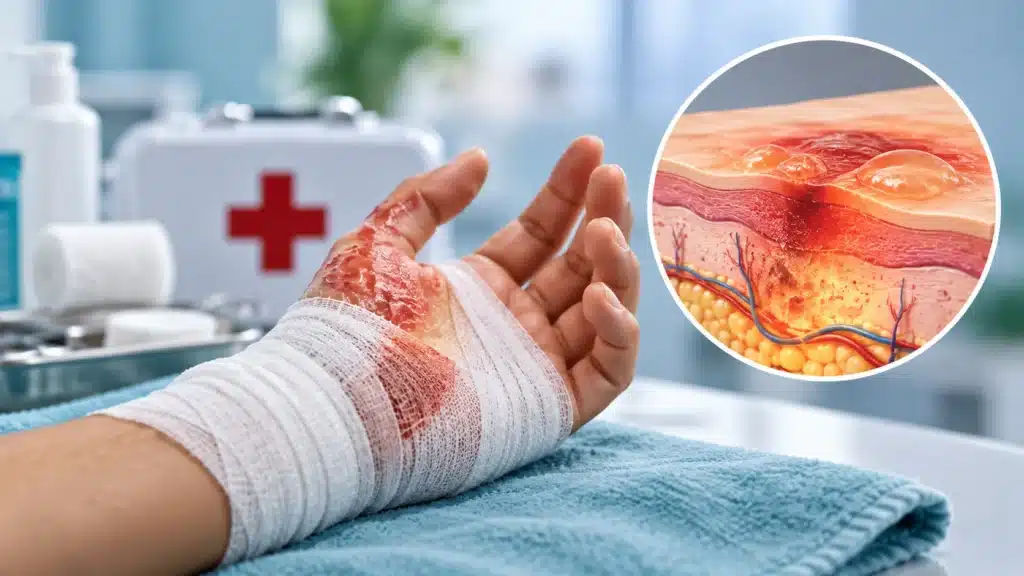
7. Burn injury management
- Cooling the burn area gently.
- Fluid resuscitation based on burn surface area.
- Pain control and wound care.
- Infection prevention measures.
- Referral to specialized burn unit if needed.
8. Pediatric and elderly trauma care
- Adjusted fluid and medicine doses for children.
- Gentle handling and warmth for pediatric patients.
- Careful assessment in elderly due to fragile bones and organs.
- Early involvement of specialists for complex cases.
- Family communication and support throughout care.
Role of the Trauma Team
Golden hour management requires a coordinated team approach.
Trauma team members
- Emergency physicians.
- Trauma surgeons.
- Anesthesiologists.
- Orthopedic surgeons.
- Neurosurgeons.
- Radiologists.
- Nurses and technicians.
- Blood bank and laboratory staff.
Team coordination
- Clear leadership and role assignment.
- Simultaneous assessment and treatment.
- Rapid communication between team members.
- Protocols for common trauma scenarios.
- Continuous training and simulation drills.
Emergency Protocols in Golden Hour Care
Hospitals with trauma centers follow standardized protocols to ensure fast and effective care.
Key protocol elements
- Immediate triage on arrival.
- Activation of trauma team for severe cases.
- Ready access to operating rooms and ICU.
- 24-hour availability of blood products.
- Fast-track imaging and laboratory services.
- Clear pathways for transfer to higher care if needed.
Why protocols matter
Protocols reduce delays, ensure all critical steps are followed, and improve survival rates. They help the team act quickly and systematically even in high-pressure situations.
Possible Complications
Without proper golden hour management, complications can be severe.
Complications may include:
- Death due to uncontrolled bleeding or shock.
- Brain damage from lack of oxygen.
- Organ failure due to prolonged low blood flow.
- Infection from open wounds or delayed care.
- Permanent disability from spinal or brain injury.
- Amputation due to delayed limb injury management.
- Long-term pain and reduced quality of life.
- Psychological trauma for patients and families.
Why complications happen
Complications occur when life-threatening problems are not identified and treated quickly. Delays in airway management, bleeding control, or surgery can lead to irreversible damage.
Prevention of Trauma
While not all trauma can be prevented, many injuries can be reduced with safety measures.
Prevention pointers
- Always wear seat belts in vehicles.
- Use helmets while riding two-wheelers.
- Follow traffic rules and avoid speeding.
- Avoid alcohol or drug use before driving.
- Use safety equipment at workplaces.
- Install railings and non-slip surfaces at home.
- Supervise children around roads and water.
- Learn basic first aid and CPR.
- Keep emergency numbers easily accessible.
- Promote community awareness on road safety.
For high-risk groups
- Elderly people should use support while walking.
- Children should be taught road safety early.
- Workers in hazardous jobs must use protective gear.
- Sports participants should use appropriate safety equipment.
Why Choose Rama Hospital for Golden Hour Trauma Care?
Trauma care requires a hospital that is ready 24/7 with skilled teams, advanced equipment, and fast protocols. Rama Hospital provides comprehensive emergency and trauma services designed to save lives in the golden hour.
- 24-hour emergency and trauma center.
- Experienced trauma surgeons and emergency physicians.
- Immediate access to operating rooms and ICU.
- Advanced imaging and laboratory support.
- Blood bank availability for urgent transfusion.
- Coordinated care across specialties.
Frequently Asked Questions (FAQs)
1. What is the golden hour in trauma care?
The golden hour is the first sixty minutes after a major injury or critical event. Prompt treatment during this time significantly improves survival and reduces complications. Delays beyond this window increase the risk of death or permanent disability.
2. Why is the golden hour so important?
The body cannot tolerate prolonged shock, bleeding, or lack of oxygen. Early intervention stabilizes vital functions, controls bleeding, and prevents organ damage. Every minute of delay reduces the chance of survival.
3. What happens during golden hour trauma management?
The trauma team assesses airway, breathing, circulation, neurological status, and exposes the patient for full examination. Life-threatening problems are treated immediately. Imaging and tests are done rapidly to guide further care.
4. Can survival improve if treatment starts within the golden hour?
Yes, early treatment dramatically improves survival rates. Patients who receive timely resuscitation, bleeding control, and surgery have better outcomes. This is why emergency response and trauma-ready hospitals are critical.
5. What should bystanders do at an accident scene?
Ensure scene safety, call emergency services, control visible bleeding with pressure, and avoid moving the patient unnecessarily. Keep the patient warm and calm until help arrives. Do not give food or water.
6. Does golden hour care apply only to accidents?
No, it applies to any life-threatening emergency such as severe bleeding, heart attack, stroke, major burns, or critical illness. The principle is the same: early recognition and treatment save lives.
7. What if a patient arrives after the golden hour?
Treatment is still valuable and can save lives even after the first hour. However, delays increase the risk of complications. The goal is always to minimize time from injury to definitive care.
8. How can hospitals improve golden hour outcomes?
Hospitals can improve outcomes with 24/7 trauma teams, fast protocols, ready operating rooms, blood bank support, and continuous training. Public awareness and quick emergency response also play a major role.
Conclusion
Golden hour trauma management is a life-saving concept that emphasizes the importance of immediate, structured, and expert care after a major injury or critical event. The first hour after trauma is the most valuable window for intervention. Prompt airway management, bleeding control, resuscitation, and rapid diagnosis can mean the difference between life and death.
The most important steps are recognizing the severity of the injury, activating emergency services, reaching a trauma-ready hospital quickly, and receiving coordinated care from a skilled team. For patients and families, understanding the golden hour can encourage faster action and better outcomes. With the right emergency system and hospital support, many trauma deaths can be prevented.
Rama Hospital provides 24/7 emergency and trauma care with experienced teams, advanced facilities, and fast protocols designed to protect lives in the golden hour and beyond.