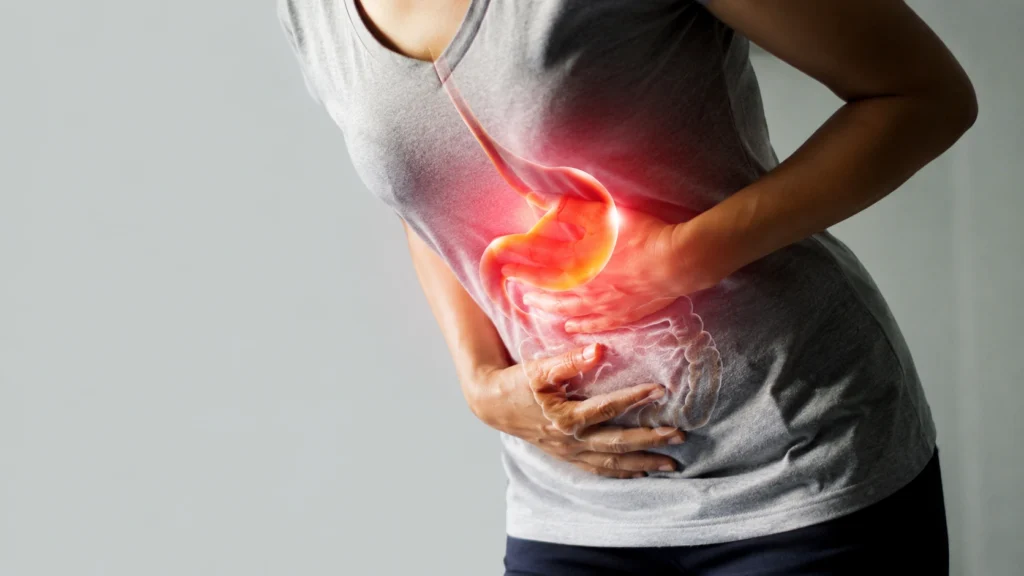
Gastritis is a condition that causes inflammation, irritation, or erosion of the lining of the stomach. It can appear suddenly and last for a short period, or it can develop slowly and continue for a long time. Some people have only mild discomfort, while others experience burning pain, nausea, vomiting, bloating, or a feeling of fullness after eating very little.
Many people ignore gastritis because the symptoms often seem ordinary. A little indigestion, a heavy feeling in the stomach, a burning sensation after meals, or occasional nausea may not appear serious at first. But when these symptoms keep returning, they may indicate inflammation in the stomach lining that needs proper treatment. In some cases, untreated gastritis can lead to ulcers, bleeding, anaemia, and long-term stomach damage.
The stomach lining has a protective role. It helps the stomach handle acid and digestive juices. When that lining becomes weak or inflamed, the stomach becomes more sensitive. Acid may irritate the tissue, digestion may become uncomfortable, and symptoms can start interfering with daily life. This is why gastritis should not be treated as simple acidity without understanding the cause.
Gastritis may be acute or chronic. Acute gastritis happens suddenly and is often related to infection, medicines, alcohol, or severe stress on the body. Chronic gastritis develops more slowly and may be linked to long-term infection, autoimmune disease, repeated irritation, or other digestive problems. Both types need proper evaluation if symptoms continue.
In many cases, gastritis can be treated effectively once the cause is identified. Some patients improve with medicines and lifestyle changes. Others may need testing for infection, acid control, diet adjustment, or follow-up care to make sure complications do not develop. The key is not to ignore the symptoms and not to self-medicate for too long.
Gastritis refers to inflammation of the stomach lining, also called the gastric mucosa. The stomach normally produces acid and digestive enzymes to help break down food. At the same time, it has a protective lining that prevents this acid from damaging the stomach wall. When that protective layer becomes inflamed or weakened, gastritis develops.
Gastritis is not one single disease. It is a general term used when the stomach lining becomes irritated. The cause may be temporary, such as a reaction to painkillers or alcohol, or it may be long-term, such as infection with Helicobacter pylori or an autoimmune problem. Because of this, treatment depends on the underlying reason rather than the symptom alone.
Some patients describe gastritis as burning in the upper abdomen. Others feel heaviness, gas, nausea, or discomfort after eating. The pain is often felt in the upper middle part of the stomach area, just below the breastbone. In some cases, symptoms can be mild but persistent, while in others they can be severe enough to affect eating and sleep.
Gastritis can be classified in different ways. It may be erosive, where the lining begins to wear away, or non-erosive, where inflammation is present without visible erosion. It may be acute or chronic. It may be related to infection, medicine use, immune system problems, or other digestive disorders. Understanding the type helps guide care.
Although gastritis is common, it should not be ignored, especially when symptoms are recurring or when there are warning signs such as vomiting blood, black stools, unexplained weight loss, or difficulty eating. These may indicate a more serious problem such as bleeding or ulcer disease.
Gastritis can appear in different forms depending on how fast it develops, what causes it, and how much damage it produces in the stomach lining. Knowing the type helps doctors decide how to manage it and whether more tests are needed.
Acute gastritis develops suddenly. It may come after taking certain medicines, drinking alcohol, eating something irritating, or during a major illness or infection. Symptoms may begin quickly and can sometimes become severe. Many people with acute gastritis notice burning, nausea, vomiting, or upper abdominal pain.
Chronic gastritis develops slowly and may last for months or years. It may not cause strong symptoms in the beginning, which is why many people do not know they have it. Over time, the stomach lining may remain inflamed and become thinner or weaker, increasing the risk of ulcers and other complications.
In erosive gastritis, the stomach lining is damaged and small erosions may form. This type can lead to bleeding in some cases. It may happen with alcohol use, severe stress on the body, certain medicines, or serious illness.
Non-erosive gastritis
In this type, inflammation is present but the stomach lining does not show visible erosion. It may still cause symptoms such as burning pain, nausea, and indigestion, even if the tissue is not visibly damaged.
Autoimmune gastritis happens when the body’s immune system attacks the stomach lining itself. This may reduce acid production and affect the absorption of important nutrients such as vitamin B12. Over time, it can lead to anaemia and nerve-related symptoms if not treated.
Helicobacter pylori is a common bacterial cause of gastritis. It can live in the stomach lining and trigger long-term inflammation. This type of gastritis is important because it may also increase the risk of ulcers and certain long-term stomach problems if not treated properly.
There are many possible causes of gastritis. In some people, one cause may be responsible. In others, several factors may work together and make the stomach lining more vulnerable.
The stomach has to protect itself constantly from acid. Anything that weakens the stomach lining, reduces blood flow, increases irritation, or triggers inflammation can contribute to gastritis. That is why medicines, infection, alcohol, and stress-related illness are all important causes to consider.
Some people are more likely to develop gastritis than others. Risk factors do not guarantee the condition will happen, but they increase the chances.
Symptoms can vary widely. Some patients have only mild discomfort. Others develop more obvious warning signs. The pattern, duration, and intensity of the symptoms help doctors understand whether gastritis may be present.
Some people describe gastritis as a burning sensation that rises in the stomach after meals or during an empty stomach. Others feel uneasy after eating even a small amount of food. Some wake up with nausea or discomfort. In chronic cases, the symptoms may be less dramatic but more persistent.
Symptoms can overlap with other conditions: Gastritis symptoms may look similar to acid reflux, indigestion, peptic ulcer disease, gallbladder problems, or even more serious abdominal disease. That is why repeated symptoms should be evaluated rather than assumed to be simple acidity.
Diagnosis depends on history, examination, and sometimes tests. Doctors try to identify not just whether gastritis is present, but also what caused it and whether there are complications.
Tests are usually recommended if:
Treatment depends on the cause, the severity of symptoms, and whether the patient has complications. In many people, treatment includes a combination of medicines, dietary changes, and removal of the trigger.
Small daily changes can make a big difference in recovery.
There is no one-size-fits-all gastritis diet.
A healthy routine, balanced diet, and timely treatment can help most people recover from gastritis and prevent future flare-ups.
If gastritis is not treated properly, it may lead to complications. Some are mild, while others can become serious.
Why complications happen: Ongoing inflammation weakens the stomach lining. If acid continues to irritate that area or if infection remains untreated, the damage may progress. Bleeding may happen when the lining erodes more deeply.
You should not wait too long if the symptoms are recurring or getting worse. Early evaluation can prevent complications and help identify the cause.
Gastritis may seem simple at first, but the cause is not always obvious. A hospital-based gastroenterology evaluation can help distinguish between gastritis, ulcer disease, acid reflux, infection, and other digestive problems.
Why trust matters: Patients with stomach symptoms often try home remedies for a long time before seeking help. A trustworthy hospital page should reassure them that gastritis is treatable and that proper diagnosis can prevent more serious problems later.
No, gastritis is inflammation of the stomach lining, while acidity is a symptom related to acid. They may feel similar, but they are not exactly the same condition. A person can have acidity symptoms because of gastritis, but proper evaluation is needed to know the cause.
Mild cases may improve if the trigger is removed, but repeated or chronic symptoms should not be ignored. If the cause is H. pylori, medication-related, or autoimmune, it usually needs proper treatment. Waiting too long can increase the risk of ulcers or bleeding.
It can be mild in many people, but it may become serious if it leads to ulcers, bleeding, or nutrient deficiency. The danger depends on the cause and how long it has been present. Warning signs like blood in vomit or black stools need urgent attention.
Spicy food does not always cause gastritis, but it may worsen symptoms in people who already have stomach irritation. The real cause is often infection, medicine use, alcohol, or other factors. However, if spicy food triggers discomfort, reducing it may help symptoms.
Stress alone may not be the only cause, but it can worsen stomach symptoms and make the condition feel more severe. In very ill patients, physical stress can also contribute to acute gastritis. Managing stress may support recovery, but it should not replace medical treatment.
Yes, frequent use of certain painkillers can irritate the stomach lining and lead to gastritis. This is especially common with NSAIDs taken repeatedly or on an empty stomach. If painkillers are needed regularly, medical advice is important to reduce stomach risk.
The best treatment depends on the cause. Some patients need acid-reducing medicine, some need antibiotics, and some need to stop the trigger such as painkillers or alcohol. The most effective treatment is the one that addresses both symptoms and the underlying cause.
Yes, if inflammation continues and the stomach lining becomes more damaged, ulcers can develop. This is why persistent gastritis should be treated and not ignored. Early care lowers the risk of deeper injury and bleeding.
Endoscopy is usually considered when symptoms are severe, long-lasting, or associated with warning signs like weight loss, bleeding, or repeated vomiting. It may also be recommended when the doctor wants to examine the stomach lining directly. In many cases, it gives the clearest picture of what is happening inside the stomach.
Gastritis is a common but important stomach condition that should not be dismissed as ordinary acidity. It happens when the stomach lining becomes inflamed or irritated, and it can be caused by infection, painkillers, alcohol, stress on the body, autoimmune disease, or other factors. Some cases are short-term and mild, while others are chronic and need careful treatment.
The good news is that gastritis is often manageable once the cause is identified. With the right medicines, dietary changes, and follow-up care, many patients recover well and avoid complications. But the key is timely evaluation, especially when symptoms keep returning or warning signs appear.
If upper abdominal burning, nausea, bloating, or indigestion has become frequent, it is better to get checked rather than keep self-treating. A proper diagnosis can make treatment more effective and help protect the stomach from long-term damage. Rama Hospital can help with the evaluation and treatment of gastritis through specialist gastroenterology care, testing, and follow-up support.

No rows found.