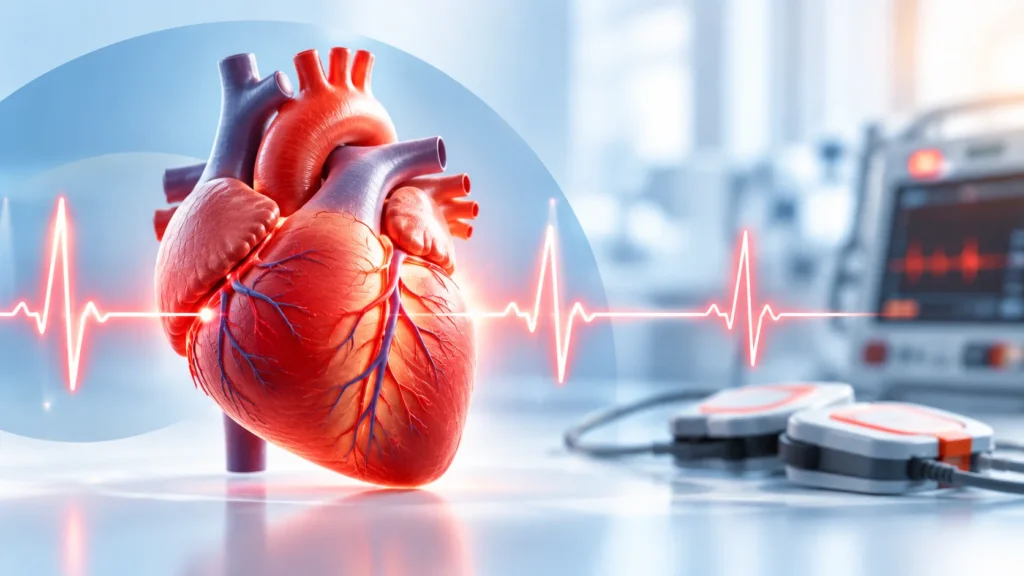
Cardiac arrest is a life-threatening medical emergency in which the heart suddenly stops beating effectively. When this happens, blood stops flowing to the brain and other vital organs. Within seconds, the person may collapse, stop breathing, and lose consciousness. Without immediate treatment, cardiac arrest can lead to brain damage or death within minutes.
Many people confuse cardiac arrest with heart attack, but they are not the same. A heart attack happens when blood flow to part of the heart is blocked. The heart usually keeps beating during a heart attack. In cardiac arrest, the heart’s electrical system malfunctions, and the heart stops pumping blood. A heart attack can sometimes trigger a cardiac arrest, but cardiac arrest can also happen for other reasons.
What is Cardiac Arrest?
Cardiac arrest, also called sudden cardiac arrest, happens when the heart’s electrical activity becomes abnormal and the heart stops pumping blood. The heart may beat too fast, too irregularly, or not at all. As a result, blood pressure drops to zero, and the person collapses.
Without blood flow, the brain and other organs are starved of oxygen. Brain damage can begin within four to six minutes. That is why immediate action is critical. Every minute without treatment reduces the chance of survival.
Cardiac arrest can happen to anyone, at any age, but it is more common in adults with heart disease. It can occur at home, at work, in public places, or during physical activity. Many cases happen without any warning signs.
Causes of Cardiac Arrest
Cardiac arrest is usually caused by a problem with the heart’s electrical system. This leads to dangerous heart rhythms that prevent effective pumping.
Common causes include:
- Coronary artery disease, which reduces blood flow to the heart muscle.
- Previous heart attack that has damaged heart tissue.
- Abnormal heart rhythms such as ventricular fibrillation or ventricular tachycardia.
- Heart failure or weakened heart muscle.
- Congenital heart defects present from birth.
- Electrical disorders of the heart such as long QT syndrome.
- Severe electrolyte imbalance, such as low potassium or magnesium.
- Drug overdose or misuse of certain medicines.
- Severe lack of oxygen, such as from drowning or choking.
- Major trauma or severe blood loss.
- Electrocution or lightning strike.
- Severe infection or sepsis affecting heart function.
Why the heart stops
The heart relies on electrical signals to beat in a regular pattern. If these signals become chaotic, the heart may quiver instead of pump. This is called ventricular fibrillation. In this state, the heart cannot send blood to the brain or body, leading to collapse and cardiac arrest.
Risk Factors for Cardiac Arrest
Some people are at higher risk of cardiac arrest than others.
Higher-risk groups
- People with coronary artery disease.
- Those who have had a previous heart attack.
- Patients with heart failure or weak heart muscle.
- People with abnormal heart rhythms.
- Individuals with a family history of sudden cardiac death.
- Smokers.
- People with high blood pressure.
- Those with diabetes.
- Individuals with high cholesterol.
- People who are obese or lead a sedentary lifestyle.
- Those who use cocaine or other stimulant drugs.
- Older adults, especially men over forty-five.
Why risk increases in these groups
- Heart disease damages the muscle and electrical pathways.
- High blood pressure and diabetes strain the heart over time.
- Smoking and drugs can trigger dangerous rhythms.
- Genetic conditions may make the heart more prone to rhythm problems.
- Age-related changes increase the chance of heart disease.
Symptoms of Cardiac Arrest
Cardiac arrest often happens suddenly and without warning. However, some people may have warning signs in the hours or days before.
Common symptoms at the time of arrest
- Sudden collapse.
- Loss of consciousness.
- No pulse.
- No breathing or only gasping breaths.
- Unresponsiveness to touch or voice.
Possible warning signs before cardiac arrest
- Chest pain or discomfort.
- Shortness of breath.
- Palpitations or racing hearts.
- Dizziness or fainting.
- Unusual fatigue.
- Nausea or vomiting.
- Pain in the arm, jaw, or back.
It is important to note that many people have no warning signs at all. That is why immediate recognition and action are so important.
Cardiac Arrest vs Heart Attack
People often use the terms cardiac arrest and heart attack interchangeably, but they are different conditions.
Heart attack
- Happens when blood flow to part of the heart is blocked.
- The heart usually keeps beating.
- Symptoms may include chest pain, shortness of breath, sweating, and nausea.
- The person is usually conscious.
- Requires urgent medical care to restore blood flow.
Cardiac arrest
- Happens when the heart stops beating effectively.
- Blood flow to the brain and body stops.
- The person collapses and loses consciousness.
- Breathing stops or becomes abnormal.
- Requires immediate CPR and defibrillation to survive.
A heart attack can sometimes lead to cardiac arrest, but cardiac arrest can also happen without a heart attack. Both are emergencies, but the immediate actions are different.
What to Do in Case of Cardiac Arrest
Cardiac arrest is a true emergency. Immediate action can save a life.
Steps to take
- Check if the person is responsive by tapping and shouting.
- Call emergency services immediately.
- If the person is not breathing or only gasping, start CPR.
- Push hard and fast in the center of the chest.
- Continue CPR until help arrives or an automated external defibrillator (AED) is available.
- Use an AED as soon as possible if one is nearby.
- Follow the voice instructions on the AED.
- Do not stop CPR unless the person starts breathing or professional help takes over.
Why immediate action matters
Every minute without CPR and defibrillation reduces the chance of survival by about ten percent. Early CPR keeps blood flowing to the brain. Early defibrillation can restart the heart’s normal rhythm. Quick action by bystanders can double or triple the chance of survival.
How is Cardiac Arrest Diagnosed?
Diagnosis is made quickly in an emergency setting based on the person’s condition.
Diagnostic steps in emergency care
- Assessment of consciousness and breathing.
- Checking for pulse.
- Monitoring heart rhythm with a defibrillator or monitor.
- Identifying dangerous rhythms such as ventricular fibrillation or asystole.
- Blood tests to check electrolytes, heart enzymes, and oxygen levels.
- ECG to evaluate heart rhythm and signs of heart attack.
- Echocardiogram to assess heart structure and function.
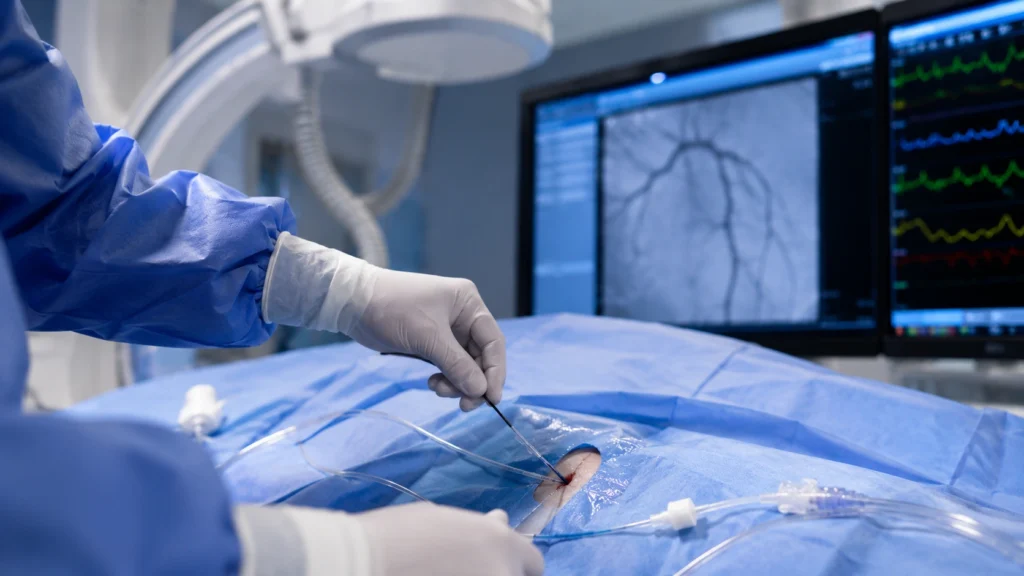
- Coronary angiography if a heart attack is suspected.
After stabilization
Once the person is stabilized, further tests may be done to find the cause and prevent recurrence.
- Long-term heart rhythm monitoring.
- Stress testing.
- Genetic testing if an inherited condition is suspected.
- Evaluation for coronary artery disease.
- Assessment of heart muscle function.
Treatment for Cardiac Arrest
Treatment happens in two phases: emergency resuscitation and post-resuscitation care.
Emergency treatment
- Immediate CPR by bystanders or first responders.
- Defibrillation to restore normal heart rhythm.
- Advanced airway management to support breathing.
- Medicines to support heart rhythm and blood pressure.
- Treatment of reversible causes such as electrolyte imbalance or drug overdose.
Hospital treatment after resuscitation
- Admission to intensive care unit for close monitoring.
- Controlled cooling of the body to protect the brain.
- Medicines to stabilize heart rhythm and blood pressure.
- Treatment of heart attack if present, including angioplasty or stenting.
- Management of complications such as brain injury, infection, or organ failure.
- Evaluation for long-term prevention such as an implantable defibrillator.
Long-term prevention
- Medicines to control heart rhythm and reduce risk.
- Implantable cardioverter defibrillator for high-risk patients.
- Treatment of underlying heart disease.
- Lifestyle changes to reduce risk factors.
- Regular follow-up with a cardiologist.
Recovery After Cardiac Arrest
Recovery depends on how quickly treatment was given, the cause of the arrest, and the person’s overall health.
Possible outcomes
- Full recovery with no long-term problems.
- Mild memory or concentration issues.
- Fatigue and reduced stamina.
- Emotional changes such as anxiety or depression.
- Physical weakness requiring rehabilitation.
- In some cases, long-term disability.
Rehabilitation support
- Cardiac rehabilitation to improve strength and endurance.
- Physical therapy for mobility and balance.
- Occupational therapy for daily activities.
- Psychological support for emotional recovery.
- Education for the patient and family about warning signs and prevention.
Importance of follow-up
Regular follow-up is essential to monitor heart function, adjust medicines, and reduce the risk of another event. Many patients benefit from long-term care with a cardiologist and a structured rehabilitation program.
Possible Complications
Cardiac arrest can lead to serious complications, especially if treatment is delayed.
Complications may include:
- Brain injury due to lack of oxygen.
- Memory and cognitive problems.
- Heart muscle damage.
- Recurrent abnormal heart rhythms.
- Heart failure.
- Kidney or liver injury from low blood flow.
- Lung complications from resuscitation.
- Infection after prolonged hospital stay.
- Emotional and psychological distress.
- Reduced quality of life in severe cases.
Why complications happen
When the heart stops, all organs are affected. The brain is the most sensitive to lack of oxygen. Even with successful resuscitation, some damage may have already occurred. That is why prevention and early action are so important.
When to Seek Medical Help
Immediate emergency care is needed for anyone who collapses and stops breathing normally.
- A person suddenly collapses.
- There is no response to touch or voice.
- Breathing is absent or only gasping.
- There is no pulse.
- The person turns blue or pale.
- There is sudden chest pain followed by collapse.
Prevention of Cardiac Arrest
Not all cases can be prevented, but risk can be reduced.
Prevention pointers
- Control high blood pressure, diabetes, and cholesterol.
- Stop smoking completely.
- Maintain a healthy weight.
- Follow a heart-healthy diet low in salt, sugar, and saturated fat.
- Exercise regularly as advised by a doctor.
- Limit alcohol intake.
- Avoid illicit drugs and stimulant misuse.
- Take prescribed heart medicines regularly.
- Get regular check-ups if you have heart disease.
- Learn CPR and encourage family members to do the same.
- Know where AEDs are located in public places.
For people with heart disease
- Follow all medical advice carefully.
- Attend regular cardiology appointments.
- Report new symptoms such as palpitations, fainting, or chest pain.
- Consider screening for rhythm problems if recommended.
- Discuss whether an implantable defibrillator is appropriate.
Why Choose Rama Hospital for Cardiac Arrest Care?
Cardiac arrest requires fast, expert, and coordinated emergency care. A hospital with experienced cardiologists, emergency physicians, and critical care teams can make a major difference in survival and recovery.
- Immediate access to emergency resuscitation and defibrillation.
- Advanced cardiac care and intensive monitoring.
- Expert cardiologists and cardiac surgeons.
- Facilities for angioplasty and advanced heart treatments.
- Cardiac rehabilitation and long-term follow-up.
- Support for patients and families after a cardiac event.
Frequently Asked Questions (FAQs)
Is cardiac arrest the same as a heart attack?
No, they are different. A heart attack is a circulation problem where blood flow to the heart is blocked. Cardiac arrest is an electrical problem where the heart stops beating. A heart attack can sometimes lead to cardiac arrest.
Can cardiac arrest be survived?
Yes, many people survive cardiac arrest if CPR and defibrillation are given quickly. Early action by bystanders greatly increases the chance of survival. Hospital care after resuscitation is also critical for recovery.
What should I do if someone collapses suddenly?
Check if they are responsive and breathing. If not, call emergency services immediately and start CPR. Use an AED if available. Continue CPR until help arrives or the person starts breathing.
Can young people have cardiac arrest?
Yes, although it is less common. In young people, it may be due to inherited heart conditions, congenital defects, or drug use. Unexplained fainting or family history of sudden death should be evaluated.
Does everyone need a defibrillator after cardiac arrest?
Not everyone, but many high-risk patients benefit from an implantable cardioverter defibrillator. This device can detect dangerous rhythms and deliver a shock to restore normal rhythm. The decision is made by a cardiologist.
Can cardiac arrest happen during sleep?
Yes, it can happen at any time, including during sleep. People with severe heart disease or rhythm disorders are at higher risk. Proper treatment and monitoring can reduce this risk.
How can I reduce my risk of cardiac arrest?
Control blood pressure, diabetes, and cholesterol. Stop smoking, maintain a healthy weight, exercise regularly, and take prescribed medicines. Learn CPR and encourage family members to do the same for emergency preparedness.
Conclusion
Cardiac arrest is a sudden, life-threatening emergency in which the heart stops pumping blood. Without immediate CPR and defibrillation, it can lead to brain damage or death within minutes. While it often happens without warning, many cases are linked to underlying heart disease or risk factors that can be managed.
The most important steps are recognizing the emergency, acting quickly, and getting expert hospital care. For people with heart disease, fainting episodes, or strong family history, medical evaluation and prevention strategies are essential. With timely treatment, rehabilitation, and long-term care, many patients can recover and reduce the risk of future events.
Rama Hospital can provide emergency cardiac arrest care, advanced heart treatments, and long-term follow-up to support recovery and prevention.