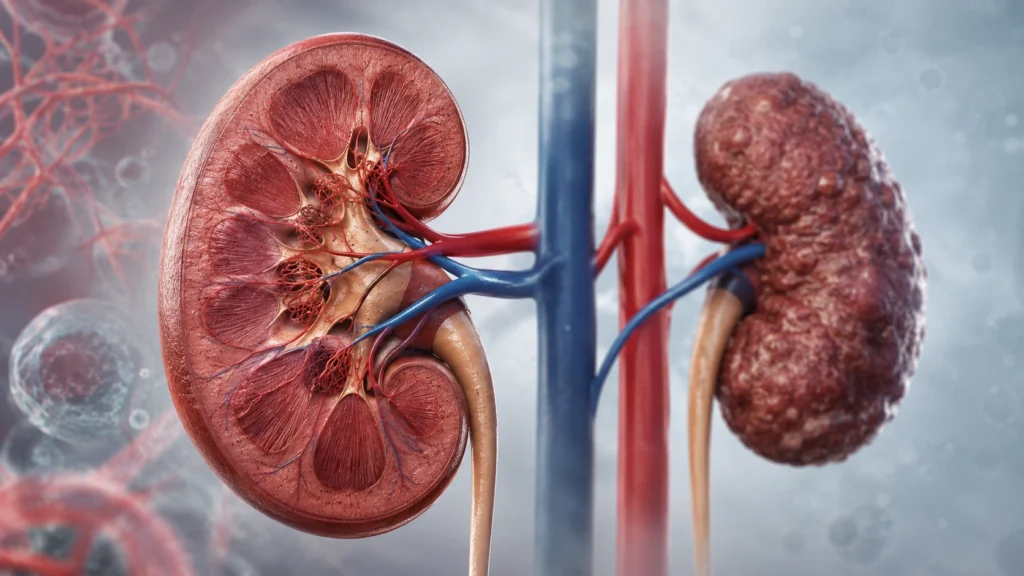
Your kidneys do something extraordinary every single day, they filter your entire blood supply dozens of times, removing waste, balancing fluids, and keeping your body in careful chemical equilibrium. Most of us never think about this. Until the kidneys stop working.
When kidney function drops to a critical level, whether from chronic kidney disease, acute kidney injury, or another serious condition, waste products and excess fluid start building up in the blood. Left untreated, this becomes life-threatening. The body needs help doing what the kidneys can no longer do on their own.
That’s exactly what dialysis provides. And intermittent peritoneal dialysis (IPD) is one of the oldest, most established, and most accessible forms of dialysis available, using the body’s own natural membrane to clean the blood, without the need for needles, blood pumps, or complex machinery.
What is intermittent peritoneal dialysis (IPD)?
Let’s break it down simply, because the name sounds complex but the concept is actually quite elegant.
Inside your abdomen, surrounding your digestive organs, is a thin, natural membrane called the peritoneum. This membrane is rich in tiny blood vessels, making it an excellent natural filter.
Peritoneal Dialysis uses this membrane as a dialysis filter, from inside your own body.
Here’s how:
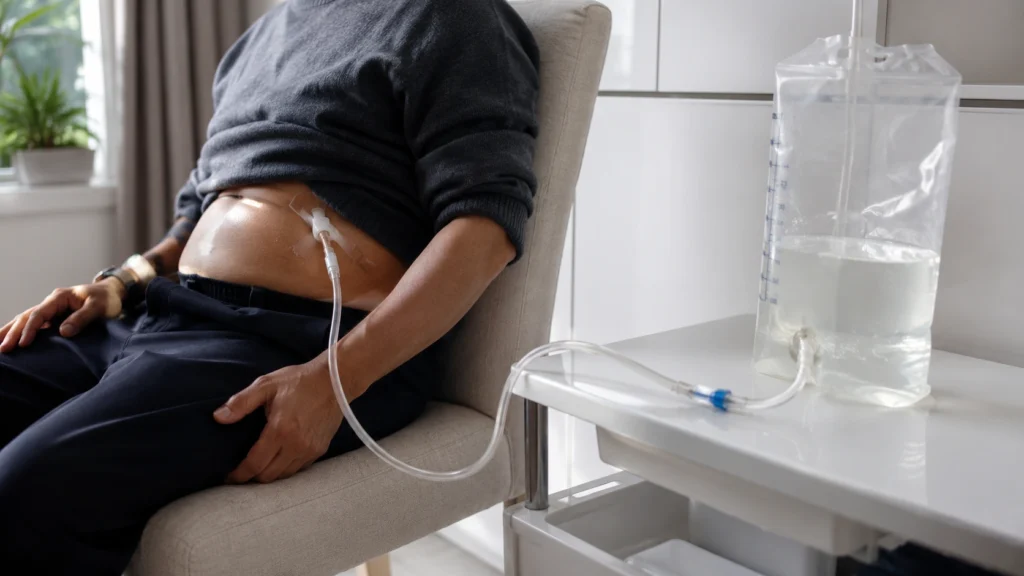
- A soft tube (catheter) is placed in the abdomen.
- A special dialysis fluid (dialysate) is filled into the abdomen.
- The fluid stays inside the abdomen for a few hours.
- During this time, it absorbs waste and extra fluid from the blood.
- The lining of the abdomen acts as a natural filter.
- The used fluid is then drained out.
- Fresh dialysis fluid is added again.
- This process of filling, waiting, and draining is called an exchange.
What makes it “intermittent”?
The word “Intermittent” refers to the schedule, intermittent peritoneal dialysis is performed in sessions, typically in a hospital or dialysis centre, rather than continuously at home. Sessions are usually conducted:
- Several times per week, typically 3 sessions per week.
- Each session lasting 8 to 10 hours.
- Multiple exchanges are performed during each session.
- Between sessions, no dialysis takes place, the patient goes about their normal daily life.
This distinguishes intermittent peritoneal dialysis from continuous ambulatory peritoneal dialysis (CAPD) and automated peritoneal dialysis (APD), which are home-based continuous forms of peritoneal dialysis.
What conditions are treated with IPD?
Intermittent peritoneal dialysis is primarily used for kidney failure, but it is appropriate for several different underlying conditions and clinical situations.
Chronic Kidney Disease (CKD): Stage 5 (End-Stage Renal Disease)
- The most common indication for intermittent peritoneal dialysis.
- When kidney function (eGFR) drops below 10–15% of normal, the kidneys can no longer sustain life without support.
- Intermittent peritoneal dialysis provides the regular blood cleaning that failing kidneys can no longer do.
- Used as a long-term kidney replacement therapy in patients waiting for a kidney transplant or for whom transplant is not an option.
Acute Kidney Injury (AKI)
- Sudden, rapid loss of kidney function, from severe infection, major surgery, trauma, toxic medications, or dehydration.
- Intermittent peritoneal dialysis can provide temporary support while the kidneys recover.
- Particularly valuable in settings where haemodialysis equipment or vascular access is not immediately available.
- The kidneys may recover fully once the underlying cause is treated.
Congestive heart failure with fluid overload
- Patients with severe heart failure who retain dangerous amounts of fluid and do not respond adequately to medications.
- Peritoneal dialysis can remove excess fluid (ultrafiltration) and relieve symptoms of fluid overload.
- Beneficial in patients for whom haemodialysis is difficult due to haemodynamic instability.
Drug and toxin overdose / poisoning
- Certain toxic substances that are water-soluble and not too tightly bound to proteins can be removed through peritoneal dialysis.
- Used in acute poisoning scenarios when other methods are not available or suitable.
Electrolyte and metabolic emergencies
- Dangerous levels of potassium (hyperkalaemia), acid (severe metabolic acidosis), or other electrolyte imbalances that are life-threatening.
- Intermittent peritoneal dialysis can correct these imbalances when medications alone are insufficient.
Neonatal and paediatric kidney failure
- Peritoneal dialysis: including intermittent peritoneal dialysis, is particularly well-suited for newborns and young children with kidney failure.
- Small, fragile blood vessels make vascular access for haemodialysis difficult in neonates.
- The peritoneal membrane in children is proportionally larger, making peritoneal dialysis highly efficient in this age group.
Patients unsuitable for haemodialysis
- Patients with severe cardiovascular instability who cannot tolerate the rapid fluid shifts of haemodialysis.
- Patients with difficult vascular access, where creating an arteriovenous fistula or placing a central line is not possible or has failed repeatedly.
- Patients with bleeding disorders or those on anticoagulation who cannot safely undergo haemodialysis.
Bridge to kidney transplant
- Intermittent peritoneal dialysis serves as effective kidney replacement therapy while a patient waits for a suitable kidney donor.
- Maintains the patient’s health and stability during the waiting period.
Who needs intermittent peritoneal dialysis treatment?
You may need intermittent peritoneal dialysis (IPD) if:
- Your kidneys have stopped working properly (Stage 5 CKD or ESRD).
- Your kidney function has fallen below 10–15%.
- You are waiting for a kidney transplant.
- You are not suitable for a kidney transplant right now.
- You have sudden kidney failure and need temporary dialysis.
- Your body is retaining excess fluid that medicines cannot remove.
- You have dangerously high potassium or other electrolyte problems.
- You are a child or newborn with kidney failure.
- Haemodialysis is not safe or suitable for you.
- You need regular dialysis while awaiting further treatment.
IPD may be preferred over haemodialysis if:
- You have serious heart problems.
- Your blood pressure is unstable.
- Suitable blood vessel access for haemodialysis is unavailable.
- You have a high risk of bleeding.
- You are a newborn or young infant with kidney disease.
- Haemodialysis facilities are not available nearby.
- Your doctor recommends a gentler form of dialysis.
What causes kidney failure requiring intermittent peritoneal dialysis?
Chronic Kidney Disease (CKD)
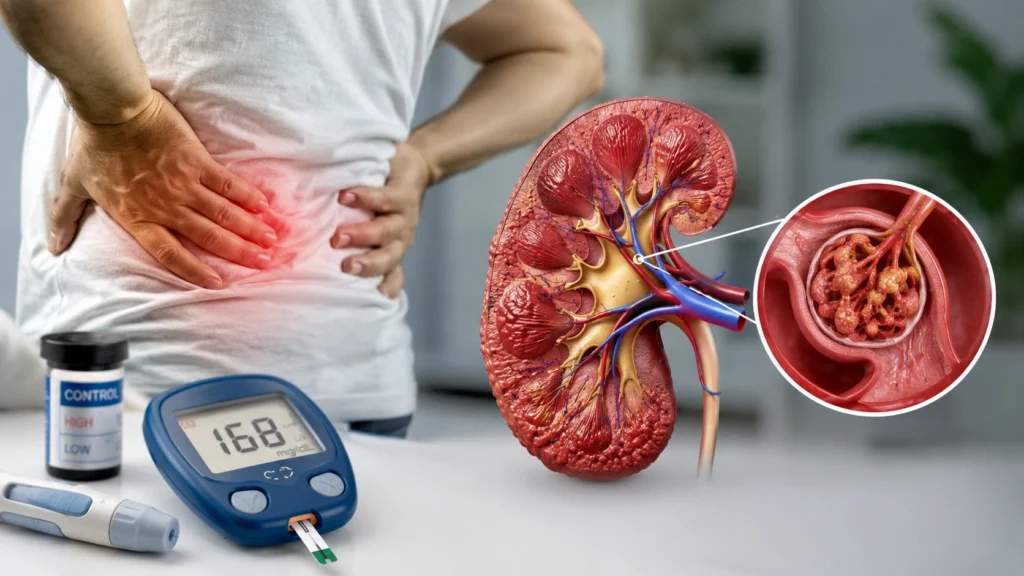
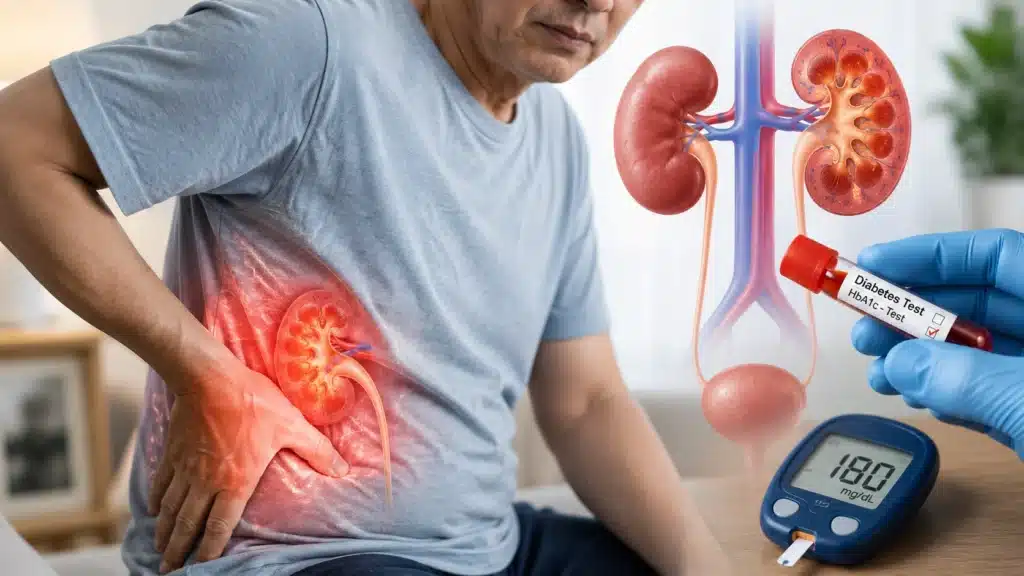
- Diabetes – High blood sugar slowly damages the kidneys over time.
- High Blood Pressure – Uncontrolled blood pressure weakens kidney function.
- Glomerulonephritis – Inflammation of the kidney filters affects their ability to work properly.
- Polycystic Kidney Disease (PKD) – A genetic condition where kidney cysts gradually damage the kidneys.
- Repeated Kidney Infections – Frequent infections can cause permanent kidney scarring.
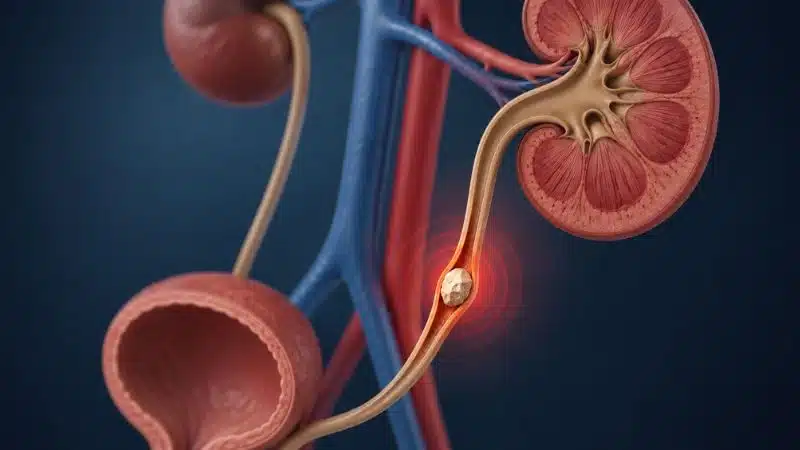
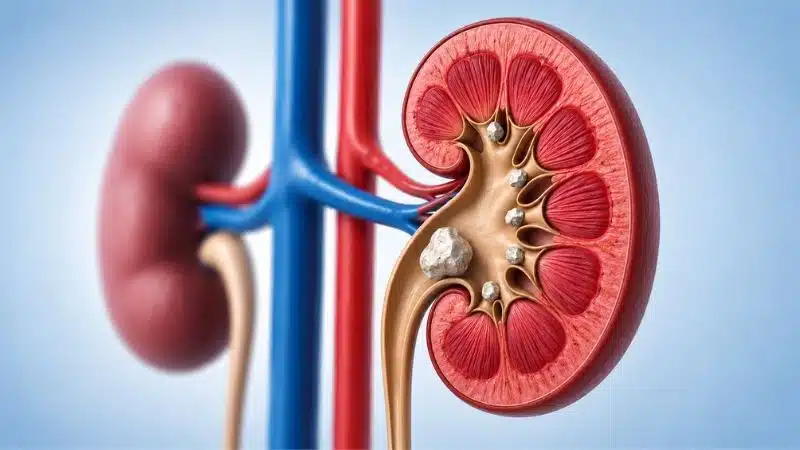
- Urinary Blockage – Kidney stones or enlarged prostate can prevent normal urine flow and damage the kidneys.
Acute Kidney Injury (AKI)
- Severe Infection (Sepsis) – Serious infections can suddenly reduce kidney function.
- Major Surgery or Trauma – Significant blood loss can affect kidney health.
- Contrast Dye Exposure – Some imaging dyes may temporarily damage the kidneys.
- Certain Medications – Some antibiotics, painkillers, and chemotherapy drugs can harm the kidneys.
- Severe Dehydration – Lack of fluids reduces blood flow to the kidneys.
Risk Factors for Kidney Disease
- Diabetes – The leading cause of kidney failure.
- High Blood Pressure – A major cause of long-term kidney damage.
- Family History – Kidney disease can run in families.
- Obesity – Excess weight increases stress on the kidneys.
- Smoking – Reduces blood flow and worsens kidney damage.
- Older Age – Kidney function naturally declines with age.
- Frequent Kidney Stones or UTIs – Repeated urinary problems can damage the kidneys.
- Long-Term Use of Painkillers – Certain medicines can harm the kidneys over time.
- Heart Disease – Poor heart health often affects kidney function.
- Previous Kidney Injury – A past kidney injury increases future risk of kidney disease.
How is kidney failure diagnosed?
At Rama Hospital, doctors use a combination of blood tests, urine tests, and imaging scans to assess kidney function and determine whether dialysis may be needed.
Blood Tests
- Serum Creatinine & eGFR – Measure how well the kidneys are filtering waste from the blood.
- Blood Urea Nitrogen (BUN) – Checks the level of waste products in the bloodstream.
- Potassium Test – Detects dangerous increases in potassium levels.
- Electrolyte Tests – Evaluate sodium, calcium, phosphate, and other important minerals.
- Complete Blood Count (CBC) – Identifies anaemia, which is common in advanced kidney disease.
- Parathyroid Hormone (PTH) Test – Assesses bone health affected by chronic kidney disease.
Urine Tests
- Urine Routine Examination – Checks for protein, blood, infection, or other abnormalities.
- Urine Protein-to-Creatinine Ratio (UPCR) – Measures the amount of protein leaking into the urine.
- 24-Hour Urine Collection – Provides a detailed assessment of kidney function and protein loss.
Imaging Tests
- Kidney Ultrasound – Examines kidney size, structure, stones, cysts, and blockages.
- CT Scan – Provides detailed images of the kidneys and urinary tract.
- Doppler Ultrasound – Evaluates blood flow to the kidneys.
Kidney Biopsy
- Kidney Biopsy – A small tissue sample is taken to identify the exact cause of kidney disease when needed.
What happens during intermittent peritoneal dialysis (IPD)?
Before your first IPD session
Catheter Placement
- A soft dialysis catheter is placed in your abdomen through a minor procedure.
- The catheter provides access to the abdominal cavity for dialysis.
- It is usually allowed to heal for 1–2 weeks before starting IPD.
- This healing period helps reduce the risk of infection and leakage.
Pre-Dialysis Assessment
- Blood pressure, pulse, weight, and temperature are checked.
- Blood test results are reviewed.
- Fluid balance and overall health are assessed.
- The dialysis plan is customized for your needs.
During the IPD session
IPD works through repeated cycles called exchanges.
Step 1: Fill
- Warm dialysis fluid is gently filled into the abdomen.
- The filling process usually takes 10–15 minutes.
Step 2: Dwell
- The fluid stays inside the abdomen for a set period.
- Waste products move from the blood into the fluid.
- Excess fluid is also removed during this stage.
Step 3: Drain
- The used fluid is drained out through the catheter.
- Draining usually takes 15–20 minutes.
Session Duration
- Multiple exchanges are performed during each session.
- A typical session lasts around 8–10 hours.
- Intermittent peritoneal dialysis is usually done 3–4 times per week.
- Patients can rest, read, watch TV, or sleep during treatment.
After the session
- The catheter is cleaned and secured.
- Weight and blood pressure are recorded.
- Fluid removal is assessed.
- Regular blood tests monitor treatment effectiveness.
- Most patients can return home the same day.
How is IPD effectiveness monitored?
- Kt/V Test: Measures how effectively waste is removed.
- PET Test: Evaluates how well the peritoneal membrane works.
- Blood Tests: Monitor kidney function and electrolyte levels.
- Fluid Monitoring: Ensures the right amount of fluid is removed.
- Regular Reviews: Help doctors adjust treatment when needed.
What are the benefits of intermittent peritoneal dialysis?
Intermittent peritoneal dialysis offers a number of meaningful advantages, particularly for specific patient groups:
- Uses the body’s natural abdominal lining to filter waste and fluid.
- No artificial kidney machine is needed during dialysis.
- Removes fluid slowly and gently, reducing stress on the heart.
- Better tolerated by patients with heart failure or unstable blood pressure.
- No needles are needed for every dialysis session.
- Does not require blood-thinning medicines during treatment.
- Helps preserve remaining kidney function for longer.
- A safe and effective option for children and newborns.
- Useful when haemodialysis machines are not available.
- Can support patients with acute kidney injury while kidneys recover.
- Helps remove excess fluid when heart failure medicines are not enough.
- Provides continuous and gentle waste removal from the body.
What are the risks and complications of intermittent peritoneal dialysis?
Intermittent peritoneal dialysis is a safe and well-established procedure, but like all dialysis modalities, it carries specific risks that are carefully monitored at Rama Hospital.
Peritonitis
- Infection inside the abdomen.
- Causes abdominal pain, fever, and cloudy dialysis fluid.
- May need antibiotics or catheter removal.
Catheter Problems
- Infection around the catheter site.
- Catheter can get blocked or move out of place.
- Dialysis fluid may leak from the catheter area.
Metabolic Problems
- Can increase blood sugar levels.
- May cause weight gain.
- Can lead to protein loss.
- May affect mineral and electrolyte levels.
Inadequate Dialysis
- Dialysis may become less effective over time.
- Waste products may not be removed properly.
Mechanical Problems
- Can increase the risk of hernia.
- May cause mild breathing discomfort.
Ultrafiltration Failure
- The body may stop removing extra fluid effectively.
- Can cause fluid buildup and swelling.
Tips for better management during intermittent peritoneal dialysis
Living well while on intermittent peritoneal dialysis requires active participation in your own care. These practical tips make a meaningful difference:
Catheter & hygiene care
- Keep the catheter site clean and dry.
- Wash your hands before touching the catheter.
- Avoid pulling, bending, or twisting the catheter.
- Report redness, swelling, pain, or discharge immediately.
Watch for signs of infection
- Cloudy dialysis fluid can be an early sign of infection.
- Report abdominal pain or tenderness promptly.
- Seek medical advice if you develop a fever.
Diet & fluid management
- Follow the diet plan recommended by your dietitian.
- Limit high-potassium foods such as bananas and potatoes.
- Reduce foods high in phosphorus like dairy products and soft drinks.
- Eat the recommended amount of protein.
- Follow your daily fluid restriction.
- Reduce salt intake to control blood pressure and swelling.
Take medicines as prescribed
- Take all medications on time every day.
- Do not stop or change medicines without consulting your doctor.
Monitor your weight
- Check your weight daily at the same time.
- Sudden weight gain may indicate fluid buildup.
- Sudden weight loss should also be reported.
Attend all dialysis sessions
- Never skip your dialysis treatments.
- Attend all scheduled follow-up visits and blood tests.
- Inform your doctor about any new symptoms or health changes.
Emotional wellbeing
- Feeling stressed or anxious during dialysis is common.
- Talk to your healthcare team if you need support.
- Stay positive and focus on healthy daily habits.
- Connect with others who are on dialysis for encouragement and support.
Why choose Rama Hospital for intermittent peritoneal dialysis?
Managing kidney failure is a long-term commitment that requires a hospital and team you can truly trust. Here’s why patients across India choose Rama Hospital for their peritoneal dialysis and kidney care:
- Experienced nephrologists providing expert kidney care.
- Dedicated dialysis unit with advanced facilities and trained staff.
- Complete kidney care from diagnosis to long-term management.
- Early CKD treatment to help slow disease progression.
- Personalized diet and nutrition guidance for kidney patients.
- Support for managing anaemia, bone health, and heart-related risks.
- Regular monitoring to ensure safe and effective treatment.
- Compassionate care focused on patient comfort and wellbeing.
- Multidisciplinary team approach for better treatment outcomes.
When should you to see a doctor?
See a nephrologist promptly if:
- You have diabetes or high blood pressure and have never checked your kidney health.
- Your urine looks foamy, dark, or changes in amount.
- You have swelling in your feet, ankles, or around your eyes.
- You often feel tired, weak, or short of breath.
- Your blood tests show abnormal kidney function results.
- You have a family history of kidney disease.
- Your blood pressure remains high despite treatment.
- You have recurring kidney stones or urinary problems.
- You have been told your kidney function is declining.
- You want a kidney health check-up due to ongoing symptoms.
Frequently Asked Questions (FAQs)
Is IPD painful?
The IPD procedure itself is generally not painful once the catheter is properly placed and healed. You may feel mild discomfort or a sensation of fullness when the dialysate is filling the abdomen, this is normal and usually settles quickly. The catheter insertion is a minor procedure performed under anaesthesia, so you feel nothing during placement.
How is IPD different from CAPD?
Both IPD and CAPD are types of peritoneal dialysis that use the same process to remove waste and excess fluid from the body. The main difference is that IPD is performed in scheduled sessions at a hospital or dialysis centre, while CAPD is done at home through regular fluid exchanges throughout the day, providing continuous dialysis.
How long will I need to be on IPD?
The duration of IPD depends on the underlying kidney condition. In acute kidney injury, IPD is usually temporary and continues until kidney function recovers. In chronic kidney disease or end-stage renal disease (ESRD), IPD is a long-term treatment that continues unless a kidney transplant is performed.
Can I eat normally while on IPD?
No, you cannot eat everything while on dialysis. Your diet needs careful adjustments to protect your health. You may need to limit potassium-rich foods, reduce phosphorus intake, control fluid consumption, and cut down on salt.
Can I travel while on IPD?
Travel is possible for IPD patients, but requires careful advance planning. You will need to arrange IPD sessions at a dialysis facility near your destination.
What happens if I get peritonitis?
Peritonitis is the most important complication of peritoneal dialysis. If suspected, typically indicated by cloudy drainage fluid, abdominal pain, or fever, you should contact Rama Hospital immediately. A sample of the drained fluid will be sent for culture.
Conclusion
Intermittent Peritoneal Dialysis may not be as widely discussed as haemodialysis, but for the right patients, it is a profoundly valuable and effective form of kidney replacement therapy. It uses the body’s own natural membrane, requires no needles for each session, is gentler on the heart, and can be life-saving in acute situations where other forms of dialysis are not available or suitable.
At Rama Hospital, our nephrology team brings together clinical expertise, a dedicated dialysis facility, and genuine compassion to provide IPD as part of a comprehensive, personalised kidney care programme. From the very first consultation through to long-term dialysis management or transplant preparation, we are with our patients every step of the way.