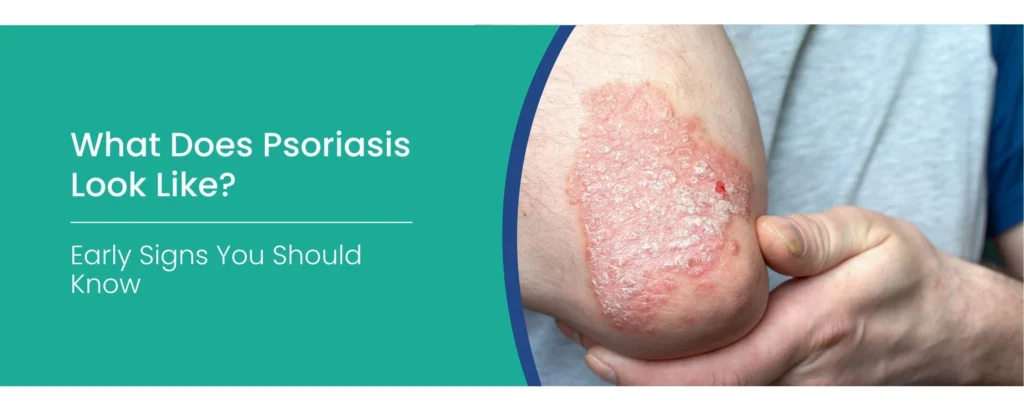
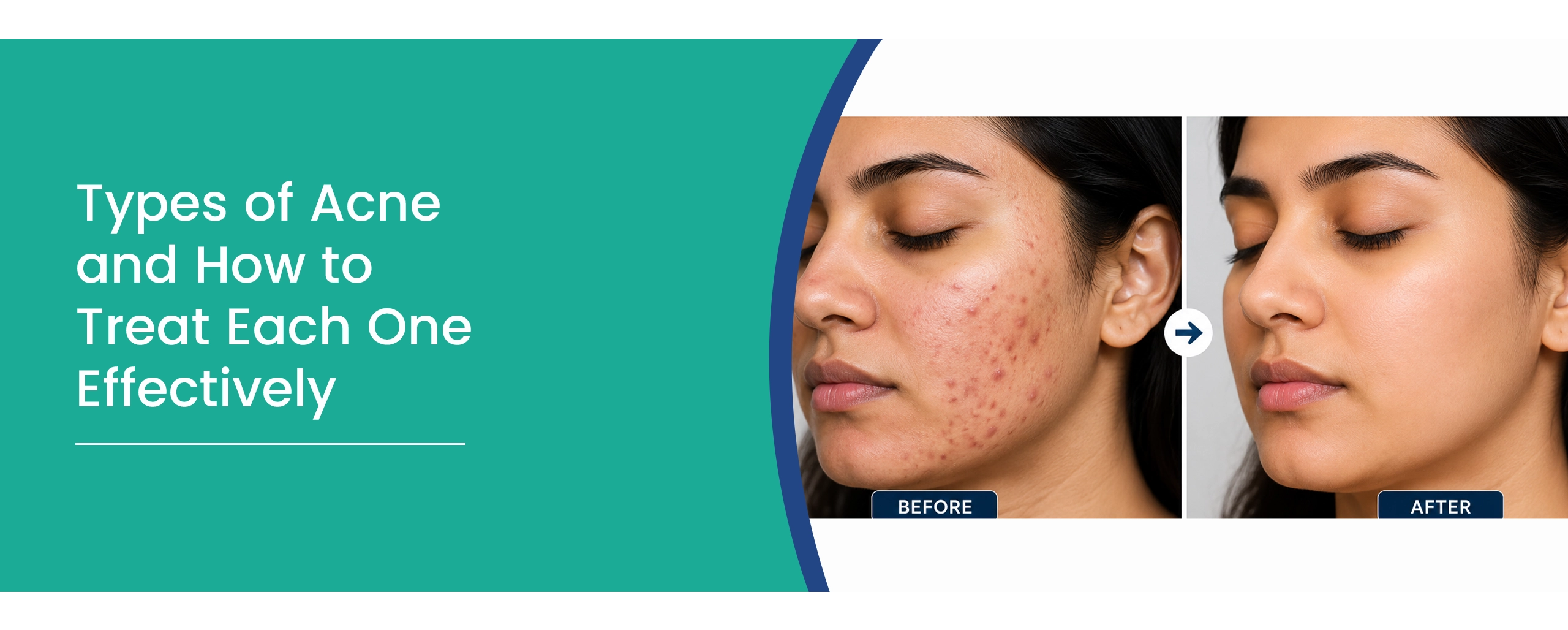
Acne is one of the most common skin conditions, affecting teenagers and adults alike. While many people assume all pimples are the same, there are actually several Types of Acne, each requiring a different treatment approach. Understanding the Types of Acne is the first step toward clearer, healthier skin and preventing permanent scarring.
In this guide, we’ll explore the Types of Acne, Acne Symptoms, what causes acne, How to Treat Acne, and effective Acne Treatment options, including laser treatment for acne scars.
What Causes Acne?
Before learning about the Types of Acne, it’s important to understand what causes acne. Acne develops when hair follicles become clogged with excess oil (sebum), dead skin cells, and bacteria. Several factors contribute to acne, including:
- Excess oil production
- Hormonal changes during puberty, pregnancy, or PCOS
- Genetics
- Stress
- Certain medications
- Oily skincare products
- High-glycaemic diets in some individuals
Identifying what causes acne can help dermatologists recommend the most effective treatment.
Acne Symptoms
Recognizing Acne Symptoms early helps prevent worsening of the condition. Common Acne Symptoms include:
- Whiteheads
- Blackheads
- Small red bumps
- Pus-filled pimples
- Painful nodules
- Deep cysts
- Skin redness and inflammation
- Acne scars and pigmentation
The severity of Acne Symptoms varies depending on the Types of Acne you have.
Types of Acne
There are several Types of Acne, and each affects the skin differently. Understanding these Different Types of Acne allows for more targeted treatment.

| Types of Acne | Description | Common Symptoms | Recommended Treatment |
| Whiteheads (Closed Comedones) | Form when pores become clogged with oil and dead skin cells but remain closed. | • Small white bumps • Usually painless • Common on the forehead, chin, and cheeks | • Salicylic acid cleansers • Topical retinoids • Gentle exfoliation |
| Blackheads (Open Comedones) | Occur when clogged pores remain open, causing oxidation that turns the surface black. | • Small black spots on the skin • Mostly appear on the nose, forehead, and chin | • Salicylic acid • Retinoid creams • Professional extraction by a dermatologist |
| Papules | Inflamed, red bumps without pus caused by bacterial infection and inflammation. | • Small red, tender bumps • Painful to touch • No visible pus | • Benzoyl peroxide • Topical antibiotics • Prescription retinoids |
| Pustules | Inflamed pimples filled with pus, commonly referred to as “zits.” | • Red bumps with white or yellow pus • Tender and inflamed | • Topical antibiotics • Avoid squeezing to prevent scars |
| Nodules | Severe acne lesions that develop deep beneath the skin and can be painful. | • Large, painful lumps • Long healing time • High risk of scarring | • Oral medications • Dermatologist supervision |
| Cystic Acne | The most severe form of acne, characterised by deep, pus-filled cysts and intense inflammation. | • Painful, pus-filled cysts • Extensive inflammation • Permanent acne scars if untreated | • Prescription medications • Hormonal therapy (when appropriate) • Oral isotretinoin • Professional dermatology care |
Types of Acne on Face
The location of acne breakouts on your face can provide valuable clues about the underlying cause. While acne mapping is not a definitive diagnostic tool, it can help identify lifestyle, hormonal, or skincare factors contributing to your breakouts. Understanding the Types of Acne on Face also helps dermatologists recommend the most effective treatment plan.
Forehead: Whiteheads and Blackheads
The forehead is part of the skin’s “T-zone,” which contains a high concentration of sebaceous (oil) glands. Excess sebum production, combined with sweat, dirt, and dead skin cells, can clog pores, leading to whiteheads and blackheads. Wearing helmets, caps, or headbands, using oily hair products, and not cleansing the skin after exercise can also contribute to forehead acne.
Cheeks: Papules, Pustules, and Inflammatory Acne
Acne on the cheeks is commonly associated with bacterial buildup, friction, and environmental factors. Frequent touching of the face, using mobile phones against the skin, dirty pillowcases, makeup residue, and pollution can trigger inflammatory acne such as papules and pustules. Individuals with sensitive or acne-prone skin may experience redness and irritation in this area more frequently.
Chin & Jawline: Hormonal Acne
Breakouts around the chin and jawline are often linked to hormonal fluctuations. These Types of Acne are commonly seen during puberty, menstruation, pregnancy, menopause, or in conditions such as Polycystic Ovary Syndrome (PCOS). Hormonal acne usually appears as painful, deep pimples or cysts that recur in the same area and may require specialised medical treatment.
Nose: Blackheads and Enlarged Pores
The nose contains numerous oil glands, making it especially prone to excess sebum production. This often results in blackheads, clogged pores, and enlarged pores. Inadequate cleansing, heavy cosmetic products, and excessive oil production can worsen acne in this area. Regular exfoliation and oil-control skincare can help reduce blackheads.
Temple Area: Acne Caused by Hair Products and Friction
Acne around the temples may develop due to the use of oily hair products, styling gels, hair sprays, or conditioners that come into contact with the skin. Friction from helmets, hats, headbands, or tight-fitting sports gear can also irritate the skin and block pores, leading to breakouts. Keeping hair products away from the face and maintaining good hygiene can help prevent temple acne.
Recognizing the Types of Acne on Face helps dermatologists choose the right Acne Treatment plan.
Different Types of Acne and Their Treatments
Each of the Different Types of Acne requires a personalised treatment approach.
| Types of Acne | Recommended Acne Treatment |
| Whiteheads | Salicylic acid, retinoids |
| Blackheads | Chemical exfoliation, retinoids |
| Papules | Topical antibiotics |
| Pustules | Combination topical therapy |
| Nodules | Oral medication, dermatologist care |
| Cystic Acne | Hormonal therapy, procedures |
Understanding these Different Types of Acne improves treatment success and reduces scarring.
How To Identify Your Acne?
If you’re unsure about the Types of Acne, ask yourself:
- Are the bumps white or black?
- Are they painful?
- Is there visible pus?
- Are they deep beneath the skin?
- Do they leave scars?
- Do breakouts occur around hormonal cycles?
A dermatologist can accurately diagnose the Types of Acne and recommend the most suitable Acne Treatment.
How to Treat Different Acne Types
Learning How to Treat Acne begins with identifying the correct Types of Acne.
| Acne Severity | Common Types of Acne | Recommended Treatment |
| Mild Acne | Whiteheads and Blackheads | • Salicylic acid cleanser • Retinoid cream • Oil-free moisturiser • Broad-spectrum sunscreen (SPF 30 or higher) |
| Moderate Acne | Papules and Pustules | • Topical antibiotics • Retinoids • Professional chemical peels, if required |
| Severe Acne | Nodules and Cystic Acne | • Oral antibiotics • Hormonal therapy (when appropriate) • Dermatologist-guided treatment and regular follow-up |
Understanding How to Treat Acne early reduces complications and improves long-term skin health.
Acne Treatment Options
Modern Acne Treatment depends on the severity and Types of Acne. Common Acne Treatment options include:
- Medicated face washes
- Topical retinoids
- Oral antibiotics
- Hormonal medications
- Chemical peels
- Comedone extraction
- Light and laser therapies
The best Acne Treatment plan is always personalised based on your skin type and acne severity.
Laser Treatment for Acne Scars
Even after acne clears, scars may remain. Laser treatment for acne scars is an advanced solution for improving Laser Treatment for Acne Scars
Even after active acne has healed, it can leave behind scars that affect the skin’s texture and appearance. Laser treatment for acne scars is a safe, minimally invasive procedure that uses targeted laser energy to stimulate the skin’s natural healing process. By promoting collagen and elastin production, laser therapy helps repair damaged skin, smooth uneven texture, and improve the overall appearance of acne scars.
The type of laser recommended depends on the depth and severity of the scars, your skin type, and your treatment goals. Most patients require multiple sessions for optimal results, with noticeable improvements developing gradually as new collagen forms.
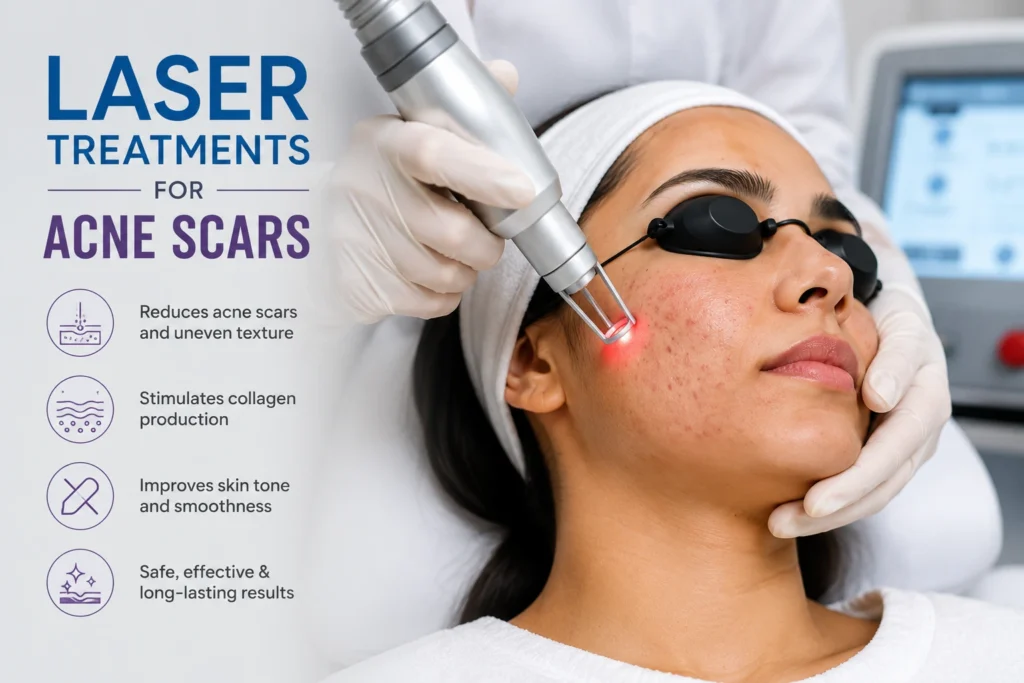
Benefits of Laser Treatment for Acne Scars
- Stimulates Collagen Production: Encourages the formation of new collagen and elastin, helping repair damaged skin from within.
- Reduces Deep Acne Scars: Improves the appearance of rolling, boxcar, and shallow atrophic acne scars by resurfacing the skin.
- Improves Skin Texture: Smoothens rough, uneven skin and enhances overall skin quality.
- Minimises Pigmentation: Helps reduce post-acne dark spots (post-inflammatory hyperpigmentation) and promotes a more even skin tone.
- Refines Enlarged Pores: Laser resurfacing can reduce the appearance of enlarged pores often associated with acne-prone skin.
- Enhances Skin Radiance: Promotes healthier, fresher-looking skin with improved clarity and brightness.
- Minimal Downtime: Most modern fractional laser treatments involve relatively short recovery periods, allowing patients to resume daily activities quickly.
- Long-Lasting Results: With proper skincare and sun protection, the improvements achieved through laser treatment can be maintained for years.
- Customised Treatment: Laser settings can be tailored to different skin types, scar depths, and individual concerns for optimal results.
- Safe and Effective: When performed by an experienced dermatologist, laser treatment is a clinically proven option for improving acne scars with a high safety profile.
Note: Laser treatment is generally recommended after active acne has been brought under control. A dermatologist will assess your skin type, scar severity, and medical history to determine the most appropriate laser technology and treatment plan for the best possible outcome.
General Acne Treatment and Prevention Tips
Regardless of the Types of Acne, these skincare habits can help:
- Wash your face twice daily with a gentle cleanser.
- Avoid picking or squeezing pimples.
- Use non-comedogenic skincare products.
- Apply sunscreen every day.
- Stay hydrated.
- Eat a balanced diet rich in fruits and vegetables.
- Remove makeup before sleeping.
- Follow your dermatologist’s treatment consistently.
Good skincare habits support every Acne Treatment plan and reduce future breakouts.
When To Visit A Dermatologist?
Consult a dermatologist if:
- Acne persists despite over-the-counter products.
- You have painful cysts or nodules.
- Acne leaves scars or dark spots.
- Breakouts are affecting your confidence.
- You experience severe Acne Symptoms.
- You are unsure about the Types of Acne you have.
Early treatment prevents complications and delivers better long-term results.
Conclusion
Understanding the Types of Acne is essential for choosing the right Acne Treatment and preventing long-term skin damage. Whether you have whiteheads, blackheads, papules, pustules, nodules, or cystic acne, early diagnosis and personalised care can significantly improve your skin health and reduce the risk of permanent scarring. If you’re experiencing persistent Acne Symptoms, are unsure what causes acne, or need expert guidance on How to Treat Acne, consult a qualified dermatologist. Timely treatment, combined with advanced solutions such as laser treatment for acne scars, can help restore clear, healthy, and confident skin. If you’re looking for the Best Acne Treatment Hospital in Noida, choose a hospital with experienced dermatologists, advanced diagnostic facilities, and personalised treatment plans to ensure the best possible outcomes for every type of acne.
Frequently Asked Questions
Can different types of Acne occur together?
Yes. Many people have multiple types of Acne at the same time, such as blackheads, whiteheads, and inflammatory pimples.
What is the best Acne Treatment?
The best Acne Treatment depends on the Types of Acne, skin type, age, and severity. A dermatologist can create a personalised treatment plan.
Is laser treatment for acne scars permanent?
Laser treatment for acne scars provides long-lasting improvement, although multiple sessions may be required depending on the depth of scars.
How do I know how to treat acne?
The first step in How to Treat Acne is identifying the Types of Acne. Mild acne often responds to topical medications, while severe acne requires prescription treatment.