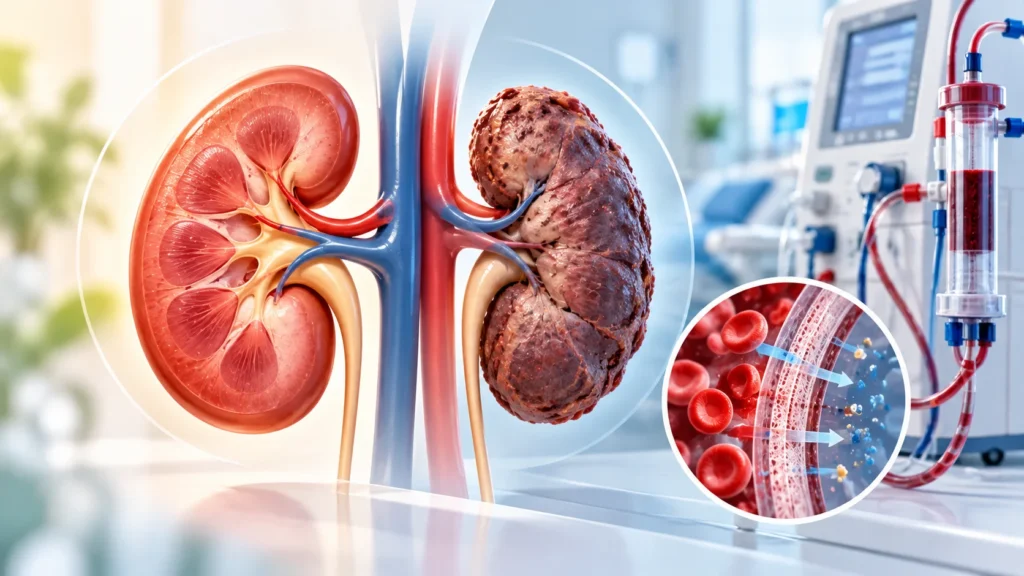
End Stage Renal Disease, often called ESRD or kidney failure, is the most advanced stage of chronic kidney disease. At this stage, the kidneys have lost almost all of their ability to function. They can no longer filter waste, remove excess fluid, balance salts, or regulate important hormones needed for blood pressure, red blood cell production, and bone health. Without treatment, this condition becomes life-threatening.
ESRD does not happen suddenly in most cases. It usually develops over years as a result of long-standing diabetes, high blood pressure, chronic kidney infections, autoimmune diseases, or other kidney disorders. Many people do not realize they have kidney disease until it reaches an advanced stage because early symptoms are often mild or absent. By the time symptoms become severe, the kidneys may already be significantly damaged.
What is End Stage Renal Disease?
End Stage Renal Disease is the final stage of chronic kidney disease. In this stage, kidney function falls to less than 15 percent of normal. The medical term for this level of function is an eGFR below 15. At this point, the kidneys cannot sustain life on their own.
The kidneys normally perform many essential functions. They filter waste products and toxins from the blood. They remove extra fluid and prevent swelling. They help control blood pressure. They produce hormones that support red blood cell formation and bone strength. When kidneys fail, all these functions are affected.
ESRD is different from acute kidney injury, which is a sudden loss of function that may recover. ESRD is usually permanent and requires long-term treatment such as dialysis or kidney transplant to sustain life.
Stages of Chronic Kidney Disease
Understanding ESRD is easier when seen as part of the broader spectrum of chronic kidney disease.
- Stage 1: Kidney damage with normal or near-normal function.
- Stage 2: Mild reduction in kidney function.
- Stage 3: Moderate reduction in kidney function, often split into 3a and 3b.
- Stage 4: Severe reduction in kidney function, preparing for renal replacement therapy.
- Stage 5: End Stage Renal Disease, where dialysis or transplant is needed.
Not everyone with early kidney disease progresses to ESRD. With proper treatment, blood pressure and sugar control, and lifestyle changes, progression can often be slowed or delayed.
Causes of End Stage Renal Disease
ESRD has many possible causes, but some are far more common than others.
Common causes include:
- Long-standing diabetes, which damages the small blood vessels in the kidneys.
- Uncontrolled high blood pressure, which strains and scars kidney tissue.
- Chronic glomerulonephritis, an inflammation of the kidney filters.
- Polycystic kidney disease, a genetic condition causing multiple cysts in the kidneys.
- Repeated kidney infections or chronic pyelonephritis.
- Long-term obstruction of urine flow due to stones, prostate enlargement, or strictures.
- Autoimmune diseases such as lupus nephritis.
- Long-term use of certain painkillers or kidney-toxic medicines.
- Severe reflux of urine from bladder to kidneys.
- Congenital kidney abnormalities present from birth.
Why these conditions lead to ESRD
Diabetes and high blood pressure are the leading causes worldwide. Over time, high sugar and high pressure damage the delicate filtering units in the kidneys. Scarring replaces healthy tissue, and function gradually declines. Other diseases directly inflame or block the kidney structures, leading to similar outcomes.
Risk Factors for ESRD
Some people are more likely to develop end stage renal disease than others.
Higher-risk groups
- People with long-standing diabetes.
- Patients with uncontrolled high blood pressure.
- Individuals with a family history of kidney disease.
- Older adults.
- People with obesity and metabolic syndrome.
- Smokers.
- Patients with heart disease or vascular disease.
- People with recurrent kidney stones or infections.
- Individuals with autoimmune disorders.
- Patients taking long-term nephrotoxic medicines.
Why risk increases in these groups
- Diabetes and hypertension directly damage kidney filters.
- Aging reduces kidney reserve and repair capacity.
- Obesity increases strain on the kidneys.
- Smoking reduces blood flow and oxygen to kidney tissue.
- Genetic conditions predispose to structural kidney problems.
- Chronic inflammation from autoimmune disease harms kidney tissue.
Symptoms of End Stage Renal Disease
Symptoms of ESRD result from the buildup of waste products, excess fluid, and imbalance of salts and hormones.
Common symptoms include:
- Severe fatigue and weakness.
- Loss of appetite.
- Nausea and vomiting.
- Swelling in legs, ankles, or around the eyes.
- Shortness of breath due to fluid in the lungs.
- Reduced urine output or very dark urine.
- Itching of the skin.
- Muscle cramps.
- Difficulty concentrating.
- Sleep disturbances.
- High blood pressure that is hard to control.
- Pale skin due to anemia.
- Bone pain or fractures in advanced cases.
- Metallic taste in the mouth.
- Ammonia-like breath odor.
Symptoms that need urgent attention
- Severe breathlessness.
- Chest pain or palpitations.
- Confusion or altered consciousness.
- Very little or no urine output.
- Severe swelling with difficulty breathing.
- Persistent vomiting preventing fluid or medicine intake.
How is End Stage Renal Disease Diagnosed?
Diagnosis is based on symptoms, physical examination, blood tests, urine tests, and imaging.
Diagnostic steps
- Detailed history of diabetes, blood pressure, and kidney problems.
- Review of medicines and supplements.
- Family history of kidney disease.
- Physical examination for swelling, blood pressure, and signs of anemia.
- Blood tests to measure kidney function.
- Urine tests to check protein, blood, and infection.
- Imaging to assess kidney size and structure.
Common tests that may be done
- Serum creatinine to assess waste buildup.
- eGFR to estimate kidney function.
- Blood urea nitrogen.
- Electrolytes such as sodium, potassium, and bicarbonate.
- Hemoglobin to check for anemia.
- Calcium, phosphate, and parathyroid hormone for bone health.
- Urine albumin or protein-to-creatinine ratio.
- Ultrasound of kidneys and urinary tract.
- Sometimes kidney biopsy if the cause is unclear.
Why diagnosis matters
Accurate diagnosis helps determine the cause, stage, and best treatment plan. It also helps prepare the patient for dialysis or transplant in a timely manner, which improves outcomes.
Treatment for End Stage Renal Disease
ESRD requires renal replacement therapy to sustain life. The main options are dialysis and kidney transplant. Supportive care is also essential.
1. Dialysis
Dialysis is a treatment that performs some of the functions of healthy kidneys. It removes waste, extra fluid, and balances salts in the blood.
Hemodialysis
- Blood is filtered through a machine using a special filter called a dialyzer.
- Usually done three times a week in a dialysis center.
- Each session lasts about three to five hours.
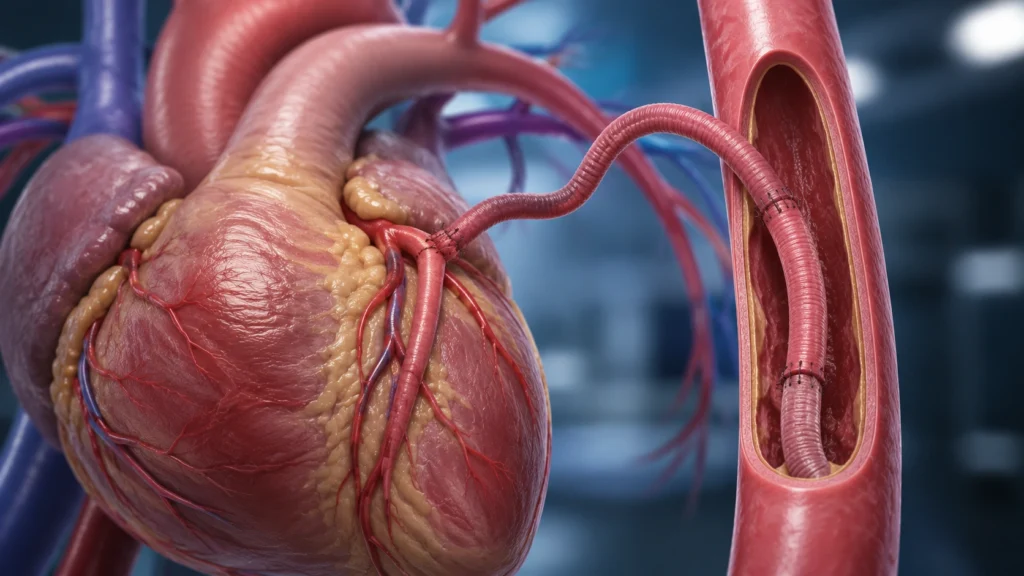
- Requires a vascular access such as an arteriovenous fistula, graft, or catheter.
- Helps control fluid, electrolytes, and waste levels.
Peritoneal dialysis
- Uses the lining of the abdomen as a natural filter.
- A soft catheter is placed in the abdomen.
- Dialysis fluid is introduced and removed several times a day or overnight.
- Can be done at home by trained patients or caregivers.
- Offers more flexibility for some lifestyles.
2. Kidney Transplant
Kidney transplant is often the best long-term treatment for suitable candidates.
- A healthy kidney from a living or deceased donor is surgically placed in the patient.
- The new kidney takes over the function of the failed kidneys.
- Patients need lifelong medicines to prevent rejection.
- Transplant can improve quality of life and survival compared to dialysis.
- Not everyone is eligible due to age, other illnesses, or surgical risk.
3. Supportive and Conservative Care
Some patients may choose conservative management without dialysis or transplant.
- Focuses on symptom control and quality of life.
- Includes medicines for anemia, bone health, blood pressure, and fluid balance.
- Diet and fluid restrictions are important.
- Palliative care support may be offered.
- Suitable for patients with severe comorbidities or personal preference.
4. Management of Complications
ESRD affects many body systems, so comprehensive care is needed.
- Treatment of anemia with iron and erythropoietin.
- Control of high phosphate and low calcium.
- Vitamin D and related medicines for bone health.
- Blood pressure management with safe medicines.
- Fluid management to prevent overload or dehydration.
- Vaccinations to reduce infection risk.
- Regular monitoring of heart health.
Diet and Lifestyle Support for ESRD
Diet plays a major role in managing symptoms and complications of ESRD.
Dietary pointers
- Limit salt to control blood pressure and swelling.
- Control fluid intake as advised by the nephrologist.
- Adjust protein intake based on dialysis status.
- Limit high-potassium foods if potassium is high.
- Limit high-phosphate foods such as certain dairy, nuts, and processed foods.
- Choose fresh, home-cooked meals over processed items.
- Avoid over-the-counter painkillers and herbal supplements without advice.
- Maintain adequate calories to prevent malnutrition.
Lifestyle measures
- Follow dialysis schedule strictly.
- Take all prescribed medicines regularly.
- Monitor blood pressure at home if advised.
- Keep vaccination status up to date.
- Avoid smoking and limit alcohol.
- Maintain gentle physical activity as tolerated.
- Attend all follow-up appointments.
Possible Complications of ESRD
ESRD affects almost every system in the body.
Common complications
- Anemia causing fatigue and weakness.
- Bone disease leading to pain and fractures.
- High potassium causing heart rhythm problems.
- Fluid overload causing breathlessness and swelling.
- High blood pressure increasing heart and stroke risk.
- Infections due to weakened immunity.
- Nerve damage causing numbness or tingling.
- Heart disease and heart failure.
- Malnutrition and weight loss.
- Depression and reduced quality of life.
- Pregnancy complications in women of childbearing age.
Why complications happen
Waste buildup, fluid imbalance, and hormone deficiencies affect the heart, bones, nerves, blood, and immune system. Dialysis and medicines help, but careful monitoring is essential.
When to See a Doctor
Early nephrology care can delay progression and prepare for ESRD treatment.
- Long-standing diabetes or high blood pressure.
- Protein in urine or abnormal kidney tests.
- Swelling in legs or around eyes.
- Reduced urine output.
- Unexplained fatigue or anemia.
- Family history of kidney disease.
- Recurrent kidney stones or infections.
Prevention of Progression to ESRD
Not all kidney disease progresses to ESRD. Early and consistent care can slow or prevent this.
Prevention pointers
- Control blood sugar tightly if diabetic.
- Keep blood pressure within target range.
- Take kidney-protective medicines as prescribed.
- Avoid unnecessary painkillers and contrast dyes.
- Treat urinary infections promptly.
- Maintain healthy weight and active lifestyle.
- Stop smoking.
- Limit salt and processed foods.
- Get regular kidney function tests if at risk.
- Follow up with a nephrologist for abnormal tests.
Why Choose Rama Hospital for ESRD Care?
End Stage Renal Disease needs comprehensive, long-term care from a skilled nephrology team. A hospital with advanced dialysis services, transplant evaluation, and supportive care can significantly improve outcomes and quality of life.
- Expert nephrologists and dialysis specialists.
- Modern hemodialysis and peritoneal dialysis services.
- Transplant evaluation and coordination.
- Management of anemia, bone disease, and heart risks.
- Dietician and counselor support.
- Emergency care for complications.
Frequently Asked Questions (FAQs)
Can ESRD be cured?
ESRD itself cannot be cured because kidney damage is usually permanent. However, kidney transplant can replace kidney function. Dialysis can sustain life by performing some kidney functions. Early care can delay progression to ESRD.
How long can a person live on dialysis?
Many people live for years on dialysis with good care. Survival depends on age, other health conditions, and how well complications are managed. Some patients live ten years or more, while others may have shorter survival due to heart or other diseases.
Is kidney transplant better than dialysis?
For suitable candidates, kidney transplant often offers better quality of life and longer survival than long-term dialysis. However, transplant requires surgery, lifelong medicines, and careful follow-up. Not everyone is eligible, so dialysis remains essential for many.
What foods should ESRD patients avoid?
Patients are often advised to limit salt, high-potassium foods, high-phosphate foods, and excess fluid. Processed foods, certain dairy products, nuts, and some fruits may need restriction. A renal dietician can provide a personalized diet plan.
Can diabetes cause ESRD?
Yes, diabetes is one of the leading causes of ESRD worldwide. High blood sugar damages kidney filters over time. Good sugar control, blood pressure management, and regular kidney tests can reduce this risk.
How often is dialysis needed?
Hemodialysis is usually done three times a week in a center. Peritoneal dialysis is done daily at home, either manually several times a day or overnight with a machine. The schedule depends on the type of dialysis and patient needs.
Can ESRD patients work or travel?
Many ESRD patients continue to work and travel with proper planning. Dialysis schedules need to be coordinated, and transplant patients need access to medicines and follow-up. With support, many lead active and productive lives.
Conclusion
End Stage Renal Disease is a serious, life-altering condition, but it can be managed with modern medical care. Dialysis and kidney transplant allow many patients to live for years with reasonable quality of life. Early diagnosis, proper treatment of diabetes and blood pressure, and regular kidney monitoring can delay or prevent progression to ESRD.
The most important steps are timely nephrology care, adherence to dialysis or transplant plans, strict control of related conditions, and strong diet and lifestyle support. For patients with advanced kidney disease, breathlessness, swelling, or abnormal kidney tests, specialist evaluation can make a major difference. With comprehensive care, patients and families can navigate ESRD with better understanding and support.
Rama Hospital can provide complete ESRD care, including dialysis services, transplant evaluation, complication management, diet support, and long-term follow-up to help patients maintain health and dignity.