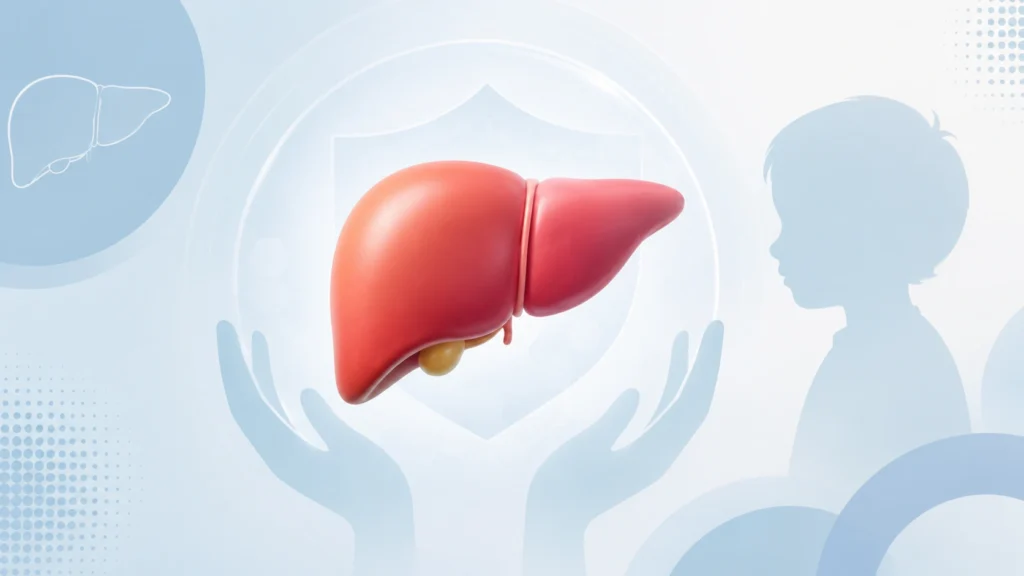
Pediatric liver disease refers to any condition that affects the liver in infants, children, or adolescents. The liver is one of the most important organs in the body. It helps digest food, stores nutrients, filters toxins, makes essential proteins, and supports growth and immunity. When the liver is not working properly in a child, the effects can spread across the entire body and can affect weight gain, energy levels, digestion, development, and overall health.
Some liver conditions in children are present from birth, while others develop later due to infections, inherited disorders, autoimmune disease, metabolic problems, medications, or bile duct obstruction. In some children, liver disease is mild and manageable. In others, it can become serious and require specialist treatment, close monitoring, or even surgery and transplantation.
What makes pediatric liver disease especially important is that children do not always show the same symptoms as adults. A child may simply seem tired, have poor appetite, grow slowly, develop yellow eyes, or experience belly swelling. Parents may not immediately think of the liver. That is why awareness matters. The earlier the liver problem is identified, the better the chance of treatment, recovery, and healthy development.
What is Pediatric Liver Disease?
Pediatric liver disease is a broad term used for any illness that damages the liver or affects how the liver functions in a child. The condition may be temporary or long-term. It may be limited to a small part of liver function, or it may affect the entire liver and cause severe illness.
The liver in children performs many essential jobs. It helps the body process nutrients from food, regulates blood sugar, produces bile for digestion, stores vitamins and minerals, and removes waste products from the blood. If liver cells become inflamed, blocked, scarred, or damaged, the child may develop jaundice, poor growth, loss of appetite, abdominal swelling, bleeding problems, or other symptoms.
Liver disease in children can appear in the newborn period, early childhood, or later in the teenage years. Some conditions are genetic and passed through families. Others are acquired after infections, exposure to toxins, or immune problems. Because the liver is closely connected to digestion and metabolism, even a mild liver disorder may affect the child’s energy, weight, and overall development.
Why Pediatric Liver Disease Matters?
Pediatric liver disease is not just a liver problem. It can affect the entire body.
- It may interfere with growth and weight gain.
- It can cause vitamin deficiencies.
- It can lead to long-term damage if untreated.
- It may affect brain development in severe cases.
- It can cause fluid accumulation and bleeding problems.
- It may be the first sign of a genetic or metabolic disease.
In children, early detection is especially important because the liver has more potential to recover when treatment starts early. Some children improve fully with medicines and follow-up care. Others may need advanced procedures, surgery, or liver transplantation. The earlier the cause is understood, the better the treatment plan can be.
Types of Pediatric Liver Disease
Pediatric liver disease includes many different conditions. These may affect liver cells, bile flow, blood vessels, or liver metabolism.
Based on cause
- Viral liver disease, such as hepatitis due to viruses.
- Autoimmune liver disease, where the immune system attacks the liver.
- Metabolic or genetic liver disease, caused by inherited problems in the body’s chemical processing.
- Bile duct disease, where bile cannot flow properly from the liver.
- Fatty liver disease in children, often related to obesity or metabolic issues.
- Drug-induced liver injury, caused by medicines or toxins.
- Congenital liver disease, present from birth.
- Chronic liver disease, where damage continues over time and may lead to scarring.
- Acute liver disease, where the problem develops suddenly and may become severe quickly.
Based on age of presentation
- Newborn liver disease, seen in the first weeks of life.
- Infant liver disease, appearing in early months.
- Childhood liver disease, found in toddlers and school-age children.
- Adolescent liver disease, seen in older children and teenagers.
Based on severity
- Mild liver dysfunction, where liver tests are abnormal but the child remains stable.
- Moderate disease, where symptoms become more obvious and monitoring is needed.
- Severe liver disease, where liver failure, jaundice, bleeding, or confusion may appear.
Common Causes of Pediatric Liver Disease
There are many causes of liver disease in children. Some are inherited, while others are due to infection, inflammation, or blockage of bile flow.
Common causes include:
- Viral hepatitis.
- Bile duct blockage or congenital bile duct disorders.
- Genetic or metabolic disorders.
- Autoimmune hepatitis.
- Wilson disease.
- Alpha-1 antitrypsin deficiency.
- Non-alcoholic fatty liver disease in older children and adolescents.
- Drug toxicity or poisoning.
- Liver injury from infections.
- Gallbladder and bile duct abnormalities.
- Inborn errors of metabolism.
- Cirrhosis or scarring from long-term liver injury.
In newborns and infants, common causes may include:
- Biliary atresia.
- Neonatal hepatitis.
- Genetic cholestatic disorders.
- Metabolic liver diseases.
- Infections passed before or during birth.
- Structural abnormalities of the bile ducts.
In older children, common causes may include:
- Hepatitis infections.
- Autoimmune liver disease.
- Fatty liver associated with obesity.
- Medication-related liver injury.
- Wilson disease.
- Celiac disease-related liver involvement.
- Chronic liver inflammation.
Risk Factors for Pediatric Liver Disease
Some children are more likely to develop liver disease because of family history, medical conditions, or exposure history.
Risk factors include:
- Family history of liver disease.
- Genetic disorders in the family.
- Obesity or insulin resistance.
- Frequent or long-term use of certain medicines.
- Exposure to hepatitis infection.
- History of prolonged jaundice after birth.
- Recurrent infections or immune problems.
- Poor nutrition or metabolic disease.
- Known autoimmune conditions.
- Prior liver or bile duct abnormalities.
Symptoms of Pediatric Liver Disease
Symptoms vary based on the cause and severity of the disease. In some children, the signs are subtle. In others, symptoms become very obvious.
Common symptoms include:
- Yellowing of the skin or eyes, called jaundice.
- Dark urine.
- Pale or clay-colored stools.
- Poor appetite.
- Nausea or vomiting.
- Swollen abdomen.
- Tiredness or weakness.
- Itching.
- Poor weight gain or failure to thrive.
- Delayed growth.
- Easy bruising or bleeding.
- Fever in some cases.
- Abdominal pain or discomfort.
- Enlarged liver or spleen.
Symptoms in infants may include:
- Prolonged jaundice after birth.
- Poor feeding.
- Weight loss or poor weight gain.
- Irritability.
- Abnormal stool color.
- Dark urine.
- Swelling of the abdomen.
Symptoms in older children may include:
- Fatigue.
- Stomach pain.
- Reduced school activity or play.
- Poor eating habits.
- Yellow eyes.
- Itching.
- Loss of energy.
- Swollen belly or legs in advanced disease.
Warning signs that need urgent medical attention
- Severe jaundice.
- Bleeding from gums or nose.
- Swollen abdomen with discomfort.
- Confusion or unusual sleepiness.
- Vomiting blood.
- Black stools.
- Difficulty breathing.
- Signs of dehydration.
- A child who is not feeding or is very weak.
How Pediatric Liver Disease is Diagnosed?
Diagnosis begins with a detailed medical history and physical examination. Since liver disease in children can have many causes, doctors often use several tests to understand what is happening.
The diagnostic process may include:
- Detailed symptom history.
- Birth history in infants.
- Family history of liver or genetic disease.
- Feeding and growth history.
- Medication history.
- Examination for jaundice, swelling, and liver enlargement.
Common tests include:
- Liver function tests.
- Bilirubin testing.
- Complete blood count.
- Coagulation profile.
- Viral hepatitis tests.
- Autoimmune markers.
- Ultrasound of the abdomen.
- Special metabolic and genetic tests.
- Urine and stool tests.
- MRI or other imaging if needed.
- Liver biopsy in selected cases.
- Endoscopy in certain advanced conditions.
Why testing is important: Pediatric liver disease is not one single condition. The liver may be affected by infection, blockage, genetic disorder, inflammation, or metabolic causes. Each type needs a different treatment approach. Correct diagnosis avoids delay and helps prevent complications.
Types of Liver Disease Commonly Seen in Children
- Biliary Atresia: Biliary atresia is a serious condition where the bile ducts are blocked or absent. Bile cannot leave the liver properly, leading to jaundice and liver damage. It is one of the most important liver diseases in infants because early treatment is crucial.
- Neonatal Hepatitis: This term is used when an infant has inflammation of the liver soon after birth. It may be caused by infections, immune problems, or unknown reasons.
- Autoimmune Hepatitis: In autoimmune hepatitis, the body’s immune system attacks liver cells. This can cause chronic inflammation and, if untreated, scarring of the liver.
- Wilson Disease: Wilson disease is a genetic disorder that causes copper to build up in the liver, brain, and other organs. It may appear in older children or teenagers.
- Alpha-1 Antitrypsin Deficiency: This inherited condition causes abnormal protein buildup in the liver and may damage liver cells over time.
- Fatty Liver Disease in Children: Fatty liver disease is becoming more common in older children and teenagers, especially those with obesity, poor diet, or insulin resistance. It can range from simple fat buildup to inflammation and fibrosis.
- Viral Hepatitis: Children can develop hepatitis from viral infections. Some infections are mild, while others may cause chronic liver problems or severe inflammation.
Treatment for Pediatric Liver Disease
Treatment depends on the cause, age of the child, severity of symptoms, and whether there is liver damage or liver failure. Some children need medicines and regular follow-up only. Others need urgent procedures or surgery.
1. Treating the underlying cause
The main treatment goal is to address the cause of the liver disease.
- Antiviral treatment may be needed for certain infections.
- Immunosuppressive medicines may be used in autoimmune hepatitis.
- Copper-removing treatment is needed in Wilson disease.
- Nutritional support may be important in metabolic disease.
- Surgery may be needed in biliary obstruction or congenital abnormalities.
- Weight management may help children with fatty liver disease.
2. Medicines
Doctors may prescribe medicines depending on the diagnosis.
- Anti-inflammatory or immune-suppressing medicines for autoimmune liver disease.
- Medicines to improve bile flow in some cholestatic disorders.
- Vitamins and supplements if the child has deficiencies.
- Medicines to treat infection if hepatitis is caused by a virus or bacteria.
- Copper-chelating medicines in Wilson disease.
- Medicines to reduce itching in cholestasis.
- Medications to protect the liver in selected cases.
3. Nutritional support
Nutrition is a major part of treatment in children with liver disease.
- Some children need high-calorie feeds.
- Fat-soluble vitamins may be needed if bile flow is reduced.
- Special formulas may be recommended for infants.
- Protein intake may be adjusted in advanced disease.
- A dietitian may help design a suitable food plan.
- Feeding support may be needed if the child cannot eat enough.
Good nutrition supports growth, healing, and immune function. Children with liver disease often need extra dietary attention because growth failure can be one of the earliest signs of liver dysfunction.
4. Monitoring and follow-up
Liver disease in children often requires long-term follow-up.
- Regular liver tests may be needed.
- Growth and weight are monitored.
- Imaging may be repeated.
- Medicine doses may be adjusted.
- Complications are watched closely.
- Follow-up with a pediatric liver specialist is important.
5. Surgery and interventional procedures
Some children may need more advanced care.
- Biliary surgery may be needed in bile duct disorders.
- Shunt procedures may be considered in portal hypertension.
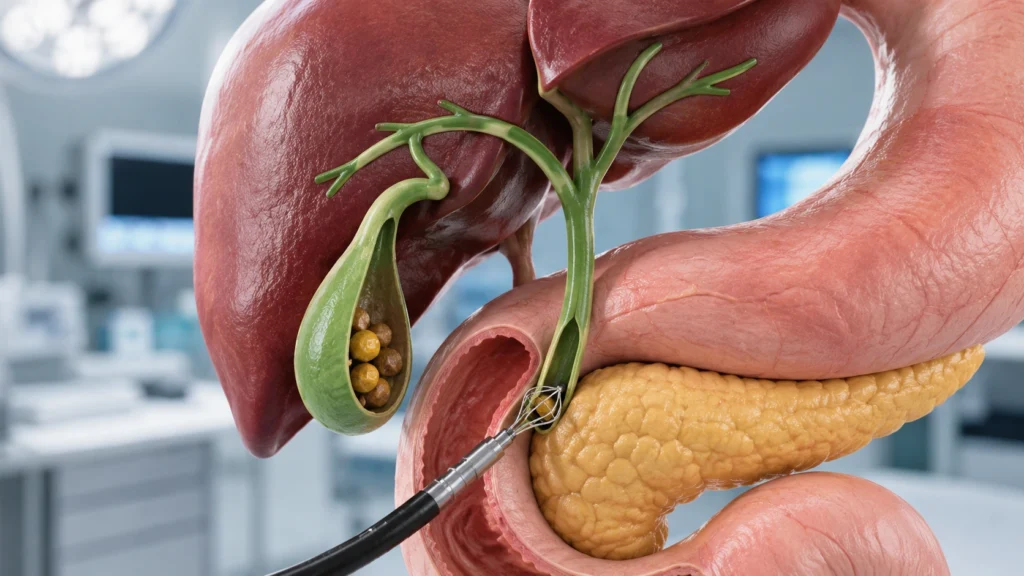
- Endoscopic procedures may help in some bile duct or digestive complications.
- Liver transplantation may be required in severe liver failure or irreversible liver damage.
6. Liver transplantation
In advanced pediatric liver disease, transplantation may be the best treatment. This is considered when the liver is too damaged to recover. A new liver can restore normal function and improve survival and quality of life.
Liver transplant may be needed in:
- Biliary atresia with advanced damage.
- End-stage cirrhosis.
- Acute liver failure.
- Severe metabolic liver disease.
- Uncontrolled liver failure despite medical treatment.
Supportive Care for Children with Liver Disease
Supportive care is very important in addition to the main treatment.
- Regular monitoring of growth and nutrition.
- Managing itching, vomiting, or poor appetite.
- Preventing infections.
- Vitamin supplementation.
- Keeping hydration adequate.
- Avoiding medicines that may harm the liver.
- Treating complications early.
- Supporting parents with education and follow-up guidance.
Supportive care helps the child stay strong while the liver is being treated and monitored.
Diet and Nutrition in Pediatric Liver Disease
Diet is a major part of pediatric liver care, but the exact plan depends on the diagnosis.
General nutrition advice may include:
- Frequent small meals.
- Enough calories for growth.
- Balanced protein intake.
- Adequate fluids.
- Vitamin supplements if prescribed.
- Avoidance of junk food or excessive processed food.
- Healthy fats in appropriate amounts if tolerated.
- Special feeding plans for infants if needed.
In some children, diet may need adjustment for:
- Fatty liver disease.
- Fluid retention.
- Poor absorption of fat-soluble vitamins.
- Risk of low blood sugar.
- Poor weight gain.
- Advanced liver disease.
Parents should never start special diets on their own without medical advice, because children with liver disease often need individualized nutrition support.
Possible Risks and Complications
If liver disease is not treated properly, it can lead to many complications.
Complications may include:
- Chronic jaundice.
- Poor growth or failure to thrive.
- Liver scarring, also called fibrosis.
- Cirrhosis.
- Portal hypertension.
- Fluid buildup in the abdomen.
- Bleeding tendency.
- Low vitamin levels.
- Recurrent infections.
- Encephalopathy in severe liver disease.
- Liver failure.
- Need for transplantation.
In infants and young children, complications may affect:
- Brain development.
- Feeding ability.
- Weight gain.
- General strength and activity.
- Long-term growth.
That is why early diagnosis is critical. A delay can allow liver damage to progress before the child appears seriously ill.
When should you see a doctor?
Parents should seek medical advice if a child has symptoms suggesting liver trouble.
See a doctor if your child has:
- Yellow skin or eyes.
- Dark urine.
- Pale stools.
- Swollen belly.
- Poor feeding.
- Repeated vomiting.
- Itching.
- Unexplained fatigue.
- Poor growth.
- Easy bruising or bleeding.
- Persistent fever with liver-related symptoms.
- Abnormal blood tests suggesting liver disease.
Why Choose Rama Hospital for Pediatric Liver Disease?
Pediatric liver disease needs careful evaluation because children are not small adults. Their causes, symptoms, and treatment needs are different. A hospital-based approach makes it easier to combine diagnosis, treatment, nutrition, follow-up, and emergency care when needed.
- Specialist care for children with liver and digestive disorders.
- Evaluation of jaundice, liver function abnormalities, and growth problems.
- Supportive diagnostic tests and imaging.
- Medical and nutritional guidance for chronic liver disease.
- Care for infants, children, and adolescents.
- Monitoring for complications and long-term recovery.
- Coordination between pediatricians, gastroenterologists, surgeons, dietitians, and other specialists.
- Care focused on both treatment and family education.
Frequently Asked Questions (FAQs)
1. What is pediatric liver disease?
Pediatric liver disease means any illness that affects the liver in a child. It may be present at birth or develop later because of infection, genetics, immune problems, or bile duct issues. It can range from mild to severe depending on the cause.
2. What are the early signs of liver disease in children?
Early signs may include jaundice, dark urine, pale stools, poor appetite, vomiting, itching, or poor growth. Some children may also have a swollen belly or seem tired and less active than usual.
3. Is pediatric liver disease treatable?
Yes, many causes of pediatric liver disease are treatable, especially when found early. Treatment may include medicines, nutrition support, surgery, or in some cases liver transplantation. The right treatment depends on the specific cause.
4. Can liver disease affect a child’s growth?
Yes, liver disease can affect appetite, digestion, and nutrient absorption, which may slow growth. In many children, poor weight gain or delayed growth is one of the first signs that something is wrong.
5. When does a child need a liver transplant?
A child may need a liver transplant if the liver is badly damaged and cannot recover with treatment. This may happen in advanced cirrhosis, severe liver failure, or certain genetic liver diseases.
6. Is jaundice always a sign of liver disease?
Not always, but persistent jaundice in a child should never be ignored. In newborns, some jaundice may be temporary, but prolonged jaundice can signal a liver or bile duct problem that needs medical evaluation.
7. Can diet help in pediatric liver disease?
Yes, diet plays a big role in recovery and growth. Children may need high-calorie meals, vitamin support, or special feeding plans depending on the condition. The exact diet should be guided by a doctor or dietitian.
8. Why is early diagnosis important?
Early diagnosis helps prevent long-term liver damage and complications. Many pediatric liver diseases can be managed much better when detected early, before scarring or liver failure develops.
Conclusion
Pediatric liver disease is a broad but important group of conditions that can affect a child’s growth, digestion, energy, and long-term health. Some liver problems are temporary and treatable, while others may be chronic or progressive and require long-term care. Because symptoms can be subtle at first, parents should not ignore jaundice, dark urine, pale stools, poor growth, abdominal swelling, or unusual tiredness.
The liver plays a central role in a child’s overall development, so early diagnosis and proper treatment can make a major difference. With timely medical care, nutritional support, regular follow-up, and specialist treatment when needed, many children can improve significantly and live healthy lives.
Rama Hospital can provide expert evaluation and care for pediatric liver disease, helping families understand the diagnosis, treatment path, and long-term plan for their child’s liver health.