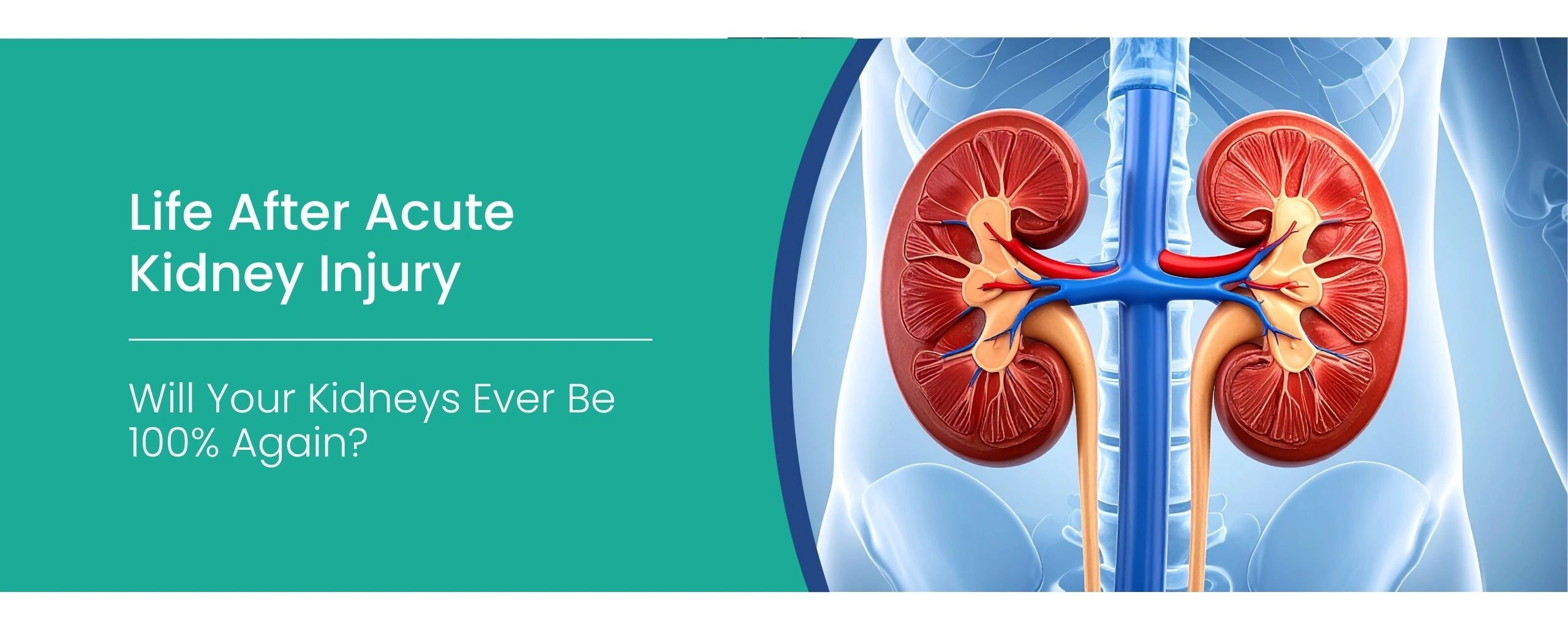
A sudden drop in kidney function is scary. And once the immediate crisis passes, one question takes over everything else: Will things go back to normal?
The truth is that acute kidney injury recovery is not the same for everyone. It depends on what caused the injury, how severe the damage was, how quickly treatment was started, and your overall health. Some people recover fully and their kidneys return to normal function. Others may take weeks or months to recover, while some may be left with long-term kidney problems.
What makes acute kidney injury challenging is that it can happen unexpectedly. A severe infection, dehydration, surgery, certain medications, or an underlying medical condition can suddenly affect how well the kidneys work. Even after treatment begins, recovery is often a gradual process rather than an overnight improvement.
The good news is that many patients experience significant improvement with timely medical care, proper monitoring, and healthy lifestyle changes. Understanding the acute kidney injury recovery process can help set realistic expectations, reduce anxiety, and ensure that important warning signs are not overlooked during the healing journey.
What is acute kidney injury (AKI)?
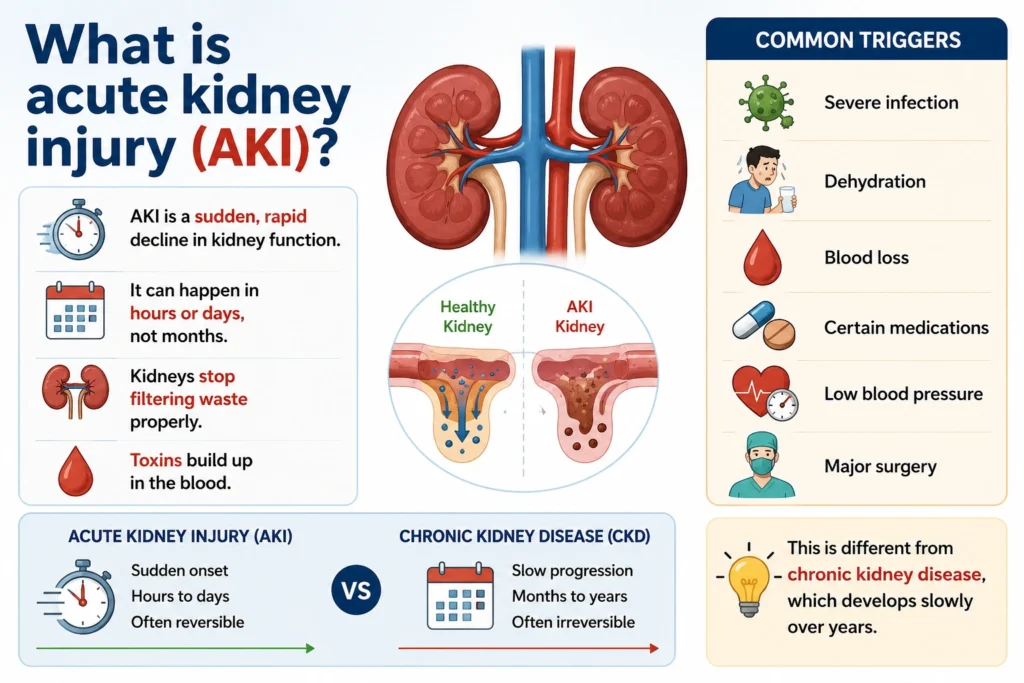
Understanding AKI is the first step toward understanding acute kidney injury recovery.
- AKI is a sudden, rapid decline in kidney function.
- It can happen in hours or days, not months.
- Common triggers: severe infection, dehydration, blood loss, certain medications, low blood pressure, or major surgery.
- Kidneys stop filtering waste properly.
- Toxins build up in the blood.
- This is different from chronic kidney disease, which develops slowly over years.
Can kidneys fully recover after acute kidney injury?
Here’s the honest answer, yes, often. But not always.
- Many patients regain full kidney function after acute kidney injury recovery treatment.
- Kidneys are resilient organs with strong repair ability.
- Mild to moderate AKI cases usually show good recovery.
- Severe or prolonged AKI cases may leave some lasting damage.
- Recovery after acute kidney injury depends heavily on how quickly treatment started.
Doctors often say: the sooner AKI is caught, the smoother the acute kidney injury recovery journey becomes.
Factors that affect kidney recovery
Not every patient recovers the same way. Several factors influence acute kidney injury recovery outcomes.
This is why doctors evaluate each case individually before predicting the acute kidney injury prognosis.
- Cause of AKI: infection-related AKI often recovers faster than AKI from prolonged low blood flow.
- Duration of injury: shorter injury duration means better acute kidney injury recovery.
- Age: older patients may take longer to recover fully.
- Pre-existing conditions: diabetes, hypertension, or prior kidney issues can slow recovery.
- Dialysis requirement: needing dialysis during AKI doesn’t mean it’s permanent.
- Timely treatment: early nephrology care improves kidney function after AKI significantly.
Signs your kidneys are recovering
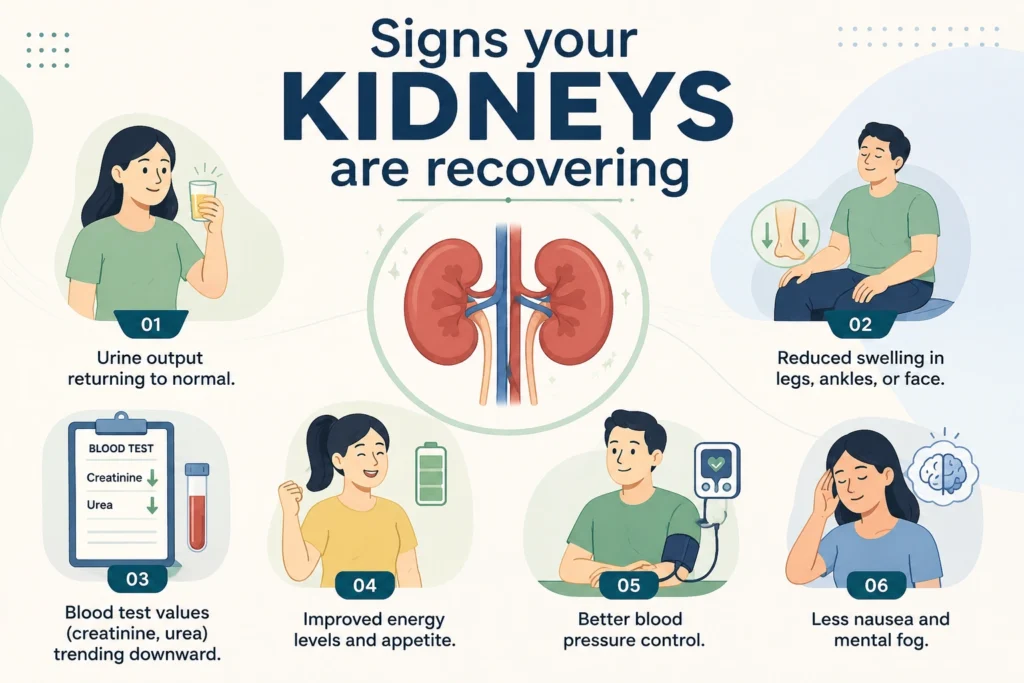
Wondering if acute kidney injury recovery is actually happening? Watch for these signs.
These signs indicate kidney healing after AKI is progressing well. Regular monitoring confirms the trend, not just how you feel.
- Urine output returning to normal.
- Reduced swelling in legs, ankles, or face.
- Blood test values (creatinine, urea) trending downward.
- Improved energy levels and appetite.
- Better blood pressure control.
- Less nausea and mental fog.
When AKI causes permanent kidney damage?
In these cases, some kidney function may not return. Long term effects of acute kidney injury can include reduced filtration capacity, even after the acute phase resolves.
Sometimes, acute kidney injury recovery is incomplete. This happens when:
- AKI was severe and lasted for an extended period.
- Underlying kidney disease already existed.
- Treatment was delayed.
- Multiple organs were affected simultaneously (sepsis, major surgery complications).
Does acute kidney injury increase the risk of CKD?
This is one of the most important questions patients ask. This connection is exactly why acute kidney injury recovery isn’t just about the hospital stay. It’s about years of monitoring afterward.
- Yes, AKI can increase the risk of chronic kidney disease (CKD) later in life.
- Studies indicate patients who survive AKI have a higher long-term risk of CKD compared to those who never experienced it.
- This risk is higher with repeated AKI episodes.
- Regular follow-up after acute kidney injury recovery helps catch early CKD signs.
- Not every AKI patient develops CKD, but the risk should never be ignored.
Lifestyle changes to support kidney recovery
Small, consistent habits make a real difference in acute kidney injury recovery. These changes support both kidney function after acute kidney injury and overall long-term health.
- Stay well-hydrated, unless your doctor advises fluid restriction.
- Avoid painkillers like NSAIDs without medical advice.
- Manage blood pressure and blood sugar strictly.
- Avoid smoking and limit alcohol.
- Get regular, moderate physical activity.
- Don’t skip prescribed medications.
- Avoid unnecessary contrast dyes or nephrotoxic drugs.
Foods that help protect kidney function
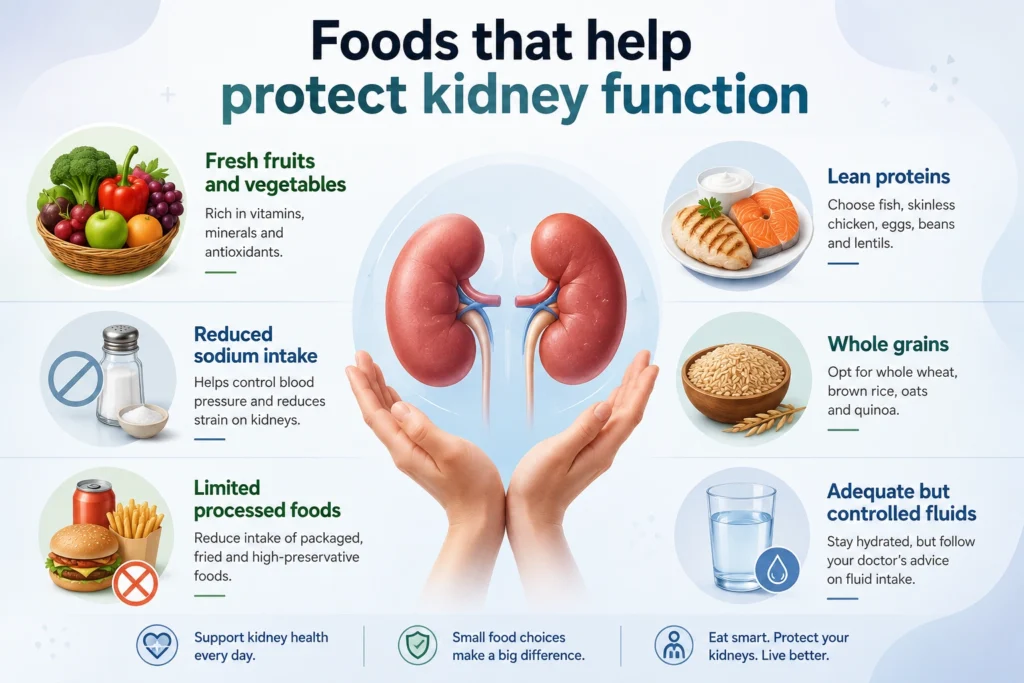
Always personalize this with a nephrologist or renal dietitian, since every acute kidney injury recovery diet plan differs by case.
Diet plays a supporting role in acute kidney injury recovery, especially in the weeks and months after discharge.
- Fresh fruits and vegetables: low-potassium options if advised by your doctor.
- Lean proteins: moderate portions, not excessive.
- Reduced sodium intake: helps control blood pressure and fluid retention.
- Whole grains: support steady energy and digestion.
- Limited processed foods: reduces hidden salt and preservatives.
- Adequate but controlled fluids: based on individual kidney status.
Follow-up tests after acute kidney injury
Doctors typically recommend follow-up tests at intervals during the first year, since kidney function after AKI can shift even after apparent improvement.
Consistent testing is central to tracking acute kidney injury recovery accurately.
- Serum creatinine and urea: core markers of kidney function.
- eGFR (estimated glomerular filtration rate): shows filtration capacity over time.
- Urine tests: check for protein, blood, or infection.
- Blood pressure monitoring: closely linked to kidney health.
- Electrolyte panels: sodium, potassium, and calcium balance.
When should you consult a nephrologist?
Don’t wait for major symptoms. Early consultation improves acute kidney injury recovery outcomes.
- If creatinine levels remain elevated post-discharge.
- If urine output stays reduced.
- If swelling or fatigue persists.
- If blood pressure becomes difficult to control.
- If you’ve had more than one AKI episode.
For patients searching for acute kidney injury treatment in Noida, timely specialist input can be the difference between full recovery and long-term complications. A trusted kidney care hospital in Noida with an experienced nephrology team can guide testing, treatment, and long-term follow-up.
If you’re looking for the best nephrologist in Noida or the best hospital for acute kidney injury, choose a center with dedicated nephrology expertise, ICU-level renal support, and structured follow-up protocols, not just emergency care.
Frequently Asked Questions (FAQs)
Can kidneys recover completely after acute kidney injury?
Yes, many patients experience complete acute kidney injury recovery, especially when AKI is mild and treated promptly. Severe cases may have only partial recovery, and some people may develop long-term kidney problems. Recovery depends on the underlying cause, the severity of the injury, and how quickly treatment is started.
How long does it take for kidneys to recover after AKI?
Recovery timelines vary, some patients recover in a few weeks, while others may take several months for full acute kidney injury recovery. The recovery period depends on the severity of the kidney injury, its underlying cause, and how quickly treatment is started. Regular follow-up with your doctor and following the recommended treatment plan can help support kidney healing and improve long-term recovery.
What percentage of patients recover fully from acute kidney injury?
Research suggests a large proportion of AKI patients recover substantially, though exact figures depend on AKI severity and underlying health. Many people regain good kidney function, especially when the condition is identified early and treated promptly.
Can acute kidney injury lead to chronic kidney disease?
Yes, AKI can increase the risk of CKD, particularly with repeated episodes or delayed acute kidney injury recovery treatment. Early diagnosis, timely treatment, and regular follow-up can help protect kidney function and reduce the risk of long-term kidney damage.
What are the signs that kidneys are healing?
Improved urine output, falling creatinine levels, reduced swelling, and better energy are common signs of healing. Regular follow-up tests help doctors monitor recovery and ensure the kidneys are regaining normal function.
Can kidney function improve months after AKI?
Yes, gradual improvement in kidney function after AKI can continue for several months after discharge. Regular follow-up with your doctor and recommended blood tests are important to monitor recovery and ensure the kidneys are healing properly.
Is dialysis always necessary after acute kidney injury?
No. Dialysis during Acute Kidney Injury (AKI) is often temporary and doesn’t always indicate permanent kidney damage. It is used to support the kidneys while they recover. Many patients regain enough kidney function to stop dialysis once the underlying cause of AKI has been treated.
What foods should be eaten after AKI recovery?
A low-sodium, controlled-protein, doctor-guided diet supports acute kidney injury recovery best. It helps reduce the workload on the kidneys, supports healing, and lowers the risk of further kidney damage.
How often should kidney function be checked after AKI?
Regular follow-up, often at 1, 3, 6, and 12 months, helps track acute kidney injury recovery accurately. It also helps detect any ongoing kidney damage early and supports better long-term kidney health.
Can a second acute kidney injury be prevented?
Yes. By managing blood pressure, avoiding nephrotoxic drugs, staying hydrated, and following up consistently with a nephrologist, the risk of further kidney damage can often be reduced. Early diagnosis and regular monitoring also play a key role in slowing disease progression and protecting kidney function.
Conclusion
Acute kidney injury recovery is possible for most patients, especially with early diagnosis and structured treatment. Some recover fully. Others carry lasting effects that need lifelong monitoring.
The key takeaway: don’t stop caring for your kidneys once the crisis passes. Life after acute kidney injury depends on what you do next, regular check-ups, lifestyle discipline, and timely specialist care in best hopsital in Noida.
If you or a loved one is navigating acute kidney injury recovery, don’t leave it to chance.
Consult the best nephrologist in Noida today for a personalized kidney recovery plan. Book your appointment at our kidney care hospital in Noida and take the next step toward complete acute kidney injury recovery.