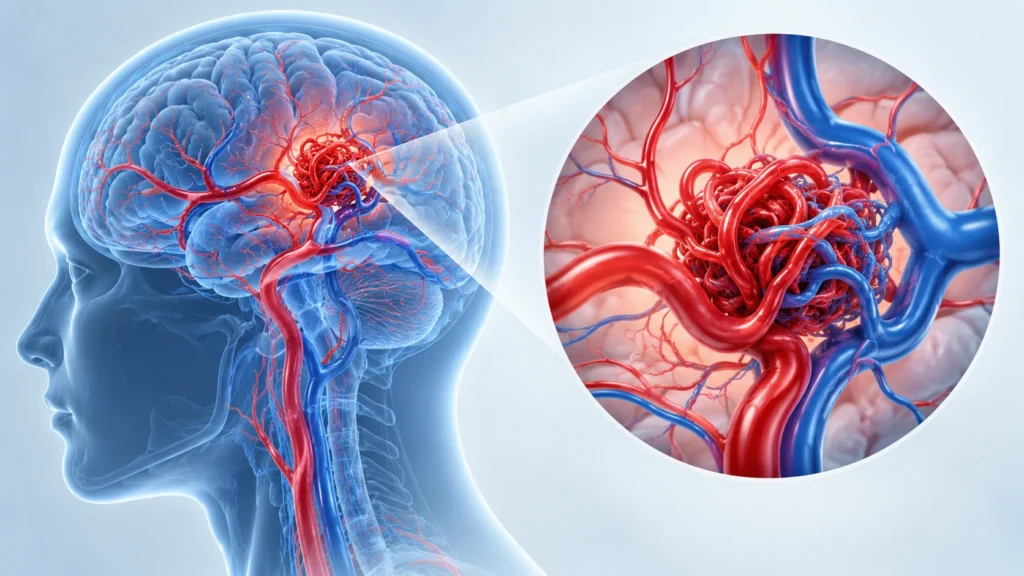
Stroke is a medical emergency that happens when blood flow to part of the brain is blocked or when a blood vessel in the brain bursts. The most common type is ischemic stroke, which occurs when a blood clot blocks an artery supplying blood to the brain. Every minute that the brain is without proper blood flow, brain cells begin to die. This can lead to weakness, speech problems, vision loss, paralysis, or even death.
Thrombolysis, also called clot-busting treatment, is one of the most important emergency treatments for ischemic stroke. It uses special medicines to dissolve the blood clot and restore blood flow to the brain. When given quickly after symptom onset, thrombolysis can significantly reduce disability and improve the chances of recovery. However, it is not suitable for every patient and must be given under strict medical supervision in a hospital setting.
What is Thrombolysis for Stroke?
Thrombolysis is an emergency treatment used to dissolve blood clots in patients with acute ischemic stroke. The medicine used is often called a thrombolytic agent or clot-busting drug. The most commonly used medicine is tissue plasminogen activator, often shortened to tPA.
When a clot blocks a brain artery, brain tissue downstream is starved of oxygen and nutrients. Thrombolysis works by activating the body’s own clot-dissolving system. This helps break down the clot and restore blood flow. The earlier the treatment is given, the more brain tissue can be saved.
Thrombolysis is not a cure for all strokes. It is specifically for ischemic stroke caused by a clot. It is not used for hemorrhagic stroke, where there is bleeding in the brain, because it can worsen bleeding. That is why quick imaging and expert evaluation are essential before starting treatment.
How Thrombolysis Works
Thrombolysis works by targeting the fibrin mesh that holds a blood clot together. The medicine activates plasminogen, which converts into plasmin. Plasmin is an enzyme that breaks down fibrin and dissolves the clot.
Key points about how it works
- The medicine is given through a vein in the arm.
- It travels through the bloodstream to reach the clot in the brain.
- It helps dissolve the clot and reopen the blocked artery.
- Blood flow to the affected brain area is restored.
- Brain tissue that was at risk may recover if treated early.
- The treatment must be given within a specific time window after symptom onset.
Time is the most critical factor. The sooner thrombolysis is given, the better the chance of reducing brain damage and improving recovery.
Who is Eligible for Thrombolysis?
Not every stroke patient can receive thrombolysis. Doctors follow strict criteria to ensure safety and maximize benefit.
General eligibility criteria
- Diagnosis of acute ischemic stroke.
- Clear onset time of symptoms.
- Treatment within the recommended time window.
- Significant neurological deficit such as weakness, speech difficulty, or vision loss.
- CT or MRI scan showing no bleeding in the brain.
- Blood pressure within a safe range.
- No recent major surgery or serious bleeding.
- No use of certain blood-thinning medicines that increase bleeding risk.
- Age and overall health considered by the treating team.
Situations where thrombolysis may not be given
- Symptoms suggest hemorrhagic stroke rather than ischemic stroke.
- Time since symptom onset is beyond the safe window.
- Recent major surgery, head injury, or internal bleeding.
- Uncontrolled high blood pressure.
- Active bleeding or bleeding disorder.
- Use of certain anticoagulants with high bleeding risk.
- Severe stroke with very large area of damage on imaging.
- Other medical conditions that make bleeding risk too high.
Each patient is assessed individually. The decision is made by a neurologist or stroke specialist after reviewing symptoms, examination, and scan results.
Time Window for Thrombolysis
The effectiveness of thrombolysis depends heavily on how quickly it is given after symptom onset.
Standard time window
- Thrombolysis is most effective when given within three hours of symptom onset.
- In selected patients, it may be given up to four and a half hours after symptoms begin.
- Some specialized centers may consider extended windows using advanced imaging, but this is done only in specific cases.
Why time matters
- Brain cells die quickly when blood flow is blocked.
- Early treatment can save brain tissue that is still alive but at risk.
- Delayed treatment increases the risk of bleeding without much benefit.
- Every minute counts in stroke care.
This is why patients and families are advised to call emergency services immediately when stroke symptoms appear, rather than waiting to see if symptoms improve.
Symptoms That Need Immediate Action
Recognizing stroke symptoms early is critical for thrombolysis eligibility.
Common stroke symptoms
- Sudden weakness or numbness on one side of the face, arm, or leg.
- Sudden difficulty speaking or understanding speech.
- Sudden vision loss or double vision.
- Sudden severe headache with no known cause.
- Sudden dizziness, loss of balance, or coordination problems.
- Drooping of one side of the face.
- Difficulty walking or standing.
Simple way to remember stroke signs
- Face drooping.
- Arm weakness.
- Speech difficulty.
- Time to call emergency services.
If any of these signs appear suddenly, immediate medical attention is needed. Do not wait, do not drive yourself, and do not take any medicines without medical advice.
Pre-Thrombolysis Evaluation
Before giving thrombolysis, the medical team performs a rapid but thorough evaluation.
Steps in evaluation
- Quick assessment of stroke symptoms and time of onset.
- Blood pressure measurement.
- Blood tests to check clotting, sugar, and other parameters.
- CT scan or MRI to rule out bleeding in the brain.
- Review of medical history and current medicines.
- Assessment of bleeding risk and other contraindications.
- Discussion with patient or family about benefits and risks.
Why evaluation is critical
- To confirm ischemic stroke and not hemorrhagic stroke.
- To ensure the patient is within the safe time window.
- To identify any factors that may increase bleeding risk.
- To make an informed decision about treatment.
This process is done urgently, often within minutes, because delay reduces the benefit of thrombolysis.
The Thrombolysis Procedure
Thrombolysis is given in a hospital, usually in the emergency department or stroke unit, under close monitoring.
Steps in the procedure
- An intravenous line is placed in the arm.
- The thrombolytic medicine is prepared and given as an infusion.
- Part of the dose may be given as a quick injection, and the rest over about an hour.
- Vital signs, neurological status, and blood pressure are monitored closely.
- Repeat scans may be done after treatment to check for bleeding or changes.
- The patient is usually admitted to a stroke unit or intensive care for observation.
During treatment
- The medical team watches for any signs of bleeding.
- Blood pressure is carefully controlled.
- Neurological checks are done frequently.
- Any sudden change in symptoms is evaluated immediately.
Thrombolysis is not a minor procedure. It requires expert staff, proper equipment, and a system designed for rapid stroke care.
Benefits of Thrombolysis
When given to the right patient at the right time, thrombolysis can make a major difference in outcomes.
Key benefits
- Dissolves the clot and restores blood flow to the brain.
- Reduces the size of the stroke.
- Improves chances of regaining movement, speech, and independence.
- Lowers the risk of severe disability.
- Increases the likelihood of returning home rather than needing long-term care.
- Can be life-saving in large or critical strokes.
Long-term impact
- Better functional recovery at three months.
- Higher chance of walking independently.
- Improved ability to perform daily activities.
- Reduced caregiver burden.
- Better quality of life for many patients.
The benefit is greatest when treatment is given early and when the patient is carefully selected.
Risks and Side Effects
Like any powerful treatment, thrombolysis carries risks. The most important risk is bleeding.
Possible risks
- Bleeding in the brain, which can worsen the stroke.
- Bleeding from the gums, nose, urine, or stool.
- Bleeding at injection or puncture sites.
- Allergic reaction to the medicine in rare cases.
- Drop in blood pressure during infusion.
- Re-occlusion of the vessel after initial improvement.
Why bleeding risk exists
- The medicine dissolves clots throughout the body, not just in the brain.
- It can affect normal clotting temporarily.
- Patients with certain conditions are at higher risk.
The medical team weighs these risks against the potential benefit before proceeding. In eligible patients, the benefit usually outweighs the risk.
Post-Thrombolysis Care
Care after thrombolysis is as important as the treatment itself.
Immediate post-treatment care
- Close monitoring in a stroke unit or intensive care.
- Frequent neurological checks.
- Strict blood pressure control.
- Avoidance of invasive procedures unless essential.
- Repeat imaging to check for bleeding or changes.
- Early involvement of rehabilitation team.
Ongoing management
- Medicines to prevent new clots, such as antiplatelets or anticoagulants when appropriate.
- Control of blood pressure, sugar, and cholesterol.
- Evaluation of stroke cause, such as heart rhythm problems or carotid artery disease.
- Rehabilitation for movement, speech, and daily activities.
- Lifestyle changes to reduce future stroke risk.
Rehabilitation support
- Physical therapy for strength and mobility.
- Occupational therapy for daily tasks.
- Speech and language therapy if speech or swallowing is affected.
- Psychological support for mood, memory, or adjustment issues.
- Family education and caregiver support.
Recovery continues for weeks to months after the acute treatment.
Who May Not Be a Candidate?
Some patients are not suitable for thrombolysis due to safety concerns.
Common reasons for ineligibility
- Symptoms started too long ago.
- CT or MRI shows bleeding in the brain.
- Very mild or rapidly improving symptoms.
- Very severe stroke with large area of damage.
- Recent major surgery or trauma.
- Active internal bleeding.
- Uncontrolled high blood pressure.
- Use of certain blood thinners with high bleeding risk.
- Known bleeding disorder.
- Other serious medical conditions that increase risk.
In such cases, other treatments such as mechanical thrombectomy or supportive care may be considered instead.
Alternatives to Thrombolysis
Not every stroke patient receives thrombolysis. Other treatments may be used depending on the situation.
Alternative or additional treatments
- Mechanical thrombectomy, where a device is used to remove the clot through a catheter.
- Antiplatelet medicines to prevent new clots.
- Anticoagulants for specific causes such as atrial fibrillation.
- Blood pressure and sugar management.
- Supportive care in intensive care or stroke unit.
- Rehabilitation and long-term secondary prevention.
In some patients, thrombectomy may be done alone or after thrombolysis, depending on eligibility and hospital capabilities.
Recovery After Thrombolysis
Recovery varies from patient to patient. Some improve quickly, while others need weeks or months of rehabilitation.
Factors affecting recovery
- Time to treatment.
- Size and location of the stroke.
- Age and overall health.
- Presence of other medical conditions.
- Quality of rehabilitation and support.
- Control of risk factors after discharge.
What to expect
- Some improvement may be seen within days.
- Maximum recovery often occurs over weeks to months.
- Some patients may have residual weakness, speech issues, or fatigue.
- Ongoing therapy and follow-up are important.
Family support and adherence to medicines and lifestyle changes play a major role in long-term outcomes.
Why Fast Action Matters
The success of thrombolysis depends on how quickly the patient reaches the hospital and receives treatment.
Reasons for urgency
- Brain cells die rapidly during a stroke.
- The treatment window is limited to a few hours.
- Delays reduce the chance of benefit and increase risk.
- Early treatment improves independence and quality of life.
What patients and families should do
- Learn stroke symptoms.
- Call emergency services immediately.
- Note the time symptoms started.
- Do not give food, drink, or medicines without medical advice.
- Go to a hospital with stroke care capabilities.
Every minute saved can mean more brain tissue preserved and better recovery.
Why Choose Rama Hospital for Thrombolysis and Stroke Care?
Stroke care requires a coordinated system with experienced neurologists, emergency staff, imaging, and intensive care. A hospital with a dedicated stroke pathway can make a major difference in outcomes.
- Rapid assessment and imaging for stroke.
- Expert neurology and emergency teams.
- Availability of thrombolysis and advanced stroke treatments.
- Intensive monitoring after treatment.
- Rehabilitation and long-term follow-up.
- Education for patients and families on prevention.
Frequently Asked Questions (FAQs)
Who can receive thrombolysis?
Thrombolysis is given to selected patients with acute ischemic stroke who reach the hospital within the recommended time window and have no major bleeding risks. A neurologist decides eligibility after examination and scan.
How long after stroke symptoms can thrombolysis be given?
Thrombolysis is most effective within three hours of symptom onset and may be considered up to four and a half hours in selected patients. Beyond this window, the risks usually outweigh the benefits.
Is thrombolysis safe?
Thrombolysis can be safe and highly beneficial when given to the right patient under strict monitoring. The main risk is bleeding, including bleeding in the brain, which is why careful selection is essential.
Does thrombolysis cure stroke completely?
Thrombolysis does not guarantee a complete cure, but it significantly improves the chances of better recovery and reduced disability. Many patients still need rehabilitation and long-term care.
What happens if thrombolysis is not given in time?
If thrombolysis is not given within the safe time window, other treatments such as mechanical thrombectomy or supportive care may be considered. Delayed treatment reduces the chance of dissolving the clot effectively.
Can thrombolysis be repeated if symptoms come back?
Thrombolysis is generally not repeated in the same stroke episode due to high bleeding risk. If symptoms worsen or recur, the medical team will reassess and consider other options.
What should families do if they suspect stroke?
Families should call emergency services immediately, note the time symptoms started, and take the patient to the nearest hospital with stroke care. Do not wait, do not give food or medicines, and act fast.
Conclusion
Thrombolysis for stroke is a powerful, time-sensitive treatment that can save brain tissue, reduce disability, and improve recovery in patients with acute ischemic stroke. It works by dissolving the blood clot blocking blood flow to the brain. However, it must be given quickly, in the right patients, and under expert medical supervision.
The key to success is recognizing stroke symptoms early, reaching the hospital fast, and having access to a stroke-ready medical team. For patients and families, understanding the importance of time, eligibility, and risks can make a major difference in outcomes. With prompt action and comprehensive stroke care, many patients can regain function and return to meaningful daily life.
Rama Hospital can provide rapid evaluation, thrombolysis when appropriate, and complete stroke care including monitoring, rehabilitation, and long-term prevention to support recovery and reduce future risk.