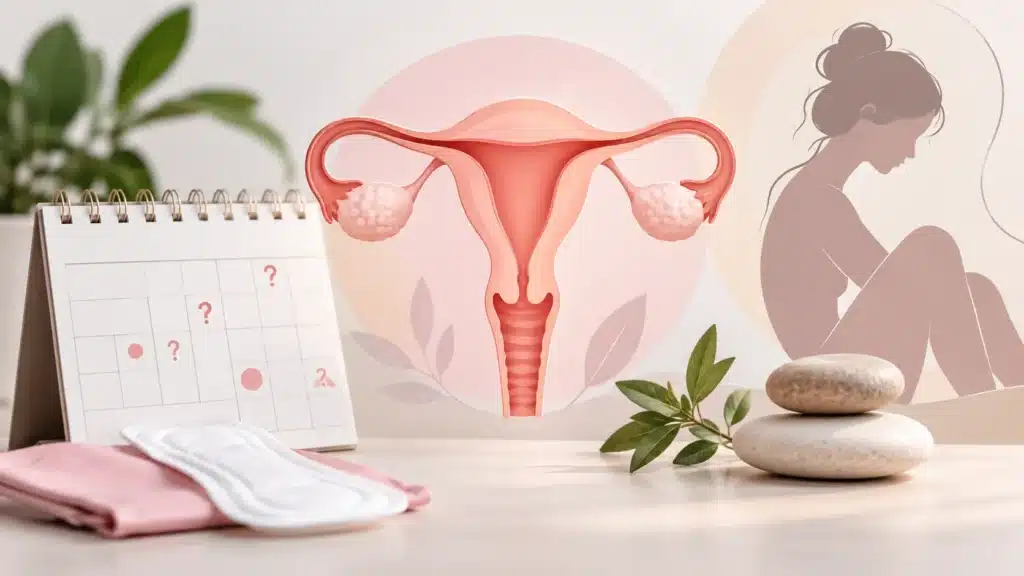
Irregular periods are one of the most common concerns seen in gynecology clinics. Many women and girls experience changes in their menstrual cycle at some point in their lives. Sometimes this is normal, such as during the first few years after periods start, after childbirth, during breastfeeding, or as menopause approaches. But when periods become consistently irregular, very infrequent, or stop completely, it may signal an underlying health issue that needs attention.
Irregular periods can mean cycles that are too long, too short, unpredictable, very light, very heavy, or absent for months. In medical terms, infrequent periods are often called oligomenorrhea, while the absence of periods for three months or more is called amenorrhea. These conditions can affect fertility, bone health, emotional well-being, and long-term hormonal balance.
What are Irregular Periods?
A normal menstrual cycle usually lasts between 21 and 35 days in adults and may be slightly longer in teenagers. Bleeding typically lasts 2 to 7 days. When the cycle length, flow, or timing varies significantly from this pattern on a regular basis, it is considered irregular.
Irregular periods can show up in different ways. Some women may have cycles that come very early or very late. Others may skip months at a time. Some may have very light bleeding, while others may have heavy or prolonged bleeding. In some cases, periods may stop completely for several months.
It is important to distinguish between occasional irregularity and a persistent pattern. One or two irregular cycles can happen due to stress, travel, illness, or weight changes. But if irregularity continues for several months, it should be evaluated by a doctor.
What is Oligomenorrhea?
Oligomenorrhea refers to infrequent or irregular menstrual periods. It is usually defined as having fewer than nine periods in a year, or cycles that are longer than 35 days apart.
Women with oligomenorrhea may notice that their periods come every two months, every three months, or even less frequently. The flow may be light or normal, but the main issue is the long gap between cycles. This condition is common in teenagers whose hormones are still settling, but it can also occur in adults due to hormonal imbalance, PCOS, thyroid issues, or other causes.
If left unaddressed, oligomenorrhea can affect fertility and may be associated with conditions such as insulin resistance, weight changes, or acne and hair growth due to higher androgen levels.
What is Amenorrhea?
Amenorrhea means the absence of menstrual periods. It is divided into two types: primary amenorrhea and secondary amenorrhea.
Primary amenorrhea occurs when a girl has not started her periods by age 15, despite having other signs of puberty, or by age 13 if there are no signs of puberty at all. This may be due to genetic conditions, hormonal problems, or structural issues in the reproductive system.
Secondary amenorrhea occurs when a woman who previously had regular periods stops menstruating for three months or more, or when someone with irregular periods goes six months or more without a period. Common causes include pregnancy, breastfeeding, menopause, PCOS, thyroid disorders, high prolactin, excessive exercise, low body weight, or certain medicines.
Amenorrhea should always be evaluated, especially in younger women, because long-term lack of periods can affect bone health, fertility, and hormonal balance.
Normal Menstrual Cycle vs Irregular Patterns
Understanding the normal cycle helps identify what is irregular.
Normal cycle features
- Cycle length between 21 and 35 days in most adults.
- Bleeding lasting 2 to 7 days.
- Predictable pattern month to month.
- Mild to moderate cramps that do not severely limit daily activities.
- No bleeding between periods.
Irregular cycle features
- Cycles shorter than 21 days or longer than 35 days.
- Skipping months without a clear reason.
- Very heavy or very light bleeding.
- Bleeding between periods or after sex.
- Severe pain that interferes with daily life.
- Sudden change from a previously regular pattern.
Tracking cycles for a few months can help identify patterns and provide useful information for the doctor.
Causes of Irregular Periods
Irregular periods can happen for many reasons. The cause often depends on age, lifestyle, medical history, and hormonal status.
Common causes in teenagers
- Immature hormonal axis in the first few years after menarche.
- Stress related to exams or life changes.
- Rapid weight gain or weight loss.
- Excessive exercise or sports training.
- Eating disorders or poor nutrition.
- Thyroid problems.
- Polycystic ovary syndrome (PCOS).
Common causes in adults
- PCOS, which is one of the most common causes of irregular or infrequent periods.
- Thyroid disorders, both hypothyroidism and hyperthyroidism.
- High prolactin levels.
- Stress, anxiety, or major life changes.
- Significant weight changes, either gain or loss.
- Excessive exercise or very low body fat.
- Perimenopause, which is the transition phase before menopause.
- Pregnancy, breastfeeding, or recent childbirth.
- Certain medicines such as some psychiatric drugs, hormonal treatments, or chemotherapy.
- Chronic illnesses such as diabetes, kidney disease, or liver disease.
- Structural issues such as uterine scarring or congenital abnormalities.
Causes of primary amenorrhea
- Genetic conditions affecting chromosomes.
- Hormonal deficiencies from the brain or ovaries.
- Structural absence or blockage of the uterus or vagina.
- Delayed puberty due to nutrition, chronic illness, or intense physical training.
Causes of secondary amenorrhea
- Pregnancy, which is the most common cause and should always be ruled out first.
- PCOS.
- Thyroid problems.
- High prolactin.
- Premature ovarian insufficiency.
- Excessive exercise or low body weight.
- Significant emotional or physical stress.
- Certain medications or hormonal treatments.
- Uterine scarring after surgery or infection.
Symptoms Associated with Irregular Periods
Irregular periods may occur alone or along with other symptoms that give clues about the underlying cause.
Common accompanying symptoms
- Acne or oily skin.
- Excess hair growth on the face, chest, or abdomen.
- Hair thinning on the scalp.
- Weight gain or difficulty losing weight.
- Dark patches on the neck, armpits, or groin.
- Milky discharge from the breasts when not breastfeeding.
- Hot flashes, night sweats, or vaginal dryness.
- Mood changes, anxiety, or low mood.
- Fatigue or low energy.
- Headaches or vision changes in some hormonal conditions.
- Pelvic pain or discomfort.
- Difficulty conceiving.
Symptoms that need prompt attention
- No periods by age 15.
- Periods stopping for three months or more in someone who was previously regular.
- Very heavy bleeding that soaks through pads or tampons quickly.
- Bleeding after sex.
- Severe pelvic pain.
- Signs of pregnancy with missed periods.
- Milky breast discharge with missed periods.
- Severe headaches or vision changes with missed periods.
Diagnosis of Irregular Periods
Diagnosis is based on history, examination, and targeted tests to find the cause.
Diagnostic steps
- Detailed menstrual history including age at first period, cycle pattern, flow, and pain.
- History of weight changes, diet, exercise, stress, and sleep.
- Medical history including thyroid issues, diabetes, or other chronic conditions.
- Medication history including hormonal treatments or psychiatric medicines.
- Family history of PCOS, thyroid disease, diabetes, or early menopause.
- Physical examination including weight, height, blood pressure, and signs of hormonal imbalance.
- Pregnancy test in all women of reproductive age with missed or irregular periods.
Common tests that may be done
- Blood tests for thyroid function.
- Prolactin level to check for hormonal imbalance.
- Reproductive hormones such as FSH, LH, and estradiol.
- Androgen levels if PCOS is suspected.
- Blood sugar and insulin tests if metabolic issues are possible.
- Pelvic ultrasound to evaluate ovaries and uterus.
- Additional tests in selected cases for genetic or structural evaluation.
Why diagnosis matters
Irregular periods are a symptom, not a diagnosis. Finding the underlying cause is essential for proper treatment. For example, treatment for PCOS is different from treatment for thyroid problems, high prolactin, or perimenopause.
Treatment for Irregular Periods
Treatment depends on the cause, age, symptoms, and whether the patient is trying to conceive.
1. Lifestyle and routine support
Lifestyle changes are often the first step, especially in teenagers and young adults.
- Balanced diet with adequate protein, fiber, and healthy fats.
- Regular physical activity without overtraining.
- Healthy weight management.
- Adequate sleep and stress reduction.
- Avoiding extreme dieting or excessive exercise.
- Limiting processed and sugary foods.
2. Treatment for PCOS
PCOS is a common cause of irregular or infrequent periods.
- Weight management if overweight.
- Diet and activity plan tailored to insulin resistance.
- Medicines to regulate cycles and protect the uterine lining.
- Medicines to improve insulin sensitivity when needed.
- Treatment for acne or excess hair growth if present.
- Fertility support when pregnancy is desired.
3. Treatment for thyroid problems
Thyroid disorders can disrupt the menstrual cycle.
- Thyroid hormone replacement for hypothyroidism.
- Medicines or other treatments for hyperthyroidism.
- Regular monitoring of thyroid levels.
- Cycle often improves once thyroid levels are controlled.
4. Treatment for high prolactin
High prolactin can stop or irregularize periods.
- Medicines to lower prolactin levels.
- Evaluation for pituitary causes if levels are very high.
- Monitoring of symptoms and hormone levels.
- Periods often return once prolactin is controlled.
5. Hormonal regulation
For women not trying to conceive, hormonal treatment may be used to regulate cycles.
- Combined hormonal pills to regulate bleeding and protect the uterine lining.
- Cyclic progesterone to induce regular withdrawal bleeds.
- Hormonal options tailored to age, risk factors, and symptoms.
6. Fertility-focused treatment
For women trying to conceive, the approach is different.
- Evaluation of ovulation and ovarian reserve.
- Medicines to induce ovulation if needed.
- Management of underlying conditions such as PCOS or thyroid issues.
- Referral to fertility specialist if conception does not occur within a reasonable time.
7. Treatment for perimenopause
In women approaching menopause, irregular periods are common.
- Reassurance if symptoms are mild and tests are normal.
- Treatment for heavy bleeding or severe symptoms.
- Hormonal or non-hormonal options based on age and risk profile.
- Monitoring for anemia or other complications.
8. Treatment for structural or genetic causes
In selected cases, structural or genetic issues may need specialized care.
- Surgical correction for certain anatomical problems.
- Hormonal support for ovarian insufficiency.
- Long-term follow-up for bone and heart health in premature ovarian insufficiency.
Lifestyle and Diet Support
Daily habits play a major role in menstrual health.
Helpful habits
- Regular meals with a balance of carbohydrates, protein, and healthy fats.
- Inclusion of fruits, vegetables, whole grains, and pulses.
- Adequate hydration.
- Regular physical activity such as walking, yoga, or strength training.
- Avoiding extreme dieting or fasting.
- Maintaining a healthy weight for height and age.
- Good sleep routine and stress management.
Foods that support hormonal balance
- Whole grains and fiber-rich foods.
- Lean protein sources.
- Healthy fats from nuts, seeds, and oils.
- Iron-rich foods if bleeding is heavy.
- Calcium and vitamin D sources for bone health.
Habits to limit
- Excess sugar and refined carbohydrates.
- Very low-calorie diets without medical guidance.
- Overtraining or excessive exercise.
- Smoking and alcohol.
- Unsupervised use of hormonal or weight-loss medicines.
Possible Complications
Untreated or long-standing irregular periods can lead to complications depending on the cause.
Possible complications
- Difficulty conceiving due to irregular or absent ovulation.
- Thickening of the uterine lining from long gaps without shedding.
- Heavy or unpredictable bleeding leading to anemia.
- Bone density loss in long-term amenorrhea due to low estrogen.
- Metabolic issues such as insulin resistance or cholesterol changes in PCOS.
- Emotional distress, anxiety, or low mood related to cycle changes.
- Increased risk of certain conditions in specific hormonal disorders.
Why complications happen
When periods are irregular or absent, ovulation may not occur regularly. This affects hormone balance, uterine health, and fertility. Long-term lack of estrogen can affect bones, while long-term unopposed estrogen without regular shedding can affect the uterine lining.
When Should You See a Doctor?
Medical evaluation is important if irregular periods persist or are associated with other symptoms.
- No periods by age 15.
- Periods that stop for three months or more.
- Cycles consistently shorter than 21 days or longer than 35 days.
- Very heavy bleeding or bleeding between periods.
- Severe pain during periods.
- Signs of hormonal imbalance such as acne, excess hair, or hair thinning.
- Milky discharge from breasts when not breastfeeding.
- Difficulty conceiving after one year of trying.
- Sudden change from regular to irregular cycles.
Prevention and Long-Term Care
Not all causes of irregular periods can be prevented, but risk can be reduced.
Prevention pointers
- Maintain a healthy weight for height and age.
- Follow a balanced diet and avoid extreme dieting.
- Exercise regularly but avoid overtraining.
- Manage stress and get adequate sleep.
- Treat thyroid or other hormonal issues early.
- Avoid unsupervised use of hormonal or weight-loss medicines.
- Keep regular gynecology check-ups if cycles are often irregular.
Long-term care
- Track cycles to identify patterns.
- Follow up on abnormal tests or diagnoses.
- Take prescribed medicines regularly.
- Report new symptoms such as heavy bleeding, pain, or hormonal changes.
- Plan pregnancy with medical guidance if cycles are irregular.
Why Choose Rama Hospital for Irregular Periods Care?
Irregular periods can be caused by many different conditions, from PCOS and thyroid problems to hormonal imbalance, stress, or perimenopause. A hospital-based evaluation helps identify the exact cause and guide the right treatment.
- Expert evaluation by gynecology and endocrine specialists.
- Proper hormonal and metabolic testing.
- Pelvic ultrasound and other imaging when needed.
- Personalized treatment based on age, symptoms, and fertility goals.
- Long-term follow-up for PCOS, thyroid, or other chronic conditions.
- Support for adolescents, adults, and women approaching menopause.
Frequently Asked Questions (FAQs)
Is it normal for teenagers to have irregular periods?
Yes, it is common for cycles to be irregular in the first few years after periods start. However, very long gaps, very heavy bleeding, or severe pain should still be checked. Persistent irregularity beyond two to three years may need evaluation.
Can stress cause missed periods?
Yes, significant physical or emotional stress can affect the brain-ovary connection and delay or stop periods. This is often temporary, but if periods remain absent for three months or more, medical evaluation is important.
Can PCOS be cured?
PCOS is a long-term condition, but it can be managed very well. With the right diet, activity, weight management, and medicines, cycles can be regulated, symptoms improved, and fertility supported. Early care reduces long-term risks.
Can irregular periods affect fertility?
Yes, irregular or absent periods often mean irregular or absent ovulation, which can make conception more difficult. The good news is that many causes are treatable, and ovulation can often be restored with the right care.
Do I need tests for irregular periods?
Most patients benefit from basic tests such as pregnancy test, thyroid profile, prolactin, reproductive hormones, and pelvic ultrasound. Additional tests may be needed based on symptoms and history.
Can weight changes affect periods?
Yes, both significant weight gain and weight loss can disrupt the menstrual cycle. Excess weight can increase insulin and androgen levels, while very low weight or over-exercise can suppress ovulation. A healthy weight supports regular cycles.
When should I worry about missed periods?
You should seek medical advice if you miss periods for three months or more, if you have no periods by age 15, or if irregularity is accompanied by severe pain, heavy bleeding, hormonal symptoms, or difficulty conceiving.
Conclusion
Irregular periods, oligomenorrhea, and amenorrhea are common but should not be ignored. They can be a sign of hormonal imbalance, PCOS, thyroid problems, stress, weight changes, or other health issues. The good news is that most causes can be identified and managed with the right evaluation and treatment.
The most important steps are proper diagnosis, lifestyle support, targeted treatment of the underlying cause, and long-term follow-up. For girls and women with persistent cycle irregularity, missed periods, heavy bleeding, or hormonal symptoms, a medical evaluation can make a major difference to health, fertility, and quality of life.
Rama Hospital can help evaluate irregular periods, identify the cause, and provide a clear treatment plan that supports hormonal balance, cycle regulation, and overall women’s health.