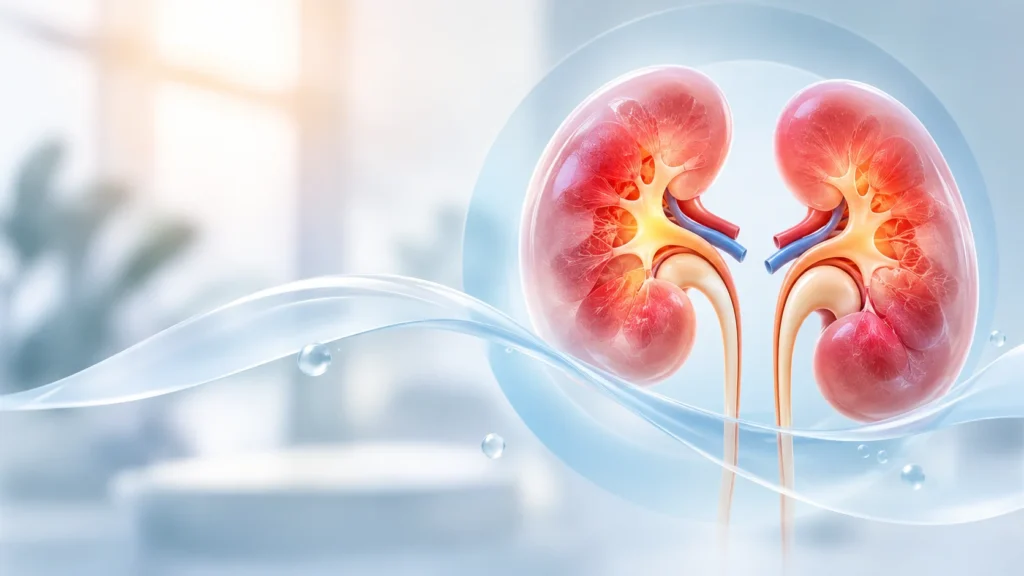
Acute interstitial nephritis, often called AIN, is a kidney condition that happens when the tissue between the kidney tubules becomes inflamed. This inflammation can reduce the kidney’s ability to filter waste, balance salts, and remove extra fluid from the body. In many cases, it develops suddenly over days to weeks. Some people recover fully with proper treatment, while others may have longer-lasting kidney problems if the cause is not identified early.
Most cases of acute interstitial nephritis are caused by a reaction to medicines. Antibiotics, painkillers, acid-reducing drugs, and some other medicines are common triggers. In some patients, it can be caused by infections, autoimmune diseases, or unknown factors. The condition may cause fever, rash, tiredness, reduced urine, swelling, or changes in blood tests. In mild cases, symptoms may be subtle and only picked up on routine testing.
What is Acute Interstitial Nephritis?
Acute interstitial nephritis is an inflammation of the interstitium, which is the supportive tissue between the filtering units of the kidney. The interstitium helps support the tubules that reabsorb water and salts. When this area becomes inflamed, the tubules cannot work properly, and kidney function can drop quickly.
The word “acute” means it happens suddenly, usually over a short period. “Interstitial” refers to the tissue between the kidney structures. “Nephritis” means inflammation of the kidney. Together, the term describes a sudden inflammatory injury to the kidney’s supporting tissue.
In many patients, the kidney injury is reversible if the cause is removed early. However, if the trigger continues or diagnosis is delayed, the inflammation can lead to more serious kidney damage. That is why early recognition and treatment are important.
Causes of Acute Interstitial Nephritis
The most common cause of acute interstitial nephritis is a reaction to medicines. The immune system reacts to the drug and causes inflammation in the kidney tissue.
Common medicine-related causes
- Antibiotics such as penicillins, cephalosporins, sulfonamides, and fluoroquinolones.
- Painkillers and anti-inflammatory drugs, especially NSAIDs.
- Acid-reducing medicines such as proton pump inhibitors.
- Diuretics used for blood pressure or swelling.
- Some anti-seizure medicines.
- Certain antiviral or antifungal drugs.
- Immune-modulating drugs in selected cases.
Infection-related causes
- Bacterial infections affecting the kidney or other organs.
- Viral infections that trigger an immune response.
- Systemic infections that involve multiple organs.
Autoimmune and systemic causes
- Autoimmune diseases such as lupus or sarcoidosis.
- Inflammatory conditions affecting multiple systems.
- Rare immune-mediated kidney disorders.
Other possible causes
- Herbal supplements or unregulated medicines.
- Contrast dyes used in some imaging tests.
- Unknown or idiopathic causes in a small number of patients.
Risk Factors for Acute Interstitial Nephritis
Some people are more likely to develop acute interstitial nephritis than others.
Higher-risk groups
- People taking multiple medicines at the same time.
- Patients on long-term antibiotics or painkillers.
- Older adults with reduced kidney reserve.
- People with existing kidney disease.
- Patients with autoimmune or inflammatory conditions.
- Individuals with a history of drug allergy.
- People using over-the-counter medicines without medical advice.
- Patients with dehydration or low blood flow to the kidneys.
Why risk increases in these groups
- More medicines mean more chances of a reaction.
- Existing kidney problems reduce the ability to handle stress.
- Age-related changes make kidneys more sensitive.
- Autoimmune conditions can predispose to immune-mediated inflammation.
- Dehydration reduces kidney protection against injury.
Symptoms of Acute Interstitial Nephritis
Symptoms can vary from mild to severe. Some people have no clear symptoms and are diagnosed only when blood tests show reduced kidney function.
Common symptoms
- Tiredness and weakness.
- Reduced appetite.
- Nausea or vomiting.
- Fever in some cases.
- Rash or skin changes.
- Joint pain or body aches.
- Swelling in legs, ankles, or around the eyes.
- Reduced urine output.
- Dark or foamy urine.
- High blood pressure in some patients.
- Confusion or drowsiness in severe cases.
Signs that suggest a medicine reaction
- Symptoms starting days to weeks after a new medicine.
- Fever with rash and kidney function changes.
- Recent use of antibiotics, painkillers, or acid reducers.
- Improvement after stopping the suspected drug.
Severe warning signs
- Very low urine output.
- Severe swelling.
- Shortness of breath.
- Confusion or extreme drowsiness.
- Chest pain or irregular heartbeat.
- Persistent vomiting.
How is Acute Interstitial Nephritis Diagnosed?
Diagnosis is based on symptoms, medical history, examination, blood tests, urine tests, and sometimes a kidney biopsy.
Diagnostic steps
- Detailed history of recent medicines and supplements.
- Review of infections, autoimmune conditions, or other illnesses.
- Physical examination for swelling, rash, or signs of fluid overload.
- Blood tests to check kidney function and electrolytes.
- Urine tests to look for blood, protein, or white cells.
- Imaging such as ultrasound to assess kidney size and structure.
- Kidney biopsy in selected cases to confirm the diagnosis.
Common tests that may be done
- Serum creatinine and blood urea to assess kidney function.
- Electrolyte tests for sodium, potassium, and acid-base balance.
- Complete blood count to check for infection or anemia.
- Urine routine and microscopy for white cells, casts, or blood.
- Urine protein assessment.
- Ultrasound of kidneys and urinary tract.
- Kidney biopsy when the cause is unclear or kidney function does not improve.
Why diagnosis matters
Acute interstitial nephritis can look similar to other causes of acute kidney injury. Correct diagnosis helps guide treatment, especially deciding whether to stop a medicine, start steroids, or treat an underlying infection. Early diagnosis improves the chance of full recovery.
Treatment for Acute Interstitial Nephritis
Treatment depends on the cause, severity of kidney injury, and overall health of the patient.
1. Stopping the trigger
The most important step is to identify and stop the medicine or factor causing the inflammation.
- Discontinue the suspected drug under medical guidance.
- Avoid restarting the same medicine in the future.
- Review all current medicines and supplements.
- Replace necessary medicines with safer alternatives.
2. Supportive kidney care
Supportive care helps the kidney recover while the inflammation settles.
- Adequate fluid intake unless restricted by the doctor.
- Monitoring of urine output and daily weight.
- Blood pressure control.
- Correction of electrolyte imbalances.
- Avoiding other kidney-stressing drugs such as NSAIDs.
- Treating nausea, vomiting, or other symptoms.
3. Steroid therapy
In some cases, doctors may prescribe steroids to reduce inflammation.
- Steroids may be used if kidney function does not improve after stopping the drug.
- They are more likely to be considered in severe or persistent cases.
- Duration and dose depend on the patient’s response and risk factors.
- Steroids are not needed for every patient and must be used carefully.
4. Treatment of underlying causes
If infection or autoimmune disease is the cause, that condition must be treated.
- Antibiotics or antivirals for infection-related cases.
- Immune-modulating therapy for autoimmune causes.
- Coordination with other specialists when multiple systems are involved.
5. Dialysis in severe cases
In rare, severe cases where kidney function drops significantly, temporary dialysis may be needed.
- Dialysis helps remove waste and balance fluids when kidneys cannot.
- It is usually temporary until the kidneys recover.
- Not all patients require dialysis, only those with severe injury.
Recovery and Follow-Up
Recovery depends on how early the condition is detected, whether the trigger is removed, and the patient’s overall kidney health.
Recovery expectations
- Many patients start improving within days to weeks after stopping the trigger.
- Kidney function may return to normal in mild to moderate cases.
- Some patients may have partial recovery with slightly reduced function.
- A small number may develop long-term kidney problems.
Follow-up care
- Repeat blood and urine tests to monitor kidney function.
- Blood pressure monitoring.
- Review of medicines to avoid kidney-harming drugs.
- Lifestyle advice to support kidney health.
- Long-term follow-up if kidney function remains reduced.
Signs of improvement
- Increasing urine output.
- Reduction in swelling.
- Better appetite and energy.
- Improvement in blood test values.
- Stabilization of blood pressure.
Possible Complications
If not treated early, acute interstitial nephritis can lead to complications.
Short-term complications
- Acute kidney injury with reduced filtration.
- Electrolyte imbalance such as high potassium or acid buildup.
- Fluid overload causing swelling or breathlessness.
- High blood pressure.
- Need for temporary dialysis in severe cases.
Long-term complications
- Chronic kidney disease if damage is significant.
- Persistent reduction in kidney function.
- Higher risk of future kidney problems.
- Increased sensitivity to certain medicines.
Why complications happen
Prolonged inflammation can damage the kidney tubules and supporting tissue. If the injury is severe or repeated, the kidney may not fully recover. That is why early action is important.
When to See a Doctor?
Medical evaluation is important for anyone with risk factors or symptoms suggesting kidney injury.
- Reduced urine output.
- Swelling in legs or around the eyes.
- Tiredness, nausea, or poor appetite.
- Recent start of new medicines with kidney function changes.
- Fever, rash, and kidney test abnormalities.
- High blood pressure with kidney concerns.
- Known kidney disease with new symptoms.
Prevention of Acute Interstitial Nephritis
Not all cases can be prevented, but risk can be reduced.
Prevention pointers
- Avoid self-medication, especially with painkillers and antibiotics.
- Take medicines only under medical advice.
- Inform doctors about all current medicines and supplements.
- Report any rash, fever, or unusual symptoms after starting a new drug.
- Keep regular check-ups if you have kidney disease or risk factors.
- Stay well hydrated unless advised otherwise.
- Avoid unnecessary long-term use of acid reducers or painkillers.
- Keep a record of medicines that caused problems in the past.
For patients with kidney disease
- Be extra careful with new medicines.
- Have kidney function checked regularly.
- Discuss all over-the-counter drugs with a doctor.
- Avoid herbal or unregulated supplements without approval.
Why Choose Rama Hospital for Acute Interstitial Nephritis Care?
Acute interstitial nephritis needs careful evaluation to identify the cause, manage kidney function, and prevent long-term damage. A hospital with experienced nephrologists, advanced testing, and coordinated care can make a major difference in outcomes.
- Expert assessment by kidney specialists.
- Accurate diagnosis with blood, urine, and imaging tests.
- Safe management of medicines and potential triggers.
- Supportive care for kidney recovery.
- Coordination with other departments if autoimmune or systemic disease is present.
- Long-term follow-up to protect kidney health.
Frequently Asked Questions (FAQs)
Can acute interstitial nephritis be cured?
Many patients recover fully if the cause is identified and removed early. Kidney function often improves after stopping the trigger medicine and receiving supportive care. Some patients may need steroids or longer follow-up.
Which medicines commonly cause this condition?
Antibiotics, painkillers like NSAIDs, acid-reducing drugs such as proton pump inhibitors, and some diuretics are common triggers. Not everyone who takes these medicines will develop the condition, but they are frequent causes.
How is it different from other kidney diseases?
Acute interstitial nephritis usually happens suddenly and is often linked to a medicine or infection. Other kidney diseases may develop slowly or be related to diabetes, blood pressure, or structural problems. The pattern and cause help doctors distinguish them.
Is a kidney biopsy always needed?
No, biopsy is not always needed. It is done when the diagnosis is unclear, kidney function does not improve, or the doctor needs more information. Many cases are diagnosed based on history, tests, and response to stopping the suspected drug.
Can this condition come back?
Yes, it can come back if the same triggering medicine is taken again. That is why patients are advised to avoid the culprit drug in the future and inform all doctors about their past reaction.
How long does recovery take?
Recovery time varies. Some patients improve within days, while others may take weeks to months. Early diagnosis and stopping the trigger medicine usually lead to faster and better recovery.
Can acute interstitial nephritis lead to chronic kidney disease?
It can, especially if diagnosis is delayed or the injury is severe. Some patients may have lasting reduction in kidney function. Regular follow-up helps detect and manage any long-term changes early.
Conclusion
Acute interstitial nephritis is a sudden inflammatory kidney condition that is often caused by a reaction to medicines. It can reduce kidney function quickly but is frequently reversible if recognized and treated early. The most important steps are identifying the trigger, stopping the offending drug, providing supportive kidney care, and monitoring recovery.
For patients with new kidney test abnormalities, swelling, reduced urine, or symptoms after starting a new medicine, prompt medical evaluation is important. With proper diagnosis and management, many patients recover well and avoid long-term kidney problems.
Rama Hospital can help evaluate acute interstitial nephritis, identify the cause, and provide a clear treatment plan that supports kidney recovery and long-term health.