
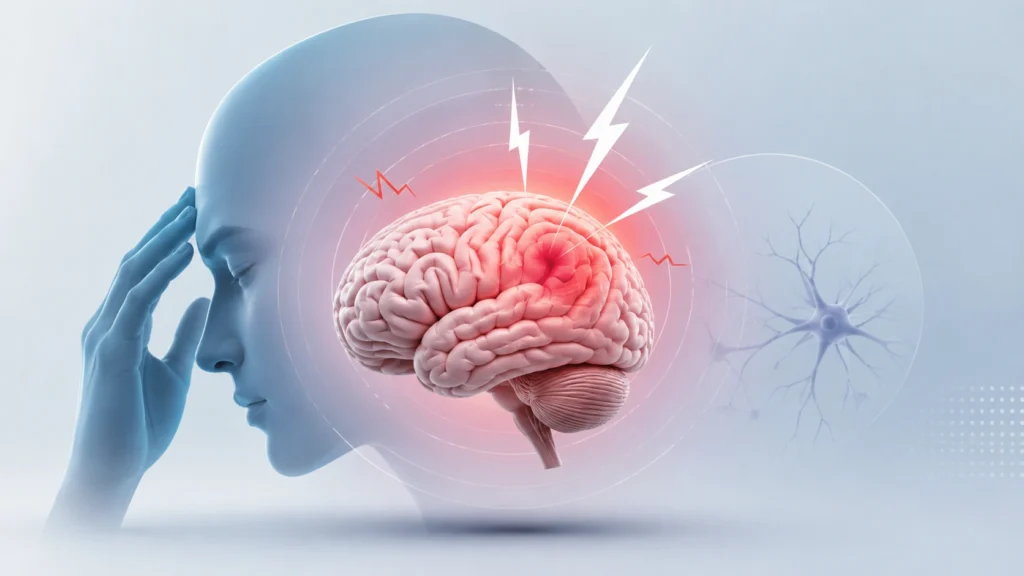
Migraine is much more than a simple headache. For many people, it is a recurring neurological condition that can cause severe throbbing pain, nausea, vomiting, sensitivity to light or sound, dizziness, and difficulty functioning normally. During a migraine attack, even basic activities such as working, reading, talking, or looking at a screen may become difficult. Some people have attacks occasionally, while others struggle with repeated episodes that affect their daily life, work performance, family responsibilities, and emotional well-being.
A migraine attack can last for hours or even days. Some patients have warning signs before the pain begins, such as visual changes, tingling, mood shifts, neck stiffness, or unusual tiredness. Others experience sudden headache without a clear early warning. Migraines may be triggered by stress, lack of sleep, dehydration, skipped meals, hormonal changes, bright lights, certain foods, or weather changes. However, the exact pattern is different for each person, which is why understanding personal triggers is an important part of care.
Migraine is a neurological disorder that causes repeated headache attacks, usually with additional symptoms such as nausea, vomiting, sensitivity to light, sensitivity to sound, or visual disturbance. The pain is often throbbing or pulsing, and it commonly affects one side of the head, although it can also affect both sides.
Unlike a regular headache, migraine is often more intense and disabling. It is not just pain in the head; it is a condition that involves the nervous system and affects how the brain processes signals. During an attack, the body may become highly sensitive to light, noise, smells, movement, and even certain visual patterns. That is why some patients prefer to lie down in a dark, quiet room until the episode passes.
Migraine is a chronic condition for many people. It may occur occasionally, or it may happen several times a month. Some attacks are predictable, while others appear without warning. In many patients, migraine starts in adolescence or early adulthood and continues for years, although the pattern may change over time.
Migraine is not the same in every patient. There are different forms and patterns, and identifying the type helps guide treatment.
Migraine without aura
Migraine with aura
Chronic migraine
Menstrual migraine
Vestibular migraine
Silent migraine
The exact cause of migraine is not fully understood, but it is believed to involve abnormal activity in the brain, nerves, and blood vessels. Genetics play a major role, which is why migraine often runs in families.
Common causes and contributing factors
Why migraine happens: Migraine is thought to happen when the brain becomes more sensitive to internal and external triggers. This can lead to changes in nerve activity and inflammation around the brain’s pain pathways. Blood vessels may also change during the attack. The result is a complex neurological reaction that causes pain and associated symptoms.
Triggers do not cause migraine in every person, but they can make attacks more likely in people who already have migraine.
Common triggers include:
Why trigger patterns matter: Every migraine patient may have a different trigger pattern. Some people notice attacks after poor sleep, while others are affected by periods, hunger, or screen use. Keeping track of triggers can help reduce attack frequency and improve treatment planning.
Symptoms can vary from person to person and from one attack to another. Migraine is often divided into phases, but not every patient experiences all of them.
Early warning symptoms or prodrome
These may appear hours or even a day before the headache.
Aura symptoms
Aura symptoms do not occur in everyone, but when they do, they may include:
Headache phase symptoms
Recovery phase symptoms
After the attack, the person may feel:
Migraine can affect people of all ages, but some groups are more likely to develop it or experience it in certain patterns.
In women
In men
In children and teenagers
Migraine is diagnosed based on symptoms, history, and physical examination. In many cases, no special test is needed if the pattern is typical. However, tests may be ordered if the headache is new, severe, changing, or accompanied by unusual symptoms.
Diagnostic steps
Tests may be done if needed
Why diagnosis is important: Migraine can resemble other causes of headache, including tension headache, sinus-related pain, blood pressure-related symptoms, or more serious neurological problems. A proper diagnosis helps ensure the right treatment and avoids unnecessary worry.
Migraine treatment has two goals: relieve the current attack and reduce the number or severity of future attacks. The exact plan depends on how often attacks occur, how severe they are, and how much they interfere with daily life.
1. Acute treatment for an attack
This is used when a migraine attack starts.
2. Preventive treatment
If attacks are frequent, severe, or disabling, preventive treatment may be recommended.
3. Lifestyle-based treatment
Migraine management is not only about medicines.
4. Specialist treatment
For complex or chronic migraine, a neurologist may help design a more detailed plan.
Different patients may need different medicines depending on the attack pattern and severity.
Medicines for acute relief
Medicines used for prevention
Important caution
Many patients need simple but effective home care while an attack is in progress.
Helpful steps
What not to do
While medication can help manage the pain, adjusting your daily habits often holds the key to preventing attacks before they start. Small, deliberate shifts in how you sleep, eat, and handle stress can significantly reduce how often migraines strike and how intense they feel. Over time, these routine tweaks give you far more control over your health and quality of life.
Helpful habits
Why routine matters: Migraine often responds poorly to irregular habits. A stable routine helps the nervous system stay less reactive. Small daily habits can reduce attack frequency and improve control.
Food does not cause migraine in every patient, but diet can influence attacks in some people.
Foods that may trigger migraine in some patients
Foods and habits that may help
Important note: Not every patient needs to avoid the same foods. The best approach is to identify personal triggers instead of following a strict unnecessary diet.
Migraine is not usually dangerous in itself, but frequent or severe migraine can affect daily life significantly.
Possible problems include:
Rare but serious concerns
If the headache is suddenly different, extremely severe, or associated with neurological symptoms such as weakness, confusion, or fainting, another urgent cause must be ruled out.
It is important to seek medical help if headaches are frequent, severe, or changing.
Migraine can be disabling, recurrent, and emotionally exhausting. Many patients need more than simple pain relief; they need proper diagnosis, trigger identification, and a long-term plan.
Migraine is a neurological headache disorder that causes repeated attacks of throbbing pain, often with nausea, light sensitivity, or sound sensitivity. It can affect daily functioning for hours or days.
Yes, migraine is usually more intense and disabling than a regular headache. It often comes with additional symptoms such as vomiting, aura, or sensitivity to light and sound.
Migraine is linked to changes in the nervous system and often runs in families. Common triggers include stress, poor sleep, skipped meals, hormones, bright lights, and certain foods.
Migraine usually cannot be “cured” permanently, but it can be well controlled. Many patients improve greatly with the right treatment and lifestyle changes.
No, aura happens only in some people. Many patients have migraine without aura and still experience severe head pain and nausea.
You should see a doctor if headaches are frequent, worsening, or interfering with work or daily life. Sudden new headaches, weakness, speech problems, or loss of consciousness need urgent care.
Yes, certain foods can trigger migraine in some people, but triggers vary. A headache diary can help identify whether food is truly affecting your attacks.
Most migraine attacks are not dangerous by themselves, but they can be very disabling. A sudden severe headache or one with neurological symptoms should always be assessed immediately.
Migraine is a common but often misunderstood neurological condition that can affect much more than the head. It can disturb sleep, work, concentration, appetite, mood, and overall quality of life. The condition may occur with or without aura, and triggers can vary widely from one person to another.
The good news is that migraine can often be managed well with the right combination of medicine, trigger control, lifestyle changes, and specialist care. Early diagnosis and a structured treatment plan can reduce the number of attacks, improve daily functioning, and help patients regain control over their lives.
Rama Hospital can help evaluate migraine symptoms, identify triggers, rule out other causes of headache, and provide a tailored treatment plan that supports both immediate relief and long-term prevention.

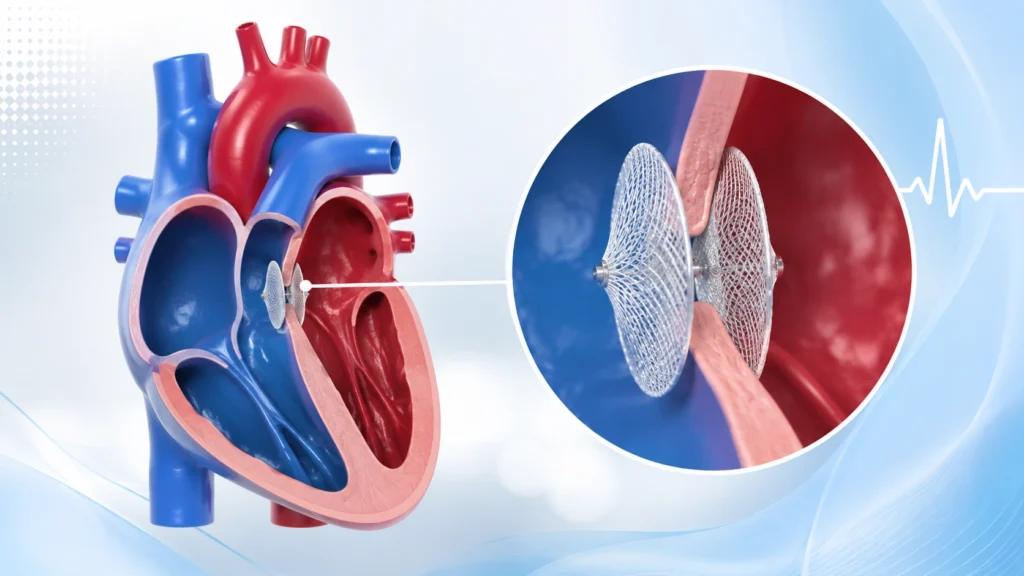
A migraine is much more than a bad headache. It can cause debilitating, throbbing, one-sided head pain that can leave you in bed for days.
No rows found.