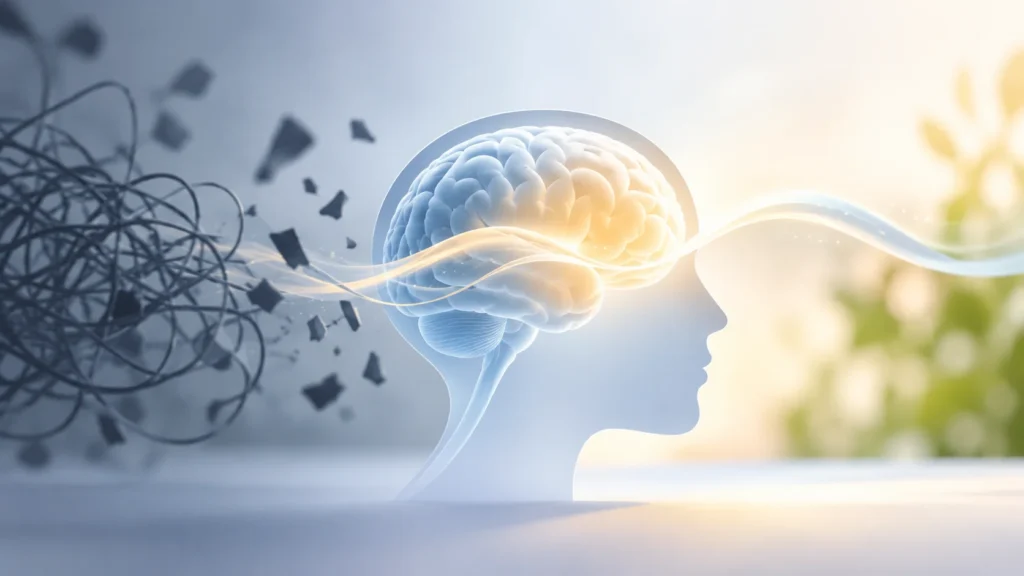
Anxiolytics are medicines that help reduce anxiety, calm excessive worry, and relieve physical symptoms of stress such as rapid heartbeat, trembling, restlessness, and muscle tension. They are commonly prescribed for anxiety disorders, panic attacks, severe stress reactions, and sometimes for short-term relief of acute anxiety symptoms. For many patients, these medicines can make a major difference in daily functioning, sleep, and overall quality of life.
Anxiety itself is a normal human emotion, but when it becomes excessive, persistent, or disabling, it may be classified as an anxiety disorder. In such cases, medication may be needed along with therapy and lifestyle changes. Anxiolytics work by acting on the brain’s chemical systems to reduce overactivity in areas related to fear, worry, and stress.
What are Anxiolytics?
Anxiolytics are a group of medicines specifically designed to reduce anxiety. The word anxiolytic means anxiety-reducing. These medicines help calm the mind, reduce physical symptoms of anxiety, and improve the ability to function in daily life.
They are not the same as antidepressants, although some antidepressants are also used for anxiety. Anxiolytics often work faster and are used for short-term relief or as a bridge while other treatments take effect. Some are meant for occasional use, while others may be used for a longer period under close medical supervision.
Anxiolytics should always be taken under the guidance of a qualified doctor. The right choice depends on the type of anxiety, severity of symptoms, other medical conditions, and risk of side effects or dependence.
Why Anxiolytics are Used
Anxiolytics are used when anxiety is severe enough to interfere with daily life, work, relationships, sleep, or physical health.
Common reasons for use include:
- Generalized anxiety disorder with constant worry and tension.
- Panic disorder with sudden panic attacks.
- Social anxiety disorder with fear of social situations.
- Specific phobias causing severe distress.
- Acute stress reaction after a traumatic event.
- Severe insomnia related to anxiety.
- Pre-procedure anxiety before medical or dental procedures.
- Muscle tension and restlessness due to anxiety.
- Short-term relief while waiting for antidepressants or therapy to work.
- Adjunct treatment in depression with prominent anxiety symptoms.
Goals of anxiolytic treatment
- Reduce excessive worry and fear.
- Calm physical symptoms such as palpitations and trembling.
- Improve sleep quality.
- Help the patient engage better in therapy and daily activities.
- Prevent complications such as avoidance behavior, substance use, or worsening depression.
Types of Anxiolytics
There are different types of anxiolytics, each with a different mechanism, speed of action, and safety profile.
Benzodiazepines
- These are fast-acting anxiolytics that work within minutes to hours.
- Common examples include alprazolam, clonazepam, lorazepam, diazepam, and bromazepam.
- They enhance the effect of a calming brain chemical called GABA.
- Often used for short-term relief of severe anxiety or panic attacks.
- Can cause drowsiness, dizziness, and dependence if used long term.
- Usually prescribed for the shortest effective duration.
Non-benzodiazepine anxiolytics
- These include medicines such as buspirone and certain antidepressants used for anxiety.
- Buspirone works on serotonin receptors and is less sedating.
- It may take a few weeks to show full effect.
- Lower risk of dependence compared to benzodiazepines.
- Often used for generalized anxiety disorder.
Antidepressants with anxiolytic effect
- Some antidepressants, especially SSRIs and SNRIs, are first-line treatments for chronic anxiety.
- Examples include escitalopram, sertraline, paroxetine, venlafaxine, and duloxetine.
- They take several weeks to work but are safer for long-term use.
- Help both anxiety and associated depression.
- Often combined with therapy for best results.
Other medicines used for anxiety
- Beta-blockers such as propranolol may be used for performance anxiety or physical symptoms like tremor and palpitations.
- Certain anticonvulsants may be used in selected cases.
- Sedating antihistamines may be used occasionally for short-term calming effect.
- Melatonin or sleep-supporting medicines may help when anxiety causes insomnia.
How Anxiolytics Work
Anxiolytics work by affecting chemical messengers in the brain that regulate mood, fear, and stress.
Mechanism of action
- Benzodiazepines enhance the effect of GABA, a calming neurotransmitter.
- This reduces overactivity in brain circuits related to fear and anxiety.
- Buspirone acts on serotonin receptors to reduce anxiety over time.
- Antidepressants increase serotonin and sometimes norepinephrine, improving mood and anxiety regulation.
- Beta-blockers reduce physical symptoms by blocking adrenaline effects on the heart and muscles.
Why different medicines are chosen
- Fast relief is needed in panic or acute anxiety.
- Long-term control is needed in chronic anxiety disorders.
- Some patients need help mainly with physical symptoms.
- Others need help with worry, rumination, and sleep.
- The choice depends on symptom pattern, safety, and risk profile.
Benefits of Anxiolytics
When used correctly, anxiolytics can provide significant relief and improve quality of life.
Key benefits include:
- Rapid reduction of severe anxiety and panic.
- Improved ability to sleep and rest.
- Reduced physical symptoms such as trembling, sweating, and palpitations.
- Better ability to engage in therapy and daily tasks.
- Decreased avoidance of social or work situations.
- Relief from muscle tension and restlessness.
- Support during acute stress or crisis.
- Improved overall functioning and mood.
Why benefits matter
Anxiety can be disabling if left untreated. It can affect work performance, relationships, physical health, and self-confidence. Effective treatment can help patients regain control and live more fully.
Side Effects of Anxiolytics
Like all medicines, anxiolytics can cause side effects. Not everyone experiences them, and many are mild or temporary.
Common side effects
- Drowsiness or sleepiness.
- Dizziness or lightheadedness.
- Fatigue or low energy.
- Blurred vision.
- Dry mouth.
- Nausea or stomach upset.
- Headache.
- Muscle weakness.
- Slowed reaction time.
- Memory or concentration issues in some cases.
Less common but important side effects
- Confusion, especially in older adults.
- Paradoxical agitation or restlessness in rare cases.
- Low blood pressure or fainting.
- Dependence or withdrawal with long-term benzodiazepine use.
- Worsening of depression in some individuals.
- Increased risk of falls in elderly patients.
Why monitoring is important
Regular follow-up helps ensure the medicine is working, side effects are manageable, and the dose is appropriate. It also helps detect any early signs of dependence or interaction with other medicines.
Safety and Dependence Risk
One of the most important concerns with anxiolytics, especially benzodiazepines, is the risk of dependence and withdrawal.
Dependence risk factors
- Long-term use beyond recommended duration.
- High doses without medical supervision.
- History of substance use disorder.
- Self-medication without doctor’s advice.
- Sudden stopping after prolonged use.
Withdrawal symptoms
- Rebound anxiety or insomnia.
- Irritability and restlessness.
- Tremors or sweating.
- Nausea or headache.
- In severe cases, seizures or confusion.
How to reduce risk
- Use the lowest effective dose for the shortest necessary time.
- Do not stop suddenly without medical guidance.
- Follow the prescribed schedule strictly.
- Avoid alcohol and other sedatives while on these medicines.
- Regularly review the need for continued use with the doctor.
Interactions with Other Medicines and Substances
Anxiolytics can interact with other medicines, supplements, and substances, which may increase side effects or reduce effectiveness.
Important interactions include:
- Alcohol, which can increase drowsiness and breathing risk.
- Opioid pain medicines, which can dangerously increase sedation.
- Other sedatives or sleep medicines.
- Certain antifungal or antibiotic medicines that affect liver enzymes.
- Some heart medicines and blood pressure drugs.
- Herbal supplements with sedative effects.
- Recreational drugs, which can cause unpredictable reactions.
Safety advice
- Always inform the doctor about all medicines and supplements being taken.
- Avoid alcohol while on anxiolytics.
- Do not mix different anxiety medicines without medical advice.
- Be cautious when driving or operating machinery until the effect is known.
Use in Special Populations
Anxiolytics may need special consideration in certain groups.
In children and adolescents
- Use is generally limited and carefully monitored.
- Therapy and lifestyle changes are often first-line.
- Medicines are used only when benefits clearly outweigh risks.
In pregnancy and breastfeeding
- Some anxiolytics may affect the baby and should be used with caution.
- The doctor will weigh risks and benefits carefully.
- Non-medicine options are preferred when possible.
In older adults
- Higher risk of falls, confusion, and memory issues.
- Lower doses are usually recommended.
- Regular review is important to avoid long-term unnecessary use.
In patients with liver or kidney disease
- Dose adjustment may be needed.
- Some medicines may not be suitable.
- Close monitoring is essential.
When to See a Doctor
Medical evaluation is important before starting, changing, or stopping anxiolytics.
- Persistent anxiety affecting daily life.
- Panic attacks or severe worry.
- Sleep problems due to anxiety.
- Physical symptoms such as palpitations, trembling, or shortness of breath.
- Need for repeated use of anxiety medicines.
- Concerns about dependence or side effects.
- Worsening mood or thoughts of self-harm.
Alternatives and Supportive Treatments
Medicines are only one part of anxiety treatment. Other approaches can enhance or sometimes replace medication.
Psychological therapies
- Cognitive behavioral therapy is highly effective for anxiety.
- Exposure therapy helps with phobias and social anxiety.
- Relaxation training and breathing exercises reduce physical symptoms.
- Mindfulness-based therapies improve stress management.
Lifestyle measures
- Regular physical activity.
- Good sleep hygiene.
- Balanced diet and hydration.
- Limiting caffeine and alcohol.
- Stress management techniques.
- Social support and counseling.
Why combination works best
Medicines can provide relief, but therapy and lifestyle changes address root causes and build long-term resilience. Together, they offer the best chance of sustained improvement.
Why Choose Rama Hospital for Anxiolytics and Anxiety Care?
Anxiety treatment requires careful assessment, personalized planning, and safe prescribing. A hospital-based mental health team can provide comprehensive care that addresses both symptoms and underlying causes
- Expert evaluation by psychiatrists and mental health specialists.
- Safe prescribing and monitoring of anxiolytics.
- Access to therapy, counseling, and supportive services.
- Management of complex cases with other medical conditions.
- Emergency support for severe anxiety or crisis.
- Long-term follow-up to prevent relapse.
Frequently Asked Questions (FAQs)
Are anxiolytics safe to use?
Yes, when prescribed and monitored by a doctor, anxiolytics can be safe and effective. Risks increase with long-term unsupervised use, high doses, or mixing with alcohol and other sedatives.
Can anxiolytics cause dependence?
Some anxiolytics, especially benzodiazepines, can cause dependence if used for a long time or in high doses. This risk is reduced by using the lowest effective dose for the shortest necessary time.
How long do anxiolytics take to work?
Benzodiazepines often work within minutes to hours. Other medicines such as buspirone or antidepressants may take several weeks to show full benefit. The timeline depends on the type of medicine.
Can I stop anxiolytics suddenly?
No, stopping suddenly, especially after long-term use, can cause withdrawal symptoms. Always consult the doctor before changing or stopping the dose. A gradual taper is usually recommended.
Can anxiolytics be used with antidepressants?
Yes, they are sometimes used together, especially in the initial phase of treatment. The anxiolytic provides quick relief while the antidepressant takes time to work. This should be done under medical guidance.
Are there non-medicine options for anxiety?
Yes, therapies such as cognitive behavioral therapy, relaxation techniques, exercise, and sleep improvement can be very effective. Many patients benefit from a combination of therapy and medication.
Can I drink alcohol while taking anxiolytics?
No, alcohol should be avoided while taking anxiolytics. It can increase drowsiness, impair judgment, and raise the risk of serious side effects including breathing problems.
Conclusion
Anxiolytics are important medicines that can provide significant relief for people suffering from severe anxiety, panic attacks, and stress-related symptoms. When used correctly, they can improve sleep, reduce physical symptoms, and help patients engage better in therapy and daily life. However, they must be used with caution, under medical supervision, and for the right duration.
The key to safe and effective treatment is proper diagnosis, individualized medicine choice, regular follow-up, and combination with therapy and lifestyle changes. For patients with persistent anxiety, panic attacks, or concerns about medicine safety, a professional evaluation can make a major difference.
Rama Hospital can provide expert assessment, safe prescribing, and comprehensive anxiety care that supports both short-term relief and long-term mental health recovery.