A transient ischemic attack, commonly known as TIA or mini-stroke, is a temporary episode of neurological dysfunction caused by a brief reduction in blood flow to part of the brain. The symptoms of TIA are similar to those of a stroke, but they usually last only a few minutes to a few hours and often resolve completely within twenty-four hours. Despite this temporary nature, TIA is a serious warning sign that should never be ignored.
Many people think that because TIA symptoms go away on their own, there is no need for medical attention. This is a dangerous misconception. A TIA indicates that the brain’s blood supply is at risk, and without proper evaluation and treatment, the chance of a full-blown stroke increases significantly in the days and weeks that follow. Early diagnosis and management can prevent permanent brain damage, disability, or even death.
What is a Transient Ischemic Attack?
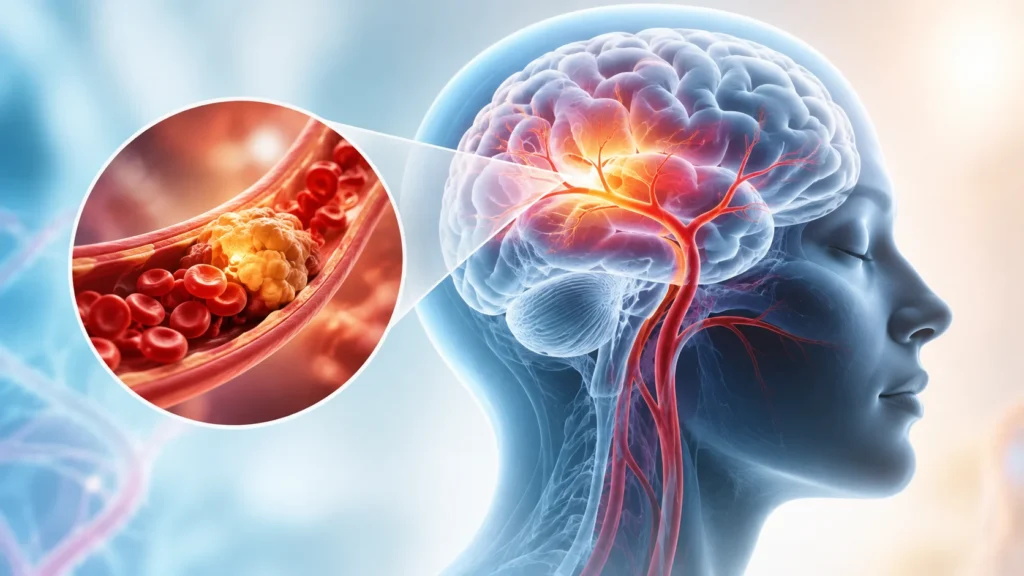
A transient ischemic attack is a temporary interruption of blood flow to a part of the brain. This interruption is usually caused by a blood clot or plaque that briefly blocks a blood vessel. Because the blockage is temporary, the brain tissue does not suffer permanent damage, and symptoms resolve once blood flow is restored.
The key difference between TIA and stroke is duration and permanence. In TIA, symptoms are temporary and there is no lasting brain injury on imaging. In stroke, the blockage or bleeding lasts longer, causing permanent damage to brain cells. However, TIA and stroke share the same underlying causes and risk factors, which is why TIA is often called a warning stroke.
TIA can affect people of any age, but it is more common in adults over fifty. It may happen suddenly, without warning, and can involve different parts of the brain depending on which blood vessel is affected. Because symptoms can be mild or brief, many people dismiss them as fatigue, stress, or dizziness. This delay in seeking care can be dangerous.
Causes of Transient Ischemic Attack
TIA occurs when blood flow to the brain is temporarily reduced or blocked. Several mechanisms can cause this interruption.
Common causes include:
- Blood clots that form in the heart or blood vessels and travel to the brain.
- Atherosclerosis, which is the buildup of fatty plaque in arteries supplying the brain.
- Narrowing of the carotid arteries in the neck.
- Small vessel disease affecting tiny blood vessels in the brain.
- Irregular heart rhythms such as atrial fibrillation that increase clot formation.
- Low blood pressure or sudden drop in circulation.
- Blood disorders that increase clotting tendency.
- Inflammation of blood vessels due to certain medical conditions.
- Rare causes such as arterial dissection or structural abnormalities.
Why blood flow is interrupted
When plaque builds up in arteries, it narrows the passage and makes blood flow turbulent. Small pieces of plaque or clot can break off and travel to smaller vessels in the brain. If the blockage is brief, symptoms resolve. If it persists, stroke occurs. Understanding the cause helps guide the right treatment.
Risk Factors for TIA
Some people are more likely to experience a transient ischemic attack than others. Risk factors are similar to those for stroke and heart disease.
Higher-risk groups
- People over the age of fifty.
- Individuals with high blood pressure.
- Patients with diabetes.
- People with high cholesterol.
- Smokers and those exposed to secondhand smoke.
- Individuals with obesity or sedentary lifestyle.
- People with heart disease or atrial fibrillation.
- Those with a family history of stroke or TIA.
- Individuals with prior TIA or stroke.
- People with carotid artery disease.
- Excessive alcohol users.
- Those with sleep apnea or chronic stress.
Why risk increases in these groups
- High blood pressure damages blood vessel walls.
- Diabetes affects circulation and vessel health.
- High cholesterol contributes to plaque buildup.
- Smoking accelerates artery damage and clot formation.
- Heart rhythm problems increase the chance of clots traveling to the brain.
- Age-related changes reduce vessel elasticity.
- Obesity and inactivity worsen metabolic health.
Symptoms of Transient Ischemic Attack
TIA symptoms appear suddenly and can vary depending on which part of the brain is affected. The symptoms are the same as stroke, but they resolve quickly.
Common symptoms include:
- Sudden weakness or numbness on one side of the face, arm, or leg.
- Difficulty speaking or understanding speech.
- Slurred speech or confusion.
- Sudden vision loss or double vision in one or both eyes.
- Dizziness or loss of balance.
- Difficulty walking or coordination problems.
- Sudden severe headache without a known cause.
- Drooping of one side of the face.
- Difficulty swallowing in some cases.
Important warning signs
- Symptoms that start suddenly and reach maximum intensity within minutes.
- Symptoms that affect one side of the body more than the other.
- Symptoms that resolve completely within minutes to hours.
- Recurrent episodes of similar symptoms.
Emergency warning signs
Even if symptoms go away, immediate medical attention is necessary. Call emergency services if you or someone else experiences sudden weakness, speech difficulty, vision changes, or severe headache. Do not wait to see if symptoms return.
TIA in Different Age Groups
TIA can affect people of different ages, but the pattern and risk may vary.
In younger adults
- May be related to rare causes such as clotting disorders or arterial dissection.
- Often associated with migraine, hormonal factors, or lifestyle risks.
- Symptoms may be dismissed as stress or anxiety.
In middle-aged adults
- More likely to be associated with high blood pressure, diabetes, or cholesterol.
- Smoking and obesity may contribute significantly.
- Early evaluation can prevent future stroke.
In older adults
- Higher risk due to age-related vessel changes and comorbidities.
- More likely to have carotid artery disease or heart rhythm problems.
- Recovery may be slower due to other health conditions.
How is TIA Diagnosed?
Diagnosis is based on symptoms, neurological examination, and imaging tests. Since symptoms may resolve before reaching the hospital, detailed history is crucial.
Diagnostic steps
- Detailed history of symptom onset, duration, and type.
- Family history of stroke, TIA, or heart disease.
- Risk factor assessment such as blood pressure, diabetes, and smoking.
- Neurological examination to check strength, reflexes, vision, and coordination.
- Imaging tests to visualize blood vessels and brain tissue.
Common tests that may be done
- CT scan of the head to rule out bleeding or stroke.
- MRI of the brain to detect small areas of ischemia.
- CT angiography or MR angiography to see blood vessels in detail.
- Carotid ultrasound to check for narrowing in neck arteries.
- Echocardiogram to evaluate heart structure and function.
- Electrocardiogram to detect irregular heart rhythms.
- Blood tests for cholesterol, sugar, clotting, and inflammation markers.
Why diagnosis matters
Early diagnosis of TIA can prevent a future stroke. Identifying the cause helps doctors choose the right treatment, whether it is medication, lifestyle change, or procedure. Without evaluation, the risk of major stroke remains high.
Treatment for Transient Ischemic Attack
Treatment depends on the underlying cause, risk factors, and test results. The main goal is to prevent a future stroke.
1. Medication therapy
Medicines are often the first line of treatment to reduce stroke risk.
- Antiplatelet medicines to prevent blood clots from forming.
- Anticoagulant medicines for patients with certain heart rhythm problems.
- Blood pressure medicines to control hypertension.
- Cholesterol-lowering medicines to reduce plaque buildup.
- Diabetes medicines to maintain blood sugar control.
2. Lifestyle modification
Lifestyle changes are essential for long-term prevention.
- Stopping smoking completely.
- Reducing alcohol intake.
- Following a heart-healthy diet low in salt and saturated fat.
- Engaging in regular physical activity as advised.
- Maintaining a healthy weight.
- Managing stress and improving sleep quality.
3. Treatment of underlying conditions
Addressing root causes reduces future risk significantly.
- Managing atrial fibrillation with appropriate therapy.
- Treating carotid artery narrowing if present.
- Controlling diabetes, blood pressure, and cholesterol.
- Addressing sleep apnea or other contributing conditions.
4. Surgical or procedural options
In selected cases, procedures may be recommended.
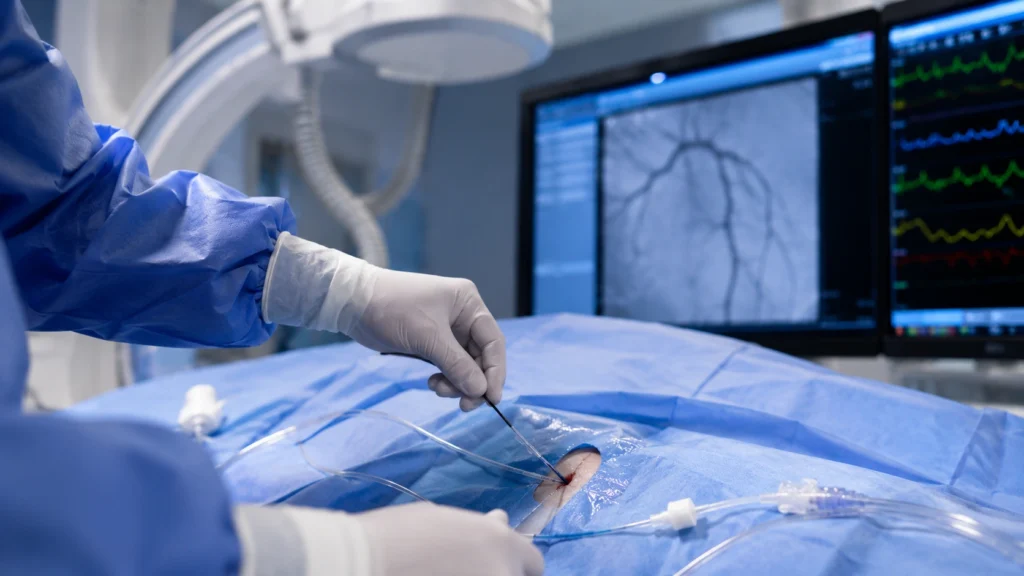
- Carotid endarterectomy to remove plaque from neck arteries.
- Carotid stenting to open narrowed vessels.
- Other vascular procedures based on individual need.
5. Emergency care
If TIA symptoms occur, immediate evaluation is necessary even if symptoms resolve.
- Rapid assessment in emergency department.
- Imaging to rule out stroke.
- Initiation of preventive treatment.
- Admission for observation in high-risk cases.
Recovery After TIA
Recovery from TIA is usually quick because there is no permanent brain damage. However, the focus shifts to preventing future events.
Recovery pointers
- Most people return to normal activities within days.
- Follow-up with neurology or stroke specialist is essential.
- Continue medications as prescribed without interruption.
- Attend all scheduled appointments for monitoring.
- Report any new or recurring symptoms immediately.
Long-term management
- Regular blood pressure and sugar monitoring.
- Periodic cholesterol and heart evaluation.
- Ongoing lifestyle support and counseling.
- Family education on stroke warning signs.
- Adherence to preventive therapy.
Possible Complications
While TIA itself does not cause permanent damage, it significantly increases the risk of future complications.
Complications may include:
- Major ischemic stroke within days or weeks.
- Recurrent TIA episodes.
- Progressive narrowing of blood vessels.
- Heart attack due to shared risk factors.
- Cognitive decline over time if vascular risk is uncontrolled.
- Disability or death if stroke occurs.
Why complications happen
TIA indicates that the brain’s blood supply is vulnerable. Without treatment, the same mechanism that caused TIA can cause a more severe and lasting blockage. This is why TIA is considered a medical emergency.
When to See a Doctor
Medical evaluation is urgent for anyone experiencing TIA symptoms, even if they resolve.
- Sudden weakness or numbness on one side of the body.
- Difficulty speaking or understanding speech.
- Sudden vision loss or double vision.
- Dizziness, loss of balance, or coordination problems.
- Sudden severe headache without a known cause.
- Any stroke-like symptom that resolves quickly.
Prevention of TIA
Preventing TIA involves controlling risk factors and maintaining a healthy lifestyle.
Prevention pointers
- Control blood pressure regularly.
- Maintain healthy blood sugar levels.
- Keep cholesterol within target range.
- Stop smoking and avoid secondhand smoke.
- Limit alcohol intake.
- Follow a balanced diet rich in fruits, vegetables, and whole grains.
- Exercise regularly as per medical advice.
- Maintain a healthy weight.
- Manage stress and prioritize sleep.
- Take prescribed medications consistently.
For people with prior TIA
- Attend all follow-up appointments.
- Do not stop medications without consulting a doctor.
- Learn and recognize early stroke warning signs.
- Involve family in prevention and emergency planning.
- Consider cardiac and vascular evaluation as advised.
Why Choose Rama Hospital for TIA Treatment?
TIA requires urgent evaluation, expert neurology care, and coordinated stroke prevention. A hospital with experienced neurologists, advanced imaging, and comprehensive stroke care can make a major difference in outcomes.
- Rapid assessment and diagnosis in emergency setting.
- Expert evaluation by neurology and stroke specialists.
- Advanced imaging for accurate risk stratification.
- Personalized treatment plans based on cause and risk.
- Long-term follow-up and prevention support.
- Coordinated care with cardiology and vascular teams.
Frequently Asked Questions (FAQs)
Is TIA the same as a stroke?
No, TIA is not the same as stroke. TIA symptoms are temporary and do not cause permanent brain damage, while stroke causes lasting injury. However, TIA shares the same causes and requires urgent evaluation to prevent stroke.
Can TIA be prevented?
Yes, TIA can often be prevented by controlling risk factors such as blood pressure, diabetes, cholesterol, and smoking. Medications, lifestyle changes, and treatment of underlying conditions significantly reduce risk.
What should I do if I think I had a TIA?
Seek immediate medical attention even if symptoms have resolved. Do not wait or assume it was nothing. Early evaluation can prevent a major stroke and save life.
How is TIA diagnosed?
Diagnosis is based on symptoms, neurological exam, and imaging tests such as CT, MRI, and angiography. Blood tests and heart evaluation may also be done to identify the underlying cause.
Can TIA happen more than once?
Yes, TIA can recur, especially if risk factors are not controlled. Each episode increases the risk of stroke, making prevention and follow-up essential.
What is the treatment for TIA?
Treatment includes medications to prevent clots, control blood pressure and cholesterol, lifestyle changes, and management of underlying conditions. In some cases, procedures may be needed to improve blood flow.
How long does recovery take after TIA?
Most people recover quickly since there is no permanent brain damage. However, long-term management and prevention are crucial to reduce future stroke risk.
Conclusion
A transient ischemic attack is a temporary but serious warning sign that should never be ignored. It indicates that the brain’s blood supply is at risk and that a major stroke could follow without proper care. The symptoms may be brief, but the implications are significant.
The most important steps are immediate medical evaluation, accurate diagnosis, and targeted treatment to prevent future stroke. For patients with sudden neurological symptoms, even if they resolve, urgent care can make a major difference in long-term outcomes. With the right management, patients can reduce risk, protect brain health, and live safer, healthier lives.
Rama Hospital can help evaluate TIA, identify individual risk factors, and provide a clear treatment plan that supports stroke prevention, neurological health, and overall well-being.