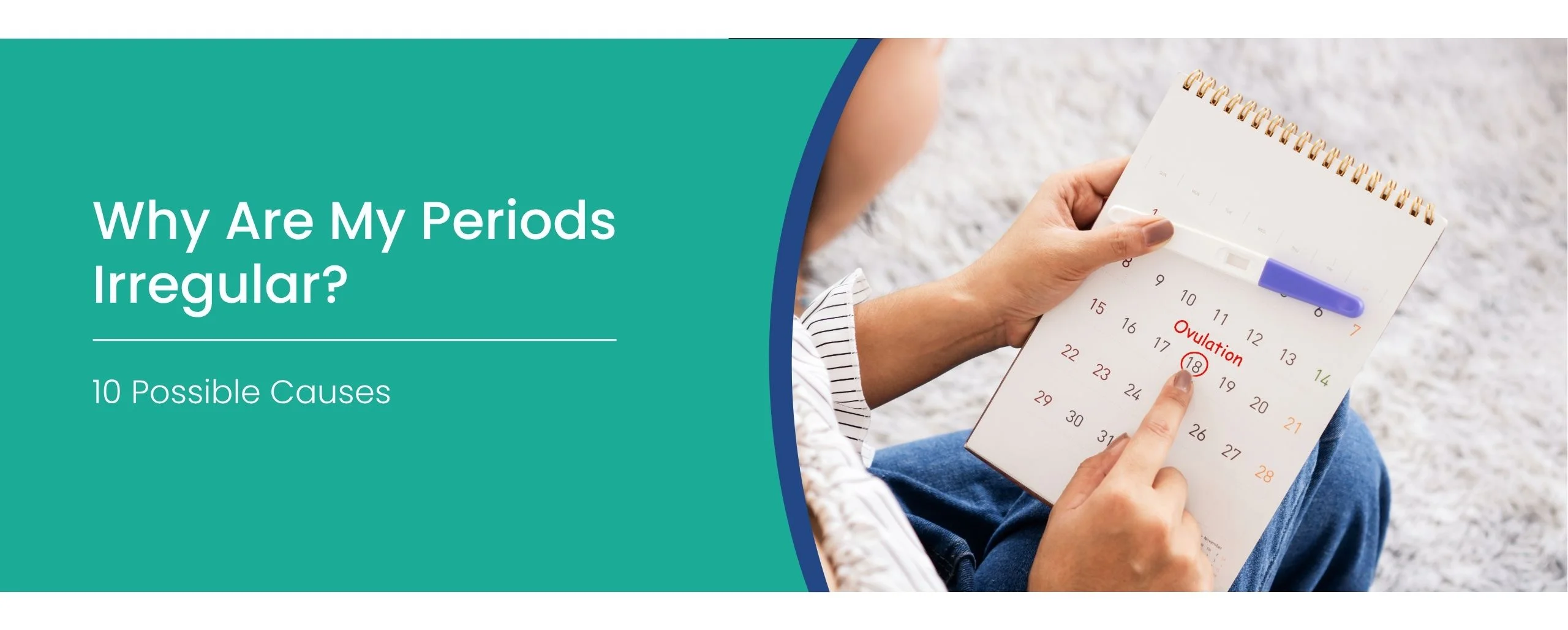
Your period arrives early one month, late the next, and sometimes seems to disappear altogether. You may also notice changes in bleeding, perhaps your flow is heavier than usual, lasts longer, or comes with unexpected spotting.
If this sounds familiar, you may be wondering, “Why are my periods irregular?”
An irregular menstrual cycle is common, but it should not always be dismissed as normal. Changes in your period can happen because of stress, hormonal fluctuations, weight changes, certain medications or underlying health conditions such as polycystic ovary syndrome (PCOS) and thyroid disorders.
The good news is that many causes of irregular periods can be identified and managed with the right medical guidance.
What Are Irregular Periods?
An irregular periods means your menstrual cycle does not follow a predictable pattern, or your bleeding differs significantly from your usual pattern.
For many adults, a typical menstrual cycle occurs approximately every 21 to 35 days, although some variation is normal. A cycle is counted from the first day of one period to the first day of the next.
Irregular periods may include:
- Periods that arrive earlier or later than expected.
- Frequently missed periods.
- Menstrual cycles that vary considerably in length.
- Bleeding that lasts longer than usual.
- Unusually heavy or light menstrual flow.
- Spotting between periods.
Not every variation indicates a medical problem. However, persistent or significant changes deserve attention, especially if they are accompanied by pain, unusual discharge, fatigue or other symptoms.
What is considered an irregular menstrual cycle?
For adults, cycles that consistently fall outside the usual range or vary substantially from month to month may be considered irregular.
During the first few years after menstruation begins, irregular cycles are common because hormonal regulation is still developing. Menstrual patterns may also change during the years leading up to menopause.
The important question is not only how often your period arrives, but whether your current pattern has changed and what might be causing it.
10 Possible Causes of Irregular Periods
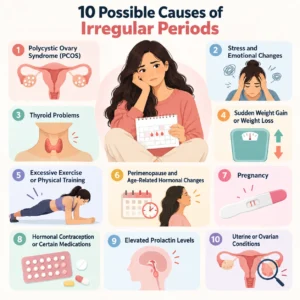
There is no single reason why menstrual cycles become irregular. The following are 10 possible causes worth understanding.
1. Polycystic Ovary Syndrome (PCOS)
PCOS is one of the important conditions to consider when periods are persistently irregular, particularly when accompanied by acne, increased facial hair or difficulty with ovulation.
Polycystic ovary syndrome is a hormonal and metabolic condition that can affect ovulation and menstrual regularity.
In PCOS, ovulation may happen less frequently than usual or may not occur regularly. This can lead to longer menstrual cycles, missed periods or unpredictable bleeding.
Other possible signs of PCOS
- Acne that persists beyond adolescence.
- Increased facial or body hair.
- Weight changes.
- Hair thinning on the scalp.
- Difficulty becoming pregnant.
Not everyone with PCOS experiences the same symptoms, and irregular periods alone do not confirm the diagnosis.
What can help?
A gynaecologist may assess your menstrual history, symptoms, medical background and relevant test results to determine whether PCOS is a possible cause.
Depending on your needs, management may focus on menstrual regularity, metabolic health, symptom control or fertility.
2. Stress and Emotional Changes
Have you noticed that your period becomes unpredictable during particularly stressful months?
Stress can influence the hormonal signals between the brain and ovaries that help regulate ovulation.
Significant emotional stress, ongoing anxiety, major life changes or inadequate recovery may contribute to menstrual irregularity in some individuals.
How can stress affect your menstrual cycle?
When the body’s stress-response systems are activated, reproductive hormone signalling may be disrupted. This can delay ovulation or occasionally prevent it during a cycle.
You may notice:
- A late period.
- A missed period.
- Changes in menstrual flow.
- Increased premenstrual symptoms.
However, stress should not automatically be blamed for every irregular periods.
If menstrual changes persist even after stress levels improve, a medical evaluation is appropriate.
What may help?
- Maintain a consistent sleep schedule.
- Eat regular, balanced meals.
- Include manageable physical activity.
- Practise stress-management techniques.
- Seek professional support if stress is affecting daily life.
3. Thyroid Problems
Your thyroid gland produces hormones that influence metabolism and several body functions, including reproductive health. Both an underactive thyroid (hypothyroidism) and an overactive thyroid (hyperthyroidism) can be associated with menstrual changes.
Hypothyroidism may be associated with:
- Irregular or heavy periods.
- Fatigue.
- Feeling unusually cold.
- Constipation.
- Dry skin.
- Weight gain.
Hyperthyroidism may be associated with:
- Lighter or less frequent periods.
- Palpitations.
- Heat intolerance.
- Tremors.
- Unexplained weight loss.
- Increased anxiety.
These symptoms are not specific to thyroid disease, but when they occur alongside menstrual changes, thyroid function may need evaluation.
How is it checked?
A doctor may recommend thyroid blood tests, such as TSH and, when appropriate, free T4. If a thyroid disorder is identified, treating the underlying condition may help improve menstrual regularity.
4. Sudden Weight Gain or Weight Loss
Your body needs adequate energy availability and hormonal balance to maintain regular ovulation. Significant changes in body weight, particularly over a short period, may affect menstrual cycles.
How weight changes may influence periods?
- Rapid weight loss or inadequate calorie intake
- The body may reduce reproductive hormone signalling when it does not receive sufficient energy.
- This can lead to delayed ovulation or missed periods.
- Significant weight gain
Weight gain may influence insulin regulation and hormonal activity. In some individuals, it can contribute to irregular ovulation, particularly when associated with PCOS.
What should you do?
If your periods became irregular after a major change in weight, consider discussing both your menstrual history and weight changes with a healthcare professional.
The goal is not simply to reach a particular number on the weighing scale.
It is to understand whether nutritional intake, metabolic health, hormonal conditions or other factors are affecting your menstrual cycle.
5. Excessive Exercise or Physical Training
Exercise is beneficial for overall health, but intense physical training combined with insufficient nutrition or recovery can affect menstrual function.
This is sometimes associated with functional hypothalamic amenorrhoea, a condition in which hormonal signalling from the brain to the ovaries is disrupted, leading to absent or irregular periods.
It may occur in people who:
- Exercise intensely for extended periods.
- Consume insufficient calories.
- Experience significant psychological stress.
- Lose weight rapidly.
- Have low energy availability.
Why does this matter?
Missing periods due to inadequate energy availability should not be considered harmless. Persistent disruption of reproductive hormones can affect bone health and other aspects of wellbeing.
If your periods have stopped after increasing exercise or reducing food intake, consult a healthcare professional rather than simply training harder or restricting food further.
6. Perimenopause and Age-Related Hormonal Changes
Menstrual cycles can become less predictable during perimenopause, the transitional phase before menopause. Perimenopause commonly begins during the 40s, although timing varies. As ovarian hormone production becomes more variable, ovulation may occur less regularly.
Common menstrual changes during perimenopause
- Periods arriving earlier or later.
- Skipped cycles.
- Heavier or lighter bleeding.
- Changes in menstrual duration.
- Hot flashes or night sweats.
- Sleep disturbances.
- Mood changes.
These symptoms can overlap with other conditions, so new or unusually heavy bleeding should not automatically be attributed to perimenopause.
When should you seek medical advice?
If your menstrual pattern changes significantly during your 40s or later, a gynaecologist can help determine whether the changes are consistent with perimenopause or whether another cause needs evaluation.
7. Pregnancy
If you have missed your period and pregnancy is possible, pregnancy should be considered before assuming that hormonal imbalance or stress is responsible.
A missed period can be an early sign of pregnancy, even if your cycles are usually irregular.
Other possible early pregnancy symptoms include:
- Breast tenderness.
- Nausea.
- Fatigue.
- Increased urination.
- Mild cramping.
However, symptoms vary widely, and some people experience few or no early symptoms.
What should you do?
If pregnancy is possible, consider taking a home pregnancy test according to the test instructions.
If the result is negative but your period does not arrive, repeating the test later or consulting a healthcare professional may be appropriate, depending on timing and symptoms.
Important: If you have a positive pregnancy test and experience severe abdominal pain, fainting or significant bleeding, seek urgent medical attention.
8. Hormonal Contraception or Certain Medications
Some contraceptive methods and medications can change menstrual bleeding patterns.
For example, hormonal birth control may cause:
- Lighter periods.
- Irregular spotting.
- Changes in bleeding frequency.
- Temporary absence of periods.
These effects vary depending on the contraceptive method and individual response.
Other medications or treatments may also influence menstrual function indirectly or directly.
What should you do if your periods change after starting medication?
Keep track of:
- When the medication was started.
- Changes in your cycle.
- New symptoms.
- Any missed doses or changes in contraception.
Discuss the changes with your prescribing doctor or gynaecologist.
Do not stop prescribed medication or contraception without appropriate medical advice.
9. Elevated Prolactin Levels
Prolactin is a hormone produced by the pituitary gland. Its primary role is to support breast milk production, but it also interacts with reproductive hormone regulation.
When prolactin levels become elevated outside expected situations, such as pregnancy or breastfeeding, menstrual irregularity may occur.
Possible symptoms of elevated prolactin
- Irregular or absent periods.
- Unexpected breast milk discharge.
- Difficulty becoming pregnant.
- Reduced sexual desire.
- Headaches or visual changes in some cases.
Not everyone with elevated prolactin experiences symptoms.
What causes prolactin levels to rise?
Possible causes include:
- Certain medications.
- Thyroid disorders.
- Pituitary gland conditions.
- Pregnancy or breastfeeding.
- Other medical factors.
A doctor may recommend a prolactin blood test when symptoms or medical history suggest it is appropriate.
10. Uterine or Ovarian Conditions
Sometimes irregular bleeding is associated with structural or other reproductive health conditions. Examples include:
Uterine fibroids
Fibroids are non-cancerous growths that develop in or around the uterus. Depending on their size and location, they may cause:
- Heavy menstrual bleeding.
- Prolonged periods.
- Pelvic pressure.
- Pelvic discomfort.
Endometrial polyps
These are growths arising from the lining of the uterus and may cause irregular bleeding or spotting.
Other ovarian or reproductive health conditions
Certain ovarian conditions may affect ovulation or menstrual regularity. Not every irregular periods is caused by a structural problem, but persistent unusual bleeding may require evaluation to understand what is happening.
How are these conditions diagnosed?
Depending on symptoms, a gynaecologist may recommend a pelvic examination, ultrasound or other investigations. Treatment depends on the specific diagnosis, symptoms and reproductive goals.
Are Irregular Periods Always a Sign of a Medical Problem?
No. Occasional changes in your menstrual cycle can happen without indicating a serious underlying condition.
For example, a temporary change may occur during:
- Periods of significant stress.
- Travel or major routine changes.
- Adolescence.
- The years approaching menopause.
- Changes in hormonal contraception.
However, persistent irregularity, repeated missed periods or unusual bleeding should not be ignored. The distinction lies in understanding whether the change is temporary, recurring or accompanied by other symptoms.
How Are Irregular Periods Diagnosed?
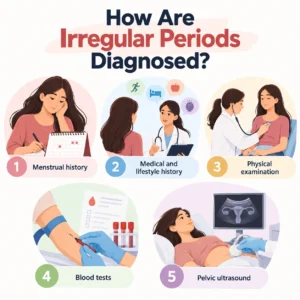
There is no single test that explains every case of irregular menstruation.
A gynaecologist usually begins by understanding your menstrual history and looking for patterns.
1. Menstrual history
You may be asked:
- When did your periods become irregular?
- How long is your typical cycle?
- How many days does bleeding last?
- Have you missed any periods?
- Is your bleeding unusually heavy?
- Are you experiencing pain or spotting?
2. Medical and lifestyle history
Your doctor may discuss:
- Recent weight changes.
- Stress levels.
- Exercise routine.
- Medications.
- Pregnancy possibility.
- Previous hormonal conditions.
- Family history.
3. Physical examination
Depending on your symptoms, a physical examination may be recommended.
4. Blood tests
Not every patient needs every test. Depending on the suspected cause, your doctor may recommend tests such as:
- Pregnancy testing.
- Thyroid function tests.
- Prolactin.
- Other reproductive hormone tests when clinically indicated.
- Blood counts if significant bleeding raises concern about anaemia.
5. Pelvic ultrasound
An ultrasound may help assess the uterus and ovaries when structural conditions or certain ovarian findings need evaluation. The goal of diagnosis is to identify the underlying cause, not simply to make your period arrive on a particular date.
How Can Irregular Periods Be Managed?
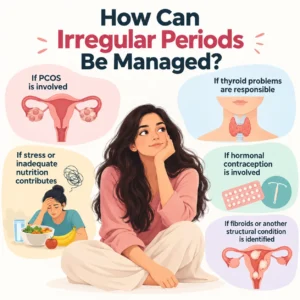
Treatment for irregular periods depends entirely on the cause. There is no universal medicine that works for every person experiencing irregular menstruation.
- If PCOS is involved: Management may include lifestyle support, hormonal treatment, metabolic care or fertility-focused treatment, depending on individual needs.
- If thyroid problems are responsible: Treatment focuses on managing the thyroid condition.
- If stress or inadequate nutrition contributes: Improving energy intake, recovery, sleep and emotional wellbeing may be part of management.
- If hormonal contraception is involved: Your doctor can explain expected bleeding changes and discuss alternatives if needed.
- If fibroids or another structural condition is identified: Treatment depends on symptoms, the location and size of the condition, and reproductive goals.
What about home remedies?
A balanced diet, adequate sleep, regular physical activity and stress management can support overall health. However, home remedies cannot reliably correct every hormonal or structural cause of irregular periods. Avoid taking hormonal tablets, fertility medicines or supplements without medical guidance.
How Can You Track Your Menstrual Cycle?
Tracking your periods can help you and your doctor identify patterns. You can use a calendar, notebook or period-tracking application. Remember: a tracking application can record your cycle, but it cannot diagnose the cause of irregular periods.
Record:
| What to Track | Why It Helps |
| First day of each period | Measures cycle length |
| Number of bleeding days | Identifies changes in duration |
| Flow intensity | Helps identify unusually heavy or light bleeding |
| Spotting between periods | Highlights unexpected bleeding |
| Pain or cramps | Helps assess associated symptoms |
| Medication changes | Identifies possible timing-related patterns |
| Stress, weight or exercise changes | Provides useful context |
Frequently Asked Questions (FAQs)
1. Why are irregular periods but I am not pregnant?
Irregular periods can result from PCOS, thyroid disorders, stress, weight changes, excessive exercise, hormonal contraception or other causes. If pregnancy has been ruled out and irregularity persists, consult a gynaecologist.
2. Can stress cause irregular periods?
Yes. Significant stress can affect hormonal signalling and ovulation, which may lead to delayed or missed periods in some people. Persistent changes should still be evaluated rather than automatically attributed to stress.
3. Are irregular periods a sign of PCOS?
Irregular periods are a common feature of PCOS, but they do not confirm the condition. Diagnosis requires assessment of your symptoms, medical history and relevant clinical findings.
4. Can thyroid problems affect menstrual cycles?
Yes. Both an underactive and overactive thyroid can be associated with menstrual changes. Appropriate thyroid testing may help identify whether thyroid dysfunction is contributing.
5. How can I make my periods regular naturally?
Healthy nutrition, adequate sleep, balanced physical activity and stress management may support menstrual health. However, the most effective approach depends on the underlying cause. Persistent irregular periods should be medically evaluated.
6. Is it normal to miss a period occasionally?
An occasional missed period can happen for several reasons, including stress, illness, hormonal changes or pregnancy. If missed periods recur or are accompanied by concerning symptoms, consult a healthcare professional.
7. Can irregular periods affect fertility?
Irregular periods may indicate inconsistent ovulation, which can make conception more difficult for some individuals. However, irregular cycles do not automatically mean infertility. A gynaecologist can help assess ovulation and discuss appropriate fertility care.
8. When should I worry about irregular periods?
Consult a doctor if irregularity persists, your bleeding becomes unusually heavy, you experience significant pain, or your periods stop unexpectedly. Urgent care is needed for severe pain, fainting or very heavy bleeding.
Conclusion
Irregular periods can be frustrating, especially when you cannot predict when your next cycle will begin.
But the reason behind irregular menstruation is not always the same. Stress, PCOS, thyroid disorders, weight changes, hormonal contraception and reproductive health conditions can all play a role.
The important thing is to understand your individual menstrual pattern and recognise when changes deserve medical attention.
If your periods have become unpredictable, you do not have to keep guessing why.
At Rama Hospital, Noida, women can consult a gynaecologist for evaluation of irregular periods, hormonal concerns, PCOS and other women’s health conditions in best hospital in Noida.
Understanding the cause is the first step toward receiving appropriate care.