Emphysema is a chronic lung condition that makes breathing difficult over time. It is one of the main types of chronic obstructive pulmonary disease, commonly called COPD. In emphysema, the tiny air sacs in the lungs, known as alveoli, become damaged and lose their elasticity. This makes it harder for the lungs to empty properly, trap air inside, and exchange oxygen and carbon dioxide efficiently. As a result, patients feel short of breath, especially during activity, and may develop a chronic cough, wheezing, and reduced exercise capacity.
The condition usually develops slowly over many years. Many people do not notice early symptoms and assume they are simply getting older or out of shape. By the time breathing becomes clearly difficult, significant lung damage may already be present. The most common cause of emphysema is long-term smoking, but it can also occur due to air pollution, occupational dust and chemicals, biomass fuel exposure, and in rare cases, a genetic condition called alpha-1 antitrypsin deficiency.
What is Emphysema?
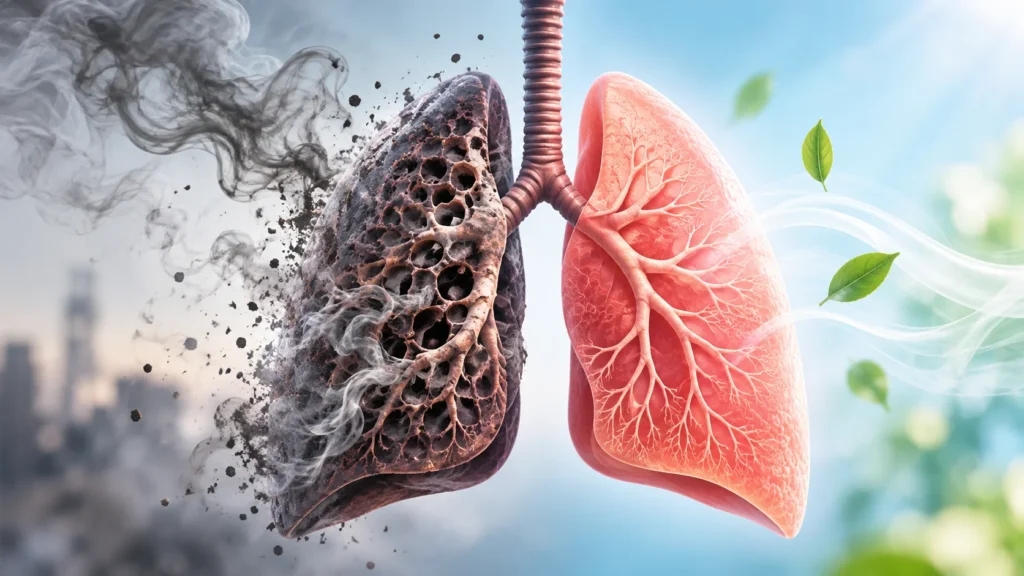
Emphysema is a long-term lung disease in which the air sacs in the lungs are gradually destroyed. Normally, the alveoli are small, elastic sacs that expand when we breathe in and spring back when we breathe out. This helps push air out of the lungs completely. In emphysema, the walls of these sacs break down and merge into larger, less efficient spaces. The lungs lose their elasticity and become floppy.
Because the lungs cannot empty properly, old air gets trapped inside. This reduces the space available for fresh, oxygen-rich air. Over time, less oxygen reaches the blood, and carbon dioxide may build up. The body has to work harder to breathe, and patients feel breathless even with mild activity.
Emphysema is usually part of COPD. Many patients have both emphysema and chronic bronchitis, which involves long-term inflammation and mucus in the airways. Together, these conditions cause progressive breathing difficulty and reduced lung function.
Types of Emphysema
Emphysema can be classified based on which part of the lung is most affected and the underlying cause.
Based on the area of lung involvement
- Centriacinar emphysema, which mainly affects the upper parts of the lungs and is strongly linked to smoking.
- Panacinar emphysema, which affects the entire air sac and is more common in alpha-1 antitrypsin deficiency.
- Paraseptal emphysema, which occurs near the outer edges of the lungs and can be associated with bullae formation.
- Irregular emphysema, which occurs in patches and is often related to scarring from other lung diseases.
Based on cause
- Smoking-related emphysema, which is the most common type.
- Occupational emphysema, linked to long-term exposure to dust, fumes, or chemicals.
- Pollution-related emphysema, associated with chronic exposure to indoor or outdoor air pollution.
- Genetic emphysema, caused by alpha-1 antitrypsin deficiency.
Based on severity
- Mild emphysema, with slight breathlessness on exertion.
- Moderate emphysema, with noticeable limitation in daily activities.
- Severe emphysema, with breathlessness even at rest or with minimal effort.
- Very severe emphysema, with respiratory failure or need for oxygen support.
Causes of Emphysema
Emphysema is caused by long-term damage to the lung tissue. The damage is usually irreversible and progresses over time.
Common causes include:
- Long-term cigarette smoking, which is the leading cause in most patients.
- Secondhand smoke exposure over many years.
- Chronic exposure to air pollution, including vehicle exhaust and industrial emissions.
- Indoor air pollution from biomass fuels such as wood, coal, or dung used for cooking.
- Occupational exposure to dust, silica, coal dust, grain dust, or chemical fumes.
- Repeated lung infections that cause ongoing inflammation.
- Genetic deficiency of alpha-1 antitrypsin, a protein that protects the lungs.
- Aging, which naturally reduces lung elasticity over time.
- Chronic asthma that is poorly controlled over many years.
How smoking causes emphysema
Cigarette smoke contains thousands of harmful chemicals. These chemicals irritate the airways and trigger inflammation. Over time, inflammatory cells release enzymes that break down the elastic fibers in the alveoli. The lungs gradually lose their ability to recoil, air gets trapped, and breathing becomes difficult. The damage is cumulative, meaning the more a person smokes and the longer they smoke, the higher the risk.
Risk Factors for Emphysema
Some people are more likely to develop emphysema than others.
Higher-risk groups
- Current or former smokers, especially those with a long smoking history.
- People exposed to secondhand smoke regularly.
- Workers in mining, construction, manufacturing, or farming with dust or chemical exposure.
- People living in areas with high air pollution.
- Individuals using biomass fuels for cooking in poorly ventilated spaces.
- Older adults, as lung function naturally declines with age.
- People with chronic respiratory infections or poorly controlled asthma.
- Individuals with a family history of COPD or early-onset emphysema.
- People with alpha-1 antitrypsin deficiency.
Why risk increases in these groups
- Smoking directly damages lung tissue and triggers inflammation.
- Occupational dust and chemicals irritate and injure the airways.
- Air pollution causes chronic low-grade lung inflammation.
- Aging reduces the natural elasticity of lung tissue.
- Genetic factors can make the lungs more vulnerable to damage.
- Repeated infections cause ongoing injury and scarring.
Symptoms of Emphysema
Symptoms of emphysema develop slowly and worsen over time. Many people ignore early signs, assuming they are due to aging or lack of fitness.
Early symptoms
- Shortness of breath during physical activity.
- Reduced ability to exercise or climb stairs.
- Mild chronic cough.
- Occasional wheezing.
- Feeling tired more easily.
- Needing to take breaks during routine tasks.
Progressive symptoms
- Increasing breathlessness, even with mild activity.
- Persistent cough, sometimes with mucus.
- Wheezing or whistling sound while breathing.
- Tightness in the chest.
- Frequent respiratory infections.
- Reduced appetite and weight loss in advanced cases.
- Bluish tint to lips or fingernails in severe cases.
- Swelling in ankles due to heart strain in late stages.
Emergency warning signs
- Severe breathlessness at rest.
- Inability to speak in full sentences.
- Confusion or extreme drowsiness.
- Bluish lips or face.
- Chest pain.
- Rapid heartbeat.
- Fainting or near-fainting.
Emphysema and COPD
Emphysema is one component of COPD. Most patients have a mix of emphysema and chronic bronchitis.
Key points about the relationship
- COPD is the broader term that includes emphysema and chronic bronchitis.
- Emphysema primarily affects the air sacs, while chronic bronchitis affects the airways.
- Both conditions cause airflow limitation and breathing difficulty.
- Treatment approaches overlap, but the underlying damage differs.
- Smoking is the main cause of both conditions.
- Diagnosis and management are usually done together under COPD care.
How is Emphysema Diagnosed?
Diagnosis is based on symptoms, risk factors, physical examination, and lung function tests.
Diagnostic steps
- Detailed history of breathing symptoms and their progression.
- Smoking history and exposure to pollutants or occupational hazards.
- Family history of lung disease or genetic conditions.
- Physical examination to check breathing pattern, chest shape, and oxygen levels.
- Lung function tests to measure airflow and lung capacity.
Common tests that may be done
- Spirometry, which measures how much air a person can blow out and how quickly.
- Chest X-ray to look for signs of lung damage or hyperinflation.
- CT scan of the chest for detailed imaging of lung tissue.
- Pulse oximetry to check oxygen saturation in the blood.
- Arterial blood gas test to measure oxygen and carbon dioxide levels.
- Alpha-1 antitrypsin level test if genetic deficiency is suspected.
- Six-minute walk test to assess exercise capacity and oxygen needs.
Why diagnosis matters
Early diagnosis allows for earlier treatment, which can slow progression, improve symptoms, and reduce hospitalizations. Many people are diagnosed only at advanced stages, missing the opportunity for early intervention.
Treatment for Emphysema
There is no cure for emphysema, but treatment can control symptoms, slow progression, and improve quality of life.
1. Stopping smoking
This is the single most important step for anyone with emphysema who smokes.
- Quitting smoking slows the decline in lung function.
- It reduces cough, mucus, and breathlessness over time.
- It lowers the risk of infections and complications.
- Support from doctors, counselors, and medicines can improve success rates.
2. Medicines to open the airways
Bronchodilators are inhalers that help relax the muscles around the airways.
- Short-acting bronchodilators for quick relief during breathlessness.
- Long-acting bronchodilators for daily control of symptoms.
- Combination inhalers with two different types of bronchodilators.
- Inhaled corticosteroids for patients with frequent flare-ups.
3. Medicines to reduce inflammation
Inhaled steroids may be added for patients with frequent exacerbations.
- They reduce airway inflammation and swelling.
- They lower the risk of severe flare-ups.
- They are used in combination with bronchodilators.
- Long-term use requires monitoring for side effects.
4. Oxygen therapy
Some patients with low oxygen levels benefit from supplemental oxygen.
- Used at home for several hours a day or continuously.
- Improves oxygen levels and reduces strain on the heart.
- Helps with sleep, energy, and exercise tolerance.
- Requires proper assessment and prescription.
5. Pulmonary rehabilitation
This is a structured program of exercise, education, and support.
- Includes supervised exercise training.
- Teaches breathing techniques and energy conservation.
- Provides nutrition and lifestyle guidance.
- Improves confidence and reduces hospital visits.
6. Vaccinations
Preventing infections is crucial for patients with emphysema.
- Annual flu vaccine to reduce risk of influenza.
- Pneumococcal vaccine to prevent pneumonia.
- COVID-19 vaccination as per guidelines.
- Other vaccines as advised based on age and health.
7. Treatment of flare-ups
Acute exacerbations require prompt medical attention.
- Increased use of rescue inhalers.
- Short course of oral steroids.
- Antibiotics if bacterial infection is suspected.
- Oxygen support if levels drop.
- Hospital care in severe cases.
8. Surgical options for selected patients
In advanced cases, surgery may be considered.
- Lung volume reduction surgery to remove damaged areas.
- Bullectomy to remove large air pockets called bullae.
- Lung transplant for very severe, selected cases.
- These options are reserved for specific patients after thorough evaluation.
Breathing Techniques and Self-Care
Patients can learn techniques to manage breathlessness and conserve energy.
Helpful breathing techniques
- Pursed-lip breathing to slow down exhalation and reduce air trapping.
- Diaphragmatic breathing to use the diaphragm more efficiently.
- Controlled breathing during activity to prevent panic.
- Relaxation techniques to reduce anxiety-related breathlessness.
Daily self-care tips
- Plan activities to avoid overexertion.
- Take breaks during tasks that cause breathlessness.
- Use a fan or open window to improve airflow.
- Avoid smoke, strong fumes, and dust.
- Keep indoor air clean and well-ventilated.
- Maintain a healthy weight to reduce breathing effort.
- Stay hydrated to keep mucus thinner.
- Follow the prescribed inhaler technique correctly.
Diet and Nutrition in Emphysema
Proper nutrition supports lung function and overall strength.
Dietary recommendations
- Eat small, frequent meals to avoid feeling too full and breathless.
- Include protein-rich foods to maintain muscle strength.
- Eat plenty of fruits and vegetables for antioxidants.
- Choose whole grains and healthy fats.
- Limit salt if there is fluid retention or heart strain.
- Avoid very heavy or gas-forming foods before activity.
Why nutrition matters
Breathing requires energy and muscle strength. Poor nutrition can lead to muscle wasting, weakness, and reduced immunity. A balanced diet helps maintain strength and supports recovery from infections.
Possible Complications
Emphysema can lead to several complications over time.
Common complications
- Frequent respiratory infections such as bronchitis or pneumonia.
- Cor pulmonale, which is heart strain due to lung disease.
- Respiratory failure in advanced stages.
- Pneumothorax, or collapsed lung, due to ruptured bullae.
- Osteoporosis from long-term steroid use or inactivity.
- Depression and anxiety due to chronic illness.
- Weight loss and muscle wasting.
- Sleep disturbances and fatigue.
Why complications happen
Damaged lungs cannot provide enough oxygen or remove carbon dioxide efficiently. This puts strain on the heart and other organs. Repeated infections and inflammation further weaken the body. Early treatment and prevention reduce the risk of these complications.
When to See a Doctor
Medical evaluation is important for people with risk factors or persistent breathing symptoms.
- Ongoing shortness of breath, especially with activity.
- Chronic cough lasting more than a few weeks.
- Wheezing or chest tightness.
- Frequent chest infections.
- Reduced ability to exercise or do daily tasks.
- History of smoking or pollutant exposure.
- Family history of COPD or emphysema.
Prevention of Emphysema
Not all cases can be prevented, but risk can be significantly reduced.
Prevention pointers
- Do not start smoking, and quit if you already smoke.
- Avoid secondhand smoke exposure.
- Use protective masks in dusty or chemical environments.
- Improve ventilation when using biomass fuels.
- Reduce exposure to air pollution when possible.
- Get vaccinated against flu and pneumonia.
- Treat respiratory infections promptly.
- Maintain good overall health with diet and activity.
- Get lung function checked if you have risk factors and symptoms.
For smokers
- Seek medical help to quit smoking.
- Use nicotine replacement or prescribed medicines if needed.
- Join support groups or counseling programs.
- Understand that quitting at any stage provides benefit.
Why Choose Rama Hospital for Emphysema Care?
Emphysema is a complex, long-term condition that requires expert respiratory care, accurate diagnosis, and ongoing support. A hospital with experienced pulmonologists, modern lung function testing, and comprehensive rehabilitation can make a major difference in outcomes.
- Expert evaluation by respiratory specialists.
- Advanced lung function testing and imaging.
- Personalized inhaler and oxygen therapy plans.
- Pulmonary rehabilitation and breathing training.
- Management of flare-ups and complications.
- Long-term follow-up and patient education.
Frequently Asked Questions (FAQs)
Is emphysema the same as COPD?
Emphysema is one type of COPD. Most patients have a combination of emphysema and chronic bronchitis. COPD is the broader term that includes both conditions and describes the overall airflow limitation.
Can emphysema be cured?
There is no cure for emphysema, but treatment can control symptoms, slow progression, and improve quality of life. Early diagnosis, smoking cessation, and proper management are key to better outcomes.
Does quitting smoking help if emphysema is already present?
Yes, quitting smoking is the most effective step to slow further lung damage. It reduces symptoms, lowers the risk of infections, and improves response to treatment. Benefits occur even after emphysema has developed.
What are the early signs of emphysema?
Early signs include shortness of breath during activity, reduced exercise capacity, mild chronic cough, and occasional wheezing. Many people ignore these symptoms, assuming they are due to aging or lack of fitness.
Can young people get emphysema?
Yes, although it is more common in older adults, young people can develop emphysema, especially with heavy smoking, occupational exposure, or alpha-1 antitrypsin deficiency. Early-onset cases require careful evaluation.
Is oxygen therapy safe for long-term use?
Yes, when prescribed and monitored properly, oxygen therapy is safe and beneficial for patients with low oxygen levels. It improves energy, sleep, and exercise tolerance and reduces strain on the heart.
Can emphysema lead to heart problems?
Yes, advanced emphysema can cause cor pulmonale, a condition where the right side of the heart becomes strained due to lung disease. This can lead to swelling, fatigue, and heart failure if not managed.
Conclusion
Emphysema is a serious, progressive lung disease that affects breathing, energy, and quality of life. It is most commonly caused by smoking but can also result from pollution, occupational exposure, and genetic factors. The damage to the lungs is irreversible, but with early diagnosis and proper management, patients can control symptoms, reduce flare-ups, and maintain better lung function for longer.
The most important steps are stopping smoking, using prescribed inhalers correctly, participating in pulmonary rehabilitation, preventing infections, and seeking timely medical care. For patients with persistent breathlessness, chronic cough, or reduced exercise capacity, a respiratory evaluation can make a major difference. With the right care and support, people with emphysema can live more comfortably and protect their lung health.
Rama Hospital can help evaluate emphysema, provide personalized treatment plans, and offer comprehensive respiratory care, including inhaler therapy, oxygen support, rehabilitation, and long-term follow-up to improve breathing and overall well-being.