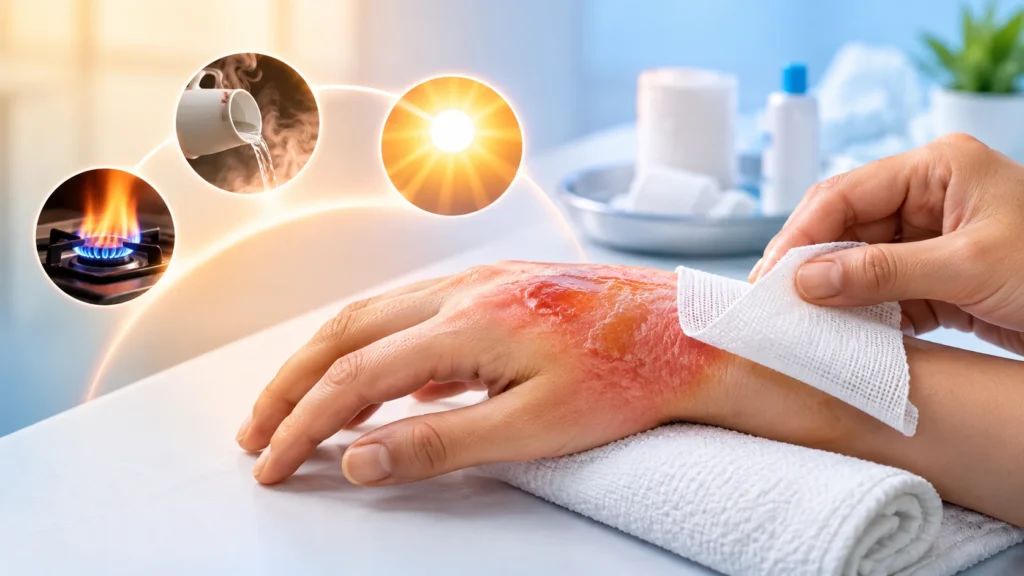
Burn wounds are complex injuries that affect not only the skin but also the underlying tissues, immune response, and overall health. One of the most important steps in burn wound management is debridement. Burn wound debridement is the medical removal of dead, damaged, or infected tissue from a burn wound to help it heal properly. Without debridement, dead tissue can act as a breeding ground for bacteria, delay healing, increase pain, and lead to serious complications such as infection, sepsis, or poor scarring.
Many people think that all burn wounds heal on their own with ointments and dressings. In reality, deeper burns often need careful cleaning and removal of non-living tissue before the body can start the healing process. Debridement can be done in different ways depending on the depth and size of the burn, the patient’s overall health, and the resources available. It may be performed at the bedside, in a procedure room, or in an operating theatre under anesthesia.
What is Burn Wound Debridement?
Burn wound debridement is the process of removing dead, damaged, or contaminated tissue from a burn injury. When skin is burned, some areas may be completely destroyed and no longer viable. This tissue, often called eschar or slough, does not heal and can block new skin from growing.
Debridement helps create a clean wound bed where healthy tissue can grow. It reduces the risk of infection, improves the effectiveness of dressings and medicines, and prepares the wound for possible skin grafting if needed. Debridement may be done once or repeated several times depending on the wound condition.
The procedure can range from gentle removal of loose dead tissue at the bedside to more extensive surgical removal in the operating room. The goal is always the same: to remove non-living tissue while preserving as much healthy tissue as possible.
Why is Debridement Needed in Burn Wounds?
Debridement is a critical part of burn care for several reasons.
Reasons debridement is important
- Dead tissue does not heal and can delay wound closure.
- It can trap bacteria and increase the risk of infection.
- It may block the action of topical medicines and dressings.
- It can cause increased pain and inflammation.
- It may lead to deeper tissue damage if infection spreads.
- It can interfere with skin grafting if grafts are needed later.
- It helps doctors assess the true depth of the burn.
What happens if debridement is not done
- Higher risk of wound infection.
- Slower healing and prolonged hospital stay.
- Increased scarring and contractures.
- Greater chance of needing more complex surgery later.
- Higher risk of systemic infection or sepsis in severe burns.
Timely and appropriate debridement improves outcomes and reduces complications.
Types of Burn Wound Debridement
Debridement can be done in different ways depending on the wound and the patient’s condition.
Surgical debridement
- Performed by a surgeon in an operating room.
- Dead tissue is cut away using surgical instruments.
- Often done under anesthesia for patient comfort.
- Suitable for deep burns, large areas, or infected wounds.
- Allows precise removal of non-viable tissue.
- May be done in stages if the burn is extensive.
Mechanical debridement
- Involves physical removal of dead tissue.
- Can include wet-to-dry dressings, irrigation, or specialized devices.
- Often used for smaller or superficial areas.
- May be repeated over several days.
- Can be uncomfortable and may require pain control.
Enzymatic debridement
- Uses special ointments or gels that break down dead tissue.
- Applied directly to the wound under medical supervision.
- Works over hours to days to soften and remove slough.
- Less invasive than surgical debridement.
- Suitable for selected wounds where surgery is not ideal.
Autolytic debridement
- Uses the body’s own enzymes and moisture to break down dead tissue.
- Achieved with special dressings that keep the wound moist.
- Slower process compared to surgical or enzymatic methods.
- Often used for smaller or less urgent wounds.
- Requires careful monitoring to avoid maceration of healthy skin.
Natural or biological debridement
- In some settings, sterile maggots are used to remove dead tissue.
- Maggots consume only non-living tissue and help clean the wound.
- Used in specific cases under strict medical control.
- Not common in all centers but effective in selected wounds.
The choice of method depends on burn depth, location, patient stability, and available resources.
How is Burn Wound Debridement Performed?
The procedure varies based on the type of debridement and the severity of the burn.
Pre-procedure preparation
- Assessment of the burn depth and extent.
- Evaluation of the patient’s overall health and stability.
- Pain management plan, including medicines or anesthesia.
- Explanation of the procedure to the patient and family.
- Arrangement of sterile instruments, dressings, and equipment.
- Planning for possible skin grafting if needed later.
During surgical debridement
- The patient is given appropriate anesthesia or sedation.
- The burn area is cleaned with antiseptic solutions.
- The surgeon carefully removes dead tissue layer by layer.
- Bleeding is controlled using cautery or other methods.
- The wound is reassessed to ensure all non-viable tissue is removed.
- A sterile dressing is applied after the procedure.
During bedside or mechanical debridement
- Pain relief is given before starting.
- The wound is softened with saline or special solutions.
- Dead tissue is gently removed using instruments or dressings.
- The area is cleaned and re-dressed.
- The process may be repeated over several sessions.
After the procedure
- The wound is monitored for signs of infection or bleeding.
- Dressings are changed as per the care plan.
- Pain control is continued as needed.
- Nutrition and hydration are optimized to support healing.
- Further debridement sessions are planned if required.
Benefits of Burn Wound Debridement
Debridement offers several important benefits for burn patients.
Key benefits
- Faster wound healing by removing barriers to tissue growth.
- Reduced risk of infection by eliminating dead tissue where bacteria grow.
- Better effectiveness of topical medicines and dressings.
- Improved assessment of burn depth and healing potential.
- Preparation of the wound bed for skin grafting if needed.
- Reduced pain over time as infection and inflammation decrease.
- Lower risk of complications such as sepsis or chronic wounds.
- Improved cosmetic and functional outcomes with proper healing.
Long-term advantages
- Less scarring and contracture formation.
- Better movement and function of affected areas.
- Shorter hospital stay in many cases.
- Reduced need for complex reconstructive surgery later.
Risks and Considerations
Like any medical procedure, debridement has potential risks and considerations.
Possible risks
- Pain or discomfort during and after the procedure.
- Bleeding from the wound bed.
- Risk of infection if sterile technique is not maintained.
- Damage to healthy tissue if debridement is too aggressive.
- Need for multiple sessions in extensive burns.
- Scarring at the debrided area.
- Anesthesia-related risks in surgical debridement.
How risks are minimized
- Procedures are performed by trained burn and wound care specialists.
- Sterile techniques are strictly followed.
- Pain control is optimized before, during, and after the procedure.
- The extent of debridement is carefully planned.
- Patients are monitored closely for complications.
- Follow-up care ensures proper healing and early detection of issues.
Patients should discuss any concerns with their treating team before the procedure.
Recovery After Burn Wound Debridement
Recovery depends on the size and depth of the burn, the type of debridement, and the patient’s overall health.
Immediate recovery
- Pain and discomfort are common and managed with medicines.
- Dressings are kept clean and dry as instructed.
- The wound may ooze fluid initially, which is normal.
- Rest and limited movement of the affected area are advised.
- Signs of infection such as increased redness, swelling, or fever are monitored.
Medium-term recovery
- New tissue begins to grow as the wound bed becomes clean.
- Dressing changes continue as per the care plan.
- Physiotherapy may be started to prevent stiffness and contractures.
- Nutrition support is continued to promote healing.
- Follow-up visits assess healing progress and plan further care.
Long-term recovery
- The wound gradually closes with new skin or graft.
- Scar management begins once the wound is healed.
- Compression garments or silicone sheets may be advised.
- Rehabilitation focuses on function and appearance.
- Psychological support may be offered for emotional recovery.
Aftercare and Wound Management
Proper aftercare is essential for successful healing after debridement.
Wound care pointers
- Keep dressings clean, dry, and changed as instructed.
- Do not remove dressings unnecessarily or touch the wound with unwashed hands.
- Use only prescribed ointments, creams, or solutions.
- Report any increase in pain, swelling, odor, or discharge.
- Attend all follow-up appointments for wound assessment.
Pain management
- Take pain medicines as prescribed.
- Use relaxation techniques and distraction methods.
- Inform the medical team if pain is not controlled.
- Adjust activity levels to avoid strain on the wound.
Nutrition and hydration
- Eat a protein-rich diet to support tissue repair.
- Include fruits and vegetables for vitamins and minerals.
- Drink adequate fluids to maintain hydration.
- Avoid smoking and alcohol, which delay healing.
Activity and movement
- Follow advice on movement and rest for the affected area.
- Do gentle exercises as guided to prevent stiffness.
- Avoid heavy lifting or strain on the wound site.
- Use splints or supports if recommended.
Prevention of Complications
Preventing complications is a major goal after debridement.
Infection prevention
- Maintain strict hand hygiene before touching dressings.
- Keep the wound environment clean.
- Avoid exposing the wound to dirty water or surfaces.
- Take antibiotics only as prescribed.
- Watch for signs of infection and report early.
Scar and contracture prevention
- Start scar management as soon as the wound heals.
- Use compression garments if advised.
- Perform stretching and physiotherapy exercises.
- Protect healing skin from sun exposure.
- Follow up with the burn team for long-term care.
General health support
- Control diabetes and other chronic conditions.
- Maintain good overall nutrition.
- Avoid smoking and secondhand smoke.
- Get adequate rest and sleep.
- Seek psychological support if needed.
When to Seek Medical Help
Regular follow-up is important for all burn patients after debridement.
- Increasing pain despite medicines.
- Redness spreading around the wound.
- Swelling or warmth at the site.
- Foul smell from the wound.
- Increased discharge or pus.
- Fever or chills.
- Delayed healing or wound opening.
Why Choose Rama Hospital for Burn Wound Debridement?
Burn wound debridement requires specialized skills, sterile facilities, and comprehensive wound care. A hospital with an experienced burn team can provide safe and effective treatment.
- Expert assessment of burn depth and extent.
- Appropriate choice of debridement method.
- Sterile operating and procedure rooms.
- Advanced pain management and anesthesia support.
- Coordinated care with physiotherapy, nutrition, and rehabilitation.
- Long-term follow-up for scar and function management.
Frequently Asked Questions (FAQs)
Is debridement painful?
Some discomfort is common, but pain is managed with medicines, local anesthesia, or general anesthesia depending on the procedure. The medical team takes steps to keep the patient as comfortable as possible during and after debridement.
How many times is debridement done?
It depends on the size and depth of the burn. Some wounds need only one session, while others may require multiple debridements over days or weeks. The treating team decides based on wound progress and healing.
Does debridement speed up healing?
Yes, by removing dead tissue, debridement allows healthy tissue to grow and reduces infection risk. This generally leads to faster and better healing compared to leaving dead tissue in place.
Can debridement be done without surgery?
Yes, in some cases, enzymatic, autolytic, or mechanical methods can be used instead of surgical debridement. The choice depends on the wound characteristics and the patient’s condition.
Will there be scarring after debridement?
Some scarring is common after deep burns, with or without debridement. Proper wound care, scar management, and rehabilitation can help minimize scarring and improve function and appearance over time.
How long does recovery take?
Recovery time varies based on burn depth, size, and overall health. Superficial wounds may heal in weeks, while deeper burns can take months. Regular follow-up and aftercare are essential for optimal recovery.
Can debridement prevent infection?
Yes, removing dead tissue reduces the area where bacteria can grow, lowering the risk of wound infection. Combined with sterile technique and proper dressings, debridement is an important infection control measure.
Conclusion
Burn wound debridement is a vital part of burn care that helps remove dead tissue, reduce infection risk, and promote proper healing. While the procedure may sound intimidating, it is performed with careful pain control and sterile technique to ensure patient safety and comfort. With the right debridement method, aftercare, and long-term management, burn patients can achieve better healing, reduced complications, and improved function.
For patients with deep or infected burn wounds, timely debridement by an experienced team can make a major difference in outcomes. Rama Hospital offers comprehensive burn wound care, including expert debridement, advanced dressings, infection control, and long-term rehabilitation support to help patients recover safely and effectively.